How do you work in senior care technology?

Technology is fundamentally changing how care is delivered to older adults, shifting practices in both residential settings and private homes by offering novel ways to monitor wellness, ensure safety, and maintain connections. [1][6][8] The application of these tools is not about replacing human interaction, but rather augmenting it, providing caregivers and families with more information and support to manage the complexities of aging. [3][5] When considering how this technology works in practice, it's helpful to look at the distinct areas where digital tools make the greatest impact: safety monitoring, connection maintenance, and logistical support for providers. [1][5]
# Safety Monitoring
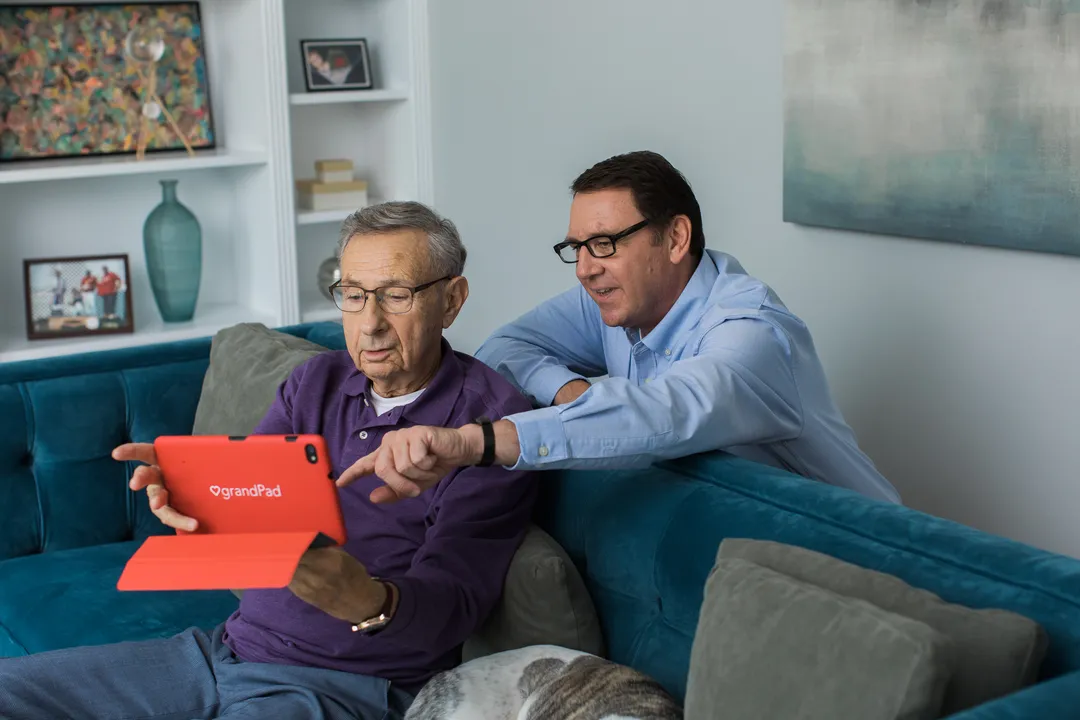
One of the most critical applications of senior care technology revolves around immediate safety and continuous, non-intrusive monitoring. [7] This area includes systems designed to detect emergencies or changes in routine that might signal a problem, allowing for faster intervention. [1]
# Emergency Response
Traditional personal emergency response systems (PERS), often involving a pendant or wearable device, remain a key component. [7] These devices allow an individual to press a button to immediately summon help in an emergency, which is a well-established method for providing a sense of security. [3][7] However, modern approaches move beyond simple call buttons. Some technologies use sensors installed in the home that passively monitor activity without requiring the senior to wear anything. [2]
These ambient monitoring systems work by detecting patterns. For instance, if an expected movement pattern ceases, or if an unusual event like a fall occurs, the system can trigger an alert to a designated contact or monitoring service. [1][7] This proactive approach contrasts with older systems that require the senior to be physically able to press a button after an event has already happened. [2] In a home health setting, this monitoring allows caregivers to have greater peace of mind when they are not physically present, knowing that the environment itself is acting as an extra set of eyes. [2]
# Fall Detection
Falls are a significant concern for older adults, often leading to serious injury or hospitalization. [5] Technologies specifically focused on fall detection operate in a few ways. Some wearable devices contain accelerometers that can sense the sharp, sudden change in motion indicative of a fall and automatically initiate a call for assistance. [3] Other, more advanced systems integrate into the home environment, using sophisticated algorithms to differentiate between a true fall and other movements, like dropping something or sitting down heavily. [1]
A key aspect of how these detection systems work successfully is the ability to reduce false alarms, which is a major point of friction for users and caregivers alike. [8] Technologies that can learn the resident’s typical activity levels and movement profiles over time tend to be more accurate, thus building greater trust among the end-users. [1] For example, a system might note that a resident usually gets out of bed between 7:00 AM and 8:00 AM; if there is no movement detected by 9:00 AM, it can prompt a caregiver check-in, acting as a wellness check rather than just an emergency alert. [7]
# Home Living Support
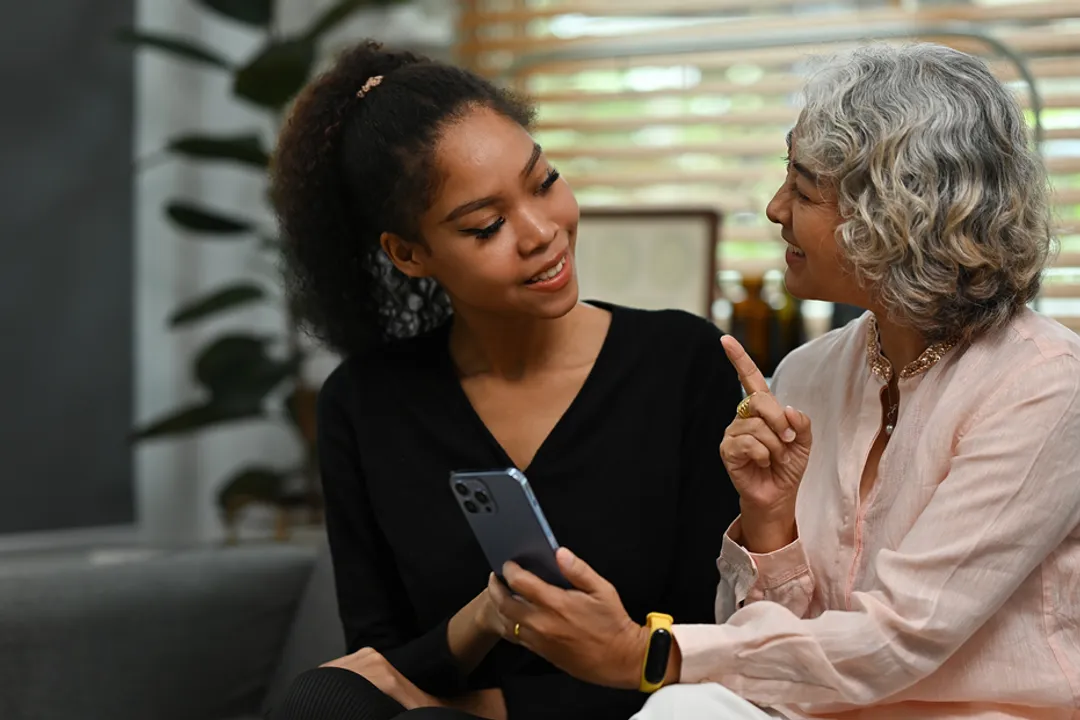
The desire to age in place—remaining in one's own home for as long as possible—is strongly supported by technology that assists with daily activities and manages chronic conditions. [7][8] This operational support helps bridge the gap between independent living and the need for consistent care. [2]
# Medication Adherence
Medication management is a frequent challenge, especially for seniors managing multiple prescriptions. [4] Technology addresses this through automated reminders and dispensing systems. [7] Automated dispensers can be programmed to release the correct dosage at the correct time, often accompanied by an audible alert or light prompt. [3][4] If the medication is not retrieved within a set timeframe, the system can send an alert to a family member or caregiver. [4]
This automation moves the responsibility away from the senior's memory and towards a reliable mechanical/digital system. It works by creating a closed loop: dispense, confirm retrieval, and alert on failure to retrieve. [3] For families coordinating care from a distance, knowing that medications were taken on schedule is a significant reduction in daily anxiety. [4]
# Smart Home Features
The integration of smart home devices moves beyond simple safety alerts into general comfort and convenience, which contributes to overall quality of life. [6] Technologies such as smart thermostats, automated lighting, and voice-activated assistants change how seniors interact with their environment. [7]
Consider automated lighting: for someone with mobility issues, navigating a dark house at night is risky. [8] Smart lighting can be set to activate automatically when sensors detect movement in a hallway or bedroom after dark, eliminating the need to reach for a switch. [7] This quiet assistance lessens strain and prevents falls. [8] Similarly, voice commands simplify tasks like adjusting the temperature or calling a relative, offering an accessible interface for those with dexterity or vision challenges. [7]
One valuable observation when implementing these home systems is the need to standardize the interface, even if the underlying devices are from different manufacturers. If a senior needs to learn a distinct application or command structure for the lights, the thermostat, and the communication system, the complexity quickly outweighs the benefit. Therefore, an effective deployment often centralizes control, perhaps through a single tablet or voice-activated hub that learns preferences rather than forcing the user to master multiple disparate systems. [8]

# Connecting Care Networks
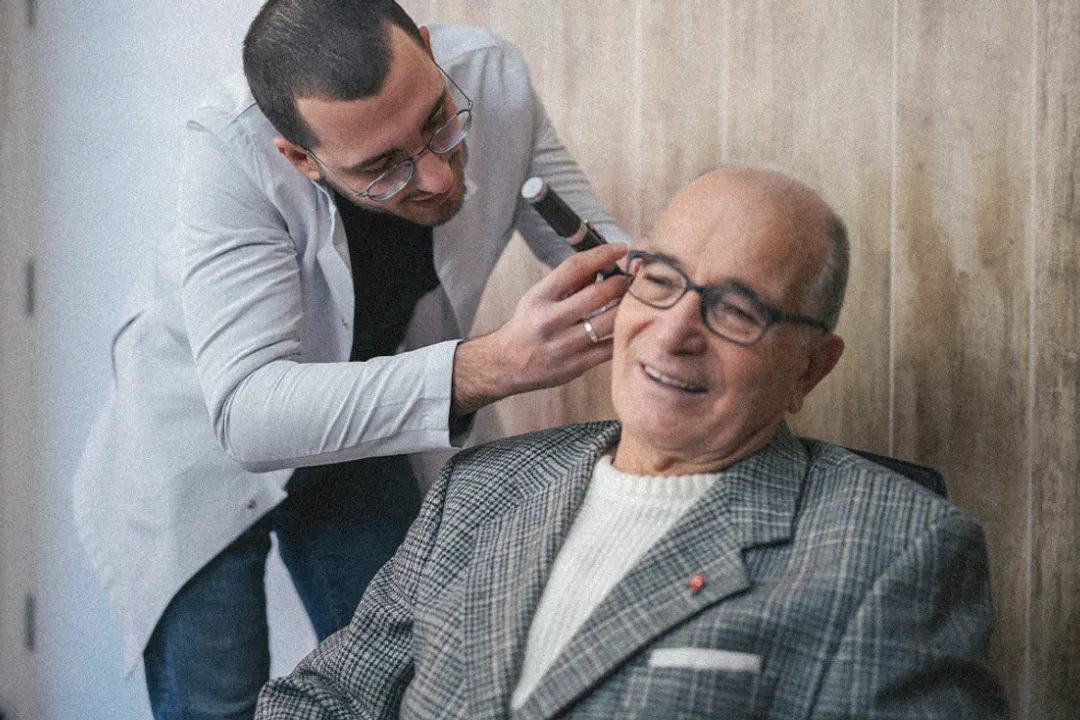
Technology plays a substantial part in bridging geographical distances between seniors, their families, and their professional healthcare providers. [6][8] This is particularly important for managing social engagement and complex medical needs remotely. [5]
# Telehealth Services
Telehealth platforms represent a major shift in how routine medical check-ups and minor consultations are conducted. [2][5] For seniors who find transportation difficult or who have limited mobility, telehealth eliminates the need for an in-person visit for non-emergent needs. [2]
These virtual visits often use video conferencing tools that allow a primary care physician or specialist to visually assess symptoms, discuss medication changes, and conduct preliminary examinations. [5] This convenience keeps seniors healthier by making healthcare accessible and timely, preventing small issues from escalating into emergencies that necessitate hospitalization. [1][2] For home health agencies, telehealth can streamline supervisory visits, allowing nurses to check in remotely between scheduled hands-on appointments. [2]
# Combating Isolation
Loneliness and social isolation are recognized public health concerns affecting seniors. [6] Technology works to mitigate this by providing accessible communication channels. [1] While video calling is familiar to many, specific platforms designed for seniors often feature simplified interfaces, larger icons, and curated content. [6]
These tools allow older adults to easily connect with grandchildren, friends, or virtual community groups. [1][3] Furthermore, some senior living communities use internal communication platforms to keep residents informed about activities, menus, and community news, ensuring everyone feels connected to the daily life of the facility. [6] The ability to share photos or participate in virtual group activities offers consistent social stimulation that is vital for cognitive health. [1]
# Provider and Caregiver Assistance
The efficacy of senior care technology is often measured by its capacity to reduce the administrative and physical burden on professional and family caregivers. [4][8] By automating routine tasks, technology allows human caregivers to spend more quality time on direct, compassionate care. [5]
# Information Management
Caregivers often juggle appointments, shift schedules, and complex medical histories. [4] Technology steps in through electronic health records (EHRs) and centralized care management software. [5]
These systems allow for real-time updates on a resident’s condition, medication administration records, and daily notes to be shared instantly across the care team. [8] For family members involved in coordinating care, access to a secure, shared portal means everyone is working from the same, current information, reducing miscommunication regarding appointments or dietary needs. [3][4] The shift from paper charts to digital records means that vital data is always accessible, regardless of where the caregiver is located. [5]
# Streamlining Operations
In assisted living or nursing facilities, technology helps manage the macro-level operations. [6] Scheduling software can optimize staff assignments based on resident acuity levels, ensuring that facilities are adequately staffed according to need, rather than just a fixed ratio. [5] Reporting tools can aggregate data from various monitoring systems to provide administrators with an overview of resident wellness trends, helping them spot systemic issues before they become widespread problems. [1]
For instance, if the system notes an increased number of reported minor mobility issues in one wing over a week, management can proactively look into environmental factors or training needs in that specific area. [1] This data-driven approach to facility management is a significant evolution from traditional, reactive management styles. [5]

# Specialized Tools
Beyond the broad categories of safety and communication, several specialized technological tools are making inroads into daily senior care. [9]
# Mobility Aids
Technology is being incorporated into traditional mobility supports, such as walkers and wheelchairs. [9] Some modern walkers include sensors that can alert the user or a remote party if the walker tips over, or even use GPS tracking to locate the device if misplaced—a common issue for those with cognitive decline. [9]
# Cognitive Engagement
For residents dealing with cognitive impairment, specialized applications and devices are designed to provide mental stimulation and orientation cues. [1] These range from digital memory books that allow families to easily upload photos and stories that prompt reminiscence, to interactive games designed to maintain cognitive function. [6]
Another interesting development is the use of smart reminders that go beyond just medication. These might include prompts for hydration, movement breaks, or reminders about personal hygiene routines, delivered via a tablet or voice assistant in a gentle, non-intrusive manner. [7] The effectiveness here relies on the technology being context-aware; for example, it should not interrupt a face-to-face conversation or a nap with an unnecessary prompt. [8]
When assessing which specialized tool to introduce, a practical consideration for any care setting is the training requirement for the existing staff. If a tool requires a dedicated IT person or an extensive certification course, its adoption rate among frontline workers will likely suffer. The most successful technologies are those that can be integrated into existing workflows with minimal friction, perhaps requiring only a short, focused training session on the new interface or alert procedure. [8] The true work in senior care technology adoption often lies in overcoming the inertia of established routines among staff members. [5]
# Integration and Future Directions
The real power of working with senior care technology comes from its integration, moving past siloed applications toward a connected ecosystem. [1][9] A system that only monitors falls but doesn't communicate that data to the same platform managing medication adherence leaves a gap in the overall care picture. [5]
The vision is a truly interconnected environment where data from a wearable device (heart rate, sleep quality), an ambient sensor (time spent in the kitchen), and an electronic record (last recorded blood pressure) all feed into a single dashboard. [2][6] This aggregated view allows care teams to see the whole person and anticipate needs rather than just reacting to crises. [1]
This movement toward proactive care requires sophisticated data analysis, often involving artificial intelligence (AI) to spot subtle correlations that a human might miss over time. [5] For example, a slight but consistent dip in nighttime movement detected by a bed sensor, combined with a slightly lower reported mood score on a weekly check-in, might trigger a recommendation for a dietary change or an adjustment to sleep medication before the resident shows overt signs of illness. [5]
As these technologies become more commonplace, the focus shifts to maintaining the human element. [1] The technology must serve the relationship between the senior and the caregiver, not become a barrier between them. [8] For a family member checking in remotely, seeing that the ambient sensors show the loved one has been active in the garden, even while they can’t be there physically, validates their well-being in a way a simple "all-clear" status notification cannot. [3] The successful working model of senior care technology is thus one where digital tools provide the data and efficiency, freeing up human time for compassion and connection. [1][6]
#Videos
Want To Age in Place? This New Tech Is Improving Elder Care
Related Questions
#Citations
The Role of Technology in Senior Care: Enhancing Lives
The Role of Technology in Enhancing Home Health Care for Seniors
Senior Care Technology for Safer Aging at Home - Westmont Living
Caregiver Technology - The Senior Alliance
Senior Care Technology: Innovations In Modern Healthcare
Want To Age in Place? This New Tech Is Improving Elder Care
Role of Technology in Senior Living | Assisted Living
Technology Assistance for Aging at Home - SeniorCare Inc.
Integrating Technology into Senior Care - Comfort Keepers
Innovative Technologies Transforming Senior Care & Living