How do you work in satellite-based aid delivery?

The backbone of modern humanitarian response often lies far above the clouds, providing services when roads are washed out, power lines are down, and cellular towers lie in ruins. When disaster strikes, whether from a sudden seismic event or the protracted instability of a conflict zone, the first thing that often fails is terrestrial communication infrastructure. [1][5] This gap is precisely where satellite technology steps in, not just as a backup, but as the primary artery for coordinating aid, assessing damage, and ensuring that relief personnel can operate safely and effectively. [3][9]
# Earth Observation

A critical first step in any aid delivery effort is understanding what happened and where help is needed most urgently. This initial phase relies heavily on Earth Observation (EO) satellites. [4] These sophisticated remote sensing instruments capture images of affected regions, allowing responders to create near-real-time situational awareness maps that would be impossible to generate on the ground immediately following a catastrophic event. [3][4]
EO data serves several key functions in the initial damage assessment. For instance, after floods or earthquakes, these observations can rapidly map the extent of inundation or identify collapsed bridges and impassable roadways, effectively prioritizing rescue routes. [4] Furthermore, by comparing pre-event and post-event imagery, aid organizations can quantify the scale of destruction to housing, infrastructure, and agricultural land, which directly informs funding appeals and resource allocation. [3][4] This rapid assessment capability speeds up the entire process; without it, aid efforts might be delayed by days waiting for reconnaissance teams to safely access areas, time that humanitarian actors know is measured in lives. [2]
One might think of these satellites purely in terms of visible light photography, but their capabilities extend much further. Radar satellites, for example, can penetrate cloud cover—a frequent hindrance in tropical disaster zones—to measure ground deformation or map surface changes regardless of weather conditions. [4] Analyzing this spectrum of data requires specialized expertise, meaning that organizations dedicated to disaster risk reduction often need to collaborate closely with space agencies or commercial data providers who possess the processing power to translate raw data into actionable intelligence for field teams. [4]
This reliance on space-based data highlights a subtle but important distinction in the aid workflow. While global agencies might coordinate based on macro-level satellite assessments showing large areas of need, local teams on the ground require granular detail to decide what type of aid to send where—for example, distinguishing between areas needing immediate search-and-rescue versus those requiring bulk food distribution a few days later. [2]
# Communication Lifeline

Once damage is assessed, the next challenge is coordination. Effective aid delivery depends on constant, reliable communication between headquarters, field offices, and mobile teams. [6] Satellite communication systems are designed to bridge these divides, offering connectivity where terrestrial networks have failed or were never present. [5][6]
Different types of satellite services cater to different needs. For established field offices or emergency coordination centers, satellite broadband terminals provide high-capacity links, allowing for large data transfers, video conferencing, and reliable email access, essentially recreating a functional office environment in a remote location. [6] These high-throughput links are essential for logistics planning, financial transactions, and reporting back to donors. [1]
For smaller, mobile teams, lighter terminals or even specialized handheld devices utilizing satellite networks provide voice and low-bandwidth data services. [6] This is crucial for keeping individual aid workers safe, allowing them to report their location, confirm successful delivery of supplies, or call for medical evacuation if necessary. [5][9] Companies specializing in humanitarian communications often provide pre-packaged solutions tailored for rapid deployment in crisis areas, focusing on simplicity and resilience. [6] Furthermore, even in conflict settings where commercial networks might be deliberately jammed or destroyed, specialized satellite links ensure vital communication channels remain open for NGOs and international bodies. [5]
It is interesting to observe how the commercial sector is integrating into this space. For example, large-scale connectivity projects, often involving low-Earth orbit (LEO) satellites, aim to provide internet access across broad, underserved regions, which has significant implications for longer-term development projects as well as immediate disaster response. [8] This commercial involvement is shifting the landscape, moving satellite connectivity from a niche, expensive solution to a more scalable resource, though reliability in the most extreme, short-notice disaster scenarios remains a key operational consideration.

# Operational Integration
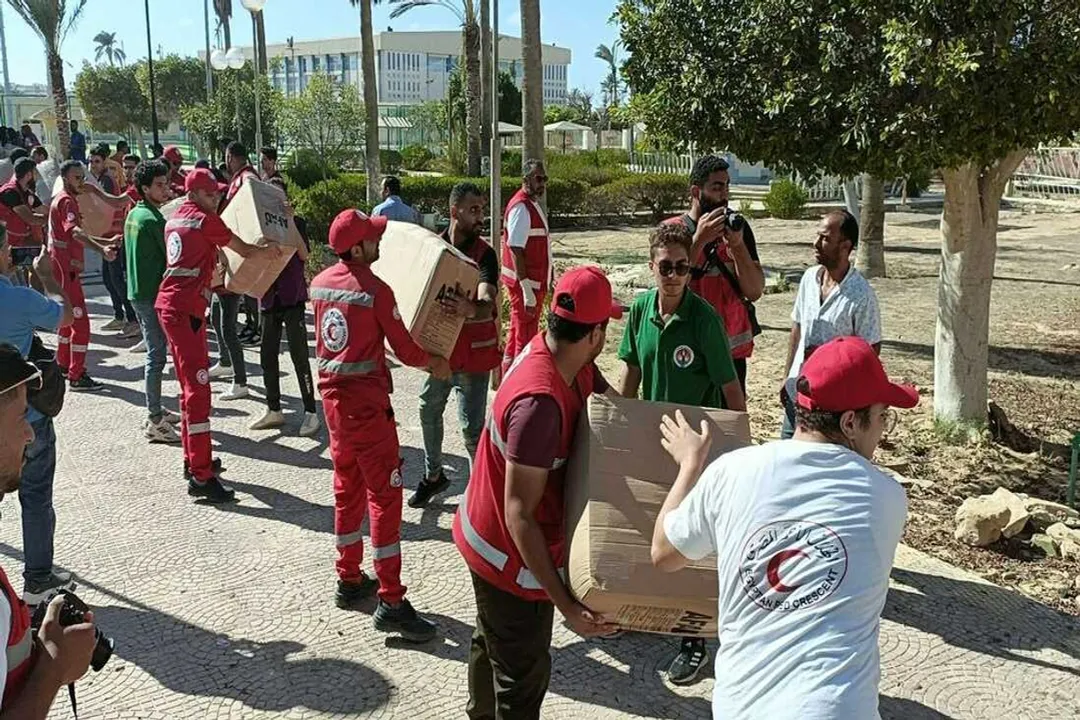
The raw data from EO satellites and the connectivity provided by communication satellites only translate into effective aid delivery when integrated into the operational loop on the ground. This integration is where expertise turns signals into services. Satellite data dictates where to send aid, and satellite communication dictates how the delivery team coordinates its movements. [2]
One highly effective integration point involves navigation. While civilian GPS signals are generally available, satellite assets are vital for ensuring that responders can accurately locate recipients in areas lacking clear street signs or landmarks, especially when ground markers have been destroyed. [9] Furthermore, tracking assets—like fleets of trucks carrying food or medical supplies—via satellite trackers allows logistics managers to optimize routes in real-time, avoiding newly identified hazards visible in EO imagery. [2]
To maximize operational readiness, aid organizations must adopt a strategy that accounts for potential failures across multiple systems. A practical approach involves pre-positioning communication kits that utilize different satellite constellations or frequency bands. This redundancy ensures that if one service provider experiences an outage or if geopolitical restrictions limit access to a specific satellite network, field teams can immediately switch to an alternative provider without losing connectivity. [1][7] Such flexibility, baked into standard operating procedures, is arguably more important than the specific brand of terminal carried.
# Emerging Services
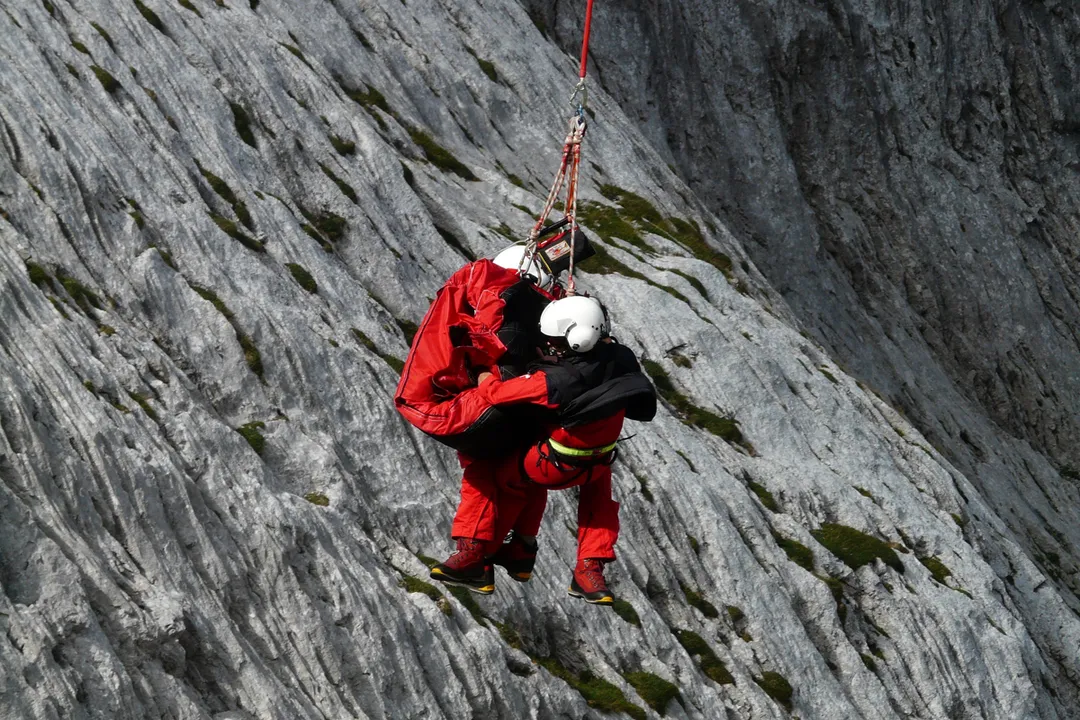
The technology supporting humanitarian aid is constantly evolving, driven by improvements in satellite manufacturing, deployment frequency, and computational power. [7] The trend is moving toward constellations of smaller satellites in lower orbits, which offers lower latency (less delay in communication) and potentially lower costs for data transmission. [8]
LEO systems, which involve hundreds or thousands of satellites circling much closer to Earth than traditional geostationary satellites, are changing the economics of providing high-speed connectivity to remote areas. [8] While these systems were initially focused on consumer broadband, their capacity to deliver reliable service is increasingly being examined for humanitarian applications, promising faster data transmission for remote medical consultations or transmitting high-resolution imagery back to analysis centers. [7]
Moreover, specialized small satellite missions are being developed to address specific aid needs. For instance, some projects focus on sensors designed not just for disaster mapping, but for long-term environmental monitoring in development contexts, tracking water resources or land use changes to prevent future crises. [10] This preventative application of space technology—using the expertise gained from past disaster responses to inform sustainable development—is a less visible but equally important aspect of satellite work. [10]
The involvement of major commercial entities, such as those building global broadband LEO constellations, represents a maturation of the sector, pushing innovation that benefits humanitarian actors through increased service availability and competitive pricing. [8] Organizations working in this space are now focusing on interoperability, ensuring that the new influx of commercial services can be easily plugged into existing emergency response protocols. [7]
# Challenges and Access
Despite the profound utility of space-based assets, their deployment in aid scenarios is not without hurdles. The primary challenge often revolves around access and speed of deployment. [2] While an organization might have a contract for satellite services, getting the physical equipment—the dish, the modem, the power source—to the disaster zone quickly enough to matter is a logistical puzzle in itself. [2] Furthermore, the specialized training required to set up and maintain complex satellite terminals can be a barrier in high-stress, rapidly shifting environments. [7]
Another consideration is the need for appropriate power solutions. Satellite terminals, especially high-throughput ones, require significant power, which means that even the best communication link is useless if the field team lacks reliable solar panels, generators, or battery banks to keep the equipment running 24/7. [6] This interdependence between communication technology and basic field logistics is often overlooked when focusing solely on the space segment of the operation.
Finally, in situations involving complex political or conflict environments, even the signals bouncing down from orbit can face scrutiny or denial. [5] Ensuring that the ground equipment is secure and that communication channels are encrypted and protected is paramount for the safety and neutrality of the aid workers relying on them. [5][9] The work of satellite-based aid delivery, therefore, is as much about cutting-edge physics and engineering as it is about careful, low-tech logistics planning on the ground.
Related Questions
#Citations
How satellites play a role in disaster relief - Viasat
[PDF] SATELLITES FOR HUMANITARIAN AID - Intersos
Satellites respond to humanitarian needs - ESA
[PDF] Use of EO Satellites in Support of Recovery from Major Disasters
How Satellite Technology Provides a Lifeline for Humanity in ...
Satellite Communication for Humanitarian Aid
Unlocking Satellite Technology for Humanitarian Crises - UKHIH
Amazon's Career Choice program takes employees from ...
Satellites and satellite-based systems: Indispensable tools to keep ...
Aid & Development - KINEIS