How do you work in personalized medicine?
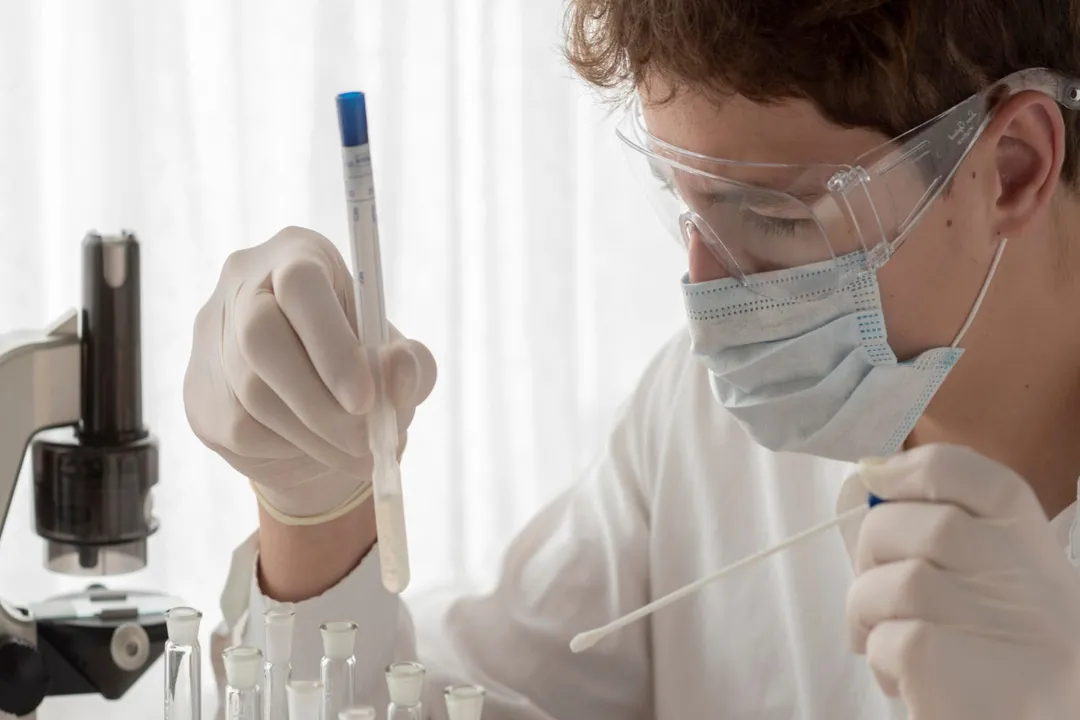
Personalized medicine, often discussed interchangeably with precision medicine, marks a significant departure from the traditional "one-size-fits-all" approach to healthcare. At its heart, this field is about tailoring medical decisions, treatments, practices, and products to the individual patient. [2][3] Instead of relying on what works for the average person, practitioners in this area seek to use a person's unique biological makeup—their genetics, environment, and lifestyle—to guide choices about prevention, diagnosis, and therapy. [2][3][6]
This shift is fundamentally rooted in the increasing understanding that individuals respond differently to the same interventions. Some patients may see dramatic success with a particular drug, while others experience no benefit or even harmful side effects. [7] Personalized medicine aims to predict that outcome before treatment begins, moving healthcare toward proactive management rather than reactive intervention. [7]
# Core Concept

The difference between standard care and personalized care lies in the granularity of information used for decision-making. Standard care often relies on broad clinical trial data that shows efficacy across large populations. [3] Personalized medicine, conversely, drills down to the molecular level. For instance, understanding the specific genetic variations an individual possesses can reveal why a drug metabolizes quickly in their system, necessitating a different dosage or an entirely different compound. [6]
This approach isn't limited to complex treatments like chemotherapy; it applies to many areas, including preventing adverse drug reactions or determining the best strategy for managing chronic conditions based on an individual’s genetic risk profile. [7] The objective is simple: deliver the right intervention to the right patient at the right time. [3]
When thinking about how this translates to actual patient care, consider two hypothetical patients with the same diagnosis. In a standard setting, they might both receive Drug X. In a personalized medicine model, Patient A, whose tumor shows a specific biomarker identified through genomic testing, receives Drug X, which is highly effective for that biomarker. Patient B, whose tumor lacks that biomarker but shows a different genetic signature, might immediately bypass Drug X and receive Drug Y, saving valuable time and avoiding ineffective treatment cycles. [7]
# Work Settings
The work supporting personalized medicine doesn't just happen in the clinic; it spans research labs, data centers, and specialized institutional programs designed to bridge the gap between discovery and bedside application. [9] Many major academic medical centers have established dedicated centers—such as the Mayo Clinic's Center for Individualized Medicine or Mass General Brigham’s center—specifically tasked with this translation. [1][9]
These centers act as incubators where basic scientific findings regarding genetics or molecular pathways are rigorously tested and integrated into clinical workflows. [9] This translational work is crucial because a breakthrough in the lab doesn't become a practical treatment until it’s standardized, validated in clinical trials, and accepted into routine patient care protocols. [9]
One particularly important function of these institutional hubs is establishing the infrastructure needed to handle the unique data sets that personalized medicine generates. [1] Handling massive amounts of genomic, proteomic, and clinical data requires specialized secure environments, which presents a distinct operational challenge compared to managing traditional electronic health records. [1] It is a common point of discussion in the field that while the science moves fast, the creation of secure, accessible, and integrated data platforms often becomes the practical bottleneck for widespread adoption. [5]

# Professional Roles
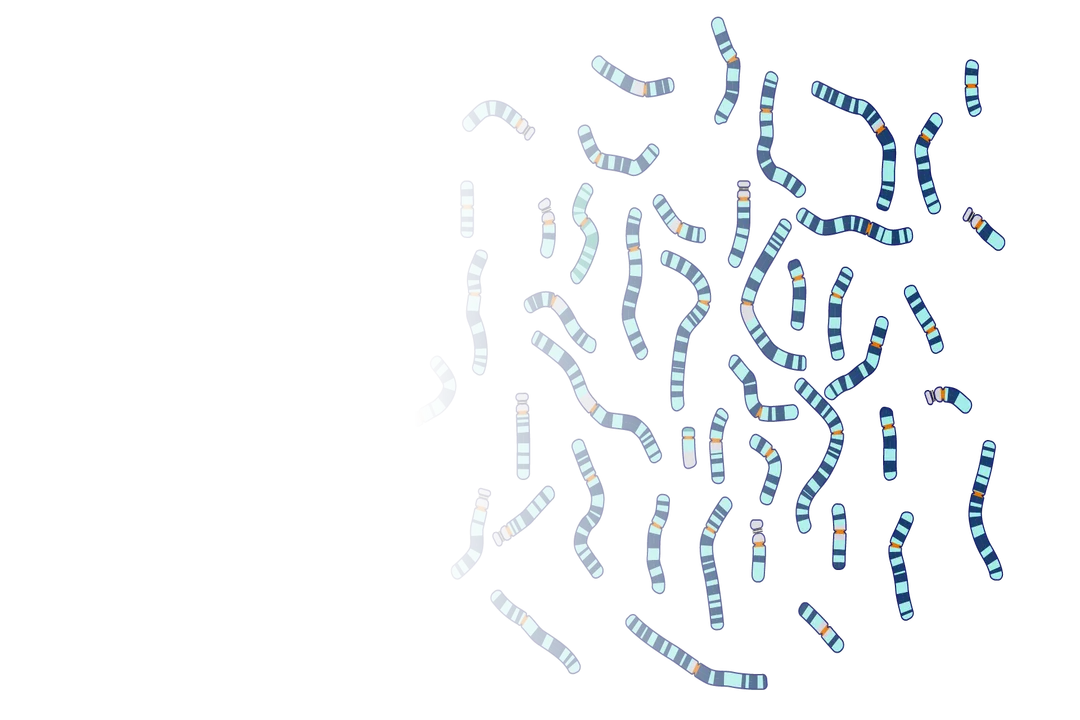
Working in this discipline requires a diverse range of expertise that crosses traditional boundaries between biology, technology, and medicine. [1][4] It is inherently interdisciplinary. [4]
Key roles often include:
- Clinical Scientists: These professionals are deeply involved in developing and implementing new diagnostic tests and therapies, ensuring they are clinically relevant and scientifically sound. [1]
- Genetic Counselors: They interpret complex genetic test results for patients and physicians, helping people understand the implications of their unique genetic information for their health and family. [1]
- Health Informatics Specialists: Because personalized medicine is data-driven, professionals skilled in health informatics are essential for managing, analyzing, and integrating diverse patient data sources—from lab results to imaging to genomic sequences—into usable clinical insights. [1]
- Bioinformaticians and Data Scientists: These roles focus on creating the computational tools and statistical models necessary to sift through mountains of raw sequence data to find meaningful patterns associated with disease or drug response. [4][5] One person working in this area noted that their primary job involves designing the data processing pipelines that turn raw sequencing output into actionable variant calls. [5]
Institutions like Novartis often advertise roles explicitly titled within "Personalized and Precision Medicine," highlighting the demand for individuals who can manage clinical development, regulatory affairs, or specific biomarker research pathways. [8]
# Required Expertise
The skills needed to contribute effectively to this field are specialized and demand a high level of comfort with complex information systems. [4] A foundational understanding of human genetics and molecular biology is necessary, but it is rarely sufficient on its own. [10]
If you are aiming for a career that involves developing the tools, expertise in Data Science and Bioinformatics is paramount. [4] This involves programming skills, statistical modeling, and the ability to manage large-scale genomic datasets efficiently. [5] You need to understand not just the biology, but the algorithms used to interpret that biology. [4]
For those leaning toward the direct clinical implementation side, a strong background in Clinical Research methodologies is necessary, coupled with an understanding of how regulatory bodies approve novel genomic tests and targeted therapies. [1][4]
A helpful perspective for newcomers is recognizing the required mindset shift for clinicians entering this space. While traditional medicine often focuses on recognizing established disease patterns, personalized medicine demands a comfort level with ambiguity and statistical probability, often working with incomplete datasets until further research refines the markers. The skill is not just knowing the science, but knowing how to question the data itself. [3] For example, mastering a tool like a specialized variant annotation software requires both biological knowledge to know what genes matter and computational skill to run the software correctly. [5]

# Education Pathways
Formal education serves as the entry point into these varied careers. [4] Institutions recognize that this new medical frontier requires specialized training beyond standard degree programs. [10] For instance, educational programs focusing on the Center for Computational and Personalized Medicine emphasize deep training in genetics and genomics. [10]
A common path might involve a bachelor's or master's degree in a life science field, followed by advanced specialization. [4] For example, a PhD in a computational field or a Master’s in Genetic Counseling are direct routes. [1][4]
When evaluating educational opportunities, it can be useful to compare programs based on the depth of their data science component versus their wet-lab or clinical application focus. [10] A program strong in genomics education will equip students to interpret findings, whereas one heavily focused on informatics will prepare them to build the systems that house the findings. [1] Seeing specific course listings for subjects like statistical genetics or database management is a good indicator of the practical skills a program emphasizes. [4]
If one is already established in a related field, such as medical technology or traditional research, transitioning often involves targeted certificate programs or gaining certifications in areas like high-throughput sequencing data analysis or specialized biostatistics. [1] The continuous nature of the science means that expertise in this field is never truly static; ongoing learning is a requirement, not an option. [4]
Related Questions
#Citations
Careers - Center for Individualized Medicine - Mayo Clinic Research
Personalized Medicine - National Human Genome Research Institute
What is personalized medicine? - The Jackson Laboratory
What is Precision Medicine? and How to start your career in the field ...
Anyone here work in the field of personalized medicine? - Reddit
Personalized medicine and what it means for you | Labcorp
What Is Personalized Medicine and Why Is It Important?
ED, Personalized & Precision Medicine | Novartis
Personalized Medicine - Mass General Brigham
Colorado Center for Personalized Medicine