How do you work in ocean carbon removal?
Working in ocean carbon removal, or marine Carbon Dioxide Removal (mCDR), is an endeavor spanning fundamental oceanography, chemical engineering, ecological restoration, and international policy development. It’s not a singular job description but rather a constellation of activities aimed at pulling atmospheric out of the air and safely storing it in the ocean or coastal ecosystems. [3][7] Those seeking to contribute must first choose a pathway, as the required expertise varies dramatically, ranging from restoring coastal wetlands to designing complex electrochemical reactors capable of altering seawater chemistry. [2][4]
This field is generally divided into two broad approaches: those that work with natural processes, often called "Blue Carbon," and those that employ engineered or enhanced chemical reactions in the open ocean. [1][3] The nature of the work shifts entirely depending on which side of this spectrum an individual or organization operates. For instance, one career path involves large-scale ecological management, while another centers on reducing the energy penalty associated with extracting directly from seawater. [8][6] Success in this arena demands rigorous scientific understanding, as any intervention risks unintended consequences for marine life, making assessment and monitoring central to all activities. [2][4]
# Blue Carbon Methods

The "Blue Carbon" approach focuses on enhancing the natural ability of coastal ecosystems to capture and store carbon. [8] This work primarily involves the restoration and protection of habitats like salt marshes, mangroves, and seagrass meadows. [8][3] Professionals in this space are often ecologists, restoration specialists, or community organizers. [5]
The work is hands-on and site-specific. It involves mapping existing carbon stocks, developing restoration plans based on local hydrology and biology, and ensuring long-term stewardship of these areas. [2] Unlike highly technological approaches, the primary challenge here is often scale-up and securing long-term funding and governance to prevent the reversal of sequestration through coastal development or pollution. [8] From a professional standpoint, this work requires grounding in land-use policy and community partnerships, ensuring that restoration efforts align with local needs while maximizing carbon uptake. [7]
# Engineered Removal
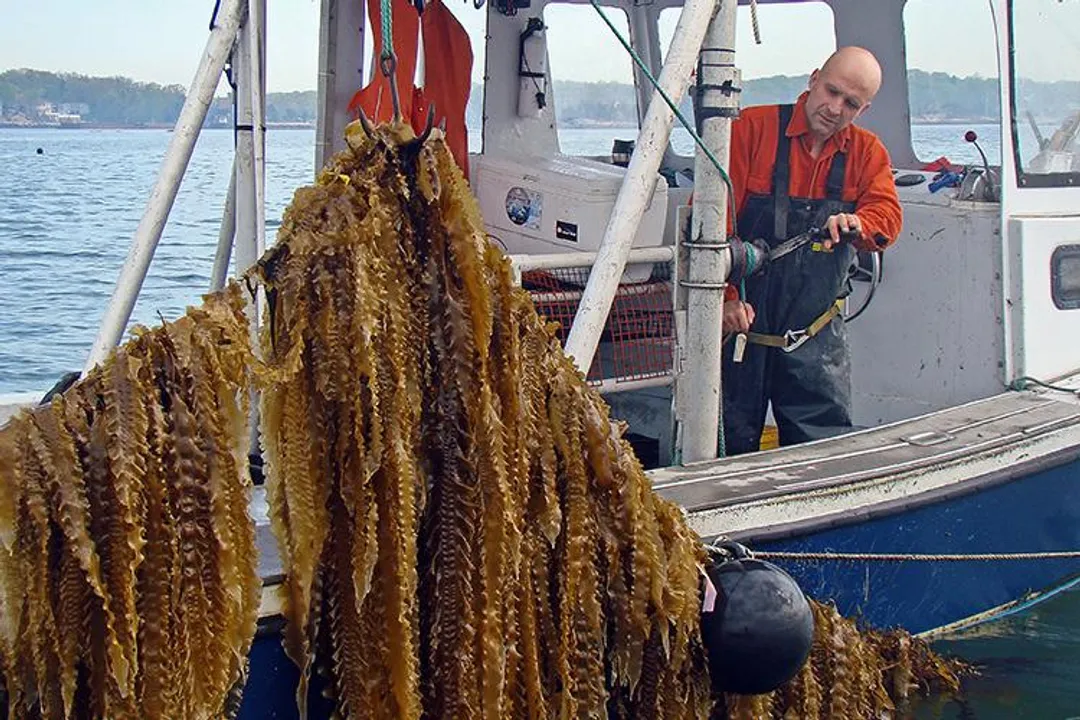
When discussing engineered mCDR, the work becomes decidedly more technical, often involving direct manipulation of ocean chemistry or physical removal processes. [1] These methods are aimed at the open ocean or require significant technological infrastructure. [2]
# Alkalinity Enhancement
Ocean Alkalinity Enhancement () is one major avenue. This process involves adding alkaline substances—such as crushed minerals—to seawater to increase its buffering capacity, allowing it to absorb more atmospheric without significantly lowering the . [1][4] The work here is heavily focused on geochemistry, materials science, and logistics. Researchers must determine the optimal materials, the safest dosages, and the most effective distribution methods. [5] A key activity is modeling how the introduction of these substances might change local water chemistry and assessing potential impacts on organisms like corals or shellfish. [4] Furthermore, the supply chain for these materials—mining, processing, and transport—represents a significant logistical and industrial aspect of this work. [3]
# Direct Ocean Capture
Direct Ocean Capture () seeks to extract dissolved directly from the seawater itself. [4] This is often achieved through electrochemical processes that separate the from the water, sometimes as part of a larger desalination effort. [6] Working in means focusing on chemical engineering and electrical systems design. The challenge is efficiency: capturing from water where it is highly diluted is energy-intensive. [6] Therefore, a substantial amount of technical work is dedicated to designing lower-energy separation membranes, developing novel catalysts, and managing the resulting concentrated brine or stream. [1][5]

# Powering the Technology

For the engineered methods, particularly , the necessary energy input is a major consideration, opening up specialized roles for those who connect ocean energy with carbon removal systems. [6] Researchers are investigating how to power these electrochemical processes using the ocean’s inherent kinetic energy, such as wave action or deep-sea currents. [9] This activity bridges renewable energy engineering with chemical processes. Professionals in this specific niche might work on designing small, modular, offshore energy converters capable of reliably supplying power to an underwater capture unit, requiring expertise in both marine engineering and power electronics. [9]
# Research and Safety Assessment
Regardless of the specific method—whether spreading crushed minerals or deploying electrochemical separators—a massive amount of work centers on understanding the risks and verifying the permanence of the carbon removal. [7][5] This is arguably the most crucial area for building public trust and regulatory approval.
The work involves setting up controlled field experiments to monitor ecological responses over extended periods. [2] Scientists must develop sensitive measurement techniques to accurately quantify the net amount of sequestered versus the amount released through the process itself (e.g., from energy generation or material processing). [1] For instance, researchers might need to differentiate between naturally occurring flux and the effects of an test site, which demands expertise in trace gas analysis and oceanographic instrumentation. [4]
It is important to note that some historical concepts, like ocean fertilization (adding nutrients like iron to spur plankton blooms), are currently viewed with extreme caution due to high ecological risk and questionable durability of the storage, making the work in that area primarily focused on modeling why it might fail or cause harm, rather than scaling deployment. [4][1]
# Governance and Monitoring Roles
The complexity and potential global scale of mCDR necessitates intensive policy and governance work. [7] As the ocean is a shared resource, interventions in one area can affect others, making governance a transboundary issue. [5]
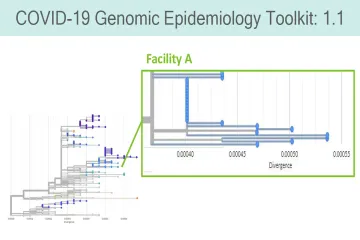
People working in this sphere focus on establishing the rules before large-scale deployment occurs. This includes developing transparent monitoring, reporting, and verification () standards that are accepted globally. [7] A significant task is creating permitting processes that allow for safe innovation while protecting vulnerable ecosystems from premature, poorly managed projects. [5] Think of this as developing the 'rules of the road' for a new technology; roles include legal analysts, international relations experts, and standard-setting body coordinators. [7]
To illustrate the diverse expertise required across these functional areas, one can look at the necessary professional skill sets mapped against the core activities:
| Pathway Focus | Primary Technical Work | Key Professional Skill Set Needed |
|---|---|---|
| Blue Carbon | Habitat Restoration/Management | Ecology, Restoration Biology, Community Planning |
| Ocean Alkalinity Enhancement () | Material Sourcing and Modeling | Geochemistry, Logistics, Environmental Modeling |
| Direct Ocean Capture () | Electrochemical Separation Scale-up | Chemical Engineering, Materials Science, Power Systems |
| Cross-Cutting Support | Measurement & Policy Development | Oceanography, Data Science, International Law |
This diversity suggests that someone interested in mCDR can apply a background in almost any STEM field, provided they focus that knowledge on the specific challenge of ocean chemistry or ecology. [5] For example, a data scientist with experience in time-series analysis of environmental sensors is immediately valuable for creating the frameworks necessary to track the success of any pilot project, ensuring that claims of removal are backed by traceable data. [5][7]
Ultimately, working in ocean carbon removal means being part of an evolving scientific and operational frontier. It requires patience, given the slow pace of environmental change and the deep caution needed when making large-scale interventions in the global ocean system. [2] Whether one's work involves convincing local fishermen to support seagrass restoration or modeling the diffusion rate of alkalinity across an entire ocean basin, the common goal is securing a durable, verifiable removal pathway for atmospheric carbon. [1][7]
Related Questions
#Citations
Marine carbon dioxide removal: What it is and how it works
Marine carbon dioxide removal - Ocean Visions
Ocean-based Carbon Dioxide Removal: 6 Key Questions, Answered
Carbon Dioxide Removal - NOAA Ocean Acidification Program
Marine Carbon Dioxide Removal (CDR) - ClimateWorks Foundation
How to pull carbon dioxide out of seawater | MIT News
Marine Carbon Dioxide Removal | Carbon180
Carbon Dioxide Removal as an Ocean-based Climate Solution
Can Ocean Energy Power Carbon Removal? | NLR - NREL