How do you work in neuroaesthetics?
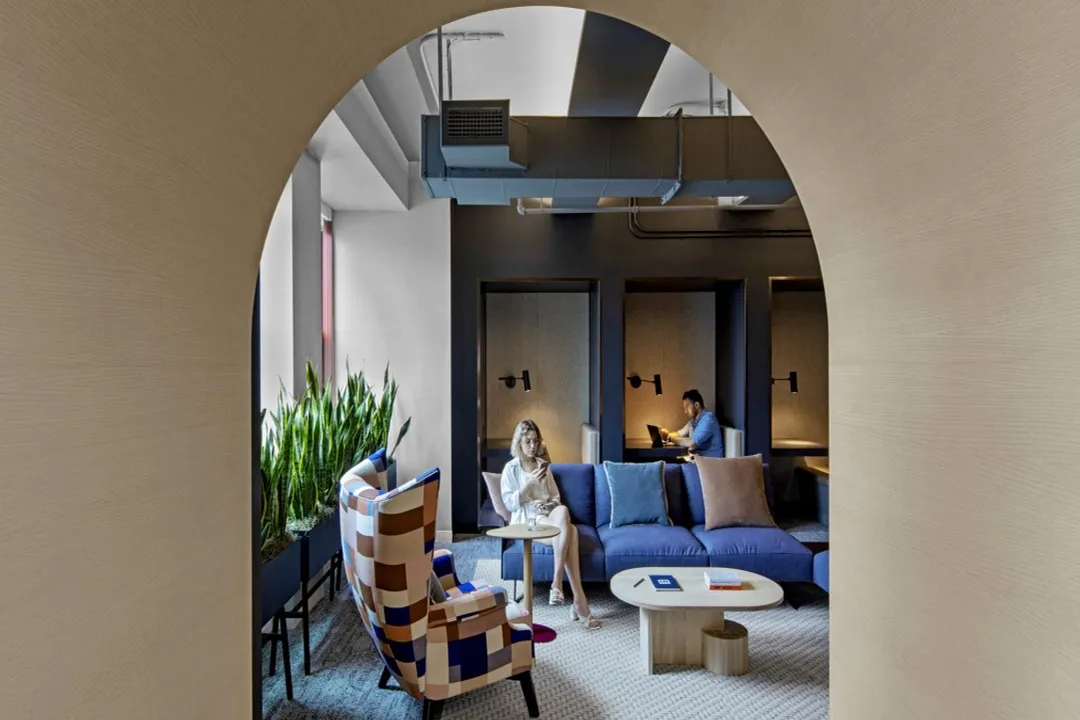
The exploration of neuroaesthetics begins at the fascinating crossroads where science meets subjective human experience, seeking to decode the brain’s mechanisms when encountering beauty, art, or aesthetically pleasing environments. [1][5] Working in this field means adopting an inherently interdisciplinary stance, drawing expertise from neuroscience, psychology, art history, and design. [1][5] The fundamental goal is not to judge what is beautiful, but rather to understand why the brain registers certain stimuli as such, revealing the universal or learned neural signatures of aesthetic pleasure. [1]
# Research Methods
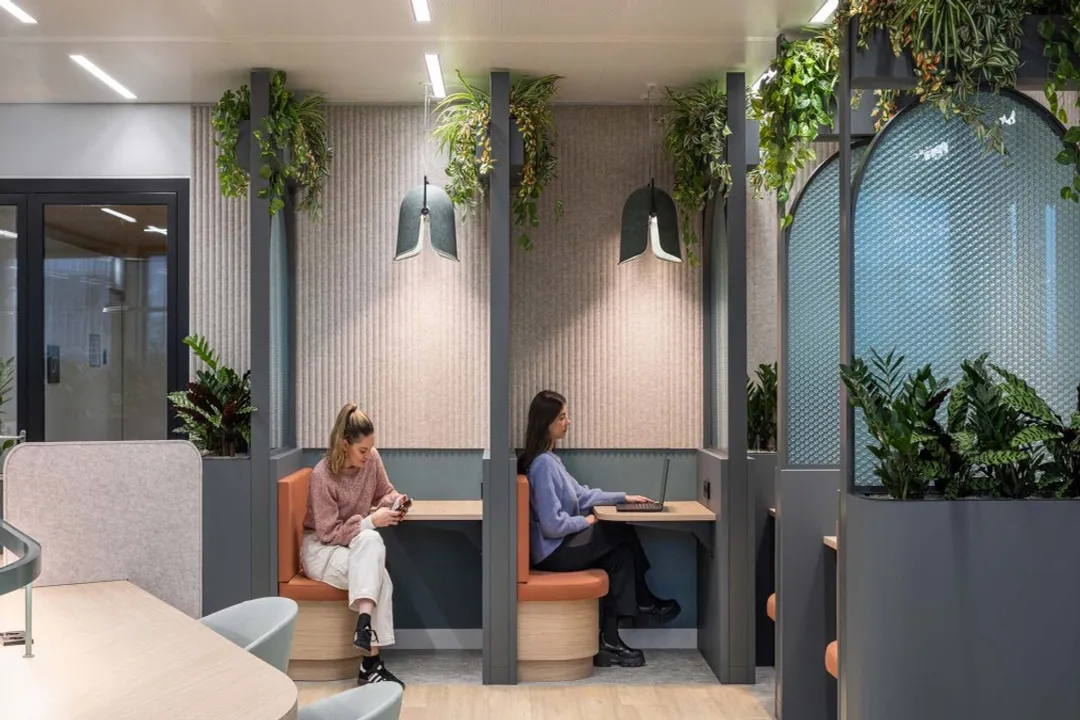
To truly understand how someone works within neuroaesthetics, one must look at the laboratory techniques employed to capture fleeting moments of appreciation or aversion. The core process involves presenting controlled visual, auditory, or other sensory stimuli to participants while meticulously monitoring their biological reactions. [1]
A key aspect of this research involves neuroimaging. Functional Magnetic Resonance Imaging (fMRI) is a common tool because it provides relatively high spatial resolution, showing where in the brain activity is concentrated when a person is looking at, say, a piece of abstract art or a particularly well-composed photograph. [1] Conversely, researchers often pair this with techniques like Electroencephalography (EEG), which offers superb temporal resolution—it can detect millisecond-level changes in electrical activity as the brain processes a visual shift, which is crucial when judging rapid aesthetic judgments. [1] Imagine trying to pinpoint the exact moment a viewer shifts from casual observation to genuine engagement with a painting; fMRI might show the active region, but EEG tracks the speed of that transition.
Beyond brain scanning, researchers look at peripheral physiology. This can include measuring heart rate variability, skin conductance response (a proxy for emotional arousal), and even eye-tracking technology to determine where attention is fixed within a composition. [1] By correlating these objective physiological outputs with subjective ratings given by participants—"rate this image from 1 to 10 on beauty"—researchers build models explaining aesthetic preference. [1] For those actively working in research settings, this often means lengthy periods of data acquisition, meticulous stimulus preparation, and complex statistical analysis to separate the noise of general cognition from the specific neural markers of aesthetic appreciation. [2][3]
# Design Translation
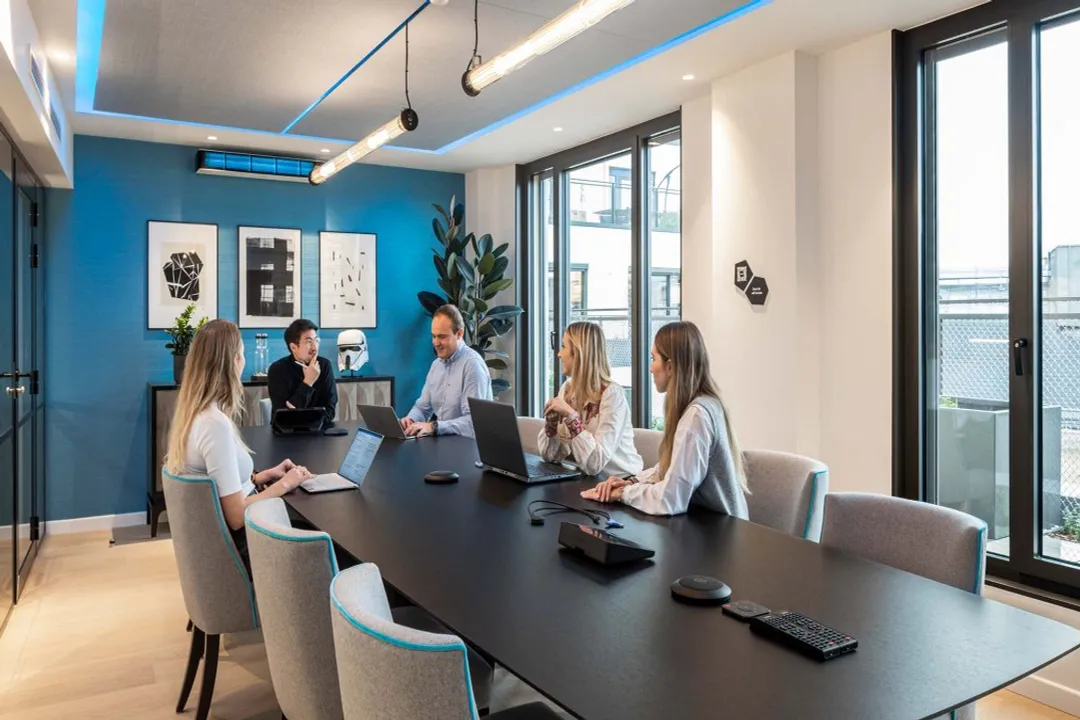
While much of the foundational work happens in academic labs, a significant way professionals work with neuroaesthetics is by translating these scientific findings into practical applications, most visibly in environmental design and architecture. [4][7] This is where the science moves from the scanner room to the office building or hospital ward. The objective here shifts from decoding abstract art to engineering spaces that actively promote well-being, focus, or recovery. [5][9]
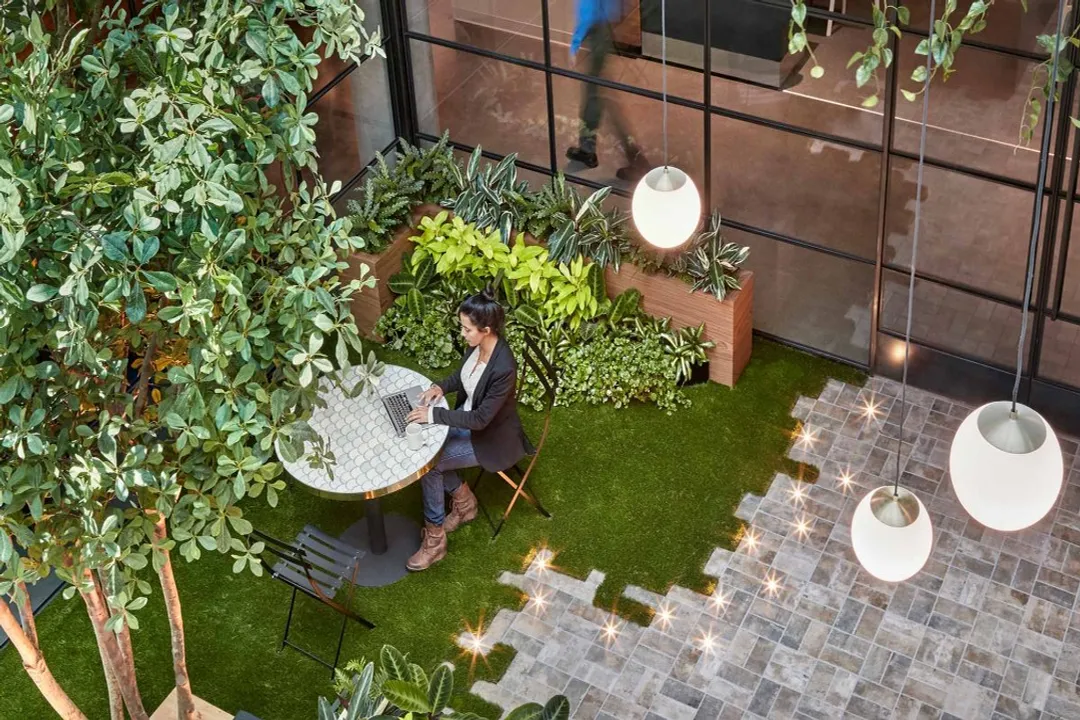
One area heavily studied is the role of fractal patterns in our environment. Studies suggest that patterns found frequently in nature, such as those in branching trees or coastlines, possess a specific fractal dimension that the brain processes easily, leading to a sense of calm and reduced stress. [4] Similarly, the incorporation of natural light and views of nature, often termed biophilic design, has been shown to enhance cognitive function and mood. [7] In a corporate setting, this isn't merely about adding potted plants; it’s about understanding the geometry and visual complexity that the visual cortex finds inherently satisfying. [7]
Consider this comparison table illustrating how neuroaesthetic principles might alter standard design choices:
| Design Element | Standard Approach (Potential Conflict) | Neuroaesthetically Informed Approach |
|---|---|---|
| Office Lighting | Uniform, bright fluorescent panels | Layered lighting mimicking natural daylight cycles [7] |
| Wall Texture/Pattern | Large, repetitive, high-contrast patterns | Subtle, organic, low-contrast patterns with inherent fractal qualities [4] |
| Open Space Layout | Maximizing density for cost efficiency | Incorporating visual resting spots and varied sightlines to reduce cognitive load [9] |
An insight for designers working with these concepts is understanding the limits of aesthetic appreciation. Too much visual complexity, even if natural, can overload attention networks. The application isn't just mimicking nature; it is applying the measured level of natural complexity that correlates with the lowest stress response in controlled settings. [1] Professionals in this domain often act as consultants, using data gathered from viewing studies to recommend specific materials, color palettes, or spatial arrangements for new builds or retrofits. [4][9]

# Clinical Integration
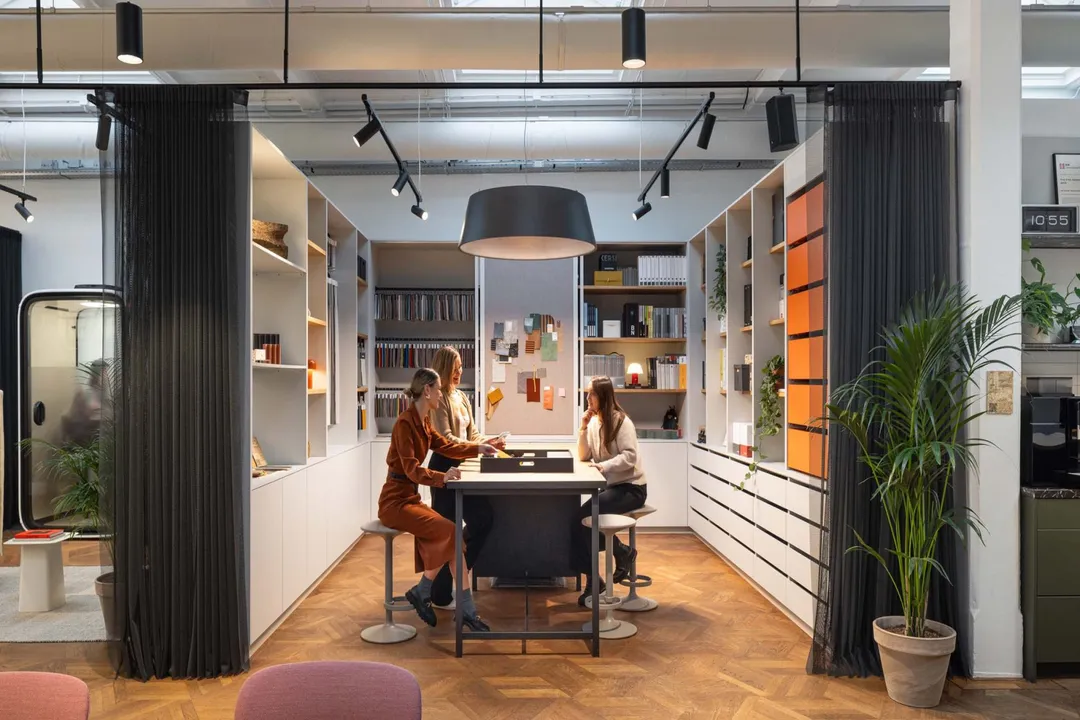
Another distinct avenue for working in this field is its application within clinical and healthcare settings, often referred to as aesthetic medicine or art and healing initiatives supported by brain science. [5] The understanding that visual environments impact patient recovery is powerful. When patients are stressed or in pain, their ability to heal is compromised. [5]
Neuroaesthetics provides the empirical foundation for designing waiting rooms, patient rooms, and recovery areas that actively soothe the nervous system. For instance, research might point toward specific color temperatures or degrees of visual softness that are proven to lower reported pain levels or decrease the need for certain sedatives. [5] Those working here might collaborate with hospital administrators and architects to procure specific types of art known to reduce anxiety, moving beyond simple decoration to prescribing visual stimuli based on measured neurological effect. [5] This is a trust-based application, relying heavily on peer-reviewed evidence to advocate for changes in costly healthcare infrastructure.
# Professional Pathways
The career path within neuroaesthetics varies widely depending on the focus. Some individuals commit to the rigorous academic track: pursuing advanced degrees in cognitive neuroscience or perception, followed by postdoctoral research centered on aesthetic judgment. [2] Their work is focused on refining the underlying theory—determining, for example, if aesthetic appreciation is a hardwired survival mechanism or a culturally learned trait. [1]
Others find their niche in industry or private practice. This often involves consultancy roles where expertise in both art/design and brain science is needed to advise on branding, product development, or environment creation. [2] A consultant might be asked to analyze the visual appeal of a new packaging design or test consumer response to different advertising layouts before launch. [1] In this capacity, the work requires not just scientific knowledge but also strong communication skills to bridge the gap between technical neuroimaging data and practical business decisions. [2] It demands an ability to explain complex findings—like which region of the visual cortex activates when viewing a specific shade of blue—in terms that influence material choices or marketing strategy. [2]
#Videos
The Artistic Brain: A Neuroaesthetics Approach to Health, Well-being ...
Related Questions
#Citations
Neuroaesthetics: Decoding the Brain's Love for Art and Beauty
Neuroaesthetics: Art & Design in Therapy
Work with us | Penn Center for Neuroaesthetics
Design That Feels: How Neuroaesthetics…
Neuroaesthetics: Bridging art and science to enhance clinical practice
7 Neuroaesthetics Principles to Transform Corporate Environments
Understanding the power of neuroaesthetics within workplace design
The Beauty of NeuroAesthetics - LinkedIn
Neuroaesthetics: The Science Behind Beautiful Spaces - Opulist
The Artistic Brain: A Neuroaesthetics Approach to Health, Well-being ...