How do you work in grid-scale storage?
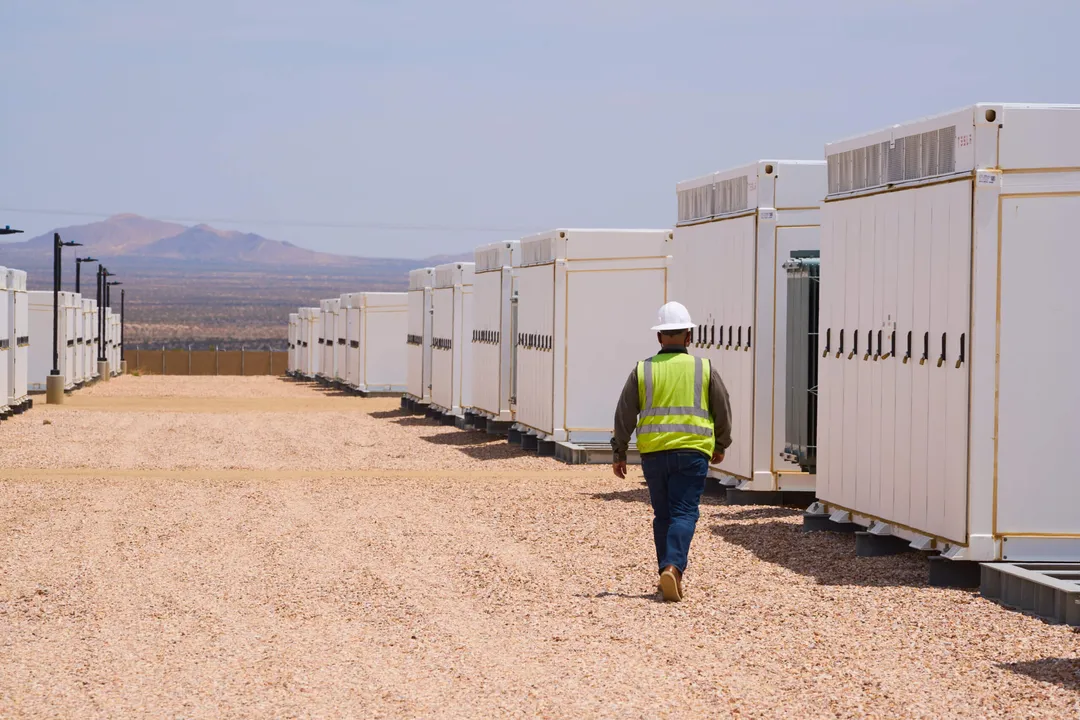
This is how electricity storage systems work to support the modern electric grid, moving beyond simple backup power to become active participants in balancing supply and demand across vast networks. Grid-scale storage refers to the deployment of large facilities designed to capture electrical energy when it is plentiful—often when wind or solar production peaks—and inject it back into the transmission and distribution system when needed, such as during evening peak demand. The operation itself is fundamentally about time-shifting electrons, but the complexity lies in the technology chosen and the multitude of services these assets provide instantaneously.
# Technology Variety
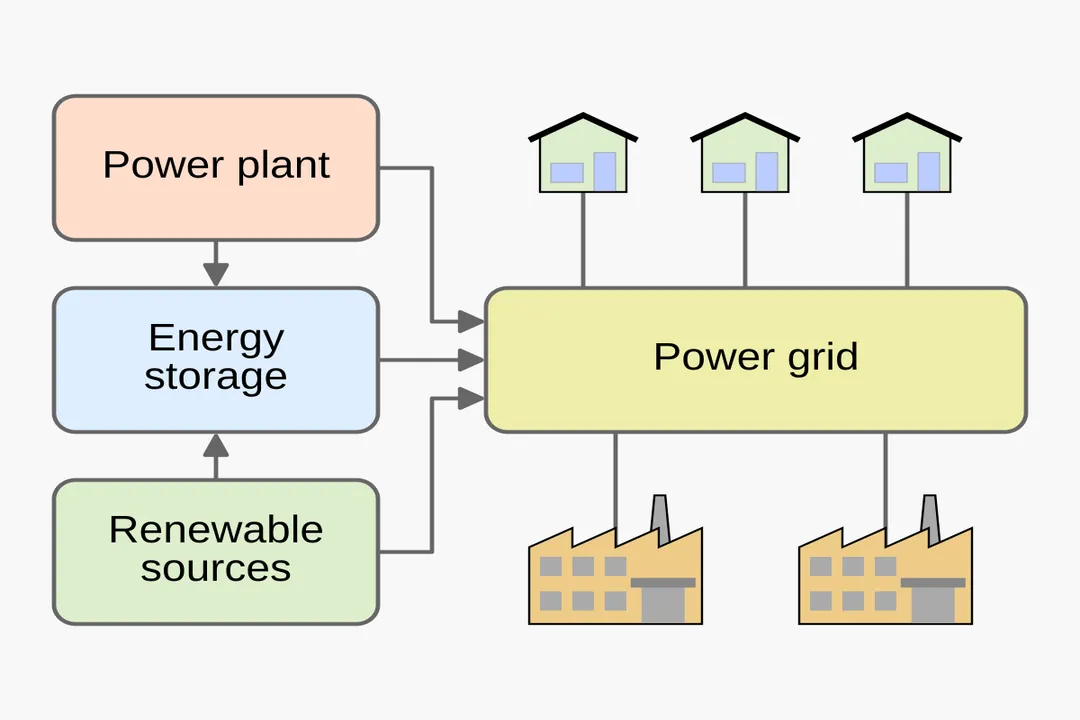
The spectrum of technologies employed in grid-scale storage is quite wide, although one type currently dominates new installations. The choice of technology dramatically influences the system's response time, duration capability, and physical footprint.
Pumped Hydro Storage (PHS) remains the largest source of grid-scale storage capacity worldwide. PHS involves moving water from a lower reservoir to an upper reservoir using electricity when supply is cheap or abundant. When power is required, the water is released back down, spinning a turbine to generate electricity. While PHS offers long duration (hours to days), its deployment is severely limited by geography, requiring suitable elevation changes and water availability.
Electrochemical storage, primarily using Lithium-ion batteries (Li-ion), has seen explosive growth recently. These systems are favored for their high efficiency, modularity, and extremely fast response times—often measured in milliseconds—making them excellent for frequency regulation and short-duration energy shifting. A typical battery energy storage system (BESS) configuration involves stacks of battery modules housed in containers, connected to a power conversion system (PCS) which manages the flow of DC power from the batteries to the AC grid, and vice-versa. The PCS utilizes inverters to convert the stored direct current (DC) electricity into alternating current (AC) suitable for grid injection.
Other systems, while less common today for primary grid stabilization, are being developed for specific needs. Compressed Air Energy Storage (CAES) stores air under high pressure in underground caverns or tanks, later releasing it to drive a turbine. Thermal energy storage involves using electricity to heat a material, like molten salt, which then releases heat to generate steam and drive a turbine later. Mechanical options also include flywheels, which store energy kinetically by spinning a rotor at high speed, ideal for very short bursts of power correction.
When comparing Li-ion to PHS, the core difference is flexibility versus scale and duration. Li-ion offers speed and siting flexibility but typically manages energy for 2 to 8 hours. PHS offers multi-day storage potential but is geographically fixed and slower to commission. Understanding this spectrum allows grid operators to select the right tool for the specific grid requirement.
# Power Flow Basics
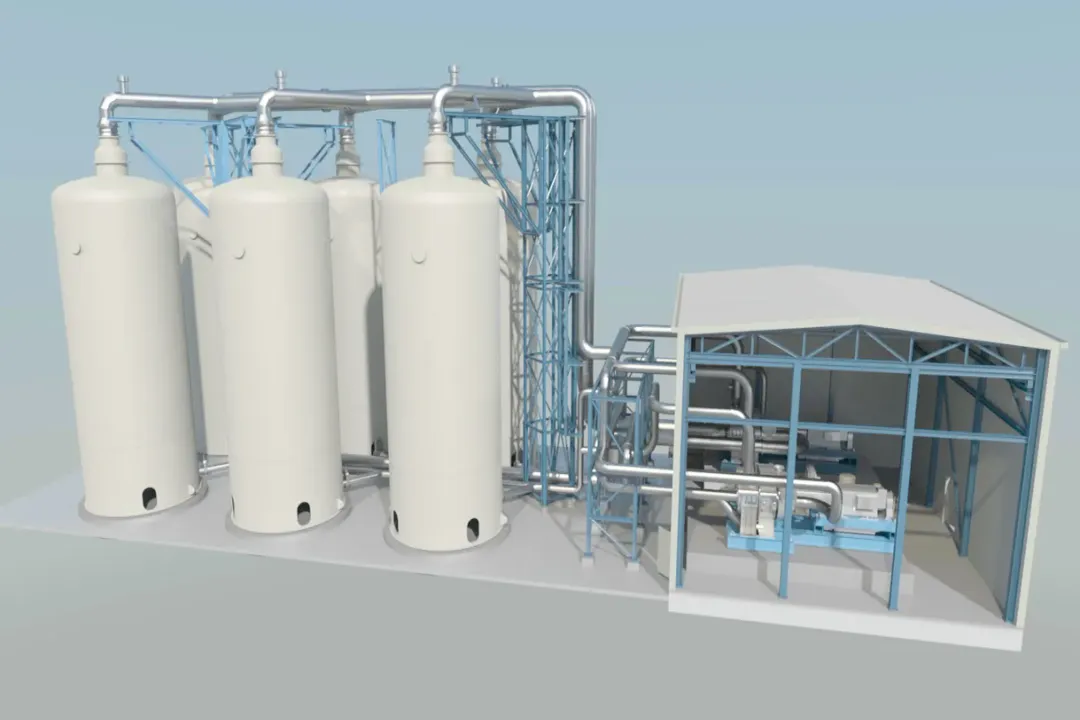
For a battery system, the process of working with the grid involves a continuous cycle managed by sophisticated control software. When the grid needs energy, the software signals the PCS to draw DC power from the battery racks. The PCS then inverts this DC power into the necessary grid-compatible AC power, matching the required voltage and frequency, and sending it out. This discharge cycle continues until the required energy is supplied or the battery reaches its lower safe state of charge.
Conversely, when there is surplus energy on the grid—perhaps midday solar generation exceeds immediate demand—the control system directs the PCS to pull AC power from the grid and convert it to DC to charge the battery modules. This charging phase replenishes the system's capacity. The system must constantly monitor its state of charge (SOC) to ensure it remains within optimal operating windows, preserving battery health and maximizing response readiness.
An insightful consideration for modern battery operation is the concept of "capacity reservation." Unlike a traditional generator that simply runs until it's shut off, a grid battery must often reserve a portion of its total capacity—say, 20%—to be available for emergency frequency response services, even if it is currently engaged in energy arbitrage (time-shifting). This means its usable capacity for economic charging/discharging is dynamically reduced based on real-time grid needs, a complexity managed entirely by the Battery Energy Management System (BEMS).

# Grid Services Provided
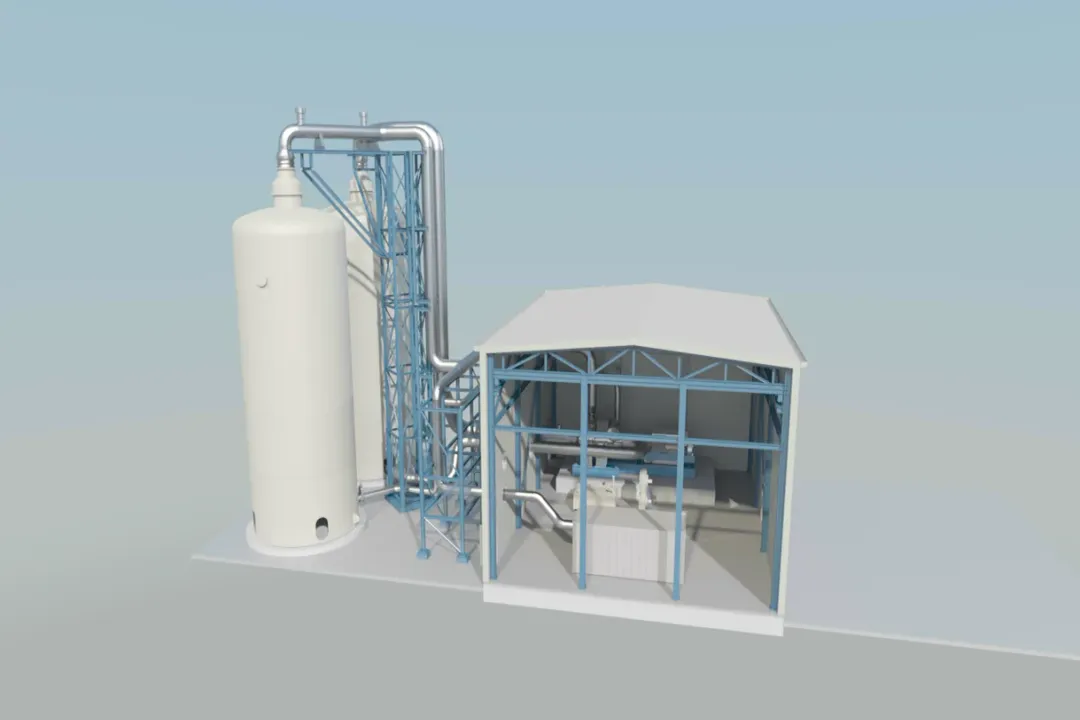
Grid-scale storage doesn't just store energy; it provides essential services that keep the alternating current (AC) system stable and reliable. These services are categorized based on how quickly they must respond and what aspect of grid health they address.
# Frequency Regulation
The grid must maintain a precise frequency (e.g., 60 Hz in North America) at all times. If load exceeds generation, the frequency dips; if generation exceeds load, it rises. Battery systems are unparalleled in their ability to respond to these minute fluctuations almost instantly. They can inject or absorb power within seconds, far quicker than traditional thermal plants, helping to arrest frequency deviations before they become system-wide problems. This quick action is known as primary frequency response.
# Voltage Support
Maintaining the correct voltage levels across transmission lines is another critical function. Storage facilities can quickly inject or absorb reactive power, which helps manage local voltage profiles, especially important near large, intermittent renewable energy sources.
# Energy Arbitrage
This is perhaps the most straightforward function: buying low and selling high. During periods of low demand or high renewable output (often midday or overnight), the system charges. During high-demand periods (like hot summer evenings when air conditioning use spikes), the system discharges, effectively displacing the need to fire up expensive, fast-ramping "peaker" power plants. This capability directly supports the integration of more variable renewables by soaking up excess production that would otherwise be curtailed (wasted).
# Economic Drivers
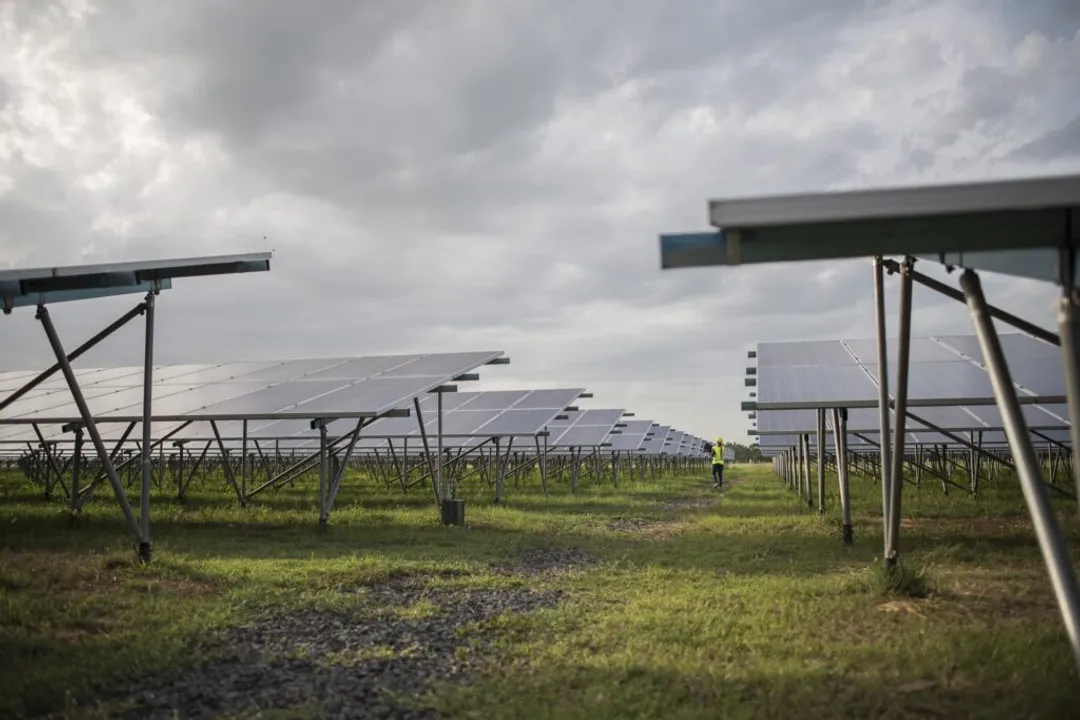
The viability of grid-scale storage hinges on economics derived from several revenue streams, often layered together to justify the significant upfront capital cost of the installation.
One major stream is capacity payments and ancillary service markets. Operators get paid simply for having the resource available to provide fast response services, even if they aren't actively discharging power at that moment. Revenue is also generated through energy arbitrage, as detailed above, capturing the price differential between low and high energy markets.
In areas with high penetration of solar and wind, storage becomes increasingly valuable because it directly solves the intermittency problem. Without storage, a grid might have to curtail thousands of megawatts of clean solar energy at noon just because the transmission lines or local load cannot handle it, leading to wasted clean power. Storage captures that otherwise wasted energy, turning a system liability (curtailment) into a profitable asset.
For example, consider a region where a large solar farm is located far from the city center. If building a new, high-voltage transmission line to carry that midday power is prohibitively expensive or faces regulatory delays, deploying a large battery system closer to the city can effectively "transmit" the stored energy later when it's needed most, acting as a virtual transmission asset.
# Building Resilience
The deployment of these storage assets contributes significantly to overall grid resilience, which is the ability of the system to recover quickly from disturbances, whether they be weather events or equipment failures. When a major conventional power plant trips offline unexpectedly, the sudden loss of generation can cause a rapid frequency drop, leading to cascading failures. A localized BESS can inject power almost instantly to cover that gap, providing a vital buffer while slower-responding power plants spool up.
If storage is geographically distributed across the transmission and distribution networks, it can also provide targeted voltage support and localized backup, reducing the load on vulnerable long-distance lines. Furthermore, for microgrids or islanded systems, storage is key to maintaining power quality when disconnected from the main grid during a widespread outage.
# Scaling and Future Work
Grid-scale storage is rapidly moving from niche applications to core infrastructure. The current trend shows a clear progression toward longer-duration systems beyond the standard four-hour battery duration. While Li-ion excels at fast response and short duration, long-duration storage (LDS), which could mean 10, 50, or even 100 hours of capacity, is the next major goal for achieving deep decarbonization. LDS would allow grids to ride through multi-day weather events where renewable production is low across the board—what some call "the dark doldrums".
The path forward requires significant advancements in chemistry, material science, and system integration. New chemistries, like flow batteries or iron-air batteries, are being examined for their potential to offer lower costs per kilowatt-hour for long-duration applications, even if their charging/discharging efficiency or power density is lower than current Li-ion standards. The work happening now involves testing these emerging technologies at pilot scale and refining the operational algorithms to maximize asset life while meeting stringent grid performance metrics.
It is an ongoing effort that requires coordination between utility operators, regulators, and technology developers to establish standardized market rules that appropriately value the diverse set of capabilities these systems bring, ensuring that they are deployed where they provide the greatest system benefit, not just the cheapest energy arbitrage. For instance, if a utility invests in a storage asset primarily for ancillary services, the regulatory structure must ensure that revenue stream is secure enough to justify the investment in specialized, high-performance hardware designed for quick cycling, which might degrade faster than a battery only used for simple daily charge/discharge cycles. This nuanced economic modeling is as crucial to "how grid storage works" as the chemistry inside the cells themselves.
#Videos
Grid Scale Battery Storage Explained - YouTube
Related Questions
#Citations
[PDF] Grid-Scale Battery Storage: Frequently Asked Questions - NREL
Grid Scale Battery Storage Explained - YouTube
Energy storage - IEA
Grid Scale Battery Storage 2025: Ultimate Guide & Outlook
Grid-Scale Battery Storage Is Quietly Revolutionizing the Energy ...
How Does Utility-Scale Battery Storage Work? - Arevon
Grid energy storage - Wikipedia
The GridScale technology explained | Stiesdal
How Grid-Scale Storage Creates More Resilient and Reliable Power ...
Maximizing Renewable Energy With Grid Scale Storage Solutions