How do you work in green shipping fuels?
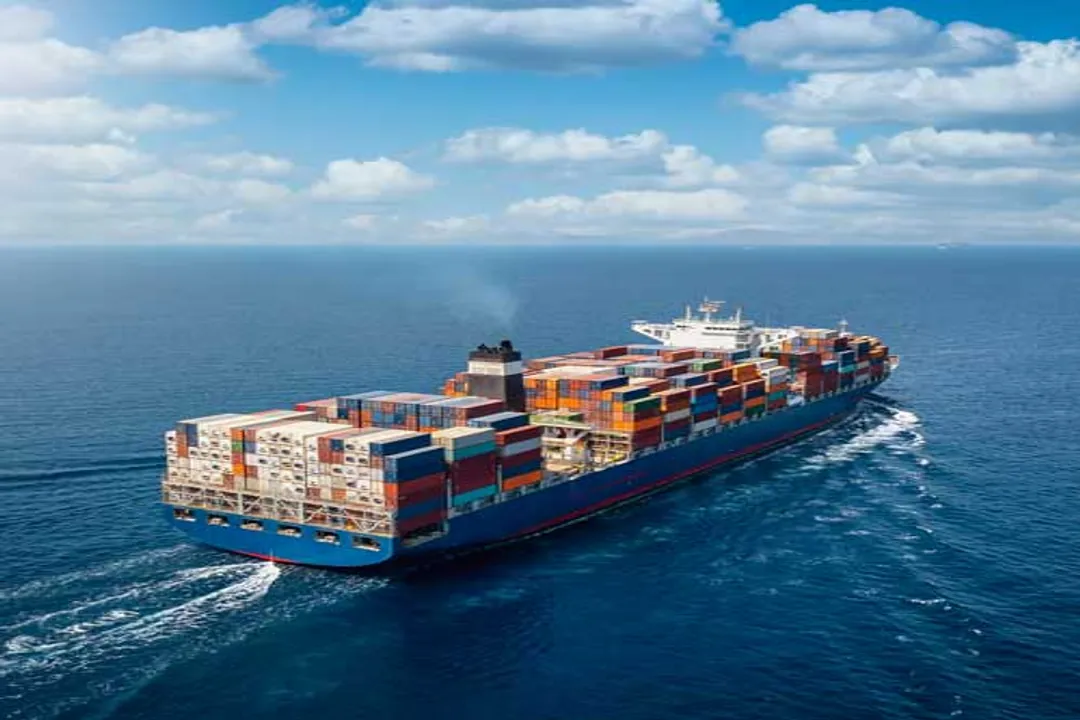
The transition to green shipping fuels is not a single technological switch; it is a massive, multi-faceted engineering and operational overhaul touching every aspect of maritime trade. Successfully working within this evolving sector means engaging with chemical engineering, new propulsion systems, complex bunkering logistics, and specialized crew training protocols that did not exist a decade ago. [2][4] The objective is clear—achieving zero emissions—but the path involves navigating a landscape where several potential zero-emission fuels are competing for dominance, each presenting unique handling and storage demands. [6][10]
# Fuel Candidates
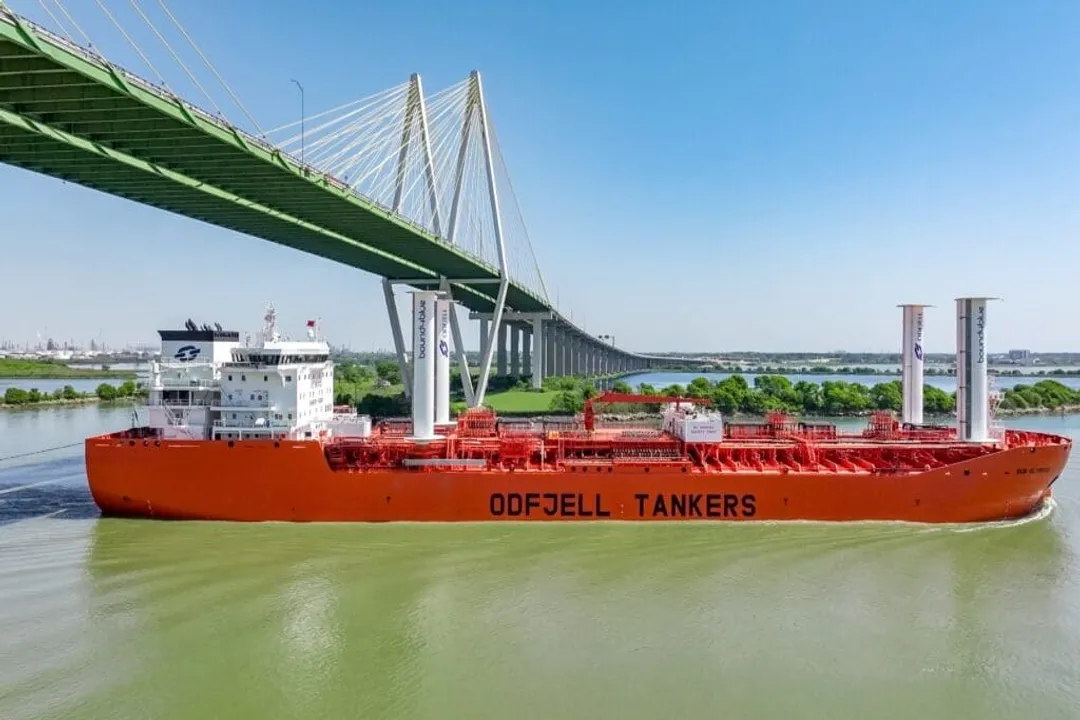
The current industry consensus points toward several candidates capable of achieving zero emissions when produced using renewable energy, often termed e-fuels or green fuels. [5] The work involved often centers on which of these fuels a company commits to: green methanol, ammonia, or hydrogen. [6][8]
Green methanol, for example, is often favored due to its relative ease of handling compared to other options. It can be stored as a liquid at ambient temperatures and pressures, requiring only modest cooling, and it is compatible with existing fuel transfer systems to a greater extent than cryogenic fuels. [6][9] This compatibility lowers the immediate hurdles for shipyards and operators looking to convert existing fleets or design new vessels.
Ammonia, conversely, is seen as a strong contender because it contains no carbon, meaning its combustion produces zero . However, working with ammonia requires specialized expertise because it is highly toxic and must be stored under pressure or refrigeration, which adds complexity to vessel design and port infrastructure. [6][8] Furthermore, while it produces no , its combustion releases nitrogen oxides (), necessitating the development and integration of advanced abatement technologies into the engine and exhaust systems. [2]
Hydrogen, while possessing the cleanest theoretical profile, presents the greatest current engineering challenge due to its extremely low volumetric energy density, requiring either high-pressure tanks or cryogenic liquefaction, which consumes significant onboard energy. [9] For engineers designing deep-sea vessels, the trade-off between the high energy density of carbon-based fuels and the storage penalty of hydrogen remains a central design constraint.
# Engine Work

The most immediate technical challenge involves the propulsion system itself. The work here moves past simply selecting a fuel to actively engineering how that fuel interacts with the machinery. [2] Much of the current development focuses on dual-fuel engines—power plants capable of running on a conventional fuel (like marine gas oil) and the new green alternative, providing operational flexibility during the transition period. [2][9]
For propulsion specialists, this means designing or adapting combustion chambers to handle the different flame speeds and energy release characteristics of methanol or ammonia versus traditional heavy fuel oil. For instance, in a methanol engine, engineers must ensure stable combustion across varying load conditions, mitigating risks like engine misfires or instability associated with burning fuels that ignite differently. [2]
A key area of work is the integration of these new systems into existing ship architecture. While building new vessels around these fuels is ideal, a significant portion of the work involves retrofitting older ships. [2] This task requires naval architects to find space—often a premium on existing hulls—for larger, stronger fuel tanks and associated piping, ventilation, and safety systems. For a vessel already operating near its stability limits, adding substantial, heavy fuel tanks on deck or in new segregated holds requires meticulous calculation to maintain safe trim and stability margins. [2]
A subtle but critical engineering consideration is managing fuel-to-power interfaces, particularly when moving from a carbon-based fuel to a carbon-free one. The work isn't just swapping the fuel source; it's recognizing that the heat rejection profile, the vibration signatures, and the material compatibility of every component downstream of the tank—from pumps to injectors—must be revalidated for the new medium. This deep systems integration requires cross-disciplinary teams familiar with both marine engineering standards and the unique chemical properties of the chosen green fuel. [2]

# Bunkering Shift

Working in green shipping fuels requires shifting focus from simply fueling a ship to establishing an entirely new bunkering infrastructure. [4] Ports and terminals must adapt to handle, store, and transfer large volumes of new, often hazardous, substances safely and efficiently. [6]
For the engineers involved in this infrastructure side, the tasks are substantial:
- Storage Design: Designing terminals to safely store large quantities of refrigerated liquid ammonia or methanol, requiring specific insulation, venting, and leak detection systems different from traditional oil storage. [2][6]
- Transfer Systems: Developing specialized ship-to-shore transfer arms and piping that can safely handle the required temperatures and pressures, while ensuring compliance with international safety standards for toxic or flammable cargo. [2]
- Supply Chain Certification: A major component of the "green" aspect involves ensuring the fuel itself is genuinely low-carbon. Professionals in this area work on establishing verifiable Chain of Custody protocols to track the fuel from its renewable energy source (e.g., solar or wind farm) through production, transportation, and final delivery to the ship, ensuring that the fuel burned is truly green methanol or green ammonia. [1][5]
# New Operations
Once the ships are built and bunkering stations are established, the focus shifts to the how of daily maritime operations. Working in this realm means developing entirely new operational procedures and training matrices. [2]
Crew competence is paramount, particularly when dealing with fuels like ammonia. Training must move beyond general safety to specialized knowledge regarding ammonia's toxicity, its lower explosive limits, and emergency response procedures for handling leaks, which requires different extinguishing agents and ventilation strategies than traditional spills. [2][8]
Furthermore, the performance characteristics affect route planning. While a traditional ship might plan voyages based on maximum bunker capacity and known consumption rates, a green-fueled vessel might have to account for the lower energy density of its fuel or the efficiency trade-offs inherent in dual-fuel operation. [2] Maritime planners must integrate real-time data on fuel availability at potential ports of call—which will initially be scarce outside major hubs—into their voyage optimization software. This requires a new level of coordination between commercial scheduling and technical fuel management.
# Decarbonization Market
The transition is driven by massive investment needs and regulatory pressure. BCG estimates that the transition to net-zero shipping presents a $10 billion opportunity in the coming years, highlighting the sheer scale of the transition required across technology, fuel production, and financing. [4] Working in this space often involves navigating regulatory drivers like those aimed at maritime decarbonization, which often involve emissions trading schemes or efficiency mandates. [10]
For business developers and strategists, the work involves de-risking investments in new fuel production facilities. Because the operational data from large, ocean-going green-fueled vessels is still emerging, investors face uncertainty regarding the future cost and scalability of green fuels like e-ammonia or e-methanol. [6] Therefore, a significant professional activity involves structuring offtake agreements—long-term contracts between fuel producers and shipping companies—to secure demand and make the massive upfront capital expenditure for new fuel production plants bankable. [4]
The regulatory environment itself is a dynamic workplace. Organizations must track mandates from bodies aiming for net-zero shipping, understanding how impending rules on energy efficiency or reporting will affect charter agreements and vessel deployment strategies globally. [1][10]
When considering the shift in investment, one can observe a divergence in funding focus. Ship operators are primarily focused on capital expenditure for vessel conversion and new builds—the hardware of the transition. [2] Meanwhile, energy companies and infrastructure investors are pouring capital into the supply side—securing renewable power purchase agreements (PPAs) to ensure the fuels are truly green and affordable. [1][5] This split in capital focus means that success in working within this field often requires expertise in both industrial project finance and maritime asset management.
#Videos
Getting onboard the green shipping revolution - YouTube
The Green Shipping Fuel Everyone's Betting On (But Might Regret)
Related Questions
#Citations
Green Shipping Fuels | Green Hydrogen Organisation
VPS: How to Engineer and Manage Green Shipping Fuels
Getting onboard the green shipping revolution - YouTube
Zero-emission fuels: The future of green shipping
The Green Shipping Fuel Everyone's Betting On (But Might Regret)
Zero-emission shipping fuels: A guide to methanol and ammonia
The $10 Billion Opportunity in Green Shipping | BCG
Alternative fuels in shipping: a guide to green potential - Bound4blue
Maritime Decarbonization - RMI