How do you work in digital laboratories?
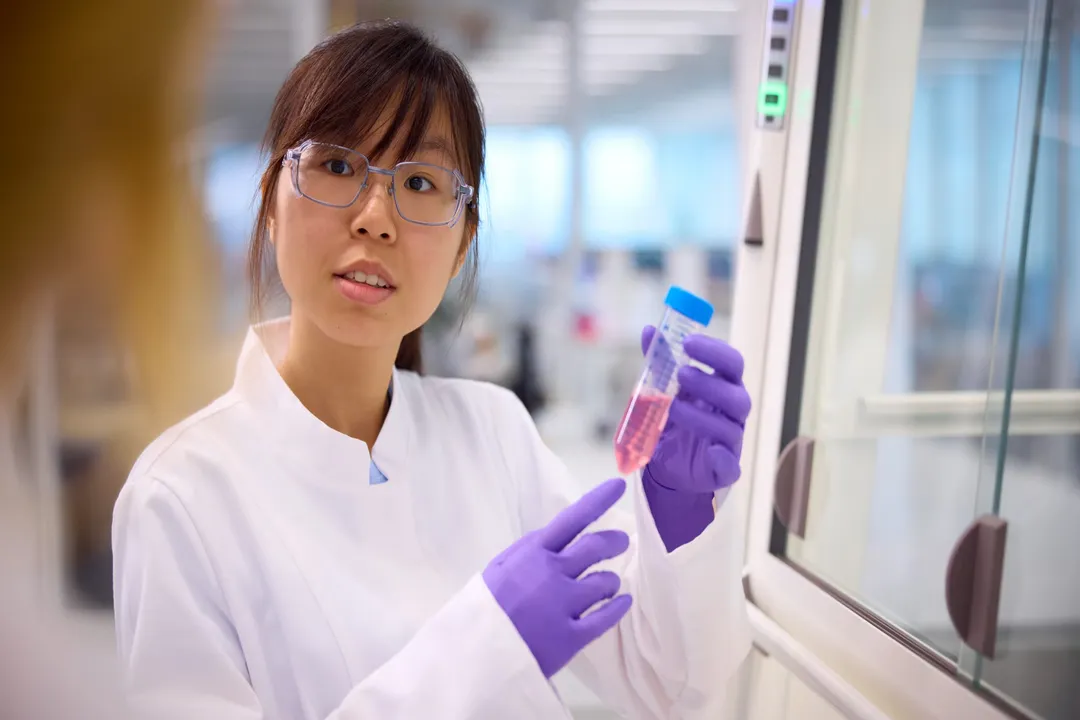
The shift to a digital laboratory signifies a fundamental change in how scientific and technical work is conducted, moving away from siloed, manual processes toward interconnected, automated systems. [7] This transformation, sometimes referred to as Lab 4.0, involves digitalizing virtually all operations, including supply chains, personnel workflows, and instrumentation. [7] In essence, working in a digital laboratory means interacting with a connected ecosystem where data flows freely, allowing staff to concentrate on analysis and innovation rather than repetitive physical tasks. [3][4][9]
# Defining Digitality
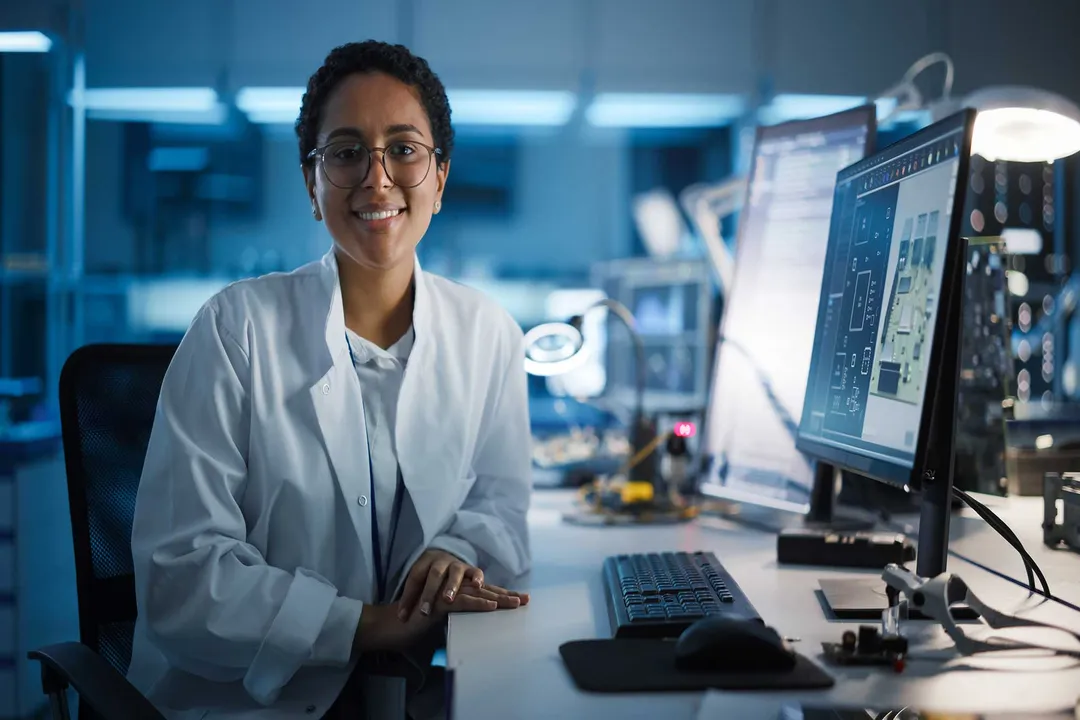
A digital lab is characterized by processes and workflows that are nearly entirely digital, achieved when lab instruments, information systems, and data management are integrated and automated using targeted technological solutions. This contrasts sharply with legacy approaches that rely on manually recording data or keeping paper records, or even semi-digital setups where data remains inaccessible and prone to error due to a lack of overall workflow overhaul.
For software testing, this concept translates into controlled, cloud-based environments, or Digital Labs, that allow testers to access a wide array of real devices and browsers through an automation interface. [2] This setup guarantees service uptime and availability, supporting agile development by verifying real-time results across numerous configurations without requiring the acquisition and maintenance of physical hardware. [2] In the life sciences and diagnostics sectors, the digital lab unifies data management and workflow automation for multimodal scientific discovery. [7] It creates a continuous digital thread through the entire process, from sample input right through to final reporting. [9]
# Workflow Changes
Working in this digitized environment fundamentally reconfigures daily tasks, often by streamlining three key areas: data management, process orchestration, and enterprise resource optimization. [9]
# Data Handling
In a traditional setting, data integrity is constantly threatened by manual entry, duplication, or loss of original results. In the digital laboratory, attribution data—knowing exactly where, when, and by whom data was generated—is automatically captured and preserved. This automated entry records data in the moment, removing the risk of human error associated with transcribing figures from printouts or paper logs.
For instance, in a quality control laboratory setting, tasks that once required significant manual oversight, such as creating and updating calculations for new test methods within platforms like Empower, can now be managed through integrated systems. [5] Furthermore, the infrastructure itself is monitored; consumables can be tracked so they are resupplied before depletion, and digital log events can be scrutinized during auditing to ensure compliance with Standard Operating Procedures (SOPs). [7][9]
If we consider the transition from manual to automated data capture, the nature of a lab analyst’s time allocation shifts dramatically.
| Activity | Traditional Lab (Estimated Time) | Digital Lab (Estimated Time) | Primary Change |
|---|---|---|---|
| Manual Data Entry/Transcription | 30–40% | < 5% | Automated capture via instrument integration |
| Troubleshooting Workflow Errors | 10–15% (Intuition-based) | 5–10% (Data-driven alerts) | Proactive alerts and retrospective analysis |
| Instrument Setup/Calibration | 15–20% | < 5% (Template/Protocol recall) | Remote configuration and standardized digital protocols |
| Core Scientific Analysis/Review | 25–35% | 60–80% | Increased focus on high-value interpretation |
This shift means that personnel spend less time on low-value, repetitive steps and more time on complex problem-solving, which is the true value proposition of scientific expertise. [4][9]
# Testing Scenarios
For software quality assurance (QA) teams, working in a digital lab means abandoning the need to physically acquire and manage hundreds of devices. [2] Instead, testers select a specific device-browser-OS combination via a cloud interface. [2] They can then interact with the application live, checking visual elements, performance, and functionality as a real end-user would. [2] A critical advantage here is the ability to simulate real-world conditions that are difficult to replicate in-house, such as low battery strength or poor network availability. [2] Furthermore, these environments often support parallel testing, enabling hundreds of tests to run concurrently, drastically accelerating the time-to-market for software releases. [2]
In clinical and diagnostic settings, a key operational change involves simplification before technology adoption. [6] For example, one diagnostic lab found that by unifying previously separated teams responsible for order entry, sample distribution, and troubleshooting, they could establish a smoother path for sample processing. [6] Only once this foundational simplification was achieved did the introduction of digital tools yield maximum benefit, supporting a linear workflow where every sample followed a streamlined path. [6] This data-driven approach allowed them to identify bottlenecks, such as the inefficient prioritization of emergency tests, leading to measurable improvements like cutting routine test turnaround time by nearly 50 percent. [6]

# Culture and Staffing Roles
The implementation of a digital lab is as much about culture as it is about code or hardware. [4] The success of the transformation hinges on evolving the organizational culture to embrace transparency, inclusion, and openness. [4]
# Managing Change
A major barrier to digitalization is change management—getting everyone on board with a total overhaul of established processes and workflows. If digitalization is framed as surveillance or a threat to job security, resistance will inevitably arise. [6] Successful implementation, therefore, requires strong top-down support coupled with clear, honest, and bidirectional communication. [4] Staff must understand that the new tools are intended to support them and remove time-consuming repetitive work, freeing them for more creative tasks. [4] In one documented case, management attributed up to 70 percent of the project’s success to effective change management. [6]
When transparency is shared, staff move from being passive participants to active problem-solvers. In a digital diagnostic lab where technicians have access to live monitoring dashboards showing system status and sample delays, an employee can spot an inefficiency and immediately report it, prompting a system update that prevents future recurrence. [6] This builds trust and ownership across the team. [6]
# Evolving Expertise
The roles within the lab evolve to require new competencies. While physical lab analysts remain essential, their work becomes augmented by informatics and systems management. [5][9] In the pharmaceutical testing environment, a Specialist in Integrated Digital Labs is responsible for evaluating new product introductions (NPIs), coordinating test method transfers, and implementing software improvements across systems like SampleManager and Empower. [5] This suggests a new requirement for scientists to possess strong oral and written communication skills to interface between the technical implementation team and the end-users. [5]
Even within the specialized field of digital forensics, entry-level work often begins with foundational tasks like imaging hard drives and managing paperwork, but the ultimate goal involves mastering knowledge of advanced systems like DLP/EDR/XDR/UEBA. [1] The path often involves working under experienced mentors until one earns specialized certifications. [1] This illustrates a general principle: while automation handles execution, the human element focuses on system architecture, integration, and high-level analysis.
It is important to acknowledge that this change creates an initial "activation energy," where additional resources and energy are spent at the start of implementation before the positive effects become measurable. Budgeting plans must account for this initial dip in perceived efficiency, or short-term reviews may unfairly penalize the strategy. [4]
# Navigating the Transition
Whether one is moving a software QA setup to a cloud-based real device cloud or transforming a core chemistry lab, the path to digitalization requires strategy, not just technology purchases. [2][4]
# Planning and Piloting
A systematic approach is crucial. The process begins with a thorough Assessment of the current state, mapping out all data flows, processes, and existing digital systems (like LIMS or ELN). [4] Special attention should be paid to identifying bottlenecks—processes requiring manual input—and redundancies. [4] This assessment informs the definition of SMART goals (Specific, Measurable, Attainable, Realistic, Time-bound), such as automating data transfer between instruments and storage by a certain deadline. [4]
The strategy should then move to implementation on a pilot scale. [4] Starting small allows the organization to test the technology and, perhaps more importantly, measure the cultural change resulting from the new tools. [4][9] Following the pilot, a rigorous revision phase is necessary to analyze both performance reports and crucial user feedback before gradually expanding the strategy across other departments. [4] Prioritizing departments that are already more digitally-oriented in the early expansion phases can create internal ambassadors to help train and support later adopters. [4]
# Technical Considerations
Technically, a key challenge in the physical lab environment is formatting difficulties; getting instruments from various providers to communicate is often tricky. A recommendation is to aim for a technology-agnostic middleware or an integration platform (iPaaS) that can convert disparate data formats into a common structure for easy transfer across all connected systems. [9] While LIMS and ELN solutions are useful, they often do not provide the deep integration features needed to harmonize the entire lab ecosystem.
When considering the delivery method, the choice often comes down to building an in-house lab versus subscribing to a cloud service. [2] In-house labs incur prohibitive costs related to purchasing, maintaining, and constantly refreshing the hardware fleet, plus ongoing overhead for IT staff, space, and utilities. [2] For example, maintaining mobile devices solely for continuous automated testing might require replacement every nine months, adding significant operational strain. [2] Cloud-based digital labs offer better scalability, easier upkeep, and lower initial investment by shifting infrastructure costs to a usage-based subscription model, making them feasible even for smaller operations. [2]
Ultimately, working effectively in a digital laboratory means operating within a unified ecosystem. This ecosystem supports the central goal: moving beyond simply collecting data to optimizing data use through advanced analytics, including Artificial Intelligence (AI) and Machine Learning (ML), to reveal unforeseen insights and drive continuous performance improvements. [7][9] The modern digital lab is not a destination but an ongoing, data-informed feedback loop where technology supports, but does not replace, human expertise. [6]
#Videos
Digital Lab Solutions: Overview - YouTube
Related Questions
#Citations
Digital Lab Solutions: Overview - YouTube
The 10-Step Guide to Digitalizing Your Laboratory - BioSistemika
What is a Digital Lab and its Importance for Enterprises | BrowserStack
What is a Digital Lab? - Dotmatics
How Do I land an Entry Level Digital Forensics job? - Reddit
Specialist, Integrated Digital Labs job in North Chicago, IL | AbbVie
Real-world lessons for the digital lab - Roche Diagnostics
Digital Lab: Recommendations for Success - Scitara
Realizing the Digital Lab Today