How do you become a space systems engineer?

The path to becoming a space systems engineer requires a careful blend of deep technical knowledge and a broad, integrated perspective, essential for navigating the complexities of designing and managing missions beyond our atmosphere. This specialized field is distinct because it demands an understanding of how all the individual components of a spacecraft or mission—from propulsion and power to communication and thermal control—must work together flawlessly in the unforgiving vacuum of space. [2] It is an endeavor rooted in engineering disciplines but elevated by a focus on the whole system lifecycle.
# Initial Education Paths
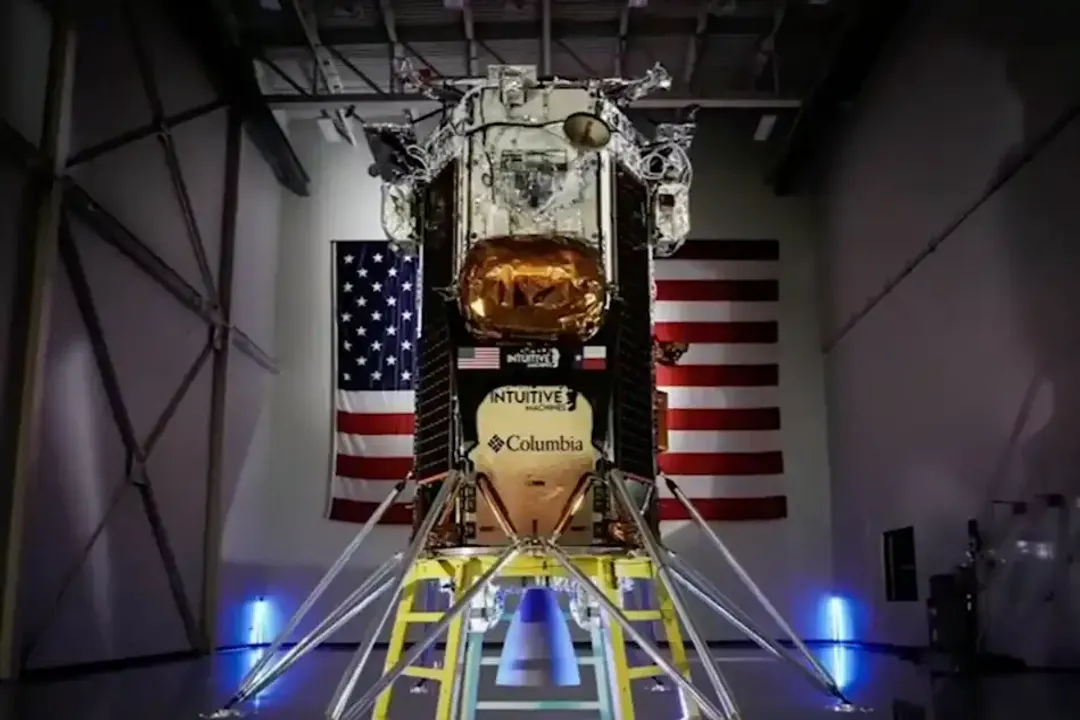
For those first entering the field, there are several distinct educational starting points, depending on whether one is aiming directly for a specialized undergraduate degree or building upon a foundational engineering background. Some institutions offer a Bachelor of Science (BS) degree specifically named Space Systems Engineering, providing a dedicated curriculum from the outset. [3] This direct route ensures that core space-related concepts are integrated throughout the four years of study.
Alternatively, a common entry point, especially if a dedicated BS program isn't available locally or desired, involves pursuing a more traditional engineering degree and then augmenting it with specialized knowledge. Penn State, for instance, offers an undergraduate certificate in Space Systems Engineering. [7] This approach allows a student to earn a degree in a core area like Electrical or Aerospace Engineering while simultaneously gaining focused expertise in the systems aspects of space technology through targeted coursework. [7] This blending of a broad engineering foundation with specific space systems knowledge can be very effective for career flexibility early on.
When considering the required background, the Reddit community often reflects on the practicality of their existing engineering degree. Many aspiring space professionals come from a background in Mechanical Engineering, suggesting that a solid grounding in fundamental mechanical principles is highly valued, even if the final role is systems-focused. [1] The key takeaway here is that a rigorous, accredited engineering education is the non-negotiable first step.
# Graduate Specialization
For many, the specialization truly crystallizes at the graduate level, where programs are often tailored to experienced engineers or those seeking deep technical mastery. Several universities offer Master of Science (MS) degrees focused entirely on Space Systems Engineering. [5] These programs build upon prior engineering work, diving into advanced topics necessary for mission architecture and large-scale project execution. Utah State University, for example, provides an MS in Space Systems Engineering, suggesting an emphasis on systems integration and mission assurance. [5]
Embry-Riddle Aeronautical University also offers a Master’s program in Space Systems, indicating a focus within an institution known for aerospace expertise. [6] In certain cases, the specialization may be integrated within a broader engineering discipline. The University of New Mexico (UNM), for instance, provides an online Master of Science in Mechanical Engineering (MSME) that includes a specialization pathway in Space Systems. [8] This structure suggests that while the core is ME, the required electives and research focus shift the graduate toward systems integration within the aerospace context. [8]
Furthermore, institutions serving specialized national needs offer relevant advanced education. The Air Force Institute of Technology (AFIT), for example, maintains a portfolio of programs addressing space systems engineering, often geared toward government, defense, and national security applications, which implies rigorous, high-stakes engineering standards. [4] Johns Hopkins University's Engineering Programs (EP) also features space systems engineering, often highlighting the need for systems thinking that bridges complex technological domains. [2]
An important consideration for prospective students is the delivery method. The availability of online options, as seen with UNM’s program, [8] allows working engineers to pivot or advance their careers without leaving their current positions, which can be vital for staying current in a rapidly evolving technical field.

# Defining the Systems Engineer Role
What, exactly, does a space systems engineer focus on, beyond just the name of the degree? The core function revolves around systems thinking. [2] This means they are less focused on being the world's foremost expert in a single component—like a specific type of antenna or a particular alloy for a structure—and more focused on how that antenna communicates with the ground station, how the structure handles launch loads, and how the entire satellite fits within the mission budget, timeline, and operational constraints. [2]
Their responsibilities generally span the entire mission lifecycle:
- Requirements Definition: Translating a high-level need (e.g., "take a picture of Jupiter") into precise, measurable engineering specifications for every subsystem.
- Architecture Selection: Deciding on the overall makeup of the system—is it one large satellite or a constellation of small ones? What orbits are feasible?
- Integration and Verification: Ensuring that the various subsystems built by different teams fit together electrically, mechanically, and functionally, and then rigorously testing that integration.
- Risk Management: Identifying potential points of failure across the entire system and developing mitigation plans.
This role requires technical fluency across multiple domains: orbital mechanics, electrical engineering, mechanical design, software interfaces, and mission operations. It is a role that sits at the intersection of how things are built and why they are built that way.
# Essential Skillset Development
To transition into this demanding field, aspiring engineers must cultivate a particular blend of hard and soft skills. The hard skills are generally rooted in the foundational engineering coursework—things like dynamics, materials science, and basic circuitry. [3][7] However, the systems emphasis adds unique requirements.
Technical Competencies:
- Modeling and Simulation: The ability to create digital representations of the system to test behaviors before physical hardware is built is paramount. This involves knowing simulation tools used for thermal, structural, and orbital analysis.
- Interface Control: Mastering documentation that precisely defines the "contract" between two subsystems (e.g., the exact power draw required by one unit and the exact voltage supplied by another).
- Reliability Engineering: Understanding failure modes, redundancy implementation, and how to design for the extreme longevity and harsh environments of space.
Soft Skills (Critical for Systems Work):
- Communication: A systems engineer acts as a translator between highly specialized sub-teams (e.g., software developers and propulsion experts). Clarity in documentation and verbal exchange is non-negotiable. [2]
- Trade-Off Analysis: Almost every decision in space engineering involves a trade-off—mass versus capability, cost versus reliability, schedule versus testing rigor. The engineer must clearly articulate these trade-offs to decision-makers.
- Process Orientation: Space programs are heavily reliant on rigorous, documented processes for review and sign-off. An appreciation for procedure is essential for mission success.
If you find yourself in a Mechanical Engineering program, for instance, consciously seek out projects that force you to integrate electrical or control elements, even if it feels like extra work. This self-directed integration practice builds the necessary cross-disciplinary comfort level. [1]

# Navigating Career Entry Hurdles
The question of how difficult it is to start in this career often comes up in professional forums. The general consensus suggests that while the barrier to entry is high due to the specialized knowledge required, a clear path exists for those with the right credentials. [1] If you hold a relevant Bachelor's degree, securing an entry-level position might involve starting in a more traditional engineering role at a space company (like a component designer or analyst) and then actively seeking roles or projects that expose you to system-level integration, essentially earning your systems stripes on the job. [1]
For those with only undergraduate qualifications, securing an internship at a major aerospace firm or a government lab is perhaps the single most valuable action you can take. Internships provide direct experience with system-level documentation and team integration, information that coursework alone cannot replicate.
One potential challenge noted by those in the field is the sheer volume of specialized acronyms and internal jargon once you join a project team. A good strategy is to dedicate focused time during your first few months to building a personal glossary of project-specific terminology. Don't hesitate to ask clarifying questions about acronyms in design reviews; usually, if you are confused, several others are too, but you might be the only one brave enough to ask. This proactive learning approach accelerates integration into the team structure.
# Educational Program Comparison
While the goal—becoming a space systems engineer—is consistent, the educational vehicles vary significantly, which speaks to different institutional philosophies.
| Institution Type | Focus Area (Inferred) | Degree/Credential | Key Characteristic |
|---|---|---|---|
| Traditional University | BS Specialization | Bachelor of Science [3] | Direct, foundational pathway. |
| Technical University | Master's Specialization | Master of Science [6] | Focused aerospace expertise. |
| Research University | Interdisciplinary MS | MSME with Space Focus [8] | Blends core engineering with space application. |
| Government/Military Affiliated | Mission Critical Systems | Various Programs [4] | Often emphasizes high-reliability and national security aspects. |
| Certificate Program | Supplemental Knowledge | Undergraduate Certificate [7] | Good for supplementing a core engineering degree. |
The choice between a dedicated BS in Space Systems Engineering [3] and a traditional engineering degree followed by a Master's [5][6][8] often comes down to long-term goals and the specific job market you target. The dedicated BS ensures a baseline understanding across the required domains early, whereas the MS path allows for deeper mastery in a chosen discipline before specializing in the systems overlay.
Johns Hopkins University emphasizes that modern space systems engineering involves managing complexity across disciplines, making interdisciplinary work a hallmark of the successful professional. [2] This reinforces the idea that any educational route must prioritize cross-domain communication skills alongside technical depth.

# Finalizing the Trajectory
Becoming a space systems engineer is less about reaching a single destination and more about committing to a continuous process of integration and learning. The successful candidate is someone who is technically proficient enough to understand the details of propulsion, yet wise enough to know when to stop optimizing a subsystem to meet a larger, mission-critical deadline.
If you are currently pursuing an engineering degree, look for opportunities to participate in student rocketry clubs, CubeSat projects, or design competitions that require hardware delivery and subsystem interfacing. These practical experiences, far more than a grade on a test, demonstrate your ability to handle the messy reality of integrated engineering. The field values demonstrated ability to manage interfaces and deliver functional systems over purely theoretical knowledge. This practical application—the translation of theory into hardware that actually flies—is the signature of a true space systems engineer.
Related Questions
#Citations
How hard is it to get started in space systems engineering?
Space Systems Engineering Master's Program Online
Space Systems Engineering, BSSE
Master of Engineering (Space Systems)
Space Systems Engineering - MS
Master's Degree in Space Systems
Space Systems Engineering, Certificate | Penn State
Space Systems Engineering (MS Mechanical Engineering)