Who Should Work Remotely?

The question of suitability for remote work cuts across personality, job function, and organizational culture, making a single yes or no answer impossible for most roles. Success away from the traditional office structure depends on a complex interplay of factors unique to the individual employee and the nature of their tasks. [5][9] While the widespread adoption of remote and hybrid models has accelerated significantly—with statistics showing substantial portions of the workforce participating in these arrangements—determining who thrives requires a deeper look than just counting the days spent at home. [4][7]
# Personal Attributes
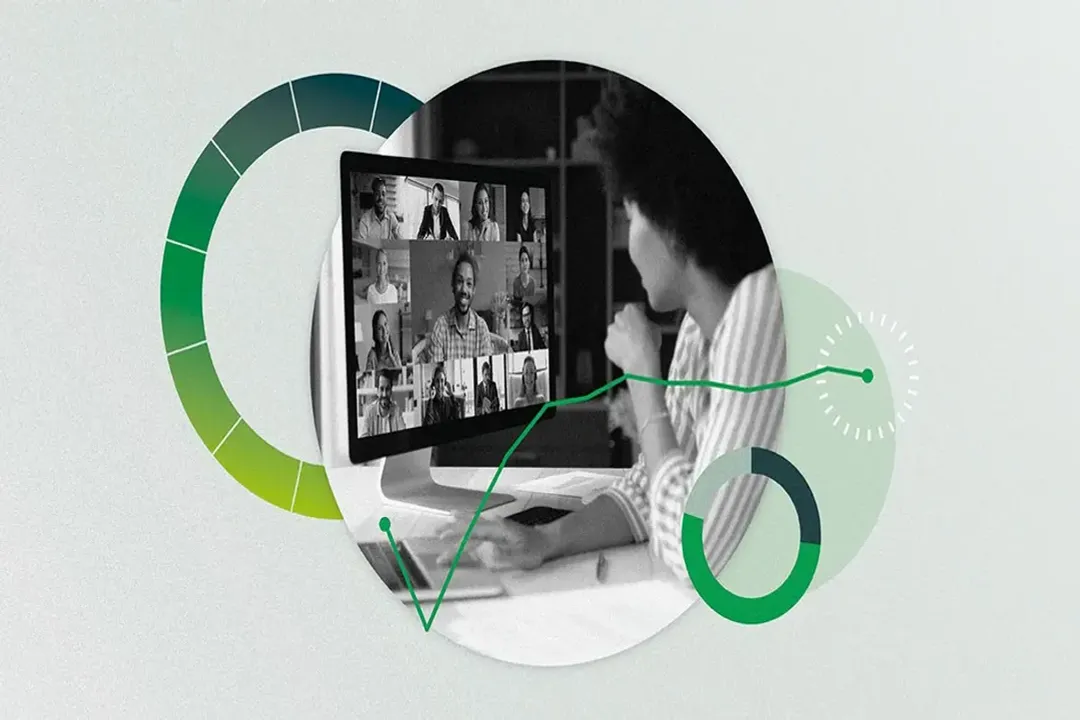
For an employee to successfully transition to working outside a central office, certain inherent traits become significantly more important than they might be in a tightly managed, in-person setting.
# Self Direction
A primary requirement is a high degree of self-discipline and internal motivation. Employees must manage their own schedules, prioritize tasks without constant supervision, and remain focused despite the distractions inherent in a home environment. [2] Some individuals find that without the physical structure of an office and the established rhythm of colleagues arriving and departing, productivity can lag. [2] Conversely, those who manage their time effectively often report higher output because they can align deep work with their personal peak performance times. [6]
# Communication Skills
Remote success hinges heavily on proactive, clear communication. When spontaneous desk-side check-ins disappear, employees must be adept at written communication, ensuring clarity and tone are not lost in emails or instant messages. [5] This demands an extra layer of effort to document progress, signal when help is needed, and provide updates without being prompted constantly. People who prefer less direct, more spontaneous interaction may struggle to adapt to the more structured, asynchronous communication often required in distributed teams. [2]
# Environment Control
The physical space matters immensely. The person who should work remotely typically has access to a quiet, dedicated workspace that supports the technological needs of their job. If an employee must consistently compete with background noise, erratic internet service, or inadequate setup, their ability to perform—regardless of motivation—will suffer. [5] This is an essential check: if the home environment cannot reliably mimic the focus afforded by a dedicated office, remote work becomes a source of stress rather than flexibility. [6]
# Role Requirements
Not all roles translate equally well to a home office setup. The tasks themselves must support independence and digital execution.
# Task Independence
Jobs built around measurable outputs, data processing, writing, or coding are naturally more amenable to remote execution because the work product is often digital and independent of immediate physical presence. [1][5] Roles that demand frequent, spontaneous in-person collaboration, the handling of physical materials, or direct on-site client interaction are inherently less suited, although exceptions exist depending on team structure. [5] For instance, a software developer can often achieve high levels of productivity remotely, whereas a lab technician requires specialized equipment access. [1]
# Technology Access
The suitability of a role is often a proxy for technological readiness. If the core functions rely on cloud-based systems, VPNs, and reliable digital tools, the transition is smoother. [5] Employees whose jobs require handling sensitive physical documents or using specialized, non-networked machinery will face significant hurdles or outright exclusion from remote arrangements. [9]
One way to gauge a role’s remote readiness is by mapping task reliance. If more than 70% of daily activities involve independent digital creation or analysis, the role is a strong candidate. If the remainder involves scheduled meetings or requiring proprietary, on-site hardware, a hybrid structure might be the only viable long-term answer. [5]
# Organizational Approval
Even if an individual is perfectly suited, organizational policy and managerial approval dictate final eligibility. Determining eligibility requires organizations to move past general rules and assess the specific job duties. [9]
# Supervisory Assessment
Managers are tasked with deciding if the work can be performed effectively off-site, a process that often involves setting clear performance metrics for remote staff. [9] Some organizations require that remote workers meet certain performance thresholds before being considered for off-site arrangements, viewing it as a privilege earned through demonstrated consistency in the office first. [9] Supervisors must be comfortable measuring outcomes rather than simply monitoring presence, which can be a difficult shift for traditionally office-centric leaders. [2]
# Policy Compliance
Beyond individual capability, eligibility can be tied to regulatory or security concerns. Jobs dealing with highly sensitive, proprietary, or legally restricted information may face limitations on where that data can be accessed, restricting remote options to specific, secure setups or barring them entirely. [9] Furthermore, organizational culture plays a part; some companies may favor a model that ensures consistent face-to-face interaction for team cohesion, thus limiting remote options even for roles that are technically capable of being done from home. [4]
# The Hybrid Solution
Given the complexities of full remote work—the need for in-person connection, the challenges of home environments, and the requirements of certain tasks—the hybrid model emerges as the practical choice for many who are partially suited for remote work. [4]
# Balancing Needs
Hybrid arrangements appeal to individuals who need the focus of home for certain tasks but also value the social structure, mentorship opportunities, and spontaneous problem-solving that occurs in an office. [4] This setup addresses the dual reality that while many employees desire flexibility, complete isolation can sometimes lead to burnout or reduced collaboration. [6] For a worker whose role requires them to interface with clients twice a week but allows for independent report writing the other three days, the hybrid schedule perfectly matches the job’s demands. [9]
# Productivity Dynamics
The productivity debate is often settled in the hybrid space. While some studies show no difference or even a slight dip in productivity for fully remote workers compared to in-office staff, others find that self-selection biases the results—only those confident in their ability choose to work remotely, boosting those reports. [8][2] A hybrid approach mitigates the "selection bias" problem by mandating office time while still offering substantial flexibility, perhaps allowing a worker to capitalize on high-output days at home and save office days for collaborative projects. [8]

# Motivations for Choice
Understanding who should work remotely also involves understanding why they seek it, as these reasons often align with the practical benefits experienced by both employees and employers.
# Employee Gains
The most frequently cited reasons center on quality of life improvements. Eliminating the commute is a massive time and cost saver. [6] For workers in high-cost-of-living areas, the ability to reduce daily expenditure on transportation and food is a tangible financial gain. [10] Furthermore, the perceived improvement in work-life balance—being present for family, managing personal appointments without significant disruption—is a major draw that often translates into higher job satisfaction and retention rates for the employer. [3][10]
# Organizational Advantages
From the company side, the benefits are substantial enough to drive policy change. Reduced overhead associated with smaller physical office footprints, lower utility costs, and decreased expenditure on office supplies present clear financial incentives. [3][10] Crucially, offering remote work broadens the recruitment pool, allowing companies to hire skilled talent regardless of geographic location, which is a significant competitive advantage in tight labor markets. [3]
When assessing who should work remotely, it is useful to consider the geographic cost differential. For an employee relocating from a major metropolitan center to a lower-cost area while keeping their same salary, the remote option effectively functions as a significant pay increase due to reduced cost of living, an intangible benefit that employers in the former location cannot offer. [10] This demographic is arguably the highest-value candidate for a fully remote setup, as their personal financial incentive aligns perfectly with the company’s ability to offer location-agnostic employment. [3]
# Identifying Top Remote Roles
While personal traits are key, certain established professions demonstrate a high propensity for successful remote execution based on current job market data. These roles require skills that are easily digitized and measured by deliverables. [1]
| Job Category | Example Roles | Key Remote Skillset |
|---|---|---|
| Technology | Software Developer, IT Support Specialist | Problem-solving, Digital Tool Mastery |
| Writing/Editing | Content Writer, Copy Editor, Technical Writer | Clarity in Asynchronous Communication |
| Management | Project Manager, Program Coordinator | Organizational Acumen, Digital Task Tracking |
| Finance/Admin | Bookkeeper, Data Entry Specialist | Attention to Detail, Data Security Adherence |
| Sales/Service | Inside Sales Representative, Customer Service Agent | Telecommunication Proficiency, Empathy |
These categories represent jobs where the output is the primary measure of success, not physical presence. [1]
Ultimately, the determination of who should work remotely is less about a specific job title and more about a fit score across three dimensions: the employee's capacity for autonomous work, the inherent digital nature of the tasks, and the organization's managerial comfort level with output-based supervision. [5][9] Those who score high across all three are the ideal candidates for long-term, successful remote careers.
Related Questions
#Citations
33 of the Best Remote Jobs (With Tips) | Indeed.com
Remote work vs. in-office: Which is more productive? - Reddit
20 Advantages of Remote Working for Employees and Employers
Global Indicator: Hybrid Work - Gallup
Assessing Remote Work Suitability: Roles & Skills Explored
Why do some people choose remote work over traditional office jobs?
50 Eye-Opening Remote Work Statistics for 2024
The rise in remote work since the pandemic and its impact on ...
Determining eligibility for hybrid or remote work
Benefits of Remote Work - NJIT Human Resources