When Should I Update My Resume?
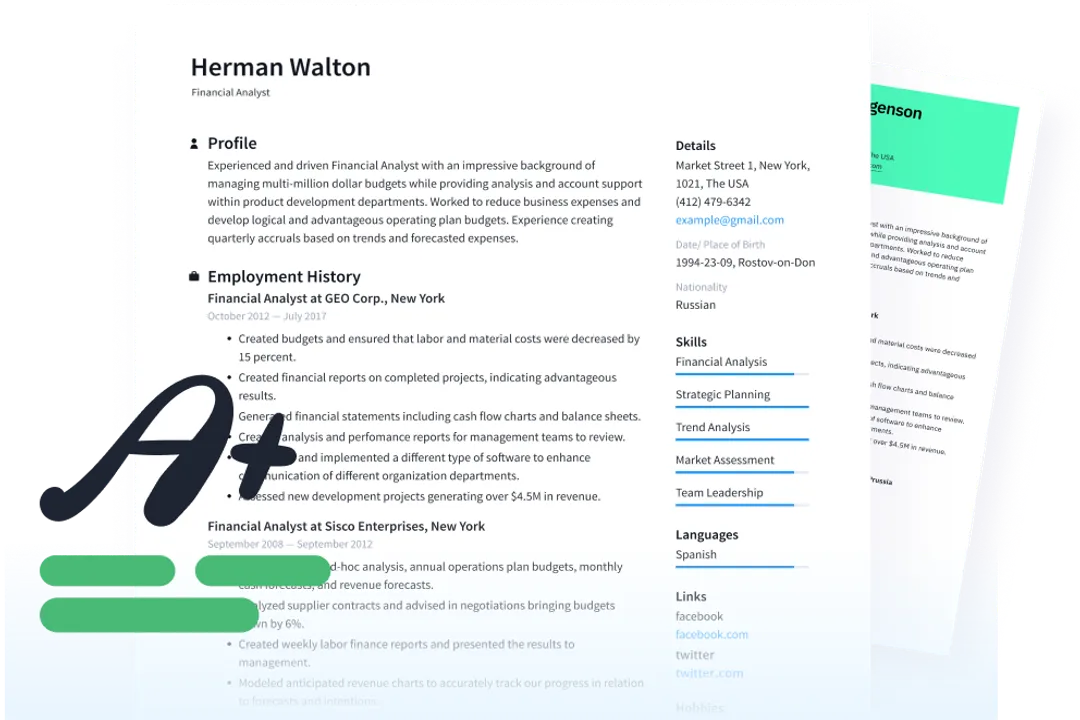
Keeping a current resume is less about anticipating the next job opening and more about maintaining a clear, accurate record of your professional development, turning it from a static document into a living career artifact. [9][10] The correct time to update it isn't a single answer; rather, it’s a combination of proactive maintenance and reactive response to professional milestones. [7] For many people, the immediate impulse is to wait until a job search begins, but experts often recommend a far more consistent approach to ensure you capture your accomplishments while they are still fresh in your mind. [5]
This constant refinement guards against the difficulty of trying to remember the specifics of a project completed six months ago when you suddenly need to apply for a role tomorrow. [5][9] A ready resume means you can focus your energy on tailoring cover letters and preparing for interviews, rather than scrambling to recall metrics and dates. [8]
# Proactive Habit

If you are currently happy in your position, the concept of updating your paperwork might seem unnecessary. However, treating your resume as a required quarterly or semi-annual review keeps your professional narrative sharp. [5] This routine practice ensures you are documenting success as it happens, rather than playing catch-up later. [9] Think of this like version control for your career narrative: you perform minor patches frequently so you don't have to deploy a massive, error-prone overhaul later.
When you take the time to update your document when you aren't desperate for a job, you are often more objective about what warrants inclusion and what doesn't. [2][8] You can spend time framing accomplishments using strong action verbs and relevant metrics, which is difficult to do under the pressure of a looming deadline. [6] Furthermore, this regular check-in forces you to review your own trajectory, clarifying your next professional steps before an opportunity forces the decision upon you. [10]
A highly effective strategy is to maintain a separate, running "Success Log" document, perhaps updated monthly or after every significant project conclusion. This log should be detailed—not just what you did, but how you did it, the impact it had (quantified if possible), and any new technologies or methodologies you successfully integrated. When your scheduled resume update time arrives, this log becomes the raw, detailed material you pull from to populate the polished bullet points, ensuring nothing valuable gets missed. [1]
# Milestone Triggers
While routine updates are the foundation of career documentation, certain events demand immediate attention to the resume, regardless of your schedule. These are the times when your professional context or capabilities change significantly enough to warrant instant revision. [4]
# Role Changes
Any shift in employment status, whether upward or lateral, requires an immediate document refresh.
- Promotion or New Role: When you move into a new position, you must detail the new responsibilities and the skills required for that elevated role. [4][3] Similarly, if you receive a promotion within your current company, the resume needs to reflect that advancement, potentially showing increased scope or leadership responsibilities. [4]
- New Job Acceptance: As soon as you accept a new role, finalize the description of your previous role on your resume. Once you leave the old job, your memory of the exact impact and day-to-day details will fade quickly. [5]
# Project Completion
If you have just wrapped up a significant project—especially one that carried high visibility or measurable outcomes—update your resume right away. [3][5] Recruiters and hiring managers place high value on demonstrable impact, so capturing the final results immediately is essential. [6] For example, if a new process you implemented saved the company $50,000 in Q3, document that specific figure before the Q4 numbers obscure it. [1]
# Organizational Shifts
Sometimes the change isn't about you, but about your environment. If your company undergoes a major reorganization, merges with another firm, or significantly alters its strategic direction, your role's perceived value or required focus may change. [4] Updating your resume in these moments allows you to align your profile with the new reality, emphasizing skills that are suddenly more relevant to the surviving or newly formed structure. [4]

# Knowledge Acquisition
Your professional value is strongly tied to your current skill set. If you invest time in learning, your resume must reflect that investment immediately. [3][4]
# Certifications and Training
The moment you earn a new certification, complete a specialized course, or pass a professional examination, the resume needs a placeholder update. [4] This is true even if the skill isn't immediately relevant to your current job description; it shows initiative and readiness for future roles. [9] Listing credentials like a newly earned PMP or a specialized cloud certification demonstrates currency in your field. [3]
# Mastering New Tools
Acquiring proficiency in a new software platform, programming language, or analytical tool should also prompt an update. [3] For example, if your team transitions from one database management system to another, and you become a primary user of the new one, ensure that tool is listed in your skills section and, if possible, mentioned in a relevant achievement bullet point. [1]
# Career Direction Shifts
When you actively decide to move in a new direction, your resume requires more than just simple addition; it needs strategic realignment. [4]
# The Pivot
If you are shifting industries or moving from a highly technical role to a management position, you are attempting a career pivot. [4] In these instances, the update should focus heavily on transferable skills. You need to translate your past accomplishments into the language of the new target role. [4] If you managed a complex software deployment, you can frame that as "Stakeholder Management and Cross-Functional Project Oversight" for a project manager role, even if the title wasn't officially project manager. [2]
# Role Refinement
Sometimes, you aren't changing careers but are refining your focus within the same field. Perhaps you spent five years as a general marketing associate and now only want to pursue roles focused specifically on Digital Acquisition. In this case, you don't need a total overhaul, but you must aggressively prune bullet points related to traditional print marketing or event planning and replace them with detailed, metric-driven examples of your paid social or SEO success. [7]

# When to Ignore the Urge
It is important to distinguish between a meaningful professional change and minor, daily variations in your work that do not warrant a resume change.
| Update Category | Recommended Action | Timing |
|---|---|---|
| Major Accomplishment | Quantify results, rewrite bullet point | Immediate [5] |
| New Certification/Skill | Add to skills section/Education | Immediate [4] |
| Promotion/New Role | Detail new responsibilities | Immediate [3] |
| Scheduled Review | Audit existing entries, draft new log entries | Quarterly or Semi-Annually [5] |
| Minor Task Variation | Document in Success Log only | Ongoing |
Simply completing standard, expected job duties—even if you do them well—does not typically require an immediate resume update unless those duties resulted in an exceptional, measurable outcome. [6] If a task is part of the core job description you were hired for, it should already be generally represented. The update should focus on where you exceeded those core expectations. [10]
Ultimately, the best time to update your resume is before you need it. By integrating updates into your regular professional hygiene, you ensure that when the perfect opportunity arises, your document speaks volumes about your recent achievements without the pressure of rushed recollection. [9]
Related Questions
#Citations
How often should you update your resume? - Reddit
How often should you update your resume if you're not actively ...
How Often Should You Update Your Resume?
5 Times in Your Life You Should Update Your Resume
How often you should update your resume, according to a recruiting ...
Why It's Important to Update Your Resume - Charter College
Guide To Updating Your Resume | Indeed.com
Do I need to update my resume when not looking for a job?
Why You Should Be Proactively Updating Your Resume | TopResume
Benefits of an updated resume & how to update yours | Michael Page