What Nonprofit Careers Involve Advocacy?

Advocacy roles within the nonprofit sector represent a compelling career path for individuals dedicated to systemic change rather than just direct service delivery. [3][8] These positions are focused on influencing public opinion, legislative action, and organizational policies to better serve a mission, whether that mission relates to human rights, community development, or animal welfare. [3][4][7] A career in nonprofit advocacy is fundamentally about shifting the environment in which the problem exists, often requiring skills in persuasion, public relations, and political navigation. [1][6]
# Defining Scope

Nonprofit advocacy careers span a wide spectrum of activities, all aimed at promoting a specific cause or set of beliefs. [2][7] It is essential to distinguish advocacy from traditional direct service. While a direct service provider might work one-on-one with an individual experiencing homelessness, an advocate might lobby the city council to increase funding for low-income housing or run a public campaign to change zoning laws. [5] The distinction lies in the target: advocacy targets the system that creates or perpetuates the need for service. [8]
Careers often listed under advocacy include roles like policy analyst, legislative aide, community organizer, communications specialist, and even development officers who focus their fundraising pitches specifically on policy initiatives. [1][6] The work can be quite political, requiring professionals to be acutely aware of current legislative calendars and public sentiment. [3]
For example, a role focused on human rights might involve drafting white papers for international bodies or monitoring treaty compliance. [3] Conversely, a position in animal advocacy might center on grassroots efforts to stop harmful industry practices or promoting stronger local animal protection ordinances. [4] Both require deep subject matter expertise and a persistent communication strategy.
# Sector Diversity

Advocacy is not confined to a single cause; it is a functional necessity across the entire nonprofit landscape. [8] Understanding where the advocacy is happening helps clarify the day-to-day work. [1]
# Rights Work
Careers in human rights advocacy demand a high level of specialization. [3] Professionals in this area work to uphold fundamental entitlements for specific populations or address global issues. This can involve monitoring governmental actions, engaging with international bodies like the United Nations, or working domestically to ensure civil liberties are protected. [3] The pressure in these roles can be intense, as the stakes often involve life, liberty, and dignity. [3] Success is often measured in landmark legal decisions, ratified treaties, or shifts in international public consensus. [3]
# Animal Welfare
Animal advocacy provides another distinct avenue for mission-driven professionals. [4] This area requires individuals passionate about animal protection, often focusing on farm animals, companion animals, or wildlife. [4] Advocacy in this space can range from corporate campaign management—encouraging businesses to adopt higher welfare standards—to legislative pushes for new anti-cruelty laws. [4] Community organizing skills are frequently necessary here, particularly for local or regional groups aiming to influence municipal regulations regarding pet ownership or animal control. [4]
# Community Focus
In the broader community and social service sphere, advocacy is often interwoven with direct impact work. [5][10] Social workers, for instance, frequently engage in advocacy, which can mean navigating complex bureaucratic systems for an individual client (micro-advocacy) or organizing stakeholders to demand better public health infrastructure (macro-advocacy). [5][10] Community organizing roles found on platforms like Idealist often focus on local issues such as housing access, educational equity, or environmental justice within specific neighborhoods. [7] These roles demand tremendous relational skill, as building trust with affected populations is the bedrock of authentic policy argument. [5]
Here is a brief comparison of the primary focus areas for advocacy careers based on the sectors often hiring for these roles:
| Career Area | Primary Target of Influence | Typical Measurement of Success |
|---|---|---|
| Human Rights | Governments, International Bodies | Policy change, legal victories [3] |
| Animal Welfare | Corporations, Local/State Legislatures | Adoption of welfare standards, new legislation [4] |
| Community Organizing | Local Government, Agencies | Increased resource allocation, program expansion [7] |
When looking at job postings on sites like Indeed or Philanthropy Careers, one notices that community organizing roles often require localized knowledge, whereas international human rights roles often require fluency in specific legal or geopolitical contexts. [1][6]

# Core Job Functions
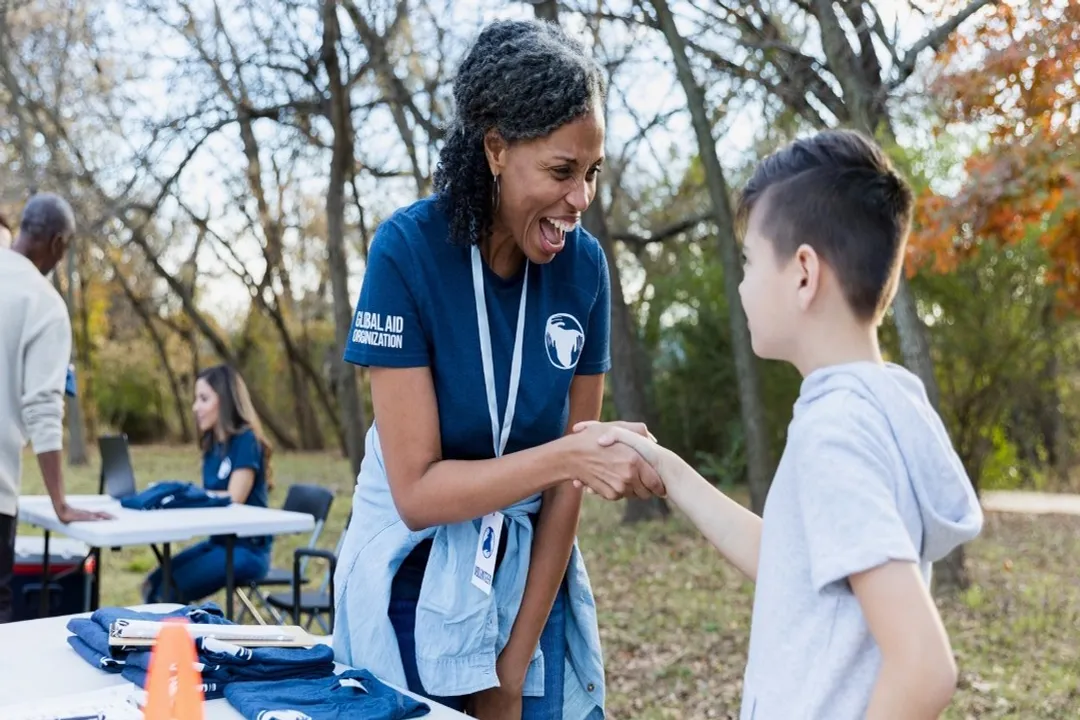
Regardless of the specific cause, advocacy roles generally fall into a few key functional buckets. A single job might require proficiency in all of these areas, though larger organizations will have specialized teams. [2][8]
# Policy and Research
This function involves the deep dive into the technical details underpinning the cause. [1] Policy advocates spend significant time analyzing existing laws, gathering data to prove a problem's scale, and drafting proposed legislative language. [3] They must be adept at translating complex, data-heavy reports into accessible arguments for non-experts, whether those non-experts are legislators or the general public. [8] This research forms the authority behind the organization's claims. [8]
# Communications and Media Relations
If policy is the substance, communications is the delivery vehicle. [1] Advocates must craft compelling narratives that move people to action or change minds. [2] This includes writing press releases, managing social media campaigns, developing talking points for media appearances, and creating multimedia content. [7] A strong communications specialist in this field understands that emotional connection, backed by factual accuracy, drives engagement far more effectively than dry statistics alone. [3]
# Organizing and Mobilization
Community organizing is the grassroots engine of advocacy. [7] Organizers build relationships, recruit volunteers, coordinate local actions like rallies or letter-writing drives, and develop leadership within the affected community. [5] This function requires stamina and superb interpersonal skills, as it involves door-to-door outreach, phone banking, and organizing local meetings. [1]
# Government Relations
This is the direct interface with the political apparatus. [6] Government Relations professionals, sometimes titled lobbyists, spend time building relationships with elected officials and their staff, presenting organizational positions, testifying at hearings, and tracking bill progress. [6] This is a specialized field that often requires an understanding of legislative procedure and campaign finance rules. [6]
One area where roles sometimes blur is in fundraising. A development officer focused solely on securing grants for advocacy projects acts as an internal advocate for their department's work, needing to convince major donors of the potential systemic impact their funds could achieve, contrasting sharply with securing funds for direct operating costs. [9]
# Essential Skill Alignment

The required skillset for nonprofit advocacy is broad, often demanding a blend of hard, technical skills and highly developed soft skills. [2]
A common misconception is that advocacy careers only hire former politicians or lawyers. While those backgrounds are helpful, many effective advocates come from journalism, education, or direct service backgrounds who have developed specific advocacy competencies. [5][8]
For instance, a social worker transitioning into policy advocacy must work hard to demonstrate expertise in legislative research and coalition building, skills they might have only used incidentally in their previous role. [10] Conversely, a policy analyst needs to proactively build their public speaking and community engagement chops to effectively represent the data in the field. [1]
An insightful way to view skill development is through the lens of impact scaling. Direct service skills translate directly to individual impact. Advocacy skills translate to population-level impact. If you are good at one-on-one crisis management, your transferable skill in advocacy is active, empathetic listening—you must listen to community members to correctly frame the policy ask. If you are skilled at grant writing, your transferable advocacy skill is persuasive, structured argumentation—you must apply that structure to a policy brief instead of a funding request. [8]
The ability to build broad coalitions is a recurring theme across job descriptions, whether for animal rights or human rights. [3][4] This means you must be proficient at finding common ground between groups that may disagree on other issues but share one policy goal. For example, bringing together environmental groups and public health advocates to push for stricter industrial emission standards is a hallmark of effective organizing. [7]

# Pathways and Job Search
Finding these specific advocacy roles requires targeted searching, as they are not always titled "Advocate". [1][6]
The job boards cited—like Idealist, Work for Good, and specialized listings from the Council of Nonprofits or Philanthropy News Digest—are excellent starting points because they allow filtering by functional area rather than just sector. [2][7][8][9] On these platforms, searching keywords such as lobbying, policy, organizer, government relations, or campaign alongside "nonprofit" yields better results than a general search. [1][6]
When reviewing an advocacy job description, pay close attention to the deliverables expected within the first six months. [1] Does it specify drafting three legislative memos, organizing one city-wide rally, or securing one media hit in a target publication? This clarifies the nature of the work—is it more research-heavy (policy) or action-heavy (organizing)?[7]
If you are coming from a non-advocacy background, one actionable step is to seek out volunteer opportunities that specifically involve public testimony or letter-writing campaigns for an organization you admire. [5] Documenting your contribution to a successful public outcome, even as a volunteer, builds credibility for your resume in this competitive area. [2] It demonstrates that you understand the rhythm of advocacy cycles—the build-up, the action, and the follow-up reporting—which is often more valuable to an employer than purely academic credentials. [3]
Careers in advocacy demand passion, but sustain themselves through strategic execution. The work is often characterized by long campaigns with slow progress, making resilience and a commitment to the long-term vision critical components for staying engaged and effective in the field. [3][4]
Related Questions
#Citations
Nonprofit Community Advocacy Jobs, Employment - Indeed
Work for Good: Nonprofit Jobs | Nonprofit Careers
10 Careers in Advocacy That Make a Real Difference
Animal Advocacy Careers: Homepage
What advocacy/non-profit/service work do you do outside your day ...
Advocacy jobs
Advocacy Jobs - Idealist
Find a Job in the Nonprofit Sector: Nonprofit Jobs and Careers
Advocacy / Non-Profit Jobs
Nonprofit jobs | PND - Philanthropy News Digest