What is the process of a job interview?

The path from submitting an application to accepting a new role is structured, moving through several distinct phases designed to match a candidate’s qualifications against an employer’s needs. This entire sequence, commonly known as the job interview process, is rarely a single conversation; instead, it functions as a series of checkpoints or stages. While the exact nomenclature can vary—some models outline four steps, others five, and some as many as six—the underlying goal remains constant: for both the applicant and the organization to determine if there is a mutual fit. Understanding this progression demystifies what can often feel like an opaque system, transforming anxiety into a manageable checklist of tasks.
# Pre Interview Steps
The process begins well before the first scheduled call, rooted in the initial application and the subsequent review stages. After a candidate submits their resume and supporting documents, the first gatekeeping mechanism is the initial screening by the employer or a recruiter. This initial review looks at whether the applicant meets the minimum requirements listed in the job description. If the application passes this scrutiny, the next step is often a preliminary screening call.
# The Initial Screen
This early interaction, sometimes conducted by a recruiter or an HR representative rather than the hiring manager, serves as a quick viability check. The purpose here is high-level filtering, ensuring the candidate’s salary expectations align with the budget and that their basic qualifications, such as required certifications or necessary years of experience, are confirmed. The screening might only last fifteen to thirty minutes and often focuses on high-level motivational factors and logistical details, like availability to start or willingness to relocate.
It can be helpful to think of this stage not as a deep dive into your skills, but as a confirmation that you clear the administrative hurdles. For instance, if the job posting explicitly requires proficiency in a specific software suite, and you neglect to mention it confidently during this initial five-minute chat, you may be filtered out, regardless of having that skill listed on your resume.
# Core Interview Stages
Once the initial screening establishes a baseline fit, the process moves into the substantive evaluation stages where specific competencies and cultural alignment are assessed. The structure here can differ significantly between companies, but most follow a progression from generalist interviews to more specialized ones.
# First Formal Interview
This step is typically the first in-depth conversation, often with the direct hiring manager or a senior team member. This stage often centers on behavioral questions designed to understand how you approach work, manage challenges, and interact with others. Interviewers look for evidence of past performance that predicts future success, often asking for specific examples of accomplishments or how you handled conflicts. Sources often categorize this as the first stage of true, structured interviewing following the administrative screening.
# Second and Third Conversations
As the process continues, the number of interviewers often increases, or the focus narrows significantly. Some models describe a distinct second round focused purely on technical skills or specific domain knowledge relevant to the role.
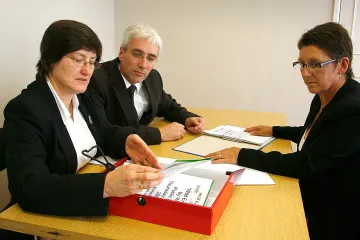
In organizations with a flatter structure, this might involve a panel interview where several stakeholders meet the candidate simultaneously, testing composure under pressure. Conversely, in larger, hierarchical organizations, the process might involve sequential one-on-one meetings with progressively more senior leaders. For example, one source suggests the progression might look like this: Recruiter Hiring Manager Team Member Department Head.
When you are preparing for these middle rounds, remember that the interviewer's focus shifts with their seniority. The peer interview might heavily weigh technical ability and day-to-day collaboration style, while the director-level interview is more concerned with how your work impacts broader departmental strategy. A common structure cited across multiple guides involves these key assessment types:
| Interview Type | Primary Focus | Typical Interviewer |
|---|---|---|
| Screening Call | Logistics and basic fit | Recruiter/HR |
| Behavioral Interview | Past performance, soft skills | Hiring Manager |
| Technical Interview | Role-specific hard skills | Subject Matter Expert |
| Panel Interview | Composure, cross-functional fit | Multiple stakeholders |
| Final Interview | Vision, strategic alignment | Executive/Senior Leader |
# Performance Testing
A critical element in many modern interview processes, especially for technical or creative roles, involves some form of direct performance demonstration. This might take the form of a take-home assignment, a timed coding challenge, or a presentation based on a case study. These assessments move beyond descriptive answers ("tell me about a time...") to evidence-based proof of ability ("show me how you would..."). The Illinois state employment process, for instance, explicitly notes that the interview itself may include a performance test or a presentation component to gauge competence directly.
This stage is an excellent opportunity to showcase expertise, but candidates must be mindful of scope creep—the expectation that you perform an unreasonable amount of unpaid work. If an assignment requires more than a few hours of dedicated effort, it is wise to tactfully ask about compensation or recognition for the work if you advance, as this signals professional boundary awareness.
# The Final Stages and Decision Making
After the primary meetings and any required tests, the process enters its concluding phase, often involving internal deliberation and final checks. This final set of steps determines whether a conditional offer is extended.
# Reference Checks
A near-universal component of the later stages is the process of checking references. This step relies on external validation of the claims made by the candidate during earlier interviews. Typically, candidates are asked to provide contact information for former supervisors or colleagues who can speak to their work ethic and past performance. It is paramount to inform your references before submitting their names, giving them a heads-up about the job you applied for and the qualities the new employer might inquire about. A delay in contacting references can stall the entire final decision process.
# Final Deliberation and Offer
The penultimate step involves the hiring team making their final selection based on all gathered data points: interview feedback, test results, and reference confirmations. A complete process, as described by some experts, may involve up to six distinct stages, with the final step being the formal extension of the employment offer.
When an offer is made, it is often done verbally first, allowing for initial negotiation before a formal written contract is issued. This is the moment where the candidate can assess the total compensation package, including benefits, start dates, and any specific conditions of employment. It is crucial to treat this as a business transaction, taking time to review the written offer carefully before giving a final acceptance.
# Variations in Process Structure
The exact number of steps cited in guides—four, five, or six—highlights the flexibility of the modern hiring landscape, which is often dictated by the role's seniority and the company's structure.
# Four Stage Models
A simplified, common model often distills the process into four key activities: the initial screening, the first interview (often managerial), the second interview (often peer or technical), and the final offer/reference check. This view is pragmatic, focusing only on the actual interaction points with the candidate rather than internal departmental reviews.
# Six Stage Models
On the other hand, a more granular view, sometimes seen in executive hiring or highly regulated industries, breaks the process down further. Korn Ferry details six common stages, which can include pre-interview assessment stages or separate "meet the team" sessions that stand apart from the core technical evaluation. This level of detail suggests that organizational complexity adds layers to what might otherwise be a simple back-and-forth dialogue.
The disparity in stated stages should not be seen as a contradiction, but rather a reflection of how different companies weigh various assessment components. For example, if a company uses an external testing vendor before the first human interview, that counts as a distinct stage for them, whereas others might fold that test result into the hiring manager's initial decision point.

# Candidate Preparation Across Stages
Effective navigation of the interview process requires tailoring preparation to the specific stage you are in. Preparation is not a one-time event; it evolves as you move forward.
# Preparing for Early Stages
For the initial screening and first managerial interview, your preparation should focus on narrative coherence. You need to clearly articulate your career story, why you are moving, and why this specific company and role are the logical next step. This stage tests your communication skills and your alignment with the basic job requirements. Using the STAR method (Situation, Task, Action, Result) to structure your answers for behavioral questions is highly effective here.
# Preparing for Later Stages
As you reach the deeper assessment stages involving technical experts or senior leaders, the focus shifts to depth and strategy. For a technical role, you must be prepared to solve problems on the spot or deeply justify design decisions you’ve made in past projects. If a presentation is required, practice the delivery timing religiously. A common pitfall in these later rounds is over-relying on past examples without connecting them to the future challenges of the potential new role. When asked about a past success, always pivot to how that learned experience will inform your strategy in their company.
In essence, the progression asks different things of you: early stages ask, "Can you do the job?" middle stages ask, "How will you do the job here?" and final stages ask, "Will you succeed in our environment long-term?". Understanding this evolution in questioning allows a candidate to shift their focus appropriately, ensuring they don't spend time memorizing obscure technical syntax for an HR screening or over-analyzing company structure when they need to be ready to whiteboard a solution. This strategic phasing of preparation is often what separates successful candidates from those who stall in the middle rounds.
Related Questions
#Citations
A Complete Guide to the Interview Process | Indeed.com
The 4 stages of the interview process (and how to pass each one)
Interview process: Definition, process, and examples - JOIN
General Stages of an Interview | Career Services
The Interviewing Process | Center for Career Development
Interview Process: Definition, Process, Questions, Examples
Interview Process - Illinois Department of Innovation & Technology
The 5 Stages of a Job Interview Process - Paycor
The 6 Common Stages of Job Interviewing - Korn Ferry