What causes career stagnation?
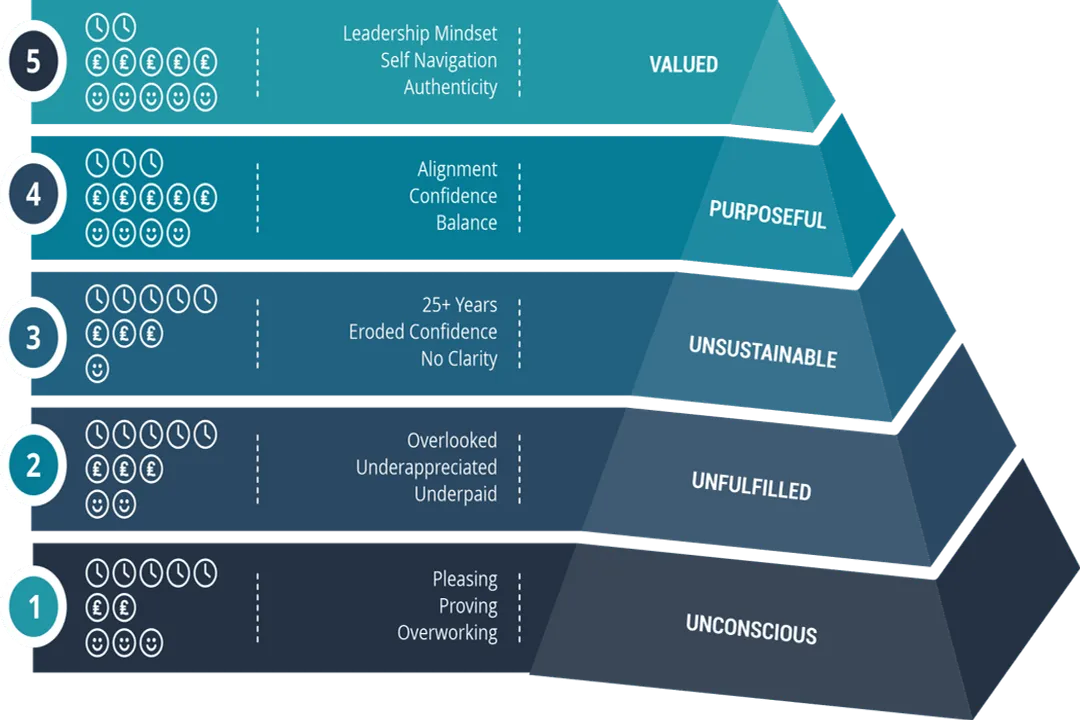
Feeling stuck in a career, where the path forward seems obscured by routine and repetition, is a widely shared professional experience. This sensation, known as career stagnation, is more than just a temporary slump or a bad week; it represents a sustained flattening of the learning curve and a lack of perceived forward momentum. [1] When professionals, even those who are ambitious and well-compensated, begin to feel this way, it signals that something fundamental in their relationship with their work or employer has shifted out of alignment. [2][7] Understanding the origins of this feeling is the critical first step toward regaining professional vigor, and these causes often stem from a complex interplay between organizational structure and individual mindset.
# Stalled Learning
The most immediate signal that one is experiencing stagnation is the absence of new intellectual stimulation. If your daily tasks have become so familiar they require little more than muscle memory, it is a strong indication that your growth curve has leveled off. [1] When a role ceases to present novel problems, requires no new system mastery, and offers no fresh responsibilities over a significant period, the lack of skill acquisition becomes apparent. [1][7] This contrasts sharply with the ideal state where professionals are constantly building competencies that hold value for the future. [1]
Organizations frequently contribute to this stall by failing to invest sufficiently in employee development. A significant portion of employees believe that the availability of training directly influences morale, and many agree that productivity would suffer without access to ongoing learning initiatives. [5] Companies that neglect to offer, or clearly communicate, the necessary programs for developing skills relevant to more senior positions risk fostering an environment where employees feel their potential is untapped. [5] The issue isn't always a total lack of opportunity; sometimes, there is a substantial communication gap. For instance, some data suggests a large disparity between the percentage of companies that claim to offer internal mobility and the percentage of workers who actually perceive those opportunities exist. [5]
It is helpful to consider how tenure interacts with learning velocity. The average time an employee spends in a single job in the U.S. hovers around four years. [1] While loyalty demonstrated through long tenure signals dependability, the metric that truly matters to future employers is momentum, not merely time spent. [1] If an employee spends five or more years in a role without any demonstrable progression, new responsibilities, or skill expansion, that tenure becomes a question mark rather than a strength, suggesting complacency has set in. [1] A useful analytical lens here is to track not just the years spent, but the velocity of skill adoption; a job that maintains a steady paycheck for five years but yields only one new major skill during that time is functionally more stagnant than a two-year role that required mastering two entirely new technology stacks. The cause here is a failure of velocity—the organization is not providing enough forward motion to keep pace with the professional's natural desire to advance. [1][5]
# Pathway Blockage
Career stagnation often manifests through structural impediments within the organization, specifically a visible absence of upward advancement opportunities. [7] This can be as straightforward as having no higher-level positions available, or it can be more insidious, such as watching colleagues advance while one remains static despite meeting or exceeding performance expectations. [1] When managers provide vague feedback, such as suggesting an employee is "too valuable where they are" or "not the leadership type," these phrases can serve as signals that one's potential is not being fully seen or considered for progression. [1]
In some cases, companies may consciously or unconsciously favor external recruitment over internal promotion. This can be a defensive measure to avoid disrupting existing team dynamics or to bypass the administrative complexity of moving existing employees into new roles. [5] Furthermore, if leadership or management roles are scarce, the career ladder simply runs out of rungs for those aspiring to climb vertically. [5] Even when employees are ambitious, they may discover that the most engaging projects are implicitly reserved for a small, designated group of "high-flyers," leaving others to perform crucial but repetitive work. [2] This disparity creates a sense of being sidelined from influential work, even if the job itself is secure and financially rewarding. [2]

# Value Gap
A critical, often frustrating, source of stagnation involves how an employee’s contributions are recognized and rewarded. While career advancement is one form of acknowledgment, compensation is another tangible measure of perceived value. [5] If an employee’s salary growth plateaus for years while their responsibilities quietly increase, the resulting imbalance is a clear indicator that their market worth or internal value is not being appropriately acknowledged. [1]
Beyond direct financial reward, insufficient support and recognition from leadership crush motivation. When employees feel their efforts are inconsequential, they are likely to disengage. [5] This feeling is amplified when individual strengths are systematically overlooked. For professionals who prefer a quieter approach—such as deep listening, strategic thinking, or empathetic analysis—their contributions may be entirely missed or dismissed in favor of louder voices. [1] Research indicates that even non-monetary, symbolic rewards like public acknowledgment or congratulatory feedback can significantly boost motivation and retention, suggesting that the absence of such gestures contributes directly to a feeling of being stuck. [5]
# Capability Trap
A subtler, yet potent, cause of professional malaise stems from what some experts term the capability trap. [3] This occurs when a professional has become so proficient at their current role that they remain there simply because they can do it, rather than because it aligns with their deeper talents or future ambitions. [3] The individual has outgrown the role's complexity but is still completing tasks well, thus never creating the internal pressure needed to seek change. [1]
In this trap, a large percentage of time—sometimes over half—is spent on tasks that drain energy rather than energize the individual. [3] While grit and hard work allow the person to complete these draining activities, the sheer expenditure of energy on tasks that do not match natural aptitudes leads to burnout and cynicism. [3] This situation is particularly acute when an employee excels at operational execution but lacks alignment with strategic direction or their core drivers. [3] If an internal move is not viable, the individual finds themselves trying to fit their existing, proven skillset into a market that may not value it precisely as packaged, leading to rejection in job interviews and compounding the feeling of being stuck. [3] To proactively manage this, one must audit their time by assigning a "Joy Score" (1-10) to every major task category; any category consistently scoring below 5, even if performed expertly, is a major contributor to stagnation and a candidate for delegation or removal.

# Environmental Factors
While personal drive is key, the surrounding work environment plays an undeniable role in enabling or inhibiting growth. As noted, many companies struggle to align their evolving needs with the changing skill sets of their workforce. [5] If a business lacks a defined vision for its future skill requirements, employees cannot chart a development path that is relevant to the organization, regardless of how much training they pursue. [5] Compounding this is the organizational failure to maintain clear visibility over the skills employees already possess, which prevents them from leveraging those abilities for advancement. [5]
A negative work environment itself is a direct cause of dissatisfaction, forcing talented people to look elsewhere even when their specific job duties might have been satisfying initially. [7] Furthermore, employees have noted that external factors, such as company directors actively advising key clients not to hire away their staff—even when the employee is seeking new roles—can actively block mobility, creating a feeling of being intentionally held back [^2 from comment in 9]. This can create a state where an individual feels they are trapped by workplace politics or management decisions outside their control. [2]
# Personal Patterns
Stagnation is not purely an external failure; personal habits and psychological responses can reinforce the static situation. For many, especially those who value stability, the comfort of a long tenure—familiar colleagues, predictable routines, and steady pay—becomes an appealing "safe haven". [1] While stability offers security, defaulting to it out of fear of the unknown or the energy required for change prevents necessary stretching and learning. [1]
One significant psychological roadblock is the emotional toll associated with seeking change. The job search itself is an emotionally draining process, and repeated rejections can lead to a cycle where professionals begin to subconsciously avoid action to protect themselves from further feelings of failure or inadequacy. [3] This can result in procrastination regarding upskilling or applying for new roles, causing the career to stall further while the person remains emotionally paralyzed. [3]
Moreover, for some, identity becomes too closely wrapped up in their current role, particularly when personal community life outside of work is underdeveloped. [2] If work provides the primary source of social interaction and self-worth, the motivation to risk comfort for potential growth diminishes significantly. [2] This is why users in similar situations often find that external anchors—hobbies, side projects, or community involvement—provide the necessary sense of control and fulfillment that the day job lacks. [2] It is essential to recognize that the feeling of being trapped by patterns—repeating the same actions and expecting different results—is often a self-imposed barrier, demanding an internal shift before any external change can take hold.
The causes of career stagnation, therefore, are rarely singular. They combine a lack of organizational investment in development and visibility, [5] structural blockages to advancement, [1][7] insufficient reward for current contributions, [1][5] and personal inclinations toward comfort or fear of action. [1][3] Recognizing that one has outgrown a seat, whether due to external lack of opportunity or internal readiness for a new challenge, is the necessary cue to pivot, stretch, or pursue something that reignites professional curiosity. [1]
#Videos
Career Stagnation: Why do I feel Unfulfilled? - YouTube
Related Questions
#Citations
How to Overcome Career Stagnation? Causes & Strategies
Career Stagnation: Turning Cynicism into Action - Dr Hannah Roberts
Anyone else ambitious in your career but feeling stagnant? - Reddit
Transforming Career Stagnation into Career Mobility + 8 Strategies
Career Stagnation: Why do I feel Unfulfilled? - YouTube
Know When to Move: Key Signs You Need a Career Change
Career Stagnation: When Staying Too Long in a Job Holds You Back