What careers exist in health informatics?

The field of health informatics is expansive, sitting precisely at the intersection where healthcare delivery meets information science and technology. It’s a dynamic area where professionals manage, analyze, and safeguard the data that underpins modern patient care, moving far beyond simple electronic health record (EHR) maintenance. [6][9] Understanding the career landscape requires looking past the immediate IT support roles and seeing the strategic positions focused on improving outcomes, streamlining administration, and ensuring security. [2][3]
# Data Careers

One major branch of this discipline centers on extracting meaning from vast quantities of patient and operational data. These roles are critical for understanding population health trends, clinical effectiveness, and resource allocation. [1][4]
# Data Analysts
Health Data Analysts often serve as the interpreters, translating complex datasets into actionable business or clinical intelligence. [4] They typically focus on retrospective analysis, working with established data structures to answer specific questions, such as identifying variations in care pathways for a certain condition or tracking readmission rates. [1][5] They are proficient in querying databases and creating visualizations that make findings accessible to leadership who may not have deep statistical backgrounds. [6] Their work directly influences quality improvement projects and resource planning within a facility. [1]
# Data Scientists
A step further are Health Data Scientists. While an analyst might describe what happened, a scientist often builds models to predict what will happen. [4] These roles require a stronger grounding in statistical modeling, programming, and sometimes machine learning techniques. [4] They might develop algorithms to flag high-risk patients proactively or optimize surgical scheduling based on predicted resource needs. [3] The distinction between a senior analyst and a data scientist in healthcare can sometimes blur, but generally, the scientist focuses more on predictive modeling and advanced statistical inference, whereas the analyst concentrates on descriptive and diagnostic reporting. [1][4]
# System Roles

Another foundational group of careers focuses on the infrastructure itself—designing, implementing, and maintaining the systems that capture and store health information. [5][6]
# Systems Analysts
Health Systems Analysts bridge the gap between the clinical end-users (doctors, nurses) and the technical IT department. [2][5] They analyze existing clinical workflows, identify pain points, and then configure, customize, or select new information systems, such as EHR modules, to better support those workflows. [5][6] If a physician finds charting takes too long, the systems analyst studies the process, suggests necessary EMR configuration changes, and oversees the technical deployment and testing. [2]
# Health IT Specialists
These professionals handle the day-to-day operation, security, and governance of health information systems. [5] This umbrella often covers roles like Network Engineers specialized in HIPAA compliance and protecting patient records, or Database Administrators ensuring the speed and integrity of the stored data. [6][9] A specialized function within this area involves Clinical Data Interoperability Engineers, whose primary task is ensuring that data can move smoothly and securely between disparate systems—a necessity given the complexity of modern multi-vendor hospital environments. [3]
If you are looking to enter this sector with a technical background, recognizing the regulatory environment is key. Unlike general IT, your decisions regarding system architecture must always prioritize compliance with privacy laws like HIPAA, which places specific constraints on cloud storage, data encryption, and access logs. [9] This specialized compliance knowledge is what separates a standard IT professional from a valuable health IT specialist.

# Clinical Focus
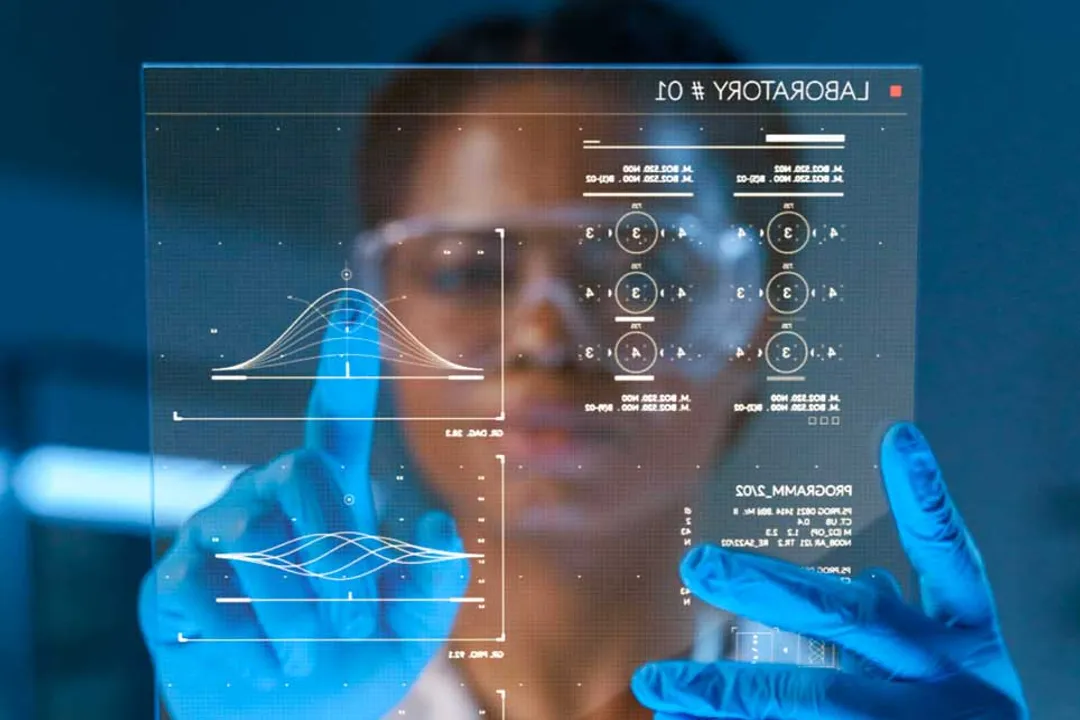
Health informatics is perhaps most visible in roles that embed technology directly into patient care delivery, requiring a deep understanding of both medicine and information management. [2]
# Clinical Informaticists
These individuals are often clinicians—nurses, pharmacists, or physicians—who have advanced training in informatics. [2][5] A Nurse Informaticist, for example, acts as the primary liaison between the nursing staff and the IT team responsible for the electronic charting system. [2] They ensure that the system design supports safe patient care practices and efficient documentation, rather than hindering them. [2][5] Their expertise lies in workflow optimization tailored for the bedside or clinic setting. [5]
# Leadership Informatics Roles
At the highest operational levels, you find executive informatics roles like the Chief Medical Information Officer (CMIO) or Chief Nursing Information Officer (CNIO). [1][5] These are physician or nurse leaders who report high up in the administration structure, making high-level strategic decisions about technology adoption, data governance, and how information systems align with the organization's overall clinical goals. [1][5] These positions demand not only deep clinical and technical knowledge but also significant executive management skill. [1]
# Governance and Management
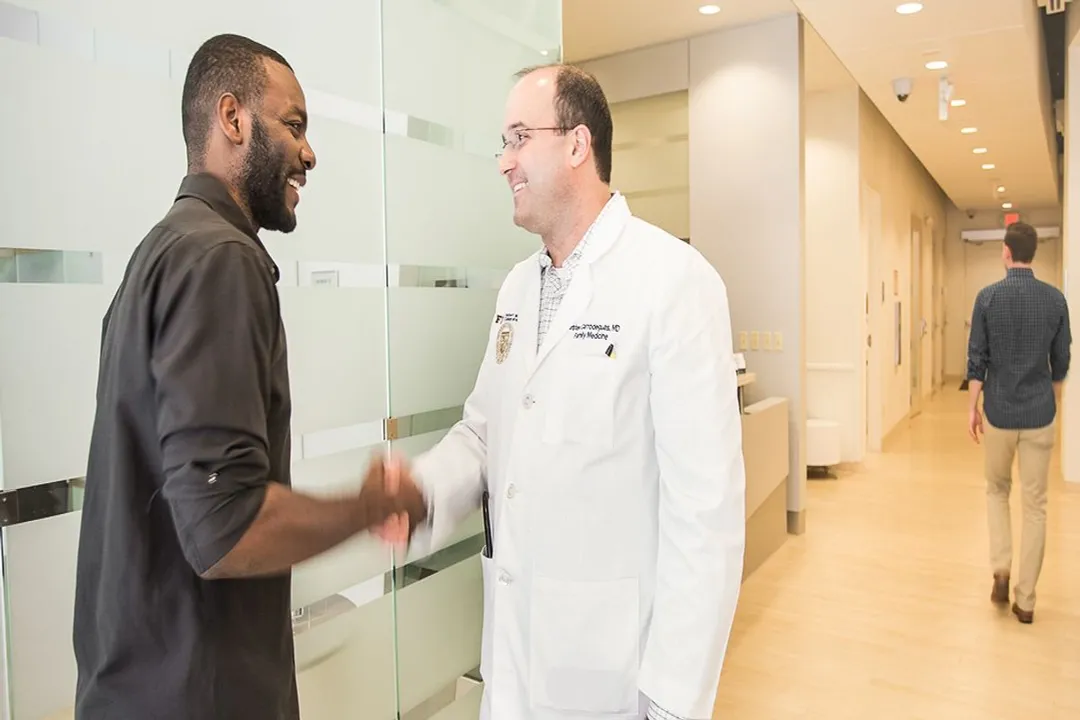
Careers also exist to manage the projects, quality, and compliance surrounding health information assets.
# Project Management
Implementing a new EHR module, migrating patient data to a new cloud platform, or upgrading hospital-wide cybersecurity measures all require rigorous oversight. Health Informatics Project Managers specialize in leading these complex, high-stakes technology transitions within healthcare settings. [5][6] They must manage technical teams, clinical stakeholders, budgets, and strict timelines, often needing certifications like PMP alongside their informatics knowledge. [5]
# Information Security and Privacy
Protecting sensitive patient data is paramount, creating a strong demand for Health Information Security Analysts and Privacy Officers. [9] These roles focus on risk assessment, developing security protocols, responding to breaches, and ensuring adherence to ethical data use standards. [9] The security aspect is purely technical, focusing on intrusion detection and network defense, while the privacy side often deals more with policy, training, and auditing user access. [9]
# Consulting
Many experienced professionals transition into Health Informatics Consulting. [5] Consultants work on a contract basis, often brought in by hospitals or large practices to solve specific, complex problems—perhaps a system upgrade failure, a merger requiring system integration, or developing a long-term data strategy. [5] This path values breadth of experience across different organizational settings. [5]

# Career Development Insights
It is useful to compare how educational paths map to these varied career outcomes. Many individuals find that a master's degree in health informatics provides a broad foundation applicable to many of these specializations. [7][9] However, the specific career chosen often dictates the necessary next steps or desired certifications. [5] For instance, someone aiming for the CMIO role would likely need clinical experience plus an executive degree or fellowship, whereas a Data Scientist would need deep statistical certification or further specialized education in machine learning within the biomedical context. [1][4]
A notable trend is the demand for specialized knowledge in the integration layer. While many degrees prepare you for the analyst or manager track, positions focusing purely on making different proprietary systems talk to each other—often involving understanding standards like HL7 or FHIR—represent a niche area with high earning potential, as these professionals solve fundamental communication failures within IT ecosystems. [3][6] This specialized integration expertise often becomes more valuable than general project management skills over time. [3]
For those starting out, a good strategy involves identifying which of the three main domains—data science, systems implementation, or clinical workflow optimization—most excites you and then seeking entry-level roles that allow you to gain hands-on experience in one area while acquiring foundational knowledge in another. [7] For example, taking a systems analyst role but volunteering for reporting projects can quickly build the necessary cross-domain knowledge to qualify for a competitive Informaticist position later on. [7]
The variety in required skills suggests that success in this field isn't about mastering one piece of software; it’s about mastering the translation between different professional languages—clinical, technical, and administrative—a skill set that general IT or clinical tracks alone rarely teach fully. [2][6] The career outcomes are diverse, ranging from specialized analysis to high-level executive strategy, proving that informatics is far from a limiting career path. [3] Instead, it serves as an accelerating function for an entire organization’s technological and clinical advancement. [1][5]
Related Questions
#Citations
6 Health Informatics Careers, Job Duties & Resources
6 Top Careers in Healthcare Informatics
Is health informatics a limiting career? Or are there possibilities for ...
Careers in Health Informatics
Careers & Certifications in Informatics | AMIA
Career Guide: What are some health informatics jobs?
Health Informatics Career Paths - Online Degrees & Programs
What types of jobs can an M.S. in Health Informatics & Analytics ...
10 Career Options with a Health Informatics Degree - Pace University