What careers exist in tissue engineering?
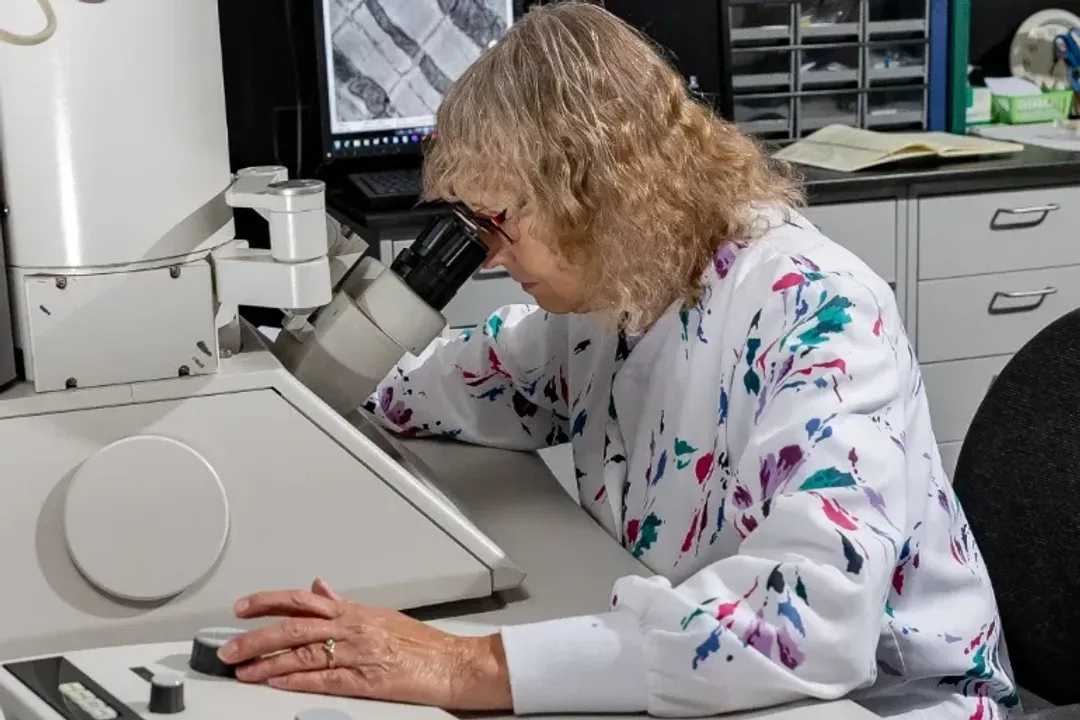
The landscape of tissue engineering is rapidly evolving, creating a spectrum of specialized career paths that blend biology, materials science, and engineering principles to address profound medical challenges. Professionals in this dynamic field are tasked with designing systems that can repair, replace, or augment damaged tissues and organs, moving science from theoretical concept to tangible patient solutions. The demand for these skills is amplified by an aging global population and continuous innovation in regenerative treatments and reconstructive medical technology.
# Research Tracks
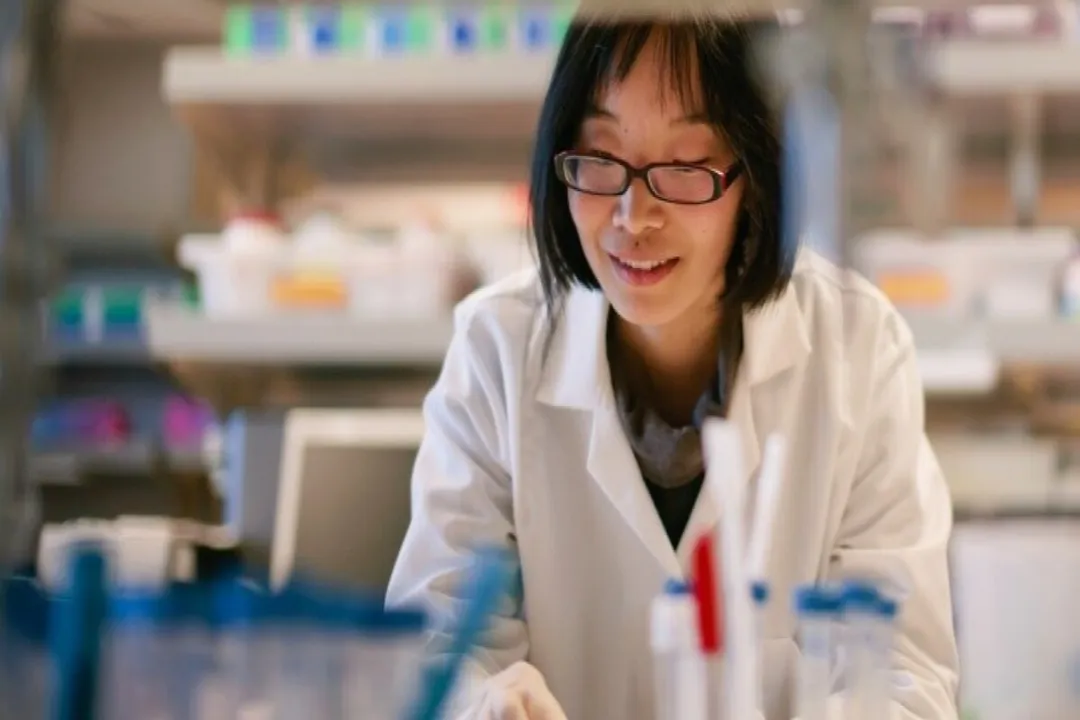
Many career opportunities in tissue engineering are rooted in discovery and development, primarily within academic institutions, government facilities, or the R&D divisions of large pharmaceutical and biotech companies. These roles are often research-intensive, demanding rigorous experimental design and a deep foundation in core scientific principles.
# Scientist Roles
At the heart of discovery are Biomedical Research Scientists and their specialized counterparts. These individuals lead laboratory research programs, which in the context of tissue engineering, might focus on biomaterials, regenerative medicine techniques, or novel drug delivery systems.
The specific titles often depend on the environment. At world-leading institutes focused on translation, such as the Wake Forest Institute for Regenerative Medicine (WFIRM), one might find roles like Scientist (PhD) focused on highly specific applications, such as investigating neurological diseases caused by biological toxins or assessing ocular toxicity from chemical exposure. These positions require deep expertise in areas like molecular toxicology, protein expression, or systems biology.
For those with a PhD but seeking a leadership track in research, roles such as Academic or Industry Research Director exist, overseeing multidisciplinary teams, securing grant funding, and guiding the overall strategic vision for advanced projects.
# Supporting Expertise
Beyond the lead scientists, research endeavors require significant technical and computational support:
- Post-doctoral Researchers: Often the next step after a doctoral degree, these roles involve participating directly in focused research projects, such as developing advanced organ-on-a-chip technologies, utilizing biofabrication, and characterizing tissue constructs.
- Research Laboratory Technicians: These professionals execute the day-to-day experimentation under supervision, performing routine and non-routine tests, maintaining equipment, processing samples, and logging data. While some entry-level lab tech positions may be available with a high school diploma and relevant experience, a bachelor's degree in a scientific field is often preferred.
- Data Scientist: A reflection of the field's modernization, roles like Data Scientist are increasingly common, especially in centers that integrate large-scale data analysis. These positions specifically seek expertise in Artificial Intelligence/Machine Learning (AI/ML) to model relationships between genetic variation, cellular phenotypes, and clinical conditions.
The desired skills in this track are intrinsically interdisciplinary, ranging from cell culture and hydrogel development to bioinformatics and fluid modeling.
# Industry and Manufacturing Careers
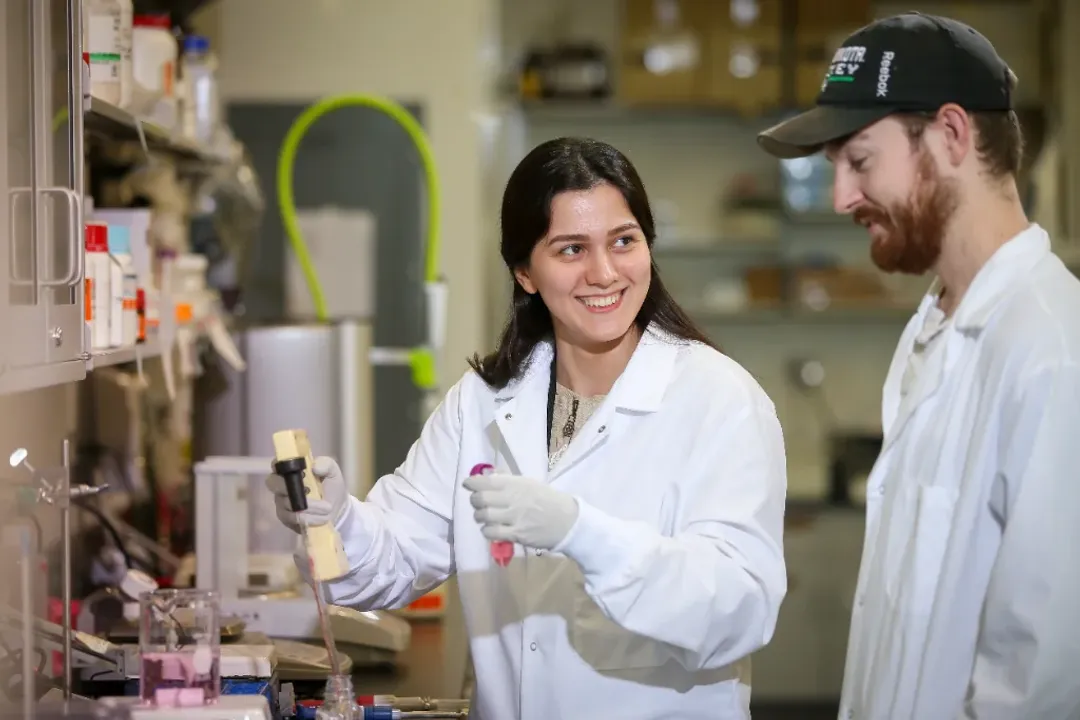
While academic settings focus on fundamental discovery, the commercial sector drives the translation of tissue engineering advances into products available to patients. The biomaterials-based sector itself is a significant market, with projections showing considerable growth.
# Product Development Focus
Careers in industry bridge the gap between a validated concept and a marketable medical device or therapeutic. A role like Tissue Engineer at a venture-backed startup, for instance, is highly focused on new product development (NPD), requiring the candidate to collaborate across engineering, quality assurance, and materials science teams.
Key responsibilities in these industry roles often center on:
- Preparing three-dimensional constructs like scaffolds or hydrogels for experiments.
- Working with animal and human tissue and cells for regulatory enabling studies.
- Characterizing constructs using advanced techniques like confocal imaging, PCR, and flow cytometry.
- Ensuring procedural and document compliance.
A crucial point for those with a purely academic research background is the need to demonstrate familiarity with regulated environments. Experience in a cGMP (current Good Manufacturing Practice) environment, even if not strictly required for every R&D role, is considered advantageous when manufacturing human-use products.
# Process and Scale-Up
Moving a bench-scale protocol to mass production involves distinct engineering disciplines. Biomanufacturing or Process Engineers are critical here, focusing on scaling the production of regenerative therapies and biologics within compliant environments. These professionals optimize production workflows, ensure quality control, and manage the transition from small-scale R&D to larger, consistent manufacturing runs. Similarly, Manufacturing Engineers in the biomedical field focus on creating high-quality, low-cost products, potentially taking leadership roles in the design or management of teams creating hospital equipment or prosthetic limbs.
It is an emerging reality that the successful transition of engineered tissues from the lab bench to patient application hinges on process engineering expertise. While a PhD might unlock the initial R&D door, possessing verifiable experience in process optimization or cGMP environments is often the necessary skill set that convinces a company to move a technology forward toward clinical application, regardless of the advanced academic degree held.
# Commercialization Support Roles
Tissue engineering careers extend into the regulatory and business aspects necessary to bring products to market:
- Regulatory Affairs Specialist: These experts navigate the complex requirements set by agencies like the FDA, ensuring that novel medical devices and cell/tissue-based therapies meet all safety and legal standards before reaching consumers.
- Independent Consultant: Experienced professionals can transition to consulting, advising medical organizations and research institutions on crucial decisions regarding process execution, equipment selection, and organizational structuring.
- Clinical Engineer: While more generalized in BME, this track is relevant in settings that use engineered products, focusing on managing, maintaining, evaluating, and ensuring the safety and regulatory compliance of advanced medical equipment within hospitals.
| Career Area | Primary Focus | Typical Degree Level Preference | Key Environment |
|---|---|---|---|
| Research Scientist | Discovery, hypothesis testing, novel technique development | PhD or Postdoctoral | Academia, Government Labs, Biotech R&D |
| Tissue Engineer (NPD) | Experimentation, prototyping, biomaterial interaction, early characterization | BS/MS/PhD with relevant lab experience | Biotech/Device Startups |
| Process Engineer | Scaling production, optimizing manufacturing consistency | MS/PhD (Engineering focus) | Biopharma, Contract Manufacturing (CMO) |
| Regulatory Specialist | Ensuring compliance with safety standards (FDA, etc.) | Advanced degree often helpful, specific knowledge key | Industry (Device/Pharma) |

# Foundational Skills and Educational Pathways
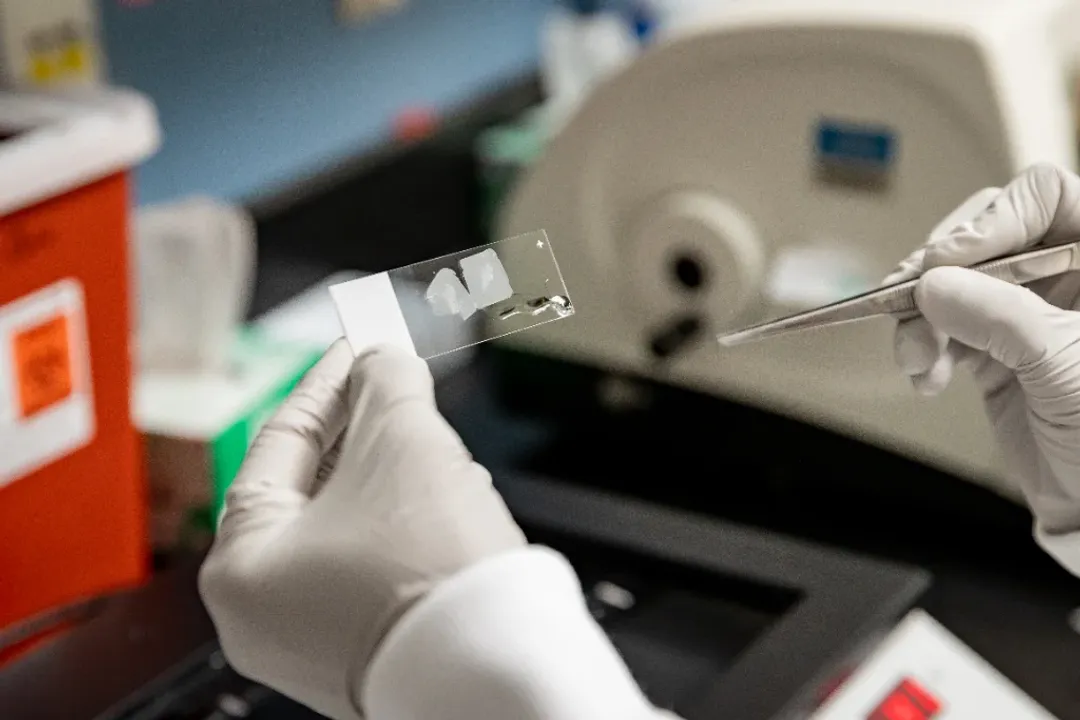
The career paths outlined above demand a unique combination of technical proficiency and adaptability. While the starting point for many is a bachelor's degree in Biomedical Engineering (BME) or a related field like materials science or chemical engineering, specialization in tissue engineering typically requires postgraduate work.
For those targeting research-intensive roles—especially those leading their own projects or seeking specialized industry positions—a Master of Science (MS) or a Doctorate (PhD) is often the standard entry ticket. In fact, some career discussions suggest that for the most desirable roles directly involving tissue engineering work, a PhD may be required, even if a BS holder can find adjacent jobs in related device manufacturing.
The modern tissue engineer must be fluent in several domains simultaneously. For example, the interplay between in vitro models, in vivo results, and computational predictions is becoming central. This convergence means that the effective tissue engineer is rapidly becoming a computational biologist who uses the engineering of living systems as their primary application space. Someone whose background includes strong programming skills (like Python) alongside cell culture techniques is uniquely positioned in today's environment, reflecting the need to connect molecular assays with high-throughput data analysis.
# Charting the Path Forward
Deciding between an academic path (where one might secure tenure-track positions after postdoctoral work) and an industry path requires careful consideration of long-term goals. While academia offers the freedom of pure discovery, industry promises the rapid translation of science into accessible treatments.
When evaluating options immediately post-graduation, especially with a bachelor's or master's degree, candidates may find that certain industry segments are more accessible. For instance, roles in medical device manufacturing, quality assurance, or process engineering—fields adjacent to tissue engineering—are often more willing to hire those with less direct experience in a highly specialized area like regenerative medicine, provided they have solid engineering fundamentals. Contract work can sometimes serve as an essential bridge to gain industry exposure before securing a permanent R&D role.
Ultimately, whether one focuses on developing new biomaterials, perfecting biofabrication techniques, or designing the computational models to predict tissue function, the careers in tissue engineering offer the distinct reward of directly contributing to the tangible improvement of human health and longevity.
Related Questions
#Citations
Careers in Biomaterials and Tissue Engineering - CSU Online
I have a BS in BME (Tissue Engineering). What can I do with it?
10 Excellent Biomedical Engineering Career Opportunities
Navigating Biomedical Engineering Careers: A 2026 Guide
3 Tissue-Engineering Companies Worldwide | Biotech Careers
Tissue Engineer - MATTER Chicago
7 Career Paths You Can Take With a Biomedical Engineering Degree
Careers - Work for Wake Forest Institute for Regenerative Medicine