How do you work in supply chain AI?
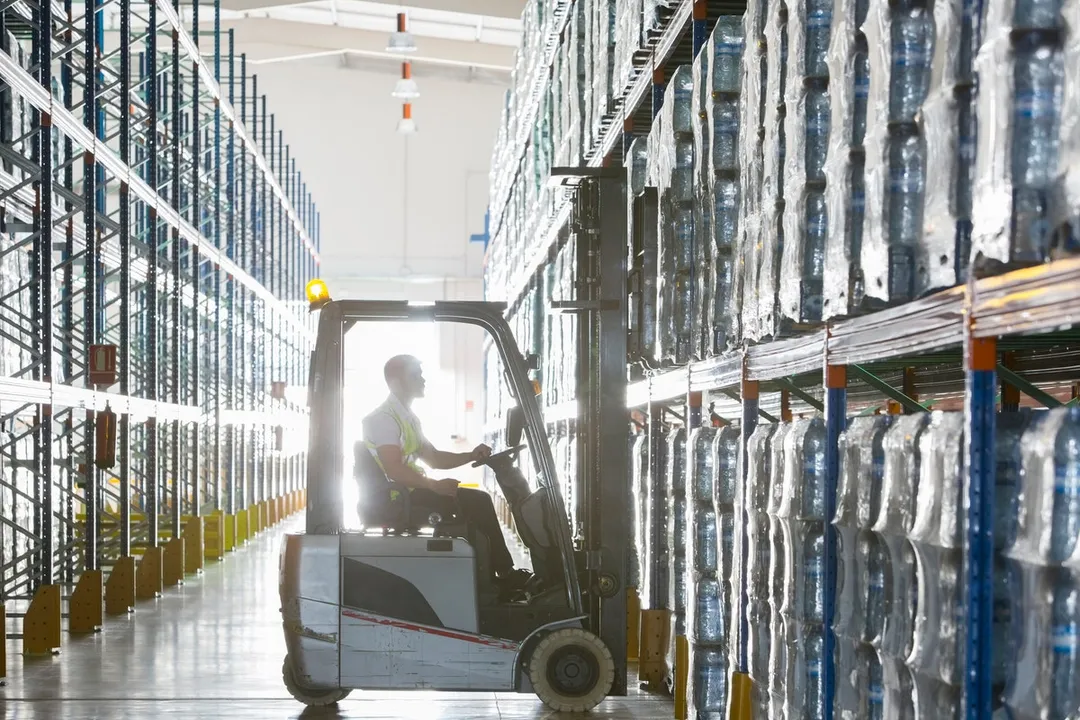
The adoption of artificial intelligence within supply chain management is no longer a distant projection; it is actively reshaping daily operational execution across planning, logistics, and procurement functions. [7][8] Working in this evolving field means integrating sophisticated analytical tools that manage complexity far beyond human capacity, transforming reactive responses into proactive strategies. [2][8]
# AI Capabilities

At its foundation, the work involves applying technologies like machine learning and deep learning to interpret the colossal amounts of data generated by modern global networks. [2][8] These algorithms look for patterns that predict future states or optimize current actions based on historical performance and real-time inputs. [1] For instance, rather than relying solely on historical sales averages, AI-driven demand sensing incorporates external variables—like marketing spend, competitor behavior, or macroeconomic indicators—to generate a much finer-grained forecast. [1] This enhanced predictive power is critical when market volatility is high. [8]
The core value proposition AI brings is enhanced visibility and improved decision support across the entire chain. [7] It moves the supply chain professional away from simply reporting what happened to confidently advising on what should happen next. [9]
# Operational Applications

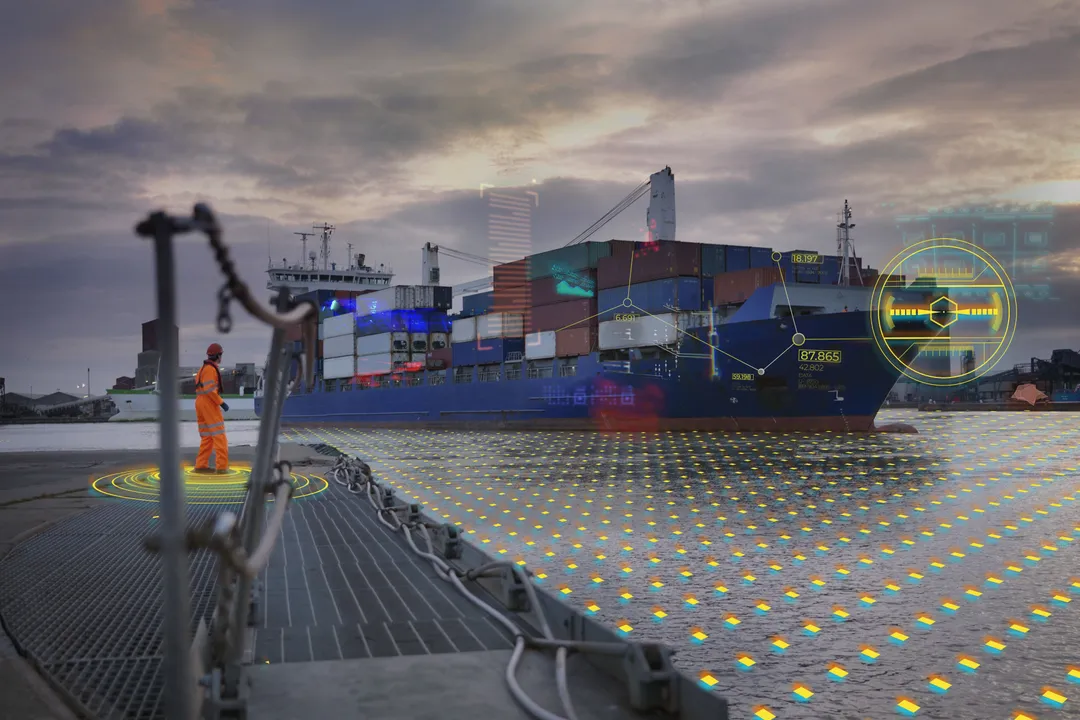
The application of AI manifests in several critical operational areas. In logistics, AI powers dynamic route optimization, adjusting shipping paths based on current traffic, unexpected delays, or changing inventory needs in transit. [1][3] This capability helps reduce transit times and fuel consumption simultaneously. [1]
For asset management, predictive maintenance utilizes sensor data from machinery—like warehouse conveyor systems or fleet vehicles—to signal required service before a failure occurs. This shifts maintenance from a costly, disruptive break/fix model to a scheduled, efficiency-focused one. [2]
Procurement sees similar benefits. AI tools can continuously scan supplier performance data, flagging anomalies or evaluating geopolitical stability in sourcing regions to preemptively warn buyers about potential supply disruptions. [8] This capability allows teams to secure alternative sources or build buffer stock before a crisis hits the broader market. [8]

# Generative AI Value
A newer frontier involves generative AI (GenAI), which excels at processing and creating text or code-like outputs based on massive inputs of unstructured data. [5] While predictive AI optimizes known variables, GenAI shows promise in synthesizing information from previously siloed documents. [5] Imagine a system that can instantly summarize the key changes across a thousand pages of newly released supplier compliance documentation, or draft initial responses to complex inventory shortage inquiries based on a synthesis of manufacturing schedules and open sales orders. [5]
If you look at how professionals interact with these systems, GenAI is beginning to change the interface itself. Traditional planning often requires a user to understand how to structure a query within a specific planning software module. GenAI offers the potential to make that interaction conversational, allowing a planner to state their problem in plain English and receive actionable, data-backed scenarios in return. [5] This shift suggests that the barrier to entry for complex analysis might lower, making advanced analytical outputs more accessible across different skill levels within an organization. [5]
# Data Integrity Focus
Working effectively with supply chain AI fundamentally requires a deep commitment to data quality. Every AI model, regardless of how sophisticated its algorithm, is fundamentally dependent on the integrity of the data it trains on and receives live input from. [9] If the data streaming from an ERP system is inaccurate—for example, showing inventory levels that don't match physical counts—the resulting AI-driven recommendations will be flawed, leading to misallocations or stockouts. [6][9]
Professionals must view data cleansing and governance not as a temporary clean-up task, but as a continuous, high-priority element of the AI lifecycle. [9] The perceived magic of AI often dissolves quickly when the underlying data proves untrustworthy, leading to skepticism among end-users. [4] Building trust in the system starts with rigorously validating the inputs.

# Evolving Professional Skills
The prevailing sentiment among those already embedded in this transformation is that AI acts as an augmenter rather than a pure replacement for human supply chain experts. [4] The tasks that require deep contextual judgment, ethical consideration, and complex negotiation will remain human domains, but the data processing supporting those decisions becomes automated. [9] This means the skill set required for advancement is changing dramatically. [6]
A supply chain professional must develop strong data literacy—not necessarily needing to code the model, but needing to understand how the model works, what assumptions it makes, and crucially, where its limitations lie. [6] For example, an AI system might flag a massive forecast increase based on a promotion it sees in marketing data. A seasoned planner’s expertise comes into play by knowing whether that specific marketing channel is historically reliable or if it’s a new test campaign likely to fail its predicted conversion rate. [6]
To successfully navigate this career evolution, one approach is to deliberately categorize decision points. When a system suggests an action, the expert should assess whether they are accepting the recommendation, modifying it slightly, or completely overriding it. A consistent pattern of overriding an AI’s suggestion for a specific input type indicates a flaw in the model’s design or the training data for that context, requiring immediate expertise intervention for correction. [9] This continuous feedback loop is how human expertise refines artificial intelligence to better match physical reality. [6]
# Implementation Hurdles
Successfully deploying AI solutions moves beyond simply purchasing the software; it demands a structured approach to problem-solving. [2] Many organizations fail when they adopt technology seeking a vague improvement rather than targeting a specific, measurable business pain point. [6] The first step in working with supply chain AI is to clearly define the operational bottleneck that technology is expected to solve, whether it is reducing working capital tied up in safety stock or improving on-time delivery metrics by a specific percentage. [2]
Furthermore, the deployment often requires cross-functional collaboration unlike traditional IT projects. [7] Data scientists who understand statistical modeling must work hand-in-hand with operations managers who possess the deep, tacit knowledge of the warehouse floor or the carrier network. [7] This integration ensures that the mathematical output of the model translates into practical, executable instructions that workers on the ground can follow reliably. [7] Demonstrating early, tangible wins through focused pilot projects is often cited as the best way to gain organizational buy-in and scale AI adoption responsibly. [2]
#Videos
Put AI to work in supply chains - YouTube
Related Questions
#Citations
What is AI in Supply Chain Management? Examples and Use Cases
What Is AI in Supply Chain? - IBM
Put AI to work in supply chains - YouTube
How do you guys feel about AI eating into supply chain work - Reddit
How supply chains benefit from using generative AI | EY - US
6 Things Supply Chain Professionals Need to Know About AI - ASCM
AI in Modern Supply Chain Management | Deloitte US
What is AI in supply chain management? - Kinaxis
Don't Get Left Behind: Climbing the AI Ladder in Your Supply Chain ...