How do you work in ergonomic tech design?

Ergonomic tech design moves far beyond simply choosing a slightly curved mouse or a monitor stand; it’s a discipline rooted in understanding human capabilities and limitations to create tools and environments that enhance performance while minimizing discomfort and risk. [3] In the modern landscape, where prolonged screen time is the norm for knowledge workers and digital creators alike, the focus shifts from just avoiding injury to optimizing cognitive flow and sustained productivity. [9] This work involves a marriage of engineering, psychology, and design, ensuring that the technology users interact with—whether software interfaces or physical hardware—conforms to the human body and mind, rather than forcing the human to adapt to the machine. [3]
# Core Principles

The foundation of ergonomic design rests on understanding three main areas: physical comfort, safety, and efficiency. [2] It is a scientific approach to fitting the job to the person. [3] When designers approach a new piece of technology, they must consider the physical aspects, such as posture and repetitive motion, alongside the cognitive load associated with using the interface. [2]
The physical considerations often center on posture and force reduction. For instance, maintaining a neutral posture—where joints are aligned naturally—is a primary goal. [3] This means keeping wrists straight, elbows near the body, and the neck in a relaxed, upright position. [5] If a tool requires excessive force or awkward joint angles, it creates stress points that can lead to musculoskeletal disorders over time. [3]
Beyond the immediate physical reaction, good ergonomic design addresses the long-term interaction. Many developers, for example, overlook crucial features because they are focused on functionality over the user’s physical experience. [2] One area that is often overlooked is the sheer duration of the interaction. A design might feel fine for five minutes, but a poor design choice repeated thousands of times over a workweek becomes a significant contributor to cumulative trauma. [2] This iterative nature of use demands that the designer thinks not just about the moment of interaction, but the lifetime of the product in the user’s hands. [3]
# Key Features

When developing tech tools, there are several tangible features that developers often miss if they lack specific ergonomic training. [2] These details, when correctly implemented, distinguish a merely functional tool from a truly supportive one.
For hardware, adjustability is paramount, as people vary significantly in size and reach. Features like variable keyboard tilt, height-adjustable monitors, and armrests that move both vertically and horizontally allow the user to customize the fit. [7] However, adjustability is useless if the range of motion is insufficient or if the adjustment mechanisms are difficult to operate. [2] A poorly designed adjustment lever that requires significant grip strength or precise coordination defeats the purpose of ergonomic improvement. [2]
In the realm of software and user interfaces (UI/UX), ergonomics centers on minimizing visual strain and cognitive burden. Key considerations include:
- Contrast and Readability: Ensuring text size, color contrast, and font choice do not cause unnecessary eye strain. [2][6] In low-light environments, excessive brightness or poor contrast can force the eyes to work much harder, mimicking physical fatigue. [6]
- Minimizing Steps: Reducing the number of clicks or screen transitions required to complete frequent tasks. [2] Every unnecessary click is a small physical action and a small cognitive step that adds up. [6]
- Consistency: Maintaining predictable layouts and interaction patterns across the application, which lowers the learning curve and reduces the mental effort needed to anticipate outcomes. [6]
A design tip often shared in the tech space is to make sure that frequently used controls are within easy reach or access points, similar to how the primary functions on a dashboard are central. [6] If you map out the top five actions a user takes daily in a specific software application, those interactions should require the least amount of physical movement, whether that movement is reaching for a mouse or navigating a menu hierarchy. [4]
Consider the concept of force application in software interaction. While we don't use muscles to click a button, the digital equivalent is the mental energy required to make a decision or resolve an ambiguity. A feature that requires the user to stop and deliberately interpret an icon, rather than instantly recognizing it based on convention, imposes a cognitive force. [2]

# Workstation Setup
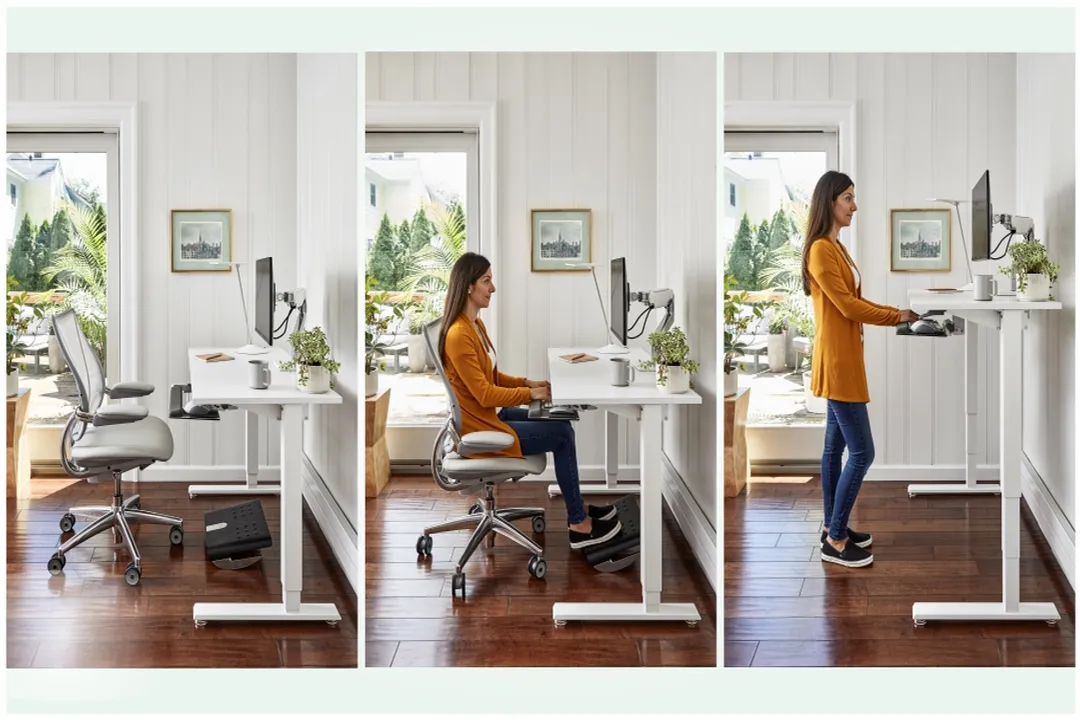
Ergonomic design principles extend beyond the tool itself into the environment where the tool is used. [3] For tech professionals, this primarily means setting up the physical workstation correctly. [7] A perfect ergonomic mouse is ineffective if the user is forced to work hunched over a low desk. [5]
The general guidelines for a proper desk setup focus on maintaining neutral postures, as mentioned earlier. [3][7] When setting up a primary workstation, attention must be paid to:
- Chair: The chair should support the lower back curve, and the feet must rest flat on the floor or a stable footrest. [5][7] Adjust the seat height so that the elbows are roughly level with the desktop when typing. [5]
- Monitor Placement: The top of the screen should be at or slightly below eye level, and the screen should be about an arm's length away from the face. [5][7] This positioning minimizes neck flexion, which is a common source of tension headaches and upper back strain. [3]
- Input Devices: Keyboards and mice should be placed where the wrists remain straight and the shoulders relaxed. [7] Holding a mouse requires maintaining a slightly open wrist posture, rather than flexing it upward toward the forearm. [3]
It is interesting to note how often these ideal setups are compromised for the sake of aesthetics or temporary convenience. For instance, many people place their primary document viewer off to the side of their main coding screen to mimic a dual-monitor setup, but if that second screen requires constant neck rotation, the ergonomic benefit of the extra real estate is lost to strain. [5] A more adaptable approach is to ensure that any secondary visual information is positioned directly above or below the primary focus area, allowing only small, vertical eye movements rather than large head turns. [7] This addresses the simple reality that even small, repetitive movements, when performed for hours daily, create cumulative stress patterns that designers need to actively mitigate. [3]
# Career Paths
Working in ergonomic tech design requires a specific blend of technical knowledge and human-centered understanding. [1] This field often intersects with Industrial Design, Human Factors Engineering, User Experience (UX) Design, and sometimes even specialized Physical Therapy or Occupational Health consultation. [4]
For someone looking to break into this career, accumulating practical experience and targeted knowledge is key. [1] One path involves specializing within an existing design role, perhaps moving from general product design to focusing on accessibility and usability testing protocols. [1] Another route involves formal education or certification in Human Factors, which provides the scientific grounding for ergonomic assessment. [1]
The LinkedIn advice suggests that building a portfolio with tangible projects is crucial. [1] This portfolio shouldn't just showcase what you designed, but how you arrived at the ergonomic solution. For example, documenting the iterative testing process with different body types, or using anthropometric data to justify a specific dimension, speaks volumes about expertise. [1]
A common career focus, particularly mentioned in discussions among industrial engineers, is on applying ergonomic principles to manufacturing or assembly line environments, which often involves designing tools or processes for factory workers. [4] However, in tech design, the application is similar but shifts to digital interaction and office equipment. [9] You might find roles within large tech companies' internal Operations or Workplace Experience departments, or within hardware manufacturers focusing on peripherals. [4]
To truly demonstrate expertise (E-E-A-T, as it were), designers need to move beyond simply meeting minimum compliance standards. Expertise means anticipating future interaction modes and proactively designing for them. [1] For example, understanding how a device might be used while standing, sitting on a couch, or while commuting—not just at a traditional desk—shows a deeper engagement with real-world usage scenarios. [1][3]

# Design Adoption
The final, and often hardest, part of working in ergonomic tech design is ensuring the solutions are actually adopted by users and implemented by stakeholders. [6] A perfect ergonomic design that is too complex or fails to deliver immediate, noticeable value will likely be ignored or disabled by the end-user. [2]
Tech tools must offer a perceived benefit that outweighs the perceived cost of change. If a new interface is 10% more ergonomic but requires the user to spend three days relearning basic commands, adoption will fail. [2] Therefore, successful ergonomic design integrates changes subtly, often framing them as general improvements to efficiency or clarity rather than solely as ergonomic mandates. [6]
When presenting a design rationale to management or product owners, the argument should shift from simple injury prevention to quantifiable gains in output quality or speed. While injury reduction is a massive benefit, the cost savings associated with fewer sick days or reduced insurance premiums can be abstract for product teams. [9] Instead, focus on how proper design reduces cognitive switching costs or speeds up complex data entry tasks. [6]
Here is a simple comparison of focus areas when justifying design choices:
| Focus Area | Traditional (Non-Ergonomic) Justification | Ergonomic Design Justification |
|---|---|---|
| Monitor Height | "It meets standard screen height requirements." | "It aligns with the user's median eye line, reducing neck extension torque by an estimated 40% during sustained focus tasks." |
| Software Workflow | "It requires five clicks to complete the report." | "It requires five clicks, but the path minimizes context switching, saving an estimated 15 seconds of cognitive recovery time per cycle." |
| Input Device | "It's the cheapest mouse we can buy." | "This contoured grip minimizes forearm pronation, reducing perceived exertion scores from 7/10 to 3/10 during high-frequency tasks." |
This kind of metric-driven presentation, which quantifies the human experience using measurable outputs, is often what convinces organizations to invest in superior ergonomic technology. [9] True mastery in this field means not only creating the ideal design but also crafting the persuasive case that leads to its widespread, sustained use. [1][6]
#Videos
Ergonomic Design - YouTube
Related Questions
#Citations
What are the best ways to break into an ergonomic design career?
10 Essential Features Of Good Ergonomic Design Tech Developers ...
[PDF] Ergonomics and Design A Reference Guide
Job with a focus on ergonomics? : r/industrialengineering - Reddit
Ergonomic Design - YouTube
16 Tips To Help Ensure Good Ergonomic Design In New Tech Tools
Ergonomic workstation design - Olivier Girard
Ergonomics: The New Mantra for the Modern Tech Office
Office ergonomics: Your how-to guide - Mayo Clinic