How do you enter the commercial space launch industry?
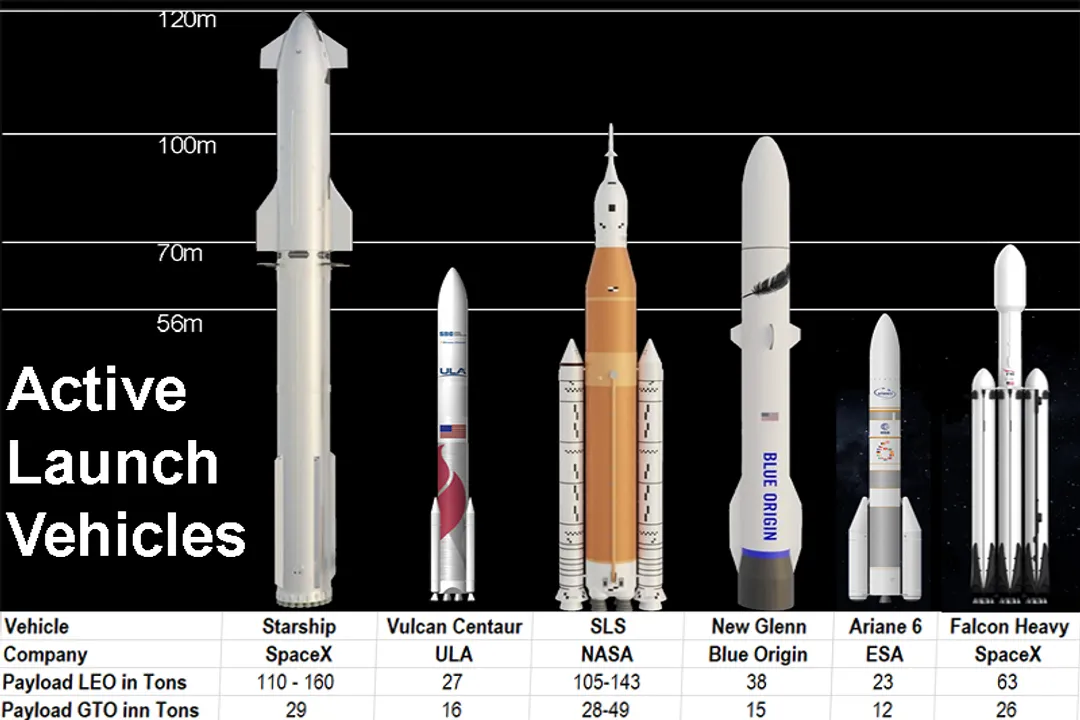
Breaking into the commercial space launch industry is less about winning a lottery and more about securing a specialized trade skill in a rapidly expanding, yet highly regulated, domain. The sector has fundamentally shifted; it’s no longer solely the realm of massive government agencies but a vibrant ecosystem powered by private capital, innovative startups, and established aerospace giants. [4][10] Whether your ambition lies in building the next generation of reusable boosters, drafting international trade agreements for orbital debris, or simply managing the supply chain for a satellite constellation, the pathway requires strategic focus and a clear understanding of the current industrial structure. [7][1]
# Necessary Education
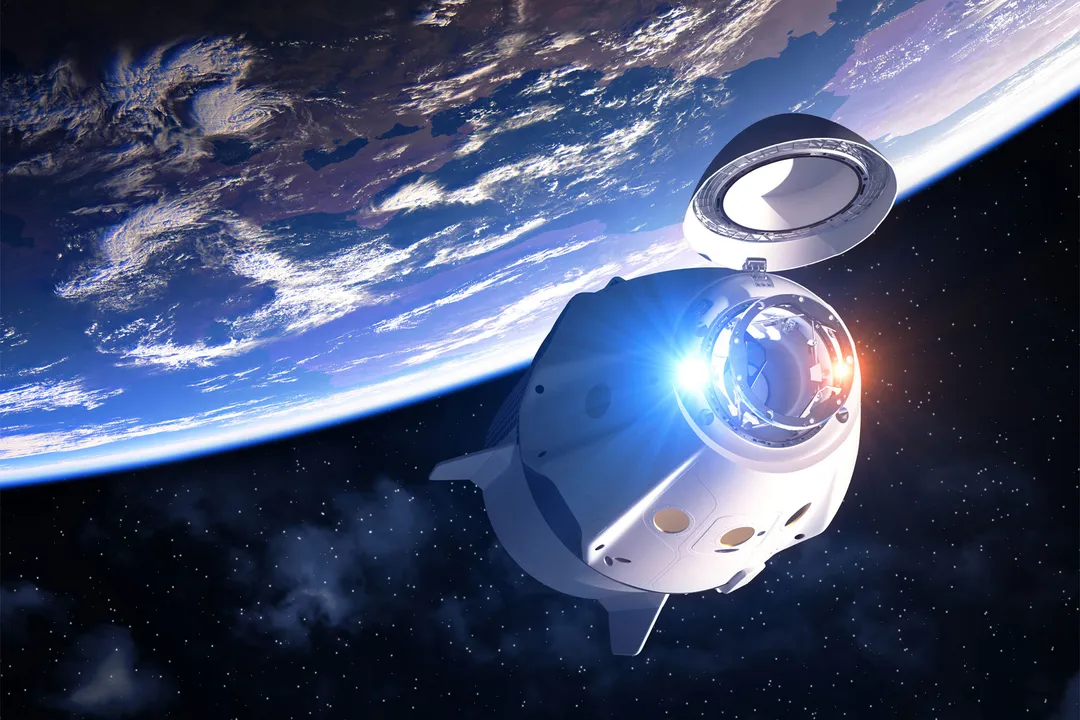
The bedrock of any career in this industry, particularly on the technical side, remains strong STEM foundations. A bachelor’s degree is typically the entry point, with degrees in engineering—aerospace, mechanical, electrical, or software—being highly sought after. [1] If you are considering the hardware side, knowledge of propulsion systems, materials science, and fluid dynamics proves invaluable. [3] However, the breadth of the industry means that specialized non-engineering roles are equally critical. For those interested in the policy, legal, or financial aspects, degrees in law, international relations, public policy, or even finance are relevant, especially when coupled with an understanding of the unique technical challenges involved. [7]
Many career pathways now benefit significantly from advanced degrees. A Master’s degree or a Ph.D. can open doors to more specialized research and development positions, or roles that require a deep dive into specific technical areas like orbital mechanics or advanced manufacturing techniques. [1] For example, while an undergraduate degree might land you a role on a ground support team, a Ph.D. might be necessary to lead the design team for a specific avionics subsystem. [3]
It is important to recognize that the commercial space sector, while technically driven, requires business acumen just as much as engineering prowess. Companies are driven by return on investment and competitive pricing for launch services. [8] Therefore, individuals who can bridge the gap—perhaps an engineer who understands contract negotiation, or a business major who grasps the physics of orbital mechanics—often find themselves positioned for leadership roles. [7]
# Career Diversity
When people think of commercial space, they immediately picture the launch vehicle itself. While propulsion engineers and flight controllers are essential, the sheer scope of the modern space economy demands far more diverse skill sets. [1] The industry stretches far beyond the launch pad and into ground operations, mission control, software development, data analytics, manufacturing, and even insurance underwriting. [3]
For example, the push for frequent and rapid launch cadence—a core tenet of the commercial sector—requires sophisticated software and automation expertise. Developers who can write flight-critical code or create robust ground support software that minimizes human error are in high demand. [3] Similarly, as satellite constellations proliferate, the need for data scientists capable of processing massive streams of Earth observation data or optimizing satellite networks for global communication becomes paramount. [7]
One often overlooked area is supply chain and manufacturing logistics. As companies move away from custom, one-off production toward assembly-line style manufacturing for rockets and satellites (akin to the automotive industry), experts in lean manufacturing, quality assurance for flight hardware, and complex global supply chain management are suddenly essential cogs in the machine. [1] Thinking about a career pivot, someone from the oil and gas or commercial aviation sectors might find their experience with high-reliability, high-throughput complex systems directly transferable to rocket manufacturing and operations. [3]
Another area ripe for entry is the specialized legal and policy domain. With more players launching more objects, the need for experts in international space law, spectrum allocation, and domestic launch licensing is accelerating. [7] This is where the regulatory structures, such as those managed by the Federal Aviation Administration (FAA) and the Department of Commerce (DoC), become the focus of professional careers. [2][5]

# Regulatory Oversight
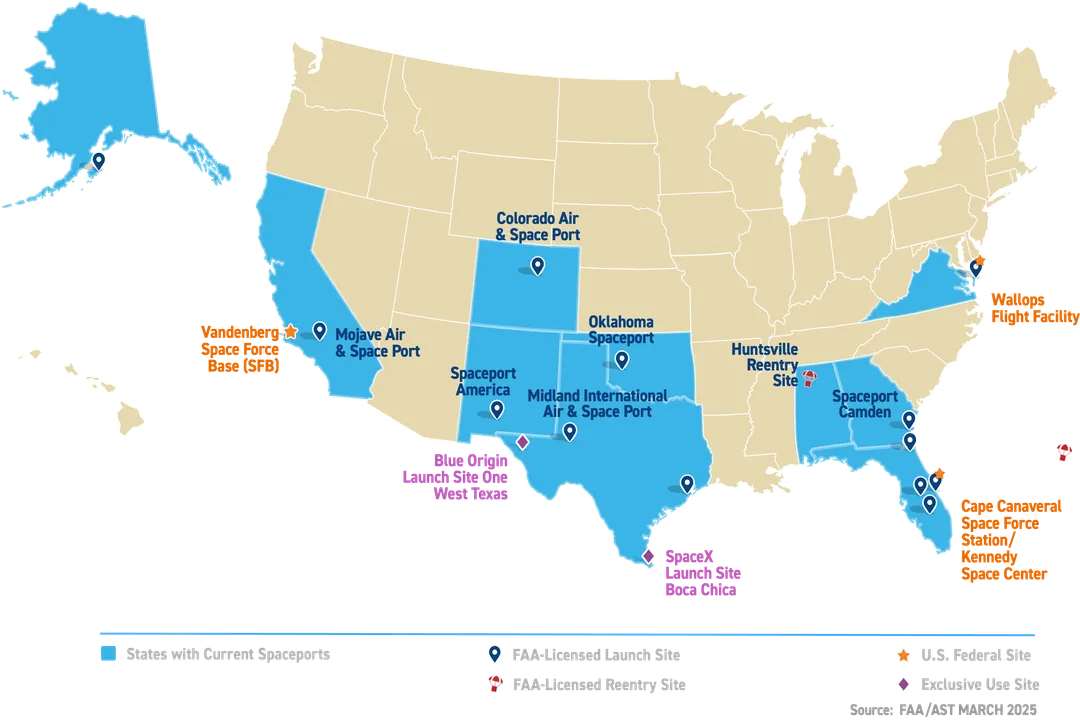
Entering the launch segment of this industry means quickly becoming familiar with the federal agencies responsible for oversight. In the United States, the primary regulator for commercial launch and reentry activities is the FAA Office of Commercial Space Transportation (AST). [2][9] Their function is to ensure that commercial launches do not pose an unreasonable risk to public health and safety, property, or U.S. foreign policy interests. [2]
This regulatory involvement is non-negotiable for any company intending to launch a vehicle from U.S. soil or launch a U.S.-registered payload. [6] If you are looking to work for a launch provider, you will interact with their licensing team, which needs to secure FAA approvals for everything from vehicle design to the specific flight corridor and range safety parameters. [2][9] Even if you work on the payload side, your integration into a licensed launch vehicle necessitates compliance with the range safety regulations established under the FAA's purview. [6]
The FAA AST office manages several key aspects, including:
- Issuing vehicle operator licenses. [6]
- Approving launch and reentry sites. [2]
- Overseeing launch safety and range management. [2]
- Regulating foreign reentry of U.S. commercial space objects. [9]
Conversely, the Department of Commerce (DoC), specifically the Office of Space Commerce, often plays a role in matters related to space situational awareness and international coordination, especially concerning remote sensing or non-launch regulatory aspects for commercial ventures. [5][10] While the FAA handles the launch permit, the DoC's involvement can touch upon the operation and data collection aspects of the mission, depending on the payload. [5] Understanding this division of labor—FAA for the gate-opening (launch/reentry) and DoC for certain operational/policy coordination—is essential for anyone entering the regulatory or business development side of the industry. [5][10]
The interplay between these agencies can be complex. For entrepreneurs, navigating these requirements often means hiring specialized counsel or staff who can translate complex regulations into operational procedures. [5] A key difference to note is the historical focus: the FAA primarily concerns itself with safety and liability related to getting off the ground, whereas the DoC's commercial space focus tends to look at economic competitiveness and space traffic management. [2][5][10]
# Policy and Entrepreneurship
For those coming from a policy background or looking to found a new space venture, engagement with Congressional reporting and trade promotion is also relevant. Congressional Research Service (CRS) reports detail the evolving legislative landscape, showing where the government is currently focusing its attention, whether on national security implications, orbital debris mitigation, or international agreements. [8] Reading these documents provides an authoritative, non-commercial view of the industry's legal and strategic pressures. [8]
Commercial space entrepreneurs, in particular, must map their business plans against this regulatory reality from day one. [5] Simply having a revolutionary rocket design is insufficient; one must also have a viable path through the FAA licensing process, which can be time-consuming and resource-intensive. [6] Trade organizations and government resources exist to help smooth this path, offering guides on navigating U.S. commercial space regulations specifically. [5]
Original Insight 1: The Regulatory Experience Premium
The difficulty in navigating the licensing process creates a premium job market for individuals who have successfully walked that path before. If you are an established regulatory affairs specialist, even one coming from a heavily regulated field like pharmaceuticals or nuclear power, your initial hurdle into space might be lower than a brilliant but entirely new aerospace engineer, provided you focus your resume on process compliance and stakeholder management with federal bodies. A candidate who can credibly state they helped shepherd a complex environmental impact assessment for a new facility—even a terrestrial one—is often more immediately valuable to a startup preparing its first FAA application than someone who has only worked in academic research, because they speak the language of federal risk management. [5][9]
# Practical Entry Tactics
Given the specialized nature of the work, how does an outsider, perhaps someone pivoting from another engineering discipline, actually make the jump?
# Skill Alignment
The first step is an honest audit of your current skills against the industry's needs. [3] Look at job postings from companies like SpaceX, Blue Origin, Rocket Lab, or smaller component suppliers. What are the frequent requirements that overlap with your existing expertise? If you are a seasoned C++ programmer, focus on embedded systems or avionics jobs, rather than trying to learn turbopump design from scratch overnight. [7] If you are a manufacturing specialist, target roles in additive manufacturing or advanced composite production within the sector. [1]
# Networking and Visibility
The commercial space community, while growing, is still relatively tight-knit. [7] Being visible is crucial. This means attending relevant industry conferences—even if you have to go as a student or a guest of a current employee—and actively participating in online forums where industry professionals discuss technical challenges. [3]
Networking isn't just about asking for a job; it's about demonstrating your knowledge and intellectual curiosity. [7] For instance, you might join a discussion about a recent orbital maneuver and offer a thoughtful analysis regarding propellant efficiency, referencing published papers or regulatory precedents you researched. [3] This showcases Expertise and Authority in a way a standard resume cannot. [1]
# Leveraging Government Resources
While the industry is commercial, the government is both the customer and the regulator, meaning their resources are invaluable for understanding the ecosystem. [4][10]
You should actively monitor the public-facing information released by the FAA regarding commercial space activities. [2] Furthermore, resources provided by the DoC's Office of Space Commerce for entrepreneurs can offer insight into the broader policy environment that shapes market entry and growth. [5] It is also beneficial to track NASA’s commercial cargo and crew programs, as these early partnerships laid the groundwork for the current launch landscape and often indicate future areas of investment and technological focus. [4]
Original Insight 2: The "Launch Adjacent" Strategy
Instead of immediately targeting the highly competitive, core launch vehicle developer roles, a powerful entry strategy is to target "launch adjacent" businesses that are experiencing parallel growth. This includes ground support equipment manufacturers, specialized testing facilities, orbital debris tracking service providers, or even consulting firms that specialize in achieving ISO standards for aerospace components. [1] These adjacent sectors require the same high-reliability mindset but often have slightly different hiring cycles and a lower barrier to entry for those pivoting from other high-reliability industries like defense contracting or commercial aviation maintenance. Once inside this adjacent firm, you gain the crucial, hard-to-fake experience of working within the aerospace supply chain, making a subsequent move to a prime launch provider significantly easier in two to three years. [3]
# Understanding the Business Models
To truly enter the industry successfully, one must appreciate the economics driving it. Unlike the Apollo era, which was funded by sheer national will, modern commercial space is driven by service delivery and cost reduction. [4][8] This means the value proposition of a company is often tied to metrics like cost per kilogram to Low Earth Orbit (LEO), launch cadence, and reliability. [8]
Companies are generally pursuing two major paths to profitability:
- The Vertical Integrator: Building everything in-house, from the engine to the avionics, to maximize control over design, cost, and schedule (e.g., SpaceX). [4]
- The Lean/Specialized Provider: Focusing on a niche, such as small-satellite dedicated launchers, and often relying on commercial off-the-shelf (COTS) components or subcontracting major systems to maintain a lower overhead and faster iteration cycle. [8]
Your entry strategy should align with which model best suits your skill set. A highly specialized expert in avionics software might fit better with a vertically integrated giant that needs deep internal expertise, whereas a procurement specialist focused on reducing costs for standard electronic components might be an ideal fit for a leaner, specialized provider focusing on high launch frequency. [1]
For those focused on the regulatory and policy side, understanding the U.S. legislative posture, as detailed in government reports, illuminates where subsidies, investment guarantees, and future regulatory focus will be placed—key indicators for long-term commercial viability. [8] The Federal government remains a massive customer through NASA and the Department of Defense, meaning that securing contracts with them is often the financial lifeline for many launch service providers. [4][10]
In summary, entering this dynamic field requires more than just passion for space; it demands marrying that passion with a high-value, demonstrable skill set, a clear appreciation for the stringent regulatory environment managed by bodies like the FAA, and a realistic understanding of the underlying commercial economics that dictate who succeeds and who struggles to stay on the pad. [2][7]
Related Questions
#Citations
What careers are there in space and how do you get started? - EVONA
Commercial Space Transportation | Federal Aviation Administration
Career pivot into space industry... but where to start? - Reddit
Commercial Space - NASA
Navigating U.S. Commercial Space Regulations
How to get involved in the space industry - Quora
Commercial Space Launch and Reentry Regulations - Congress.gov
Commercial Space - International Trade Administration