Are careers in logistics automation viable?

The rapid integration of automated systems across warehousing, transport, and supply chain management naturally prompts questions about the longevity of human roles within logistics. [6] While technology promises massive efficiency gains and an overall opportunity for industry growth, this transformation also brings considerable uncertainty regarding the future employment landscape. [6] Understanding where the technology is succeeding and where human intervention remains essential is key to charting a viable career path in this evolving sector. [4]
# Sector Change
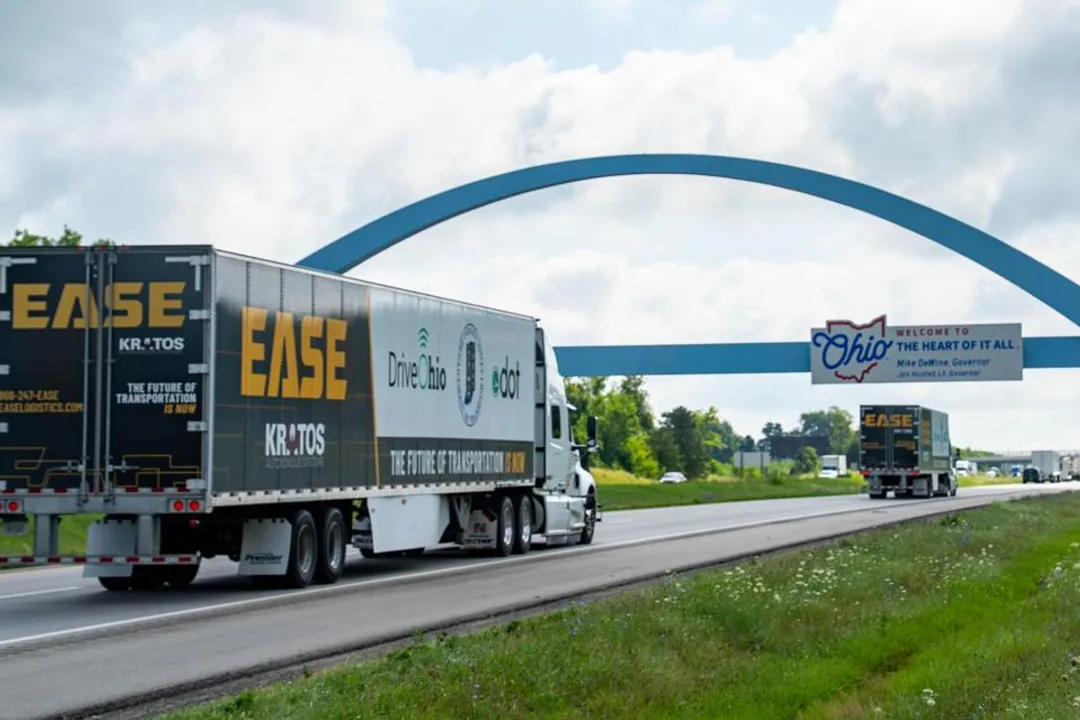
The conversation around logistics automation isn't purely about replacement; it's about redefinition. McKinsey notes that while automation presents a big opportunity for productivity enhancement, it concurrently brings bigger uncertainty about workforce structure. [6] This uncertainty stems from the uneven adoption rate and technological capability. For example, certain repetitive, high-volume activities are ripe for automation, leading to near-term changes in specific job functions. [4] However, current automation solutions are not universally applicable or perfected; not every aspect of logistics is currently being automated effectively. [4]
This divergence means that while some tasks vanish, the overall complexity of the system, managed by fewer people, increases. The human element shifts from executing routine tasks to governing complex, automated flows. [9] Some suggest that AI is stepping in to handle the important, yet often undesirable, repetitive work that few people wish to do anyway, shifting human focus elsewhere. [9]
# Task Exposure
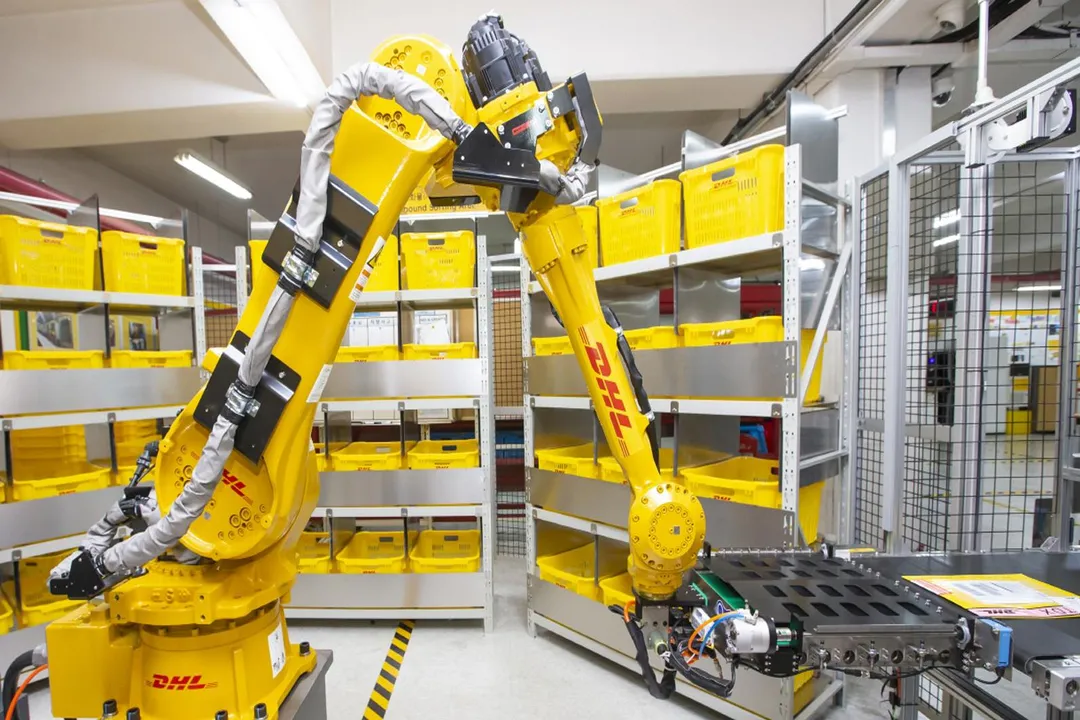
To assess career viability, it helps to analyze job functions based on their susceptibility to automation. [7] Tradlinx research helps delineate jobs by automation risk, finding that roles heavily reliant on highly standardized physical or data processing tasks face the greatest immediate pressure. [7]
Consider a simple ranking of risk exposure:
| Risk Level | Example Tasks/Roles | Rationale |
|---|---|---|
| High Risk | Basic data entry, simple inventory counting, routine loading/unloading | Highly repetitive, rule-based, easily codified for robotics or software [7] |
| Medium Risk | Standard route planning, simple customer order processing | Improved by AI/software, but exceptions still require human oversight [7] |
| Low Risk | Complex exception handling, supplier negotiation, regulatory compliance review | Requires abstract reasoning, ethical judgment, and nuanced communication [7] |
The key difference often lies between predictable, high-frequency tasks and unpredictable, low-frequency exceptions. [7] Roles centered on managing the exceptions, troubleshooting system failures, or dealing with novel problems—the things that "nobody else wants to do" because they are too messy for rigid programming—are less likely to disappear entirely. [9] They are, however, highly likely to change their day-to-day focus. [8]

# New Skills

If the tasks are changing, the required human capabilities must evolve to match. Future-proofing a logistics career is inextricably linked to embracing technological fluency. [2][8] The emergence of Generative AI, for instance, is actively redefining what constitutes a valuable skill in transport and planning roles. [2]
Proficiency is moving away from manual execution toward interpretive and supervisory roles. Essential skills now involve:
- Data Literacy: The capacity to read, interpret, and validate the outputs generated by automated systems. [2] A system might generate an optimized delivery schedule, but a human must assess whether that schedule respects local traffic nuances or client-specific access restrictions, requiring understanding beyond the raw numbers. [2]
- Prompt Engineering: For those interacting directly with AI planning tools, knowing how to ask the right questions, structure parameters, and refine the system’s thinking becomes a core function. [2]
- Systems Integration Understanding: Even for non-IT staff, knowing how the Warehouse Management System (WMS) talks to the Automated Storage and Retrieval System (AS/AS) provides an edge when processes break down. [4]
Adaptability itself is the meta-skill. Continuous learning is not a suggestion but a requirement for building a lasting presence in this sector. [8]
# Career Growth
Is a career in this automated landscape viable? Generally, yes, particularly in mature markets like the US logistics industry, provided the individual pivots toward technology management and system oversight. [3] Viability is found not by resisting the technology, but by becoming the person who understands its deployment and maintenance. [6]
Consider the lifecycle cost of automation. A warehouse might successfully automate standard picking (high return on investment), but the installation, maintenance, and occasional troubleshooting of these complex robotic systems create an immediate demand for technicians and process engineers who understand the integration point between the physical robot and the WMS software—a skillset that is currently scarce and commands a premium, even if the basic physical task disappears. [4] This represents a move from manual labor costs to specialized technical overhead costs.

# Future Roles
The shift in required skills directly translates into the creation of new job categories, moving away from traditional operational silos. [5] As DHL suggests, future logistics employment will feature a greater concentration of roles focused on the technology underpinning the movement of goods. [5]
These emerging positions frequently center on:
- Technology Management: Overseeing fleets of autonomous vehicles or drone operations.
- Advanced Analytics: Using machine learning outputs to predict demand shifts or identify bottlenecks before they become costly failures.
- Process Orchestration: Designing the high-level workflows that dictate how software, robots, and humans interact across the supply chain. [5]
To test immediate relevance, an individual should audit their current top three daily tasks. If two or more can be reliably documented as a sequence of 'If X, then Y' statements without needing human intuition or ethical judgment, those tasks are high-risk for near-term automation. [7] Conversely, identifying the tasks that require conflict resolution between two departments, negotiating terms outside of standard procedure, or applying novel regulatory interpretations clearly defines where immediate skill investment should be directed. [7] Careers become more viable the closer one works to these centers of non-standard, high-judgment activity. [8] The viability, therefore, rests on accepting that the logistics job of the future is fundamentally a knowledge management job, not purely a manual execution job. [2][5]
Related Questions
#Citations
Do you think logistics jobs will look completely different in 10 years?
Future-Proof Your Logistics Career: The Impact Of Generative AI On ...
Is logistic automation a good career option in the US logistic industry?
Automation in Logistics: What Is and Isn't Working - Tech.co
What Will the Jobs in the Future of Logistics Be?
Automation in logistics: Big opportunity, bigger uncertainty - McKinsey
9 Logistics Jobs, Ranked by Automation Risk (With Task-Level ...
Logistics careers: building a future in a fast-paced sector
AI and Logistics Jobs, What Will Change | Resources - Raft AI