Are careers in hospitality automation viable?

The integration of automation and artificial intelligence into service industries is accelerating, prompting serious reflection on the future landscape of hospitality careers. This shift is not a quiet evolution; it represents a fundamental recalibration of where human effort adds value, leading to polarized views ranging from total displacement to career enhancement. While the technology offers speed and precision unmatched by manual processes—from robot waiters delivering room service to AI handling customer queries—the central tenet of hospitality remains rooted in human interaction. The viability of a career in this sector, therefore, depends less on avoiding technology and more on understanding which functions will be augmented, which will be eliminated, and which will become more valuable because of automation.
# Immediate Impacts
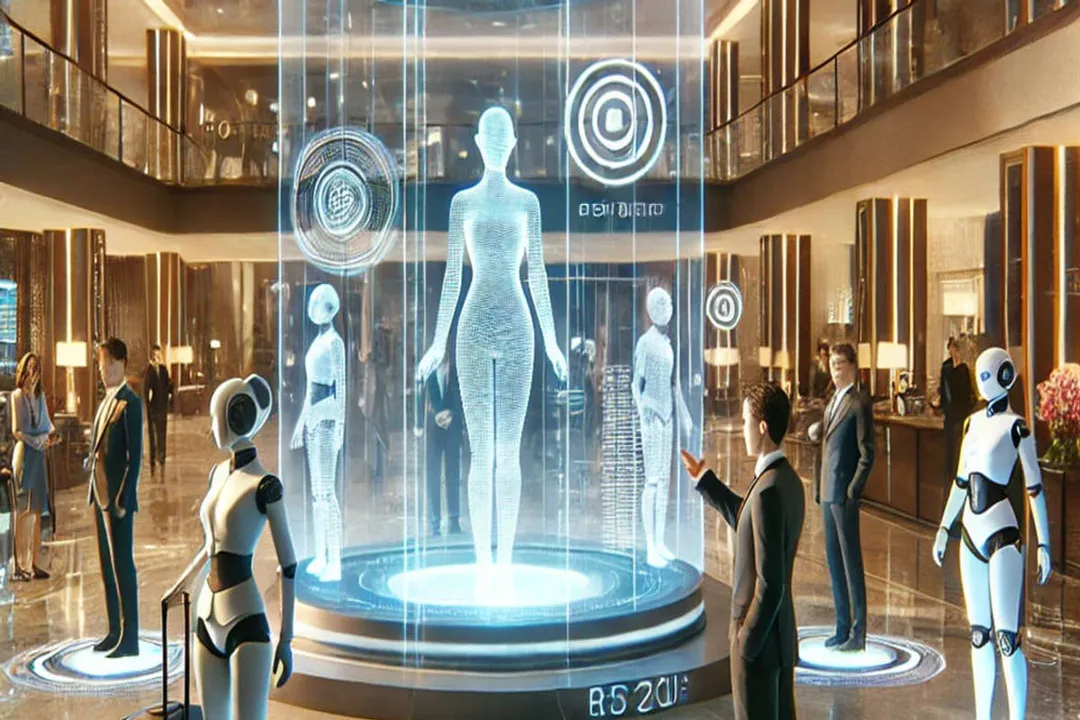
The immediate reality of automation involves technology taking over tasks that are often described as dull, dirty, dangerous, or repetitive. This capability is being actively pursued by the industry, partly due to persistent labor challenges. Labor shortages have been a significant factor, with reports indicating that many hotels struggled to staff adequately even before recent economic shifts. Technology steps in to solve these vacancies, ease high turnover rates, and reduce physical strain on existing teams.
In practical application, we see robots cleaning public areas significantly faster than human staff, or AI handling routine customer inquiries that once tied up front-desk agents. For example, automated inventory systems in food and beverage operations manage stock levels, while smart kitchen technology streamlines prep work and timing. In certain service layers, particularly those focused on limited or dormitory-style management, the move toward digital workers could be extensive. Some industry projections suggest that a substantial portion of the workforce in specific transactional roles could be replaced, with reports highlighting the potential for 80% to 95% of jobs in a major tourism hub like Las Vegas to be at risk within a short timeframe due to AI and automation. Areas like accounting, front desk operations, and some call center functions are frequently cited as departments where automation integrates first, often through self-service kiosks or back-office AI systems managing accounts payable.
However, this high-risk assessment is not universally accepted. Other perspectives suggest that while AI drives efficiency, the human component remains crucial, even on the Las Vegas Strip, where one expert notes AI may be better suited for productivity gains rather than full replacement. Furthermore, research suggests that over the next five years, AI might actually create more hospitality careers than it eliminates, provided the industry strategically reorients its value proposition.
# The Human Anchor
Despite the mechanical precision offered by advanced systems, the core function of hospitality resists complete replication by code or hardware. The industry's essence, as articulated by operators, relies on the "warmth of a genuine smile," intuition, and the capacity to forge emotional connections. A machine can deliver an order, but it cannot tell a story about local attractions or remember a returning guest’s specific pillow preference.
This irreplaceable human element crystallizes in two areas: experience curation and crisis management.
When technology handles the mundane, human employees can shift their focus to "high-value, guest-facing interactions that require creativity and empathy," essentially moving from service delivery to becoming experience ambassadors. Revenue managers, for instance, now work alongside AI tools that analyze market trends, but the final decision, grounded in nuanced judgment and talent, remains human. This proactive curation—anticipating needs based on data gathered digitally, then executing with personal warmth—is what sustains customer loyalty in a way an algorithm cannot.
The difference becomes stark during unforeseen events. In medical emergencies, system breakdowns, or natural disasters, guests do not seek the efficiency of an app; they require the comfort of a trained professional capable of adjusting and accommodating unexpected scenarios in real time. This reliance on judgment, empathy, and spontaneous problem-solving underscores why the skill of emotional intelligence remains "king" in this field. If operations homogenize due to technology, service becomes the singular differentiator, a quality inherently tied to human staff.

# Symbiosis and New Skillsets
The viability of future careers lies in the partnership between human and machine, leading to a symbiotic relationship where technology amplifies human capabilities. This partnership is a necessary response to labor shortages, filling gaps where consistency is prioritized over nuanced interaction, such as 24/7 beverage service via robotic bartenders or consistent room cleaning schedules.
For the professional adapting to this change, the required competency profile is evolving rapidly. Digital literacy is no longer a secondary skill; it is now considered to have equal importance to traditional hospitality fundamentals. Future roles require professionals who can:
- Operate and manage technology systems.
- Connect with guests through mobile applications and digital platforms.
- Decode guest behaviors using data analytics.
- Pivot quickly when new technologies are introduced.
This shift means roles are being redefined. A front desk position, previously centered on routine check-ins now handled by kiosks, transforms into a specialist role focused on solving complex guest issues and offering custom recommendations. Similarly, culinary roles use data from smart systems to redirect creative attention toward presentation and guest relationships. This movement toward higher-value work suggests that, for employees willing to adapt, automation can lead to better job satisfaction by removing unpleasant duties.
When evaluating organizational preparedness, a crucial step is ensuring a strong data foundation. As one industry expert noted, advanced AI tools require vast, high-quality datasets to perform accurately. Hotels lagging in centralized guest knowledge, due to fragmented data across various touchpoints, risk seeing their AI investment underperform, resulting in poor personalization and a low return on investment. This foundational necessity immediately creates a career path for data governance and management within hospitality technology teams.
One unique analytical observation is the bifurcation of the hospitality model based on technology adoption. On one end, there is the development of a lean, limited-service layer—perhaps leaning toward a "no service" dormitory management model—where the objective is the near-total removal of human manpower through automation, potentially leading to a skeleton staff maintaining property management systems. Conversely, the high-end, luxury sector is predicated on differentiating through authentic connection and local culture. In this model, automation’s primary function is not replacement but augmentation—providing staff with superior information so that their human interactions are richer, more informed, and more emotionally targeted. Therefore, a career path in a luxury or independent boutique property is currently positioned to be far more durable than a role in a highly transactional, high-volume mid-market segment where cost-saving via full automation is the driving mandate.
# Shaping Durable Careers
The transition demands an intentional approach from both the employer and the employee to ensure career viability. For the individual worker, building resilience means actively planning for a career that won't be easily automated, moving beyond simply falling into a role. This requires cultivating skills that machines struggle with, like cultural awareness, active listening, and sincere care.
To actively secure one’s place in the automated hospitality environment, professionals might consider a personal job audit focused on value elevation. This involves systematically identifying all weekly tasks and categorizing them:
| Task Category | Automation Potential | Human Value Added | Actionable Strategy |
|---|---|---|---|
| Transactional | High (e.g., basic payment processing, room key issuing) | Low | Seek training on the underlying software to become the system's super-user or troubleshooter. |
| Informational | Medium (e.g., answering FAQs, checking availability) | Medium | Migrate to AI chatbots/apps, focusing human time on complex, non-scripted inquiries. |
| Relational/Creative | Low (e.g., conflict resolution, personalized upsells, mentorship) | High | Dedicate 80% of newly freed time to developing these skills and building guest rapport. |
This framework suggests that the most durable career move is transforming one’s function from a process executor to a value amplifier. Employees who master the technology that supports their department while simultaneously doubling down on inherently human skills—like creating meaningful employee experiences, which in turn leads to better guest service—will thrive. Hotel leaders, recognizing that the competition for skilled workers will intensify, are increasingly compelled to reframe the value proposition of hospitality careers to appeal to new generations seeking purpose, flexibility, and growth, using AI as the catalyst to remove the less desirable aspects of the job.
Ultimately, the viability of careers in hospitality automation is extremely high for those willing to become human-AI integrators. The industry, expected to see double-digit growth, needs people who can manage the complexity of digital guest profiles and implement new service delivery models that thoughtfully blend technological efficiency with human compassion. The future employee is one who can speak the language of both data analytics and genuine warmth, ensuring that while robots manage logistics, humans continue to manage meaning.
#Videos
Report: up to 95% of Las Vegas hospitality jobs at risk from AI
Related Questions
#Citations
The Future of Hospitality Careers in the Age of Automation
Report: up to 95% of Las Vegas hospitality jobs at risk from AI
What will happen to the hospitality industry? : r/ArtificialInteligence
Is Technology Taking Over Jobs in the Hospitality Industry?
Digital Workers in Hospitality – What Does the Future Hold?
Worried AI will take your job? Consider a career in hospitality
Hospitality careers in the AI economy: Why people will still matter most
How Robots and Humans Together Are Redefining the Future of ...