Why Do People Choose Remote Careers?
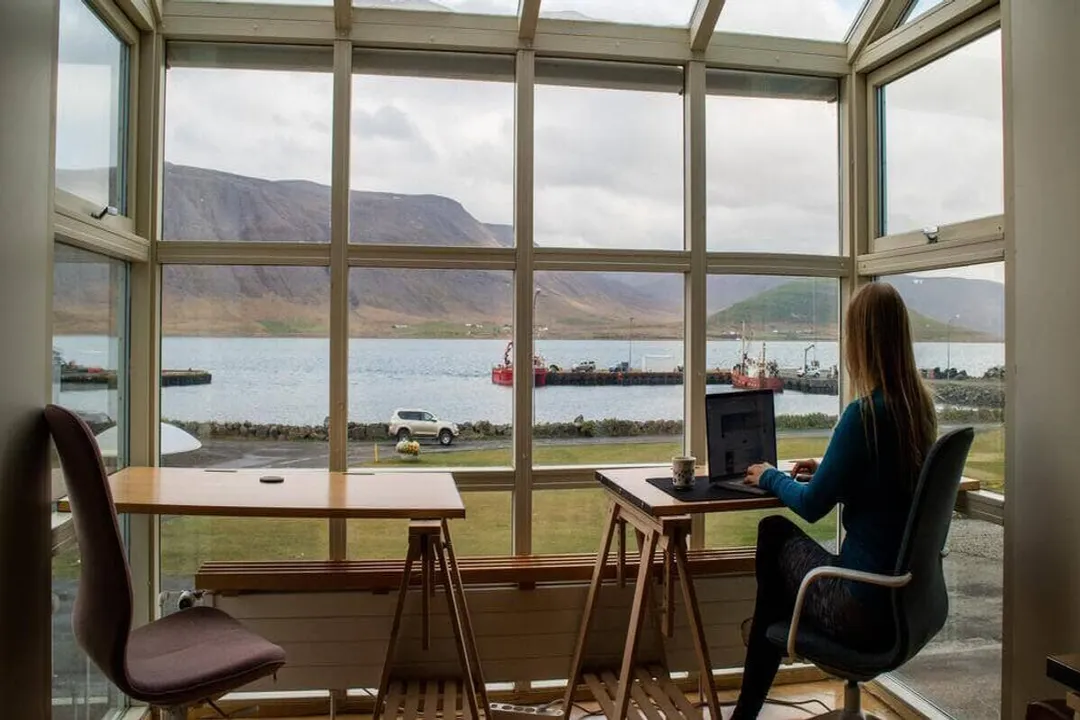
The shift toward remote careers is more than a temporary trend; it represents a fundamental realignment of how many professionals view their work lives and personal priorities. [4] For many, the choice to work outside a traditional office setting stems from a desire to reclaim autonomy over their time and physical location. [7] This appeal isn't uniform, but rather a collection of deeply personal and pragmatic advantages that office life often impedes. [6] When people opt for remote roles, they are frequently seeking an exchange: giving up the established structure of a physical workplace for the promise of a better integrated, less stressful existence. [2][9]
# Commute Elimination

Perhaps the most immediately tangible benefit cited by remote workers is the complete removal of the daily commute. [4][9] The hours previously spent sitting in traffic or crowded public transit are instantly converted into personal capital. [2] While sources confirm that saving commute time is a major draw, [9] the true value lies in what that reclaimed time enables. [2][7] For someone enduring a long daily drive, this time could translate into significantly more sleep, time dedicated to exercise, or being present for family activities. [6] The reduction in stress associated with traffic congestion is an intangible but powerful motivator for many who leave the office environment behind. [4]
# Financial Gains
Beyond time savings, remote work often unlocks considerable financial benefits for the employee. [2][7] The reduction in ancillary expenses associated with office attendance is significant. [9] People save money on gasoline, vehicle maintenance, or public transportation fares. [4][7] Furthermore, the need for a large professional wardrobe diminishes, cutting costs on dry cleaning and frequent clothing purchases. [2][7] Less frequently discussed, but equally impactful, is the reduced expenditure on food and drink. The temptation, or necessity, of buying lunch or grabbing an expensive coffee near the office vanishes, allowing individuals to prepare more cost-effective meals at home. [9] If an individual saves an estimated few hundred dollars per month by eliminating commuting, wardrobe upkeep, and daily lunch purchases, that amount directly bolsters their disposable income, effectively functioning as an immediate, untaxed raise. [2][7] This financial freedom allows individuals to structure their living situation based on preference rather than proximity to a headquarters. [4]
# Location Independence
The freedom to choose where one lives, unconstrained by the geographic boundaries of a central business district, is a central pillar of the remote appeal. [4] Remote workers gain the capacity to reside in areas with a lower cost of living, better weather, or closer proximity to family and support networks. [2][9] This geographical flexibility is not merely about moving to the countryside; it allows professionals to maintain high-earning careers while potentially reducing their housing burden, a significant advantage in inflated housing markets. [4][7] For some, this means relocating to a smaller town where they can afford a larger home, while for others, it means the ability to travel frequently without sacrificing their career trajectory. [2] This option broadens the definition of "home" from a mandatory address near an office to a choice rooted in lifestyle preference. [5]
# Enhanced Focus
Many professionals report that their ability to concentrate improves dramatically when working remotely. [4] The open-plan office, frequently criticized, is often filled with unplanned interruptions, impromptu meetings, and ambient noise that fragments concentration. [1][6] Remote work allows individuals to cultivate an environment tailored precisely to their optimal working style. [4] If deep analytical work requires absolute silence, that can be achieved at home. [5] Conversely, someone else might find they focus best with a specific playlist and the freedom to pace around their own space, something difficult to do in a cubicle. [6] This personalized control over the workspace directly translates into greater perceived productivity and often higher quality output. [5] It’s about matching the environment to the task at hand, something the standardized office rarely achieves. [4][6]

# Work Life Integration
The line between professional obligations and personal life often blurs in a traditional setting, leading to stress when personal needs arise. [2] Remote work doesn't eliminate personal needs, but it provides the necessary logistical space to manage them effectively. [6][9] Being able to step away for a crucial mid-day doctor's appointment, oversee a delivery, or be present for a child's brief school event without needing to take a full day of paid time off is immensely valuable. [2] This level of integration contributes to reduced burnout and improved overall well-being, as workers feel less pressure to compartmentalize their lives rigidly. [6] This ability to attend to life's necessities without derailing the workday fosters a sense of control that significantly boosts job satisfaction. [9]
# Distraction Management Compared
It is interesting to compare how different workers perceive distractions across environments. [1][6] While many cite the office as the source of interruption, some individuals thrive on the ambient buzz of an office for motivation, finding complete solitude isolating. [1] However, the general consensus among those choosing remote work is that office interruptions are more disruptive than home distractions. [6] An unexpected desk visit from a colleague requires an immediate context switch, which takes time to recover from. [1] Conversely, a distraction at home—a pet needing attention or a necessary short chore—is often easier to tune out or address quickly before returning to the task. [6] The key difference lies in control: the remote worker controls the source and timing of the interruption, whereas the in-office worker often does not. [1]

# The Employer Connection
While the reasons people choose remote work center on personal benefit, the continued availability of these roles is sustained by what companies gain. [3][5] Companies that embrace remote structures often report access to a much wider talent pool, no longer limited by local geography. [3] Furthermore, offering remote work can be a powerful tool for employee retention. [5] When an organization recognizes and rewards employee autonomy through location flexibility, loyalty often increases, reducing the expensive cycle of turnover. [3] Therefore, the worker's desire for flexibility aligns with the company's strategic interest in attracting and keeping top talent, creating a self-reinforcing structure. [5]
# Career Access
The option to work remotely can also unlock career paths that were previously inaccessible due to geography or personal circumstance. [4] Individuals who might have been unable to work due to caregiving responsibilities or geographic limitations imposed by a spouse’s job can now participate fully in the professional world. [9] This inclusivity broadens the talent pool, which benefits employers, but it fundamentally changes the opportunity landscape for the worker. [3][5] For those seeking specialized roles in niche industries, remote hiring removes the need to relocate to an expensive, specific hub city, making aspirational roles attainable. [4]
# Synthesis and Structure for Success
The benefits discussed—time saved, money saved, location choice, focus improvement—paint a picture of a highly optimized life structure. [2][7] However, successfully choosing a remote career requires an intentional approach that goes beyond simply enjoying the absence of a commute. One often overlooked element in the transition to remote work is the necessity of proactively scheduling social and professional interaction. Since organic, hallway conversations cease to exist, the remote worker must be deliberate about setting up video calls for purely social check-ins or scheduling time for focused networking, lest they experience professional isolation or stagnation. [1] Simply having the flexibility is not enough; one must actively manage the resulting solitude to maintain career momentum and team cohesion. [6] This requires a different kind of administrative skill than managing a physical calendar. [4]
Another critical observation is how remote work democratizes productivity measurement. In an office, presence often equals perceived productivity—the "butts-in-seats" mentality. [1] Remote work forces a necessary shift toward measuring output and results rather than activity or hours logged. [5] This can be liberating for high performers who can achieve in less time, but it requires clear goal setting from management. [3] If goals are vague, the remote worker risks feeling obligated to be "always on" to prove they are working, which negates the work-life balance benefit. [2][6] Therefore, the most successful remote employees are those who are skilled not just at their core job, but at communicating progress and setting clear boundaries around their availability. [9]
# Drivers Summary
The main factors driving the choice for remote careers can be distilled into a few key areas, many of which intersect and reinforce each other. [2][4]
| Driver Category | Primary Employee Gain | Supporting Factor |
|---|---|---|
| Autonomy | Control over daily schedule | Better work-life integration [2][6] |
| Location | Geographical freedom | Cost of living reduction [4][7] |
| Environment | Reduced distractions | Personalized comfort/setup [4][5] |
| Finance | Expense reduction | Savings on travel/wardrobe [7][9] |
This confluence of advantages makes remote work a highly desirable proposition for a large segment of the modern workforce, representing a genuine cultural evolution in employment expectations. [5][9] The choice reflects a mature understanding that effectiveness in many roles is decoupled from a specific physical location. [3] The growing desire for these arrangements confirms that for many, the traditional office structure is no longer the default measure of a successful or fulfilling career. [1][4] Instead, the ability to sculpt a professional life that supports personal health, financial goals, and geographical preference is the new benchmark. [2][7] This sustained trend is reshaping real estate markets, commuting patterns, and employee expectations across virtually every industry where knowledge work is performed. [4]
Related Questions
#Citations
Why does everyone want to work remotely? : r/cscareerquestions
20 Advantages of Remote Working for Employees and Employers
Benefits of Remote Work - NJIT Human Resources
Why do some people choose remote work over traditional office jobs?
8 Reasons Why Remote Work Is Still Important in 2024 - Happeo
Why Do So Many People Like Remote Work? | Psychology Today
4 Reasons More People Are Looking for Remote Work
10 Benefits of Working Remotely (With Challenges and Tips) - Indeed
50 Eye-Opening Remote Work Statistics for 2024