What jobs exist in the nuclear fusion sector?
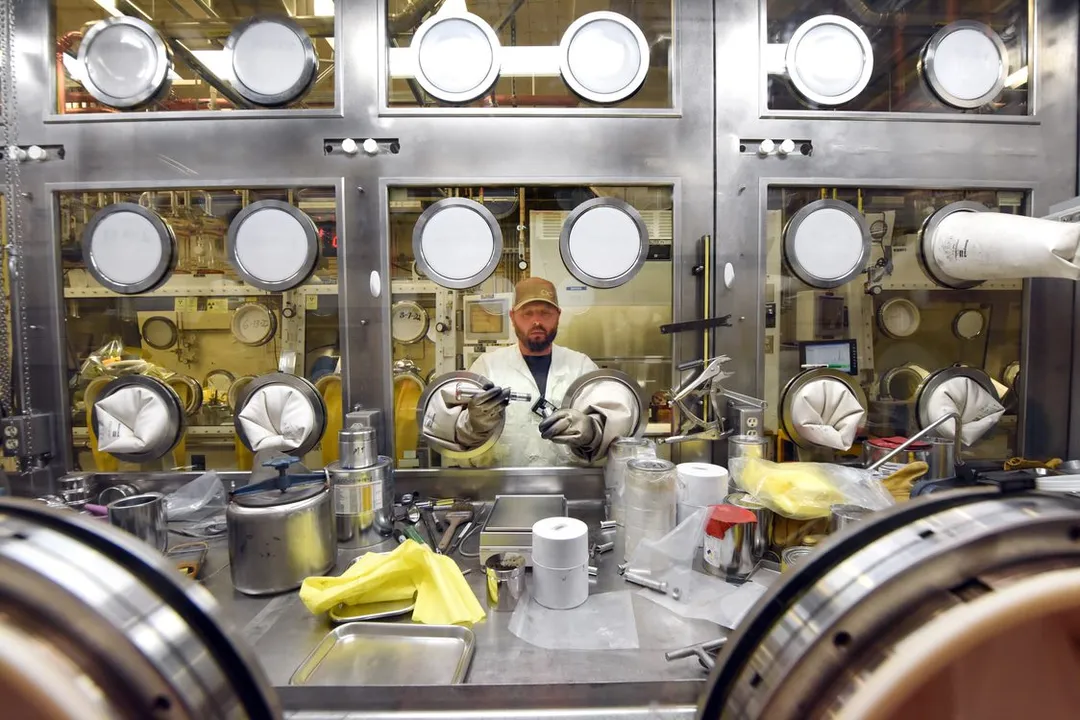
The pursuit of harnessing the power of the stars—nuclear fusion—is no longer confined to academic theory; it is a burgeoning industrial sector actively recruiting talent across a vast array of disciplines. As global energy demands intensify and climate concerns mount, the drive to bring commercial fusion power online has spurred massive investment, resulting in the creation of thousands of jobs since 2021 alone, not just within the core reactor developers but deep into the wider supply chain. To realize fusion energy, the industry requires far more than just plasma physicists; it needs experts in everything from high-precision manufacturing and advanced materials to finance and public policy.
The career landscape in fusion is dynamic, reflecting the technology's transition from pure research to demonstrable engineering challenges. Professionals looking to join this effort should recognize that the needs are distributed across the entire development pipeline, from initial concept validation to the final construction and eventual operation of power plants.
# Scientific Foundations
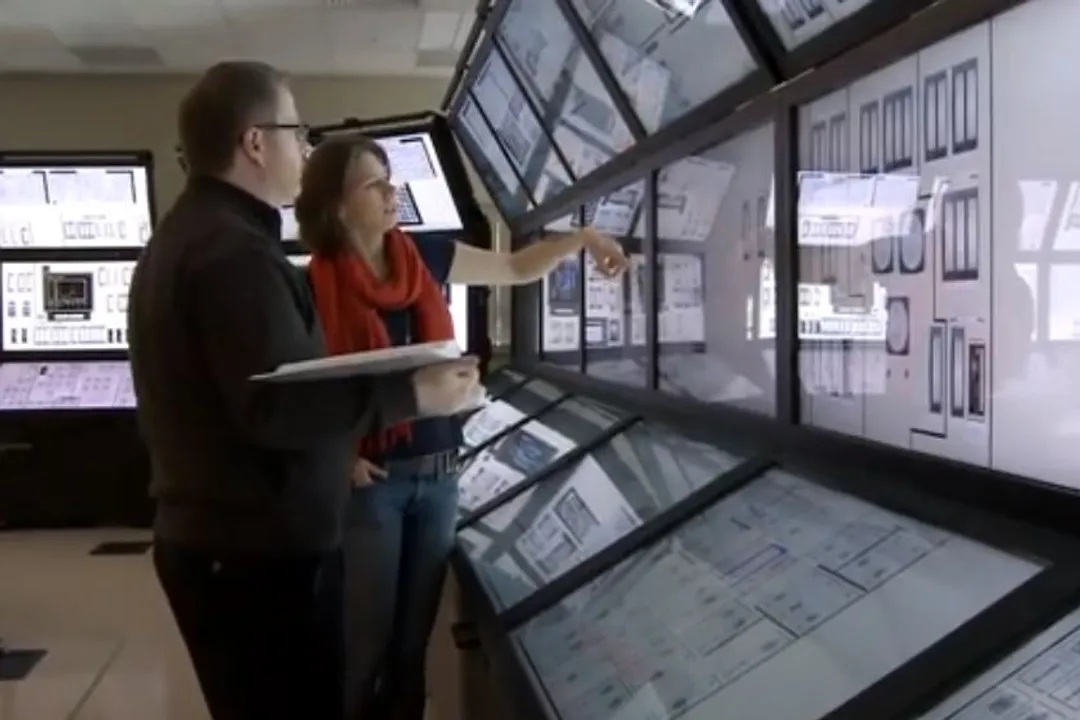
At the scientific heart of fusion development are roles dedicated to understanding and controlling the reaction itself. The traditional anchor of this work remains the Plasma Physicist. These specialists dive into the behavior of plasma—the superheated, ionized gas where fusion occurs—to optimize confinement and reaction sustainability. Roles often require advanced degrees, with open positions appearing for Senior Scientists specializing in Plasma Theory and Computation at national laboratories. They focus on complex areas like computational modeling, numerical simulations, and using AI/Machine Learning to predict and manage reactor performance.
However, the path for physicists is shifting. One perspective suggests that as an industry matures, the immediate need for pure theoretical plasma physics may become more specialized, while the demand for engineers capable of executing designs increases. Nevertheless, this does not diminish the need for deep physical understanding; rather, it suggests an evolution toward applying that physics in novel ways, such as inventing industry-specific tools where current research codes are insufficient for commercial application. Furthermore, niche areas like Neutronics, specifically involving Monte-Carlo simulations of high-fidelity reactor designs, remain highly targeted and underserved fields.
# Building the Machine
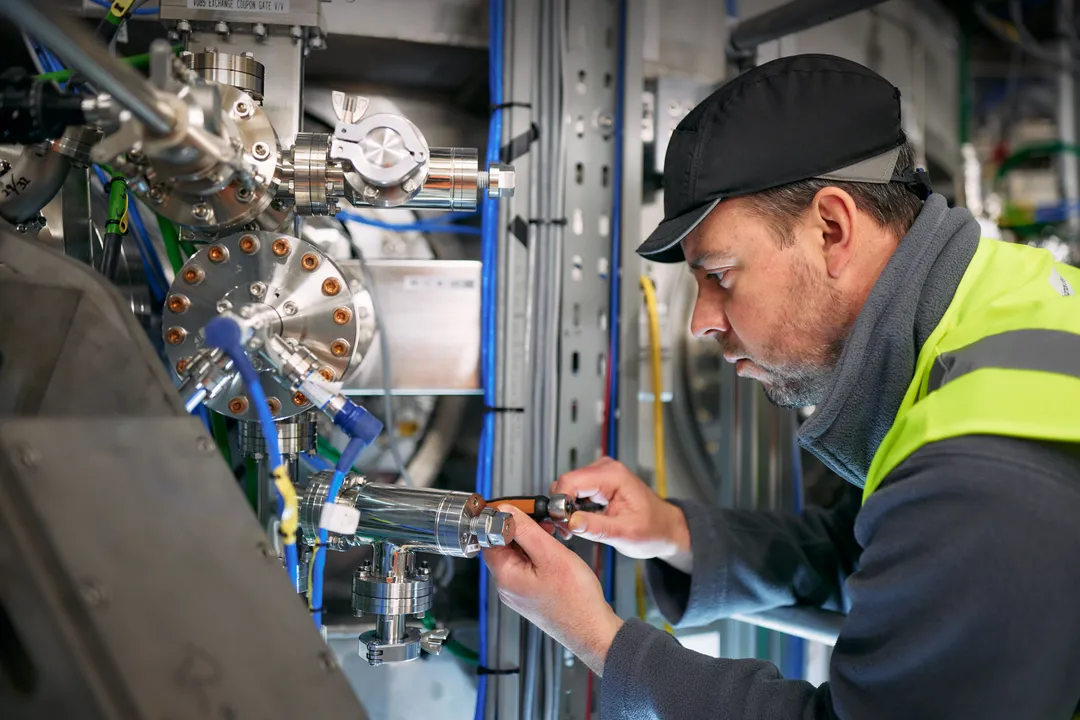
If science defines the what, engineering defines the how, and this is where the current hiring volume is concentrated. Engineering roles currently represent the largest segment of the fusion job market, encompassing a wide spectrum of specialization.
# Mechanical and Electrical
Mechanical Engineers consistently show high demand, with job listings frequently outnumbering other specific engineering fields. These roles are fundamental to designing the physical structure that contains the reaction. Specific needs include expertise in:
- Cryogenics: Essential for the superconducting magnets that confine the plasma, requiring specialists to manage extremely low temperatures. Roles like Cryogenics Engineer are actively sought.
- Reactor Design: Involving stress analysis, thermal hydraulics, and overall system integration for components that must handle immense heat and forces. Roles in Senior Mechanical Assembly Test Engineering are common in companies building demonstration plants.
Electrical Engineering is equally critical, particularly in areas managing the intense power required. This includes high-voltage systems, magnet power supplies, and complex control systems. Listings for High Voltage Test Technicians and Electrical Engineers focused on superconducting magnet systems illustrate this need.
# Materials and Advanced Components
The extreme environment inside a fusion device—intense heat, particle bombardment, and neutron flux—necessitates materials science innovation. Materials Scientists are needed to develop robust components capable of surviving these conditions long enough for commercial viability. Specific postings include Computational Materials Engineers and roles focusing on advanced reactor core materials characterization, often requiring a PhD. Another key area is the technology supporting the superconducting magnets, such as High-Temperature Superconducting (HTS) magnet engineers, a focus area for companies like Tokamak Energy.
It is worth noting that while the academic track often emphasizes physics, those who blend a physics background with practical engineering skills—like those who learned to deal with cryogens or specialized diagnostics—often find highly compensated roles bridging test engineering and magnet program leadership.
# The Hands-On Sector
The journey from prototype to operational plant requires a significant workforce dedicated to construction, maintenance, and on-site operations. These Technicians and skilled tradespeople are the backbone of physical realization, providing the "on-the-ground" expertise that translates blueprints into functioning hardware.
Apprenticeships offer a direct, "earn-while-you-learn" entry point into these essential technical roles within the broader nuclear energy ecosystem, including fusion-focused facilities. Examples of these critical technical occupations include:
- Welding and Joining Technicians: Performing specialized welds on complex containment structures and equipment, often requiring proficiency in processes like GTAW (TIG) welding.
- Instrument and Controls Electronics Technicians: Responsible for keeping the myriad diagnostic and control systems calibrated, repaired, and operational.
- Plant Operators and Shift Workers: As devices scale up, roles similar to those in fission—reactor operators who monitor performance and guide output—will become necessary for continuous operation.
- Assembly and Test Personnel: Crucial for the hands-on building and rigorous validation of complex components like magnets and vacuum vessels.
# The Commercialization Core
As private investment floods the sector, the fusion ecosystem is maturing into a proper industry, creating robust needs outside the direct science and engineering labs. These commercialization roles are necessary to manage projects, secure funding, handle intellectual property, and eventually sell clean power to the grid.
For those with business backgrounds, the opportunities are diverse:
- Project and Program Management: Given the complexity and multi-year timelines of fusion projects, experienced Project Managers are highly sought after, including Senior Technical Project Managers who can coordinate engineering deliverables.
- Finance and Business Development: Roles range from general Financial Analysts to CFOs, as companies scale operations, manage large capital raises, and plan for commercial financing.
- Legal and Policy: With substantial investment and public expectation, Legal Counsel specializing in IP, contracts, and partnerships is essential. Similarly, Energy Policy Analysts work to shape the regulatory certainty needed for deployment, influencing governmental advocacy and funding strategies.
- People and Engagement: As the workforce expands rapidly—evidenced by companies employing hundreds of staff spanning science, engineering, and commercial expertise—HR specialists, Directors of People and Engagement, and those focusing on Workforce Development and skills councils are increasingly vital.

# Pathways In
For newcomers or career-changers, the entry points often require either specialized advanced education or focused practical experience. Many leading research institutions and national labs, such as Princeton Plasma Physics Laboratory (PPPL) and Lawrence Livermore National Laboratory (LLNL), actively recruit through structured programs.
Specific entry routes include:
- Internships and Postdoctoral Fellowships: These are widely advertised across National Labs and private firms, targeting students enrolled in undergraduate, graduate, or PhD programs. For example, programs like the Science Undergraduate Laboratory Internship (SULI) provide avenues to work directly on fusion projects.
- Interdisciplinary Education: A common recommendation for students is to pursue degrees like Engineering Physics rather than purely theoretical subjects, unless a specific research niche is the goal. The most valuable talent often possesses multidisciplinary skills—for instance, a foundation in physics coupled with minors or graduate work in computer science, materials science, or manufacturing.
One insightful observation from within the community is that the sector currently demands individuals capable of bridging the gap between fundamental research and commercial reality, emphasizing skills in simulation software like COMSOL, dealing with cryogenics, and test engineering. It’s a field where a background in adjacent, high-tech industries, like aerospace engineering, provides immediately transferable skills for complex mechanical or systems integration roles.
For those already established elsewhere, like in the oil and gas or aerospace sectors, pivoting into fusion management or commercial roles can be effective, bringing vital experience in scaling complex projects and managing large-scale operations, as seen in the backgrounds of many executive and operational leaders at modern fusion companies. The overarching advice remains: focus on acquiring marketable, practical skills that directly feed into the current engineering and manufacturing bottlenecks, even if your initial degree is theoretical.
Related Questions
#Citations
Jobs & Opportunities | U.S. Fusion Energy
Careers in fusion energy - Tokamak Energy
The path to getting a job in fusion - Reddit
Jobs | Fusion Energy Base
$39-$86/hr Nuclear Fusion Jobs (NOW HIRING) Dec 2025
Careers In Nuclear - Get Into Energy
Job Opportunities - Fusion Industry Association
Fusion Energy Job Opportunities - Meegle