What jobs exist in space medicine?

The landscape of jobs dedicated to keeping humans healthy in space is far wider and more intricate than simply being an astronaut or a mission controller focused purely on trajectory. Space medicine, or aerospace medicine, encompasses a vast ecosystem of professionals working both on Earth and potentially on future orbital stations, all dedicated to mitigating the unique biological challenges presented by microgravity, radiation, and extreme isolation. These roles demand a blend of clinical expertise, rigorous scientific inquiry, and an understanding of how the human body adapts—or fails to adapt—to environments far removed from terrestrial norms.
# Physician Roles
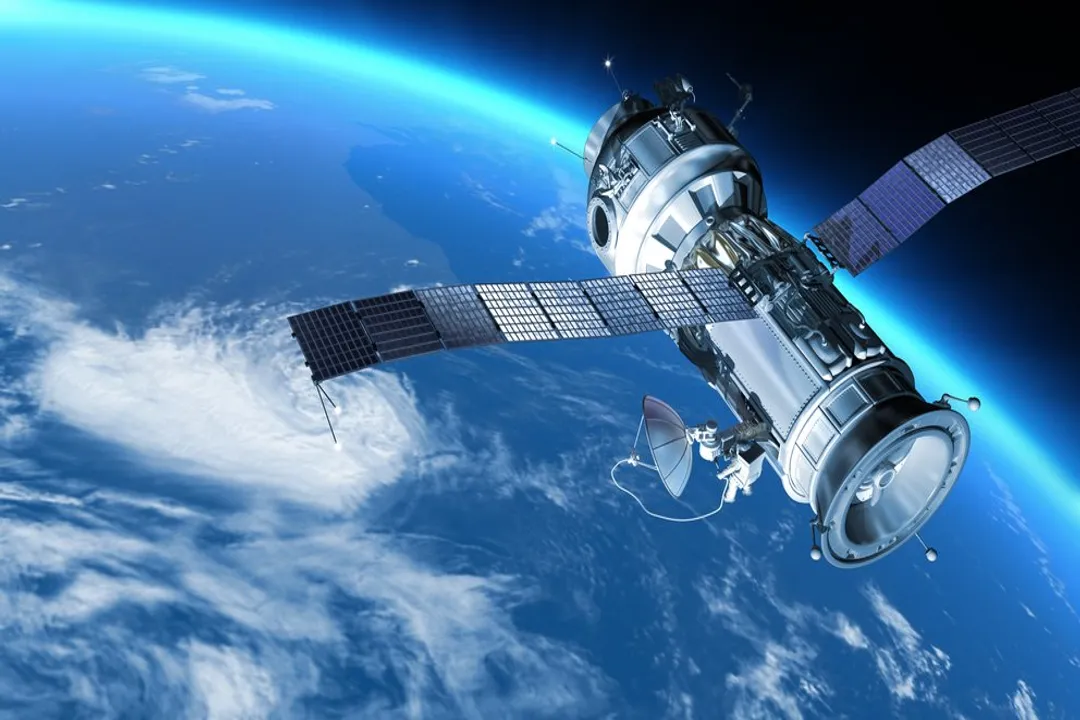
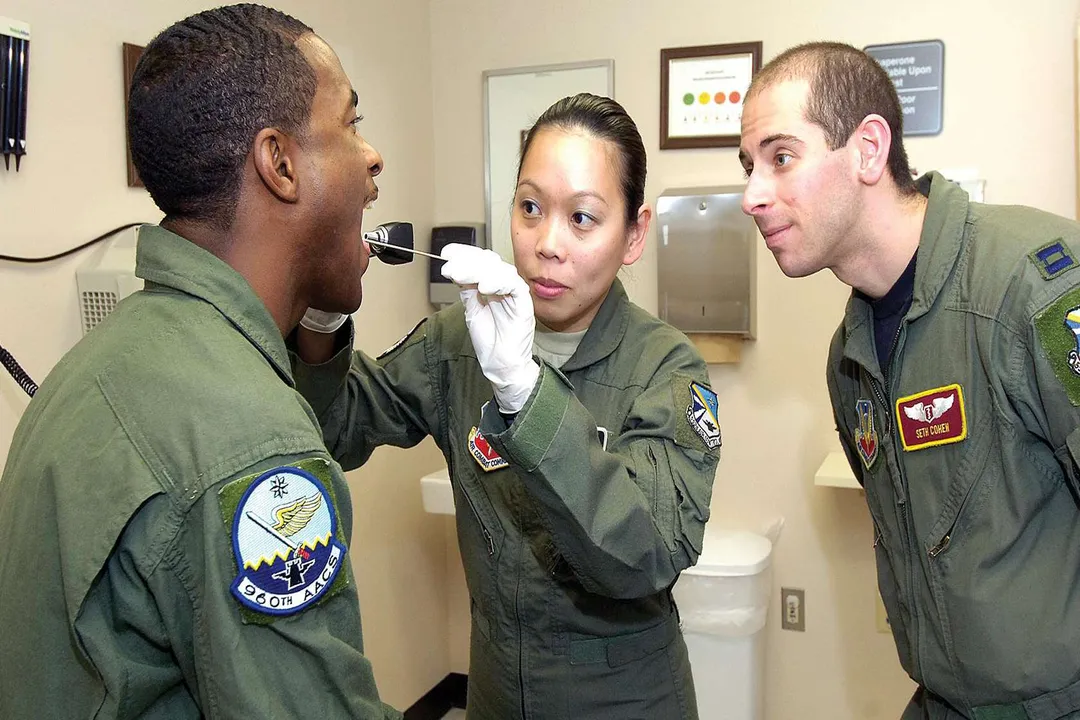
The most immediately recognizable medical positions involve direct patient care for space travelers. The Flight Surgeon is a prime example, a physician trained specifically to manage the health and medical readiness of flight crews. In the United States, this role is often filled by military physicians who gain essential experience in operational environments. These doctors are tasked with everything from routine health maintenance to managing acute medical emergencies far from the nearest hospital.
For aspiring physicians interested in this frontier, pathways are solidifying. Training often involves pursuing residency in aerospace medicine, followed by fellowship programs that provide focused instruction. Physicians who already practice in demanding, isolated settings on Earth, such as those in Emergency Medicine focusing on austere or remote environments, often find their skill sets translate remarkably well to the requirements of spaceflight medicine, where immediate, self-sufficient care is paramount. The difference, however, lies in the closed-loop environment of a spacecraft; there are no external consultations for immediate aid, making comprehensive, up-front training essential.
# Research Focus
While clinicians manage the immediate, researchers tackle the long-term unknowns. A significant portion of the space medicine workforce is dedicated to understanding and preventing the physiological consequences of space travel, such as bone demineralization, muscle atrophy, cardiovascular deconditioning, and vision changes. Jobs within Translational Research Institutes are central to this effort, focusing on moving laboratory discoveries into practical countermeasures that can be implemented in flight.
The Space Medicine Researcher is tasked with designing experiments, analyzing data gathered from astronauts, and developing the next generation of medical technologies, pharmaceuticals, or exercise regimens that keep crews healthy for extended missions. For example, a researcher might investigate the precise mechanisms by which fluid shifts affect the brain or how radiation exposure impacts cellular repair over time. It is interesting to note the contrast between the operational tempo of a Flight Surgeon, who must make split-second decisions based on current physiological readings, versus the methodical, long-term data analysis performed by a dedicated researcher building the protocols that the surgeon later applies. Both roles are indispensable, representing the two sides of medical expertise: application and advancement.

# Chemistry Integration
The demands of space exploration necessitate a workforce that bridges biology and physical science, illustrating that space medicine jobs are not exclusively MD or PhD tracks. Careers that combine a background in Chemistry with space exploration are increasingly vital. These roles are crucial for maintaining the closed-loop life support systems necessary for long-duration missions.
For instance, chemists work on:
- Developing advanced filtration systems for recycling water and air.
- Analyzing the composition of spacecraft materials to ensure they do not off-gas harmful compounds in the closed environment.
- Formulating pharmaceuticals that remain stable and effective over long missions without degradation from radiation or extreme temperatures.
Furthermore, examining job listings often reveals titles that fall under the umbrella of Aerospace Medicine Specialist or related clinical support roles, suggesting a strong demand for medical technicians, physician assistants, and operational support staff who can assist the primary medical officer. This highlights that the field requires an entire support team, not just the primary physician.
# Entry Pathways

Gaining entry into this specialized domain requires deliberate planning, especially for those coming from a clinical background. Aspiring physicians must target residencies and fellowships that specifically address aerospace medicine, as this focus area continues to mature. For medical professionals already established, gaining practical experience in high-acuity, low-resource settings—such as serving in the military or practicing remote/wilderness medicine—can provide a valuable foundation that recruiters actively seek.
For those interested in the scientific side, advanced degrees are often the prerequisite for leading research projects. Programs that offer specific space health training resources can guide candidates through the necessary educational steps. If we look at the expected expansion of lunar bases and future Mars transit vehicles, we can infer that a critical need will soon arise for terrestrial medical providers experienced in simulated extreme environments, such as isolated Antarctic research stations. Staff familiar with telemedicine protocols and extreme resource management in those environments will likely find themselves highly sought after as pre-flight training platforms become more realistic and demanding.
# System Support
Beyond the direct medical roles, an entire infrastructure of support jobs underpins the entire discipline. These individuals manage the data, the telemedicine links, and the equipment that enables in-space care. They ensure that the communications pathway between an astronaut experiencing symptoms and a specialist doctor on Earth is instantaneous and secure. This involves skills in biomedical engineering, information technology security, and remote diagnostic support. Without these specialists ensuring the integrity of the data streams and the functionality of the diagnostic tools brought into orbit, the Flight Surgeon would be operating blind, further illustrating how specialized, non-clinical technical roles are fundamentally woven into the fabric of space medicine. The sheer complexity of monitoring human physiology remotely—from blood samples processed in microgravity to continuous vital sign monitoring—requires dedicated technical staff at every step of the chain of custody for medical information.
Related Questions
#Citations
Launching Your Space Health Career - Baylor College of Medicine
Space Medicine: A New Frontier for Aspiring Physicians | AAMC
Career options in aerospace and aviation medicine - PMC
Space Medicine - UCLA Health
Six Careers That Combine Chemistry and Space Exploration
Aerospace Medicine Specialist/Flight Surgeon - U.S. Air Force
Aerospace Medicine Jobs (NOW HIRING) - ZipRecruiter
Space medicine - Wikipedia
Explore Careers as a Space Medicine Researcher - STEMpower