What jobs exist in precision fermentation?
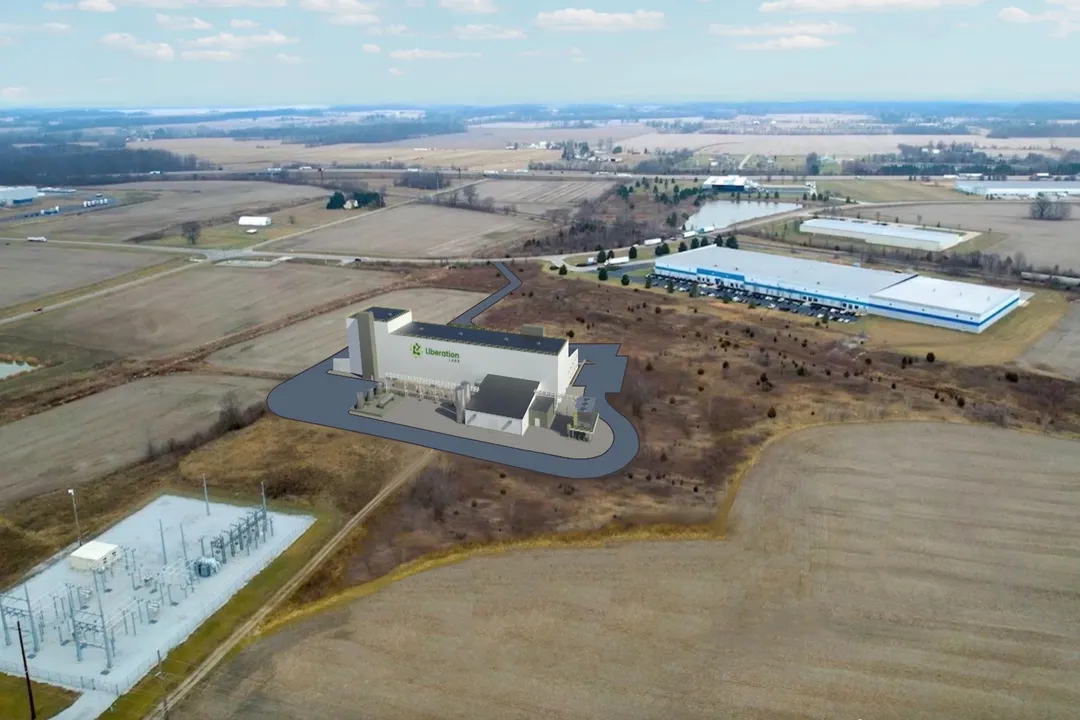
The field of precision fermentation, which uses programmed microorganisms to produce ingredients like proteins, fats, and flavors, is rapidly expanding, creating an entirely new landscape of technical and scientific career opportunities. This biotechnological approach to food and materials science is shifting what it means to work in biotech, blending microbiology, biochemical engineering, and food science in novel ways. [4] Because this industry is still nascent but scaling fast, the jobs available span the entire development pipeline, from initial microbial strain engineering in the lab to full-scale bioreactor management and final product quality assurance.
# Emerging Roles
The job titles appearing in current listings reflect this blend of disciplines. While traditional biotechnology roles are present, there is a distinct emphasis on fermentation-specific expertise. Positions ranging from Fermentation Technician [7] to Fermentation Research Associate [9] are now commonplace across companies involved in this sector. [1][6] Furthermore, specialized academic positions, such as a Postdoctoral Research Fellow in Precision Fermentation, highlight the foundational research still driving innovation. [8] These listings aggregate across general job boards for biotechnology fermentation roles [2] and specific searches for precision fermentation biotech jobs, [3] showing a clear demand signal across various levels of seniority.
# Research Focus
At the cutting edge, roles concentrate heavily on optimizing the biological systems that power precision fermentation. This is where the "precision" part of the name truly comes alive.
A Fermentation Research Associate is typically tasked with the hands-on work of developing and improving the microbial cell factories. This involves tasks related to strain improvement, media optimization, and initial small-scale fermentation runs. [9] They often work directly with the genetically engineered organisms—be they yeast, bacteria, or fungi—that are designed to express target molecules, such as specific proteins or fats. [4] Their work feeds directly into the next stages of scale-up.
At a more advanced or independent level, roles like the Postdoctoral Research Fellow focus on deep, fundamental investigation. This position might tackle next-generation challenges, perhaps engineering novel pathways or exploring entirely new host organisms for more efficient production. [8] This role demands significant subject matter expertise, often requiring a Ph.D., to push the boundaries of what the microbes can achieve metabolically. [8] The scientific output here is crucial for long-term cost reduction and product diversification in the industry. [4]
An insightful way to view these roles is through a career trajectory lens. For someone entering the field directly from a Master’s program or with a few years of undergraduate lab experience, roles like Research Associate or Research Assistant provide the critical foundational experience in sterile technique, analytical chemistry specific to fermentation end-products, and basic data logging. [9] Conversely, a Senior Scientist or Principal Investigator is less likely to be pipetting media and more likely to be designing the experiments, managing a team, and setting the strategic research direction for strain development. [1][6]
# Process Development
Once a promising microbial strain is established in the lab, the challenge shifts to making it work predictably and economically at scale—a domain governed by process development and engineering. These jobs bridge the gap between small flasks and massive industrial bioreactors.
# Engineering Scale-Up
Roles here often involve chemical engineering, bioprocess engineering, or similar backgrounds, though the specific titles found in job listings lean toward the practical application of these sciences within the PF context. Professionals in this area focus on bioprocess optimization. This means translating benchtop protocols—which might use milliliters of media—into pilot-scale or commercial-scale runs involving thousands of liters. [2][3]
Key tasks include:
- Designing and modeling bioreactor systems to ensure optimal mixing, mass transfer, and heat exchange. [2]
- Developing control strategies for critical parameters like pH, dissolved oxygen, and nutrient feed rates. [3]
- Conducting fermentation campaigns at increasing volumes to identify scale-dependent issues, such as shear stress on the microbial cells or differences in oxygen availability. [1]
It’s worth noting a distinction emerging between traditional biotech and precision fermentation. In traditional pharma biotech, the focus is often on maximizing cell viability for therapeutic protein expression. In precision food fermentation, the focus pivots slightly to maximizing the conversion efficiency of cheap feedstock (sugars, for example) into the target ingredient (e.g., a specific fat molecule) while ensuring the resulting product meets food-grade specifications for taste and purity. [4] This difference in objective shapes the day-to-day problem-solving for process development scientists.
# Production Floor
When a process is validated and ready for consistent manufacturing, the focus moves to daily operational execution, often anchored by technician and quality assurance roles.
# Operational Technicians
The Fermentation Technician is a cornerstone role on the production floor. [7] These individuals are responsible for the physical operation and maintenance of the fermenters and associated downstream equipment. Their expertise is less theoretical and more mechanical and procedural. They execute the detailed Standard Operating Procedures (SOPs) developed by the process engineers.
A technician’s day might involve:
- Sterilizing equipment, preparing large batches of sterile growth media, and inoculating bioreactors. [7]
- Monitoring fermentation runs in real-time, responding to alarms, and recording critical process data. [7]
- Assisting with aseptic sampling for quality control testing. [6]
The skill set required for a technician is often characterized by meticulous attention to detail, strong adherence to Good Manufacturing Practices (GMP) or food safety standards, and proficiency with automated control systems. [3] This role is vital; a single error in sterility or charging the wrong material can cost a company thousands of dollars in lost product and reactor time. [1]
# Quality and Compliance
No food or ingredient manufacturing can proceed without rigorous quality control. While specific job titles might include Quality Assurance Specialist or QC Analyst, their mandate in a precision fermentation facility is unique. They must verify not only the purity of the final product but also the consistency batch-to-batch, which is harder when dealing with living systems. They need to confirm that the right biomolecule has been produced in the correct structure and that no unwanted byproducts or contaminants are present, especially since the end-user is the food industry. [4]
# Skill Prerequisites
The varied roles naturally demand varied academic preparation. A food science degree, for instance, can provide a strong foundation, particularly for roles interfacing with product development or quality control, as those graduates are already steeped in areas like sensory analysis, food safety, and ingredient functionality. [5]
However, the core competency for many roles, especially research and process development, remains deeply rooted in microbiology, molecular biology, or biochemistry. [8][9]
The necessary educational mix often looks something like this across the industry:
| Role Category | Primary Academic Discipline | Core Technical Skills Needed |
|---|---|---|
| Research & Strain Development | Molecular Biology, Genetics, Biochemistry | Genetic engineering, PCR/qPCR, high-throughput screening |
| Process Development | Bioprocess Engineering, Chemical Engineering | Bioreactor modeling, fluid dynamics, statistical process control (DoE) |
| Operations & Manufacturing | Biotechnology, Food Science, Mechanical Tech | Aseptic technique, GMP/HACCP, instrument calibration |
A key observation in examining these career pathways is the necessary synthesis of traditionally siloed knowledge. A candidate with a background solely in chemical engineering might excel at reactor design but struggle with the specifics of microbial metabolism. Conversely, a skilled molecular biologist might understand the strain perfectly but lack the engineering intuition to design a 10,000-liter vessel that supports that strain’s growth efficiently. [2][3] The most valuable professionals in this sector are those who can speak the language of both the bench scientist and the plant engineer. This interdisciplinary proficiency often dictates who moves into leadership roles in scaling companies. [1][6]

# Hiring Landscape
The companies actively hiring for these precision fermentation roles are diverse. They range from well-established biotech firms that have pivoted into food ingredients to newly formed startups focused exclusively on novel protein production. [4] Career pages for organizations like those focused on fermentation itself [1][6] or specific ingredient developers, such as The Every Company, [7][9] demonstrate consistent hiring needs across the technical spectrum.
This concentration of hiring activity suggests a few things about the sector’s maturity. First, many companies are moving past the proof-of-concept stage and are now focused on industrialization—hence the heavy demand for process engineers and scale-up experts. [2] Second, the existence of multiple open roles for technicians and associates implies that companies are building out their pilot and early commercial facilities, moving from small, academic-style experiments to repeatable, production-scale operations. [7]
For someone looking to enter this space, understanding where the bottlenecks are—and thus where the current high demand lies—is critical. Currently, the transition from lab-scale success to manufacturing efficiency appears to be a major hiring focus across the sector. [3] Therefore, showcasing experience in anything that reduces cost-of-goods-sold (COGS) through process efficiency, rather than just novel strain discovery, will likely provide a competitive edge in the current market cycle.
The roles available in precision fermentation represent a genuine modernization of food and materials production. They offer opportunities to apply high-level scientific skills—from genetic modification to complex fluid dynamics—toward tangible, sustainable, and novel products, demanding a workforce fluent in both biology and engineering principles.
Related Questions
#Citations
Careers - Precision Fermentation
Biotechnology Fermentation Jobs (NOW HIRING) - ZipRecruiter
Precision Fermentation Biotech Jobs, Employment | Indeed
5 Food Companies Working With Precision Fermentation Technology
Fermentation and food science degree : r/foodscience - Reddit
Careers - Cauldron Ferm
Fermentation Technician @ The EVERY Company
Postdoctoral Research Fellow in Precision Fermentation - jobRxiv
Fermentation Research Associate I @ The EVERY Company