What jobs exist in pathogen surveillance?
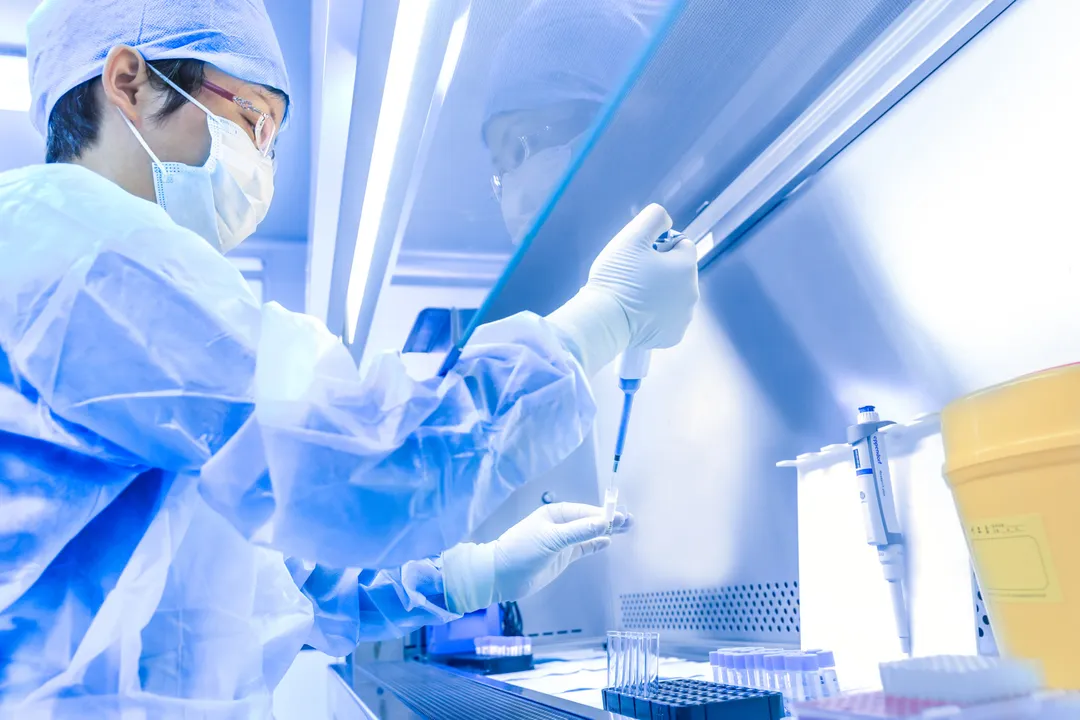
The world of pathogen surveillance involves far more than just tracking outbreaks; it is a specialized career ecosystem dedicated to keeping populations safe from infectious threats. Professionals in this area are fundamentally engaged in gathering, analyzing, interpreting, and disseminating health data to guide public health action. [4][8] This work spans government agencies, academic research centers, and private industry, requiring a diverse set of skills from molecular biology to advanced statistics.
# Essential Functions
The most recognized roles often fall under the banner of Epidemiologist or Infectious Disease Epidemiologist. [8][9] These individuals are tasked with designing the surveillance systems themselves, determining which data points matter, and how frequently they need to be collected. They look for patterns in disease incidence, prevalence, and spread across geographic areas or demographic groups. [1] For example, an epidemiologist might monitor influenza-like illness (ILI) reports weekly to determine if a geographic region is entering a high-transmission phase, prompting specific clinical advisories. [6]
In many government public health settings, especially at state or local levels, a Disease Surveillance Specialist is a critical player. [8] While the epidemiologist often focuses on the why and how of an outbreak, the specialist frequently manages the day-to-day mechanics of data flow. There is often a subtle but important distinction in practice: the specialist ensures the established reporting lines are functioning and data is accurately entered into state health information systems, while the epidemiologist uses that validated data to test a specific hypothesis about transmission or intervention effectiveness. [2][9] This operational necessity means that strong organizational skills are just as vital as statistical aptitude in these frontline roles.
Another key position, particularly in rapid response scenarios, is the Field Investigator or Public Health Advisor. [2][3] These roles are about getting boots on the ground, interviewing patients or contacts, tracing the chain of infection, and collecting environmental samples. They act as the crucial link between the abstract data seen on a computer screen and the reality of the health event unfolding in a community. [7]
# Data Specialists
Modern pathogen surveillance is inextricably linked to informatics and data science. The sheer volume of data—from electronic health records, lab results, and even wastewater testing—requires dedicated personnel to manage and interpret it. [9] Epidemiology Data Analysts or Informatics Specialists transform raw data into actionable intelligence. [2]
These analysts often work with specialized software and programming languages to clean datasets, map disease clusters, and build predictive models. A significant part of their value lies in creating clear visualizations that communicate complex epidemiological concepts to non-specialists, such as hospital administrators or local politicians. [4] If a state health department is moving from paper-based reporting to a fully electronic system, these informatics experts are the ones overseeing the technical transition, ensuring data integrity across the new platforms. [3]
When reviewing job descriptions across different organizations, it becomes clear that some surveillance roles are heavily weighted toward data maintenance and reporting—often titled "Surveillance Coordinator"—while others are weighted toward analytical modeling and outbreak investigation, typically labeled "Epidemiologist". [8] Understanding this division in emphasis is key when choosing a career path; one might prefer the consistent, system-maintenance focus, while the other demands constant adaptation to new, emerging threats.
# Field and Laboratory
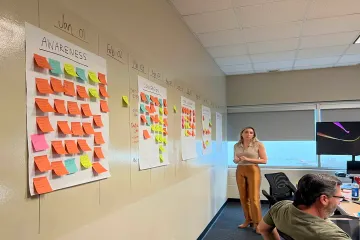
Surveillance is not purely an office-based endeavor. The connection between the lab bench and the public health office defines the validity of the surveillance data. [3] Laboratory Epidemiologists or Microbiology Specialists focus on the pathogen itself, tracking changes in virulence, drug resistance, or genetic markers that affect disease transmission. [4] They utilize molecular techniques to confirm the identity of a pathogen found in a patient sample, which is essential for national tracking systems that categorize strains of viruses or bacteria. [3]
The coordination between the field investigator collecting the sample and the lab technician processing it must be precise. Any break in this chain—a mislabeled tube, a delay in transport, or improper storage—can render the surveillance effort useless. [5] Therefore, roles focused on Laboratory Information Management Systems (LIMS) are also part of the surveillance infrastructure, ensuring traceability from patient to positive result and back to the public health investigator. [3]
# Public Service Tracks
Many foundational careers in pathogen surveillance begin within government structures, often through specialized training programs. In the United States, the Centers for Disease Control and Prevention (CDC) hosts programs that are a direct pipeline into high-level surveillance work. [6] The Epidemic Intelligence Service (EIS) is perhaps the most famous example, training epidemiologists through intensive, real-time experience responding to outbreaks both domestically and internationally. [7]
EIS officers are essentially on-the-job trainees who work directly on surveillance projects, often embedded within state or local health departments. [7] This experience is invaluable because it imparts an understanding of the political and logistical challenges of implementing surveillance recommendations in diverse settings, which is knowledge that cannot be fully taught in a classroom. [6] Similarly, roles within national public health institutes globally require a background that demonstrates a commitment to public service and an understanding of governmental protocols for reporting and intervention. [4]
A career at the CDC often involves roles in specific divisions focused on areas like vector-borne diseases, foodborne illnesses, or hospital-acquired infections, each requiring a unique set of surveillance expertise tailored to the specific pathogen group. [6]

# Global Health Roles
The need for robust surveillance systems extends well past national borders. International organizations, non-governmental organizations (NGOs), and pharmaceutical companies all employ professionals dedicated to tracking pathogens globally. [4] An Infectious Disease Surveillance Officer for a large international NGO, for instance, might be responsible for setting up a surveillance network in a region with limited existing infrastructure. [5] This requires a different skill set than working within a highly digitized national system; it demands adaptability, an understanding of resource constraints, and significant cross-cultural communication skills. [1]
The industry side also offers surveillance roles, though they are generally focused on a company's products or pipeline. Pharmaceutical companies might employ Pharmacovigilance Specialists who monitor adverse events related to drugs, which sometimes overlaps with tracking vaccine-preventable diseases or identifying unusual clusters of illness that could signal a new public health concern. [4]
To better understand the practical distribution of effort, consider a typical infectious disease investigation team:
| Role Type | Primary Focus | Key Skillset |
|---|---|---|
| Epidemiologist | Hypothesis testing, study design, intervention planning | Biostatistics, Study Design |
| Surveillance Specialist | Data collection integrity, reporting automation | Data Management, Public Health Reporting |
| Field Investigator | Case definition verification, contact tracing | Interviewing, Logistics, Community Engagement |
| Lab Scientist | Pathogen identification, molecular typing | Microbiology, Genomics |
This table illustrates how surveillance relies on specialized teams rather than generalists, although many early-career professionals cycle through several of these functions to gain broad experience. [1]
# Skill Development
To transition successfully into pathogen surveillance, specialized academic training is essential, often requiring a Master of Public Health (MPH) or a related advanced degree. [6] However, success in the field today demands more than just the traditional curriculum. Given the volume of information flooding public health decision-makers, the ability to synthesize and present data visually—going beyond standard statistical outputs to craft compelling visual narratives—is rapidly becoming a differentiator. [4] Professionals who can proficiently use tools not just for analysis but for high-impact communication will find themselves highly sought after, bridging the gap between the data scientist and the executive briefing room. This cross-training in visual communication offers a tangible edge in a crowded applicant pool seeking to influence policy based on surveillance findings. [4]
The work remains dynamic; as new technologies emerge, from wastewater monitoring to genomic sequencing, the job descriptions for pathogen surveillance professionals will continue to evolve, always centered on the core mission of early detection and prevention. [3][5]
Related Questions
#Citations
What careers exist in epidemiology/public health/infectious disease ...
$20-$60/hr Pathogen Surveillance Jobs (NOW HIRING) Dec 2025
Careers in Infectious Diseases: Public Health - PMC - NIH
Careers at the CGPS - Centre for Genomic Pathogen Surveillance
Consultant - Pathogen Genomic Surveillance | WHO - Impactpool
Top 4 Entry Level CDC Jobs - MPH Online
About the Epidemic Intelligence Service - CDC
Epidemiology Surveillance Jobs, Employment | Indeed
Infectious Disease Surveillance Jobs - Apply Now | CareerBuilder.com