What jobs exist in human-robot interaction?
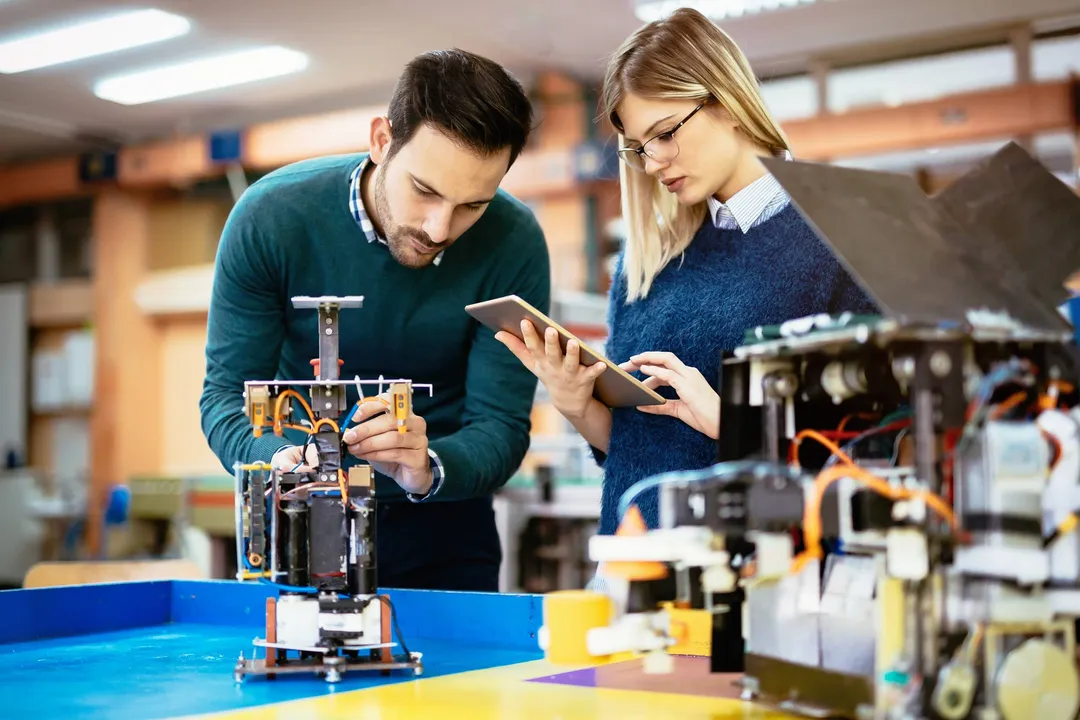
The integration of robots into daily life, moving far beyond science fiction, has created a distinct and rapidly evolving professional landscape centered around how people and machines coexist. The jobs within Human-Robot Interaction (HRI) are fundamentally multidisciplinary, bridging the tangible world of mechanics and sensors with the nuanced world of human cognition, behavior, and interface design. [4]
The need for these roles arises because a technically perfect robot is useless if humans cannot operate it safely, trust its actions, or understand its intentions. [4] While one might think of a singular "Robotics Engineer," the actual job market—especially where human interaction is key—reveals a spectrum of specializations required to ensure robotic systems are intuitive, efficient, and socially acceptable. [4]
# Design Roles
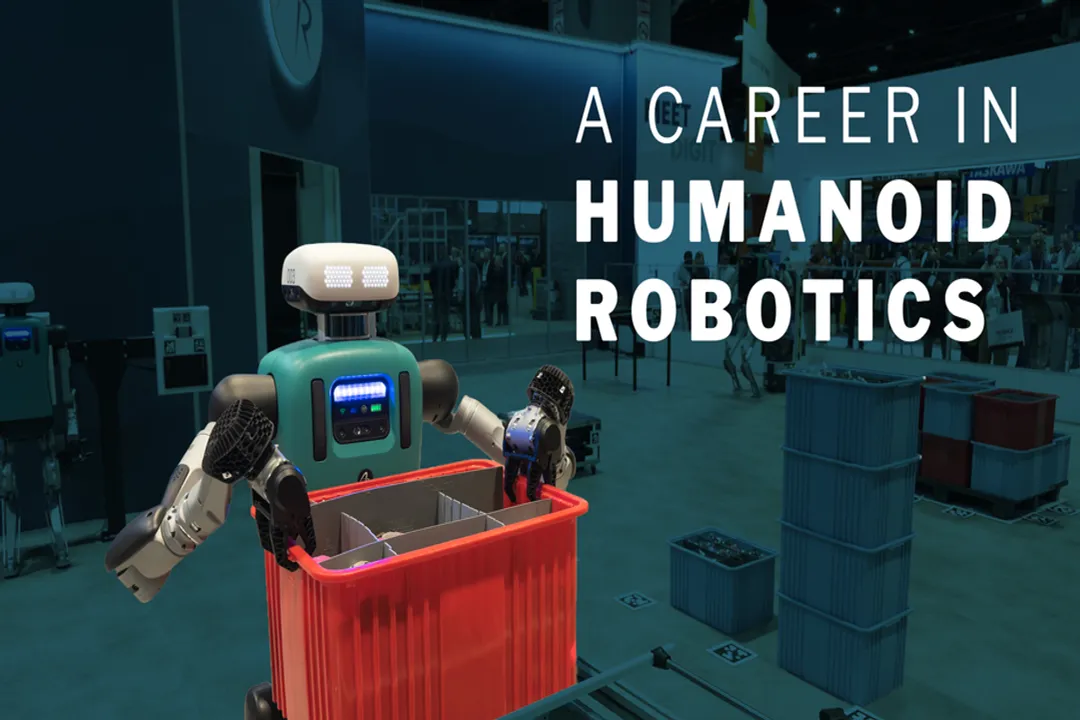
At the forefront of shaping the user experience with autonomous systems are roles directly involved in the interaction layer. The Human-Robot Interaction (HRI) Designer is perhaps the most central figure here. [4] Their work is not simply Human-Computer Interaction (HCI) applied to a metallic body; HRI specifically addresses autonomous robots and physical exchanges in real-world settings, focusing on building trust and effective communication. [4]
HRI Designers accomplish this by researching human cognitive and behavioral patterns, designing the interfaces through which commands are given, and programming the robot's responses to feel natural. [4] This requires a unique blend of expertise, pulling from artificial intelligence, cognitive science, psychology, and design principles. [4] They are tasked with improving how robots perceive human intent, making the collaboration smoother. [4]
This primary HRI role branches into several closely related specializations:
- Social Robotics Developer: These specialists focus on creating robots intended for personal or social roles, such as companions or service bots. Their work heavily involves developing systems for emotional recognition—programming the robot to interpret human expressions and respond appropriately within social contexts. [4]
- Cognitive Robotics Researcher: This area delves into the mimicry of human thought processes within the machine. Researchers in this domain develop models for how a robot perceives its environment, makes decisions, and learns, often integrating Natural Language Processing (NLP) to advance two-way communication. [4]
- Human Factors Engineer: While HRI is concerned with interaction, the Human Factors Engineer specifically optimizes the robot’s design for practical usability and safety in the human workflow. [4] They conduct usability testing on control mechanisms and design ergonomic features.
It is insightful to consider that while a traditional Robotics Engineer might focus on the how—mastering control theory, sensor fusion, and mechanics to make the robot move correctly—the HRI specialist focuses on the why and what next in human perception; they act as the translators between raw machine capability and necessary human acceptance. [4] The slow progress in refining robotic interfaces suggests that these design roles are currently a crucial bottleneck for wider consumer adoption, perhaps even more so than achieving incremental gains in physical performance metrics. [4]
# Core Technical Careers
For robots to interact effectively, the underlying hardware and software must be expertly engineered. Many high-paying jobs in the robotics sector exist not under the specific title of HRI, but as the foundational disciplines that make interaction possible. [5][7]
# Software and Intelligence
The "brain" of any autonomous or interactive system falls to the software side. Software Engineers specializing in robotics are highly valued for writing the algorithms that allow machines to function, think, and learn. [3][5] Their responsibilities can range from programming low-level control systems to developing the high-level artificial intelligence that enables adaptation. [5][7]
Closely related, and often overlapping with software engineering, are roles dedicated to machine learning and perception:
- Machine Learning Engineer: These professionals design the algorithms that allow robots to improve performance through experience, learning from data collected via sensors or simulations. [5]
- Computer Scientist: Working in areas like predictive analytics, computer scientists develop the core programming foundations, often including decision-making principles for autonomous operation. [3]
- Autonomy Engineer: A specific type of developer focused on ensuring the robot can navigate, perceive its environment, and plan its movement without constant input. [7][8]
# Hardware and Control
On the physical side, several engineering roles ensure the machine is reliable, precise, and capable of executing the software's commands:
- Robotics Engineer: This general title encompasses the design, fabrication, testing, and assembly of the physical robot, combining mechanical, electrical, and computer science knowledge. [2][3] In many organizations, particularly in Europe, "Robotics Engineer" functions as an umbrella title covering several sub-disciplines. [8]
- Controls Engineer: Absolutely vital for precision, controls engineers design the systems that govern movement, ensuring accurate execution of delicate tasks, whether it’s a surgical robot or a manufacturing arm. [5][7] Expertise in closed-loop control theory is often cited as fundamental for any respectable robotics engineer. [8]
- Hardware Engineer: Concentrating on the physical components—circuit boards, processors, and sensors—hardware engineers collaborate with software teams to ensure the physical structure can correctly execute programmed instructions. [3]
# Specialized Engineering Disciplines
Robotics leverages nearly every engineering field. Mechanical Engineers focus on the physical structure, joints, and motion aspects of the machine. [3][5] Aerospace Engineers apply these skills to drones, spacecraft, and autonomous vehicles, often dealing with complex navigation in extreme environments. [3][5] Meanwhile, Automation Engineers focus more broadly on streamlining automated processes within industries like manufacturing. [2]
# Interface and Support Roles
Interaction is not only about the robot's behavior; it's also about the tools humans use to manage it.
- User Interface/User Experience (UI/UX) Designer: In robotics, this role is responsible for creating the tangible and digital mechanisms—touchscreens, voice command systems, or gesture controls—that enable a user to operate the machine easily. [3] This role heavily informs the HRI Designer's work, focusing on making the interface intuitive. [4]
- Robotics Technician: These professionals are the hands-on problem solvers responsible for assembly, installation, routine maintenance, and troubleshooting on the shop floor. [2][5] They often teach robots new tasks using computer code and coordinate directly with customers or users on functionality. [2]
- Robotics Operator: Often an entry-level position, operators ensure the smooth daily running of computer-controlled equipment and provide critical feedback to the engineering teams about design issues they observe during operation. [2]
For individuals new to the field or looking for varied exposure, understanding the organizational structure is key. A helpful tip for career entry is recognizing that smaller companies or startups often require engineers to "wear numerous engineering hats," providing broader exposure across software, control, and hardware. Conversely, larger corporations may slot engineers into highly specific roles, such as testing existing deployments or developing internal diagnostic tools, which might not always align with cutting-edge R&D interests. [8] Therefore, focusing an initial job search on a dense robotics environment—like a major fulfillment center or an industrial automation integrator—can provide the broad practical exposure needed to discover a true specialization later on. [5][8]
# The Horizon: Emerging and Future Jobs
The rapid convergence of robotics with fields like AI, biotechnology, and ethical governance means the job market is constantly expanding into previously theoretical territory. Many of the most impactful roles in the next decade do not yet have established titles, but they are forecasted based on current technological trajectories.
# Future Design and Governance
As robots move from the factory floor into homes, hospitals, and public spaces, the need for ethical oversight and sophisticated behavior modeling grows exponentially.
- Robotic Ethics Officer: This role will be necessary to assess the risks associated with robot deployment, advise regulatory bodies, and ensure that autonomous systems operate within cultural and human rights frameworks.
- Human–Robot Interaction Designer: While this role exists now, its scope will broaden to include complex social cues, ensuring robots function comfortably as colleagues or caregivers.
- Robotic Data Trainer: Similar to AI data annotation, these specialists will curate the necessary training protocols and datasets required to teach new, safe behaviors to autonomous agents.
# Future Technical Frontiers
The convergence of robotics with other disciplines is creating hybrid engineering careers:
- Bio-Robotics Engineer: Driven by advances in healthcare and prosthetics, these engineers will fuse biology and robotics, focusing on devices controlled directly by neural signals to restore mobility.
- Swarm Robotics Coordinator: As logistics and deployment shift toward using fleets of robots (drones, warehouse bots), coordinators will design the high-level algorithms to manage the safe and efficient operation of these swarms rather than single units.
- Soft Robotics Designer: This role centers on developing machines using flexible, adaptive materials, which is essential for applications requiring gentle manipulation, such as handling delicate biological tissues in surgery.
The increasing connectivity of robots via cloud and edge computing also points to specialized security needs. The Robotic Systems Cyber Security Specialist will become essential for defending networked machines against threats and protecting the critical data they process in sensitive sectors like healthcare and defense.
The common thread across all these roles, from the designer programming empathy to the technician repairing a servo motor, is the requirement for continuous adaptation. Robotics is not a static discipline; it is defined by its constant evolution at the intersection of physical engineering, computer science, and human behavior. [2][3] A career here demands a commitment to lifelong learning, often involving specialized training or advanced degrees to keep pace with breakthroughs in machine learning and sensor technology. [2][4]
Related Questions
#Citations
Career or Job Opportunities as Human-Robot Interaction Designer
What Are The Top 10 Careers in Robotics in 2025? | NEIT
13 High-Paying Jobs That Allow You To Work With Robots - Unmudl
As a robotics engineer, what jobs do I actually have to apply ... - Reddit
The 10 Top Types Of Human Robot Interaction Jobs - ZipRecruiter
10 Careers in Robotics | GCU Blog
The Future of Robotics Jobs: Careers That Don't Exist Yet
Careers - Agility Robotics