What jobs exist in carbon-neutral cement?
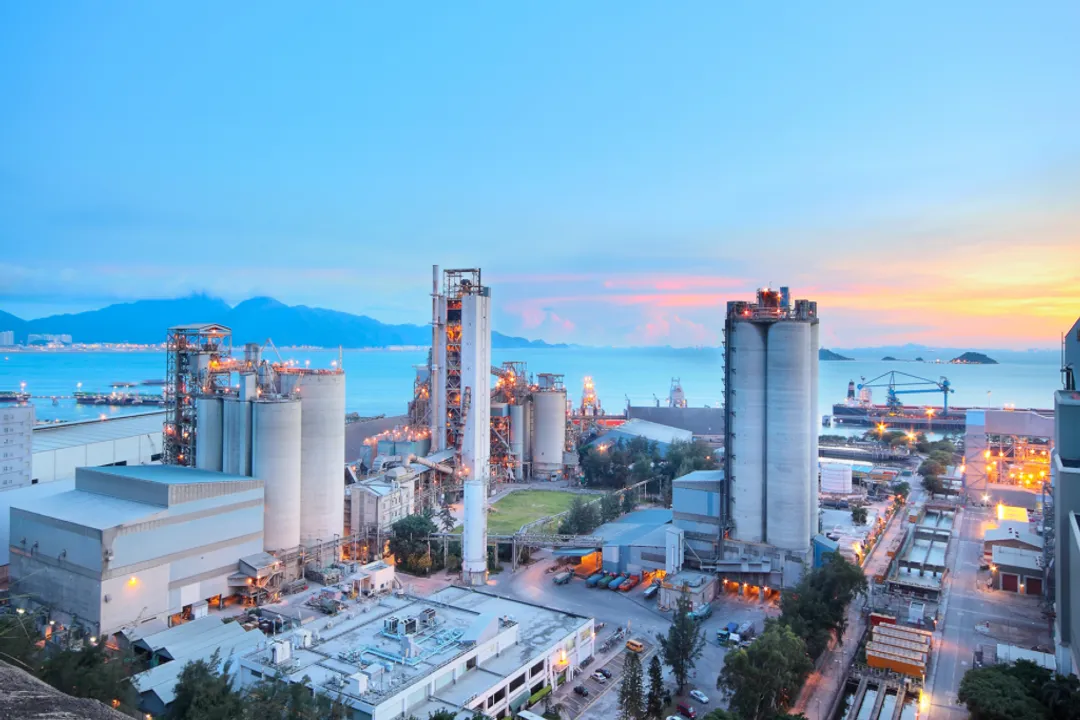
The construction industry is undergoing a profound transformation, driven by the necessity to drastically cut the roughly 8% of global emissions attributed to cement production. [1][6] This shift away from traditional, high-emission methods isn't just about finding new materials; it demands an entirely new ecosystem of specialized careers. The jobs required to make cement carbon-neutral stretch far beyond the traditional roles of kiln operator or plant manager, incorporating high-tech software development, advanced chemical engineering, and specialized sales expertise. [2][10]
# Tech Innovators

A significant cluster of new opportunities originates from the companies developing the breakthrough technologies aimed at reducing process emissions or capturing during production. [3][8] These roles are often found within rapidly growing scale-ups, contrasting with the established structure of legacy cement producers.
For instance, companies focusing on carbon mineralization—injecting captured into the concrete mix itself—require professionals who bridge the gap between chemistry and construction. [3] Roles here include Research Scientists focused on material science, Product Managers who translate these chemical improvements into marketable, building-code-compliant products, and Field Application Specialists. The latter group acts as the on-the-ground technical support, ensuring that concrete producers can successfully integrate new admixtures or injection systems into their existing batching plants. A Commercial Sales Manager role in this space, for example, requires understanding both the environmental impact and the necessary volume economics to convince large concrete suppliers to adopt the new process. [7]
Then there are those tackling the clinker stage, which accounts for the majority of emissions. Companies like Leilac focus on developing modified calciner technology to produce lower-emission clinker. [5] Job seekers interested in these roles would likely find demand for Process Design Engineers familiar with high-temperature thermal systems, Project Engineers skilled in retrofitting existing industrial facilities, and Simulation Specialists who can model the performance improvements before physical implementation begins. [5] These positions require a deep dive into thermodynamics and reaction kinetics, moving far beyond standard mechanical maintenance.
# Process Engineers

The core of cement decarbonization still happens within the plant walls, whether through the addition of supplementary cementitious materials (SCMs), the implementation of carbon capture, utilization, and storage (), or the modification of the fuel source. [1][10] This creates immediate needs for specialized engineering talent within established manufacturers.
Traditional chemical engineers who understand the rotary kiln system are now upskilling or retraining to focus specifically on Decarbonization Engineering. [1] They are tasked with optimizing the thermal efficiency of the kiln—a key element for reducing energy-related emissions—and designing systems to capture the produced during calcination. [1] This often involves roles in Instrumentation and Control, where the focus shifts to precisely managing new capture equipment or controlling novel fuel mixes, such as increased use of alternative fuels. [10]
One area ripe for specialized personnel is the validation and monitoring of these new processes. When a company shifts from 100% traditional Portland cement to a blended cement incorporating a novel additive or a unit, the personnel managing the plant must evolve from simply maintaining output rates to maintaining verified output rates. It is interesting to observe that the skillset moving from a traditional plant environment is shifting away from purely mechanical maintenance toward a proficiency in data-driven process optimization necessary to keep these complex, integrated systems running efficiently and within tight environmental compliance windows.
# Market Adoption
Even the most effective low-carbon cement technology remains theoretical until it is specified in construction documents and purchased by ready-mix concrete producers. This reality has created a growing need for roles focused entirely on market entry, education, and specification changes. [7]
These careers often fall under Technical Sales or Sustainability Consulting. Sales professionals need to market a product whose primary value proposition might be a slightly higher upfront cost offset by long-term environmental benefits or future carbon taxes. [7] This is not simple commodity selling; it requires detailed knowledge of Life Cycle Assessments () and local building codes. A technical representative must be able to argue convincingly with architects and structural engineers about performance parity or superiority while simultaneously detailing the reduction figures for green building certification schemes. [7]
Another critical, though perhaps less obvious, job category involves Specification Writers and Regulatory Liaisons. [6] The cement industry relies on established standards, often set by bodies like the American Concrete Institute () or regional standards organizations. For a new, low-carbon cement or concrete mix to be widely used, it must be incorporated into these official specifications. Personnel working here dedicate their time to working with these authorities, providing the data necessary to prove that the new products perform reliably under decades of structural load. [6]
# Compliance Data
As regulatory pressure mounts globally, the demand for professionals who can accurately measure, report, and manage the industry's greenhouse gas inventory is exploding. [6] This area requires analytical rigor and an understanding of both industrial chemistry and international reporting protocols.
Sustainability Analysts are essential for tracking the actual tons of avoided or sequestered. [6] They need to be experts in software and methodologies, moving the conversation from aspirational reduction targets to auditable performance metrics. These analysts often work closely with the finance department to quantify the financial risks and opportunities associated with carbon pricing mechanisms. [10]
Furthermore, the shift toward alternative fuels and circular economy practices within cement plants requires specialized procurement and waste management roles. [1] Finding, qualifying, and managing the supply chain for alternative fuels—such as used tires, municipal waste, or processed biomass—in a way that maintains kiln stability and meets emission limits is a highly specialized logistical and chemical task. [10] This contrasts sharply with the historical model where fuel sourcing was primarily focused on consistent calorific value from coal or natural gas.
Considering the nature of these distributed industrial changes, it is insightful to note that job creation is occurring on two distinct geographical fronts. First, high-value software, R&D, and corporate strategy roles are concentrated in established innovation hubs, often near the headquarters of the technology providers. [3][5] Second, the vast majority of the physical implementation jobs—the technicians installing injectors, the engineers retrofitting burners, and the site managers overseeing the transition—are tied directly to existing cement manufacturing sites, often in more rural or industrial corridors, creating significant local economic impact where the infrastructure already exists. [1]

# Emerging Skill Sets
The overall picture suggests that the future workforce in cement decarbonization will be characterized by hybridization. A candidate with a background in traditional chemical engineering who has acquired proficiency in computational fluid dynamics () modeling for kiln efficiency will be highly sought after. [1] Similarly, a construction materials salesperson who can translate data into actionable project savings is more valuable than one focused solely on price per ton. [7]
The industry is actively seeking expertise in areas that were peripheral just a decade ago, including electrochemistry, advanced sensor technology, and distributed ledger technology for verifiable carbon accounting. This transition demands continuous learning, making certifications in specific low-carbon technologies or regulatory compliance an increasing advantage for career progression within the sector. [6] The move to carbon neutrality is less about replacing people and more about equipping the existing workforce with sophisticated new tools and integrating specialized external talent to manage the complex technological transformation. [2]
Related Questions
#Citations
Low Carbon Cement Jobs, Employment
Low Carbon Cement Jobs (NOW HIRING)
Careers - CarbonCure Technologies Inc ...
Careers - Work With Us
Work With Us
Commercial Sales Manager (Concrete)
Climate Tech Careers
CarbonCure Technologies - Amazon Climate Pledge Job Board