What are the most important soft skills for professionals?

The core difference between having a job and building a career often boils down to a set of attributes that have little to do with technical manuals or software certifications. These are the soft skills—the interpersonal capabilities, emotional intelligence, and thinking styles that dictate how we work, interact, and adapt. While hard skills open the door to an interview, it is these "people skills" that often determine who gets promoted and who excels in dynamic professional settings. Professionals need these competencies to navigate complexity, motivate teams, and bring technical expertise to life.
# Core Communication
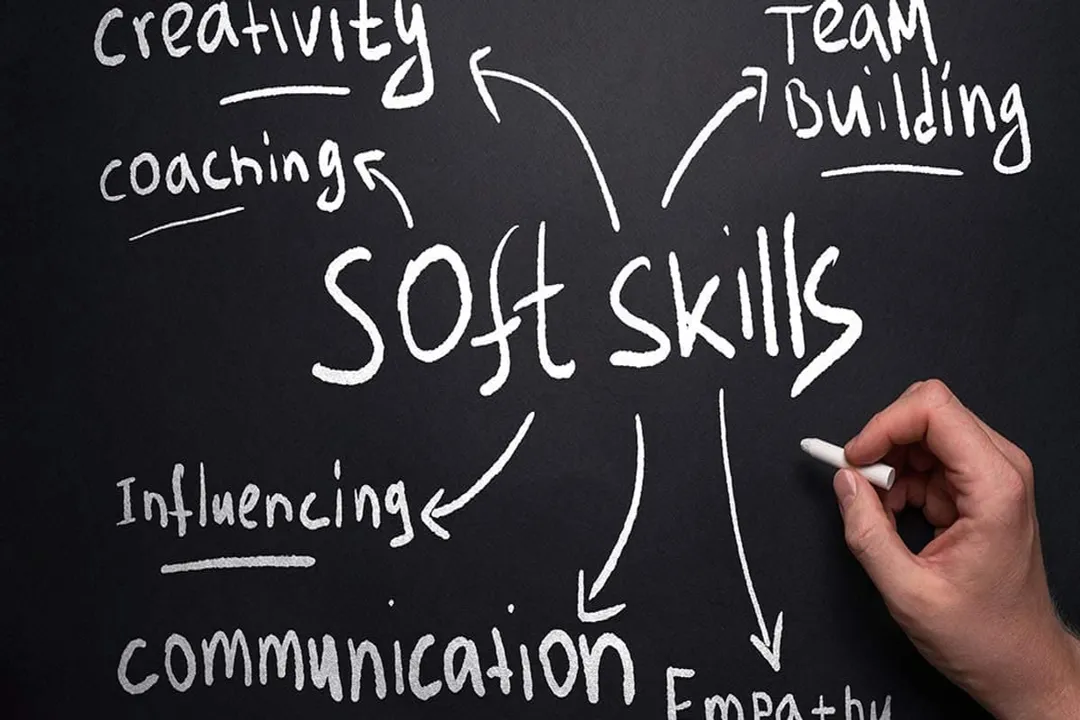
Effective communication remains perhaps the single most cited indispensable skill for success in any field. It is rarely enough to simply possess the right information; one must convey it clearly and appropriately. This competency is multifaceted, requiring proficiency in speaking, writing, and, crucially, listening.
Strong verbal communication involves not just clarity but also appropriate tone and the ability to tailor a message to the audience, whether presenting to leadership or explaining a technical concept to a new colleague. Written communication is undergoing a transformation in importance. In environments relying heavily on email, chat platforms, and shared documents, the ability to construct clear, concise, and unambiguous asynchronous messages is vital. An original observation in today’s environment is that the clarity of written asynchronous communication has become a disproportionately important soft skill. When instant clarification isn't available, poorly structured documentation or emails can cause significant project delays and misunderstandings [No citation for this original point].
Active listening is the often-overlooked half of this equation. It means giving your full attention to understand the speaker’s message and intent, rather than simply waiting for your turn to talk. This directly ties into building trust and avoiding errors rooted in misinterpretation.
# Thinking Acuity

Beyond how we speak to others, our internal processes—how we approach problems and process information—are equally critical.
# Problem Solving
The ability to identify issues, analyze potential solutions, and implement the most effective course of action is universally valued. Professionals are expected to be resourceful and capable of overcoming unexpected hurdles without constant supervision. This involves taking initiative when a problem surfaces rather than waiting for direction. In leadership roles specifically, problem-solving shifts toward preemptively identifying potential obstacles before they fully manifest.
# Analysis
Closely related is critical thinking, which involves assessing situations objectively, evaluating the reliability of sources, and forming reasoned judgments. It requires stepping back from immediate reactions to question assumptions and look at the bigger picture. While some sources categorize this as a distinct skill, others see it as the foundational mental process that underpins superior problem-solving.
# Creativity
Although often associated with artistic fields, creativity is essential in business for developing innovative approaches to long-standing challenges or optimizing inefficient processes. It involves thinking differently about existing constraints to find novel pathways forward.
# Interpersonal Dynamics

Modern workplaces thrive on connection, making skills related to human interaction paramount. These competencies determine how well an individual integrates into a team and manages professional relationships.
# Emotional Intelligence
Emotional intelligence (EQ) is the capacity to recognize and manage one's own emotions and to perceive and influence the feelings of others. High EQ allows professionals to react constructively under pressure and handle conflict diplomatically. When understanding others’ perspectives is prioritized, team cohesion improves because members feel heard and respected. This skill is fundamental to effective leadership and successful team integration.
# Collaboration
Teamwork means more than just sharing a physical or virtual space; it involves cooperating toward a shared objective, respecting differing viewpoints, and contributing consistently. The capacity to work well with others—even those whose working styles clash with your own—is a non-negotiable aspect of professional engagement.
To build proficiency here, professionals should practice mapping out collaboration styles. For example, observing a team's preferred rhythm—are they task-driven, relationship-focused, or process-oriented? Aligning your contribution style to the dominant rhythm, while still championing your own unique approach, can significantly reduce friction [No citation for this original point].
# Adaptability and Drive
The professional landscape is defined by constant change—new technologies, shifting market demands, and evolving company structures. The ability to handle this flux gracefully distinguishes top performers.
# Flexibility
Adaptability means embracing change rather than resisting it. This involves being willing to learn new tools, pivot priorities quickly when necessary, and maintain effectiveness even when familiar routines are disrupted. Professionals must demonstrate a readiness to evolve their methods as the needs of the job evolve.
# Organization
While often seeming administrative, strong personal organization is a soft skill because it reflects self-discipline and respect for others' time. This includes effective time management—prioritizing tasks based on impact, managing workloads efficiently, and meeting deadlines consistently. When an employee is organized, colleagues can depend on their commitments, which builds organizational trust.

# Leadership Presence
Leadership is not strictly tied to a managerial title; it is about demonstrating initiative, setting a positive example, and influencing others positively, regardless of rank. Dynamic leaders are characterized by their ability to guide and mentor others, even informally. Developing leadership qualities involves taking ownership of outcomes, offering constructive feedback, and inspiring confidence in team members. This influence often stems from embodying the other soft skills—a clear communicator and a level-headed problem-solver naturally attracts followership.
# Developing Core Competencies
Unlike hard skills, which often have defined learning pathways, soft skills require consistent self-awareness and intentional practice. Organizations recognize that these skills are highly valued, sometimes even more so than technical training, because technical gaps can often be filled through targeted education, whereas deep-seated interpersonal habits are much harder to change.
To genuinely adopt these competencies, a structured approach is beneficial. Instead of vaguely deciding to "be a better communicator," select one skill—perhaps active listening—and commit to a short-term development cycle. For thirty days, focus solely on that one area, actively soliciting specific feedback from a trusted peer or manager at the end of the cycle. This targeted, measurable approach ensures that the effort translates into noticeable behavioral change, making the abstract concept of "soft skills" concrete and actionable. This dedication to continuous refinement, rather than sporadic effort, is what separates adequate professionals from truly dynamic ones.
Related Questions
#Citations
Soft skills 101: definition + 50 examples - Handshake
15 Soft Skills You'll Need to Be a Dynamic Leader - Wilmington ...
What are soft skills that you find extremely credible in people? - Reddit
10 Emerging Skills for Professionals
The Top 8 Soft Skills That Employers Want | Purdue Global
How to Identify and Adopt the Right Soft Skills for Professional Growth
The Role of Soft Skills in the Workplace: Why They Matter
5 Essential Soft Skills to Develop in Any Job
Which Soft Skills are Most Important in the Workplace? - Mondo