Will Soft Skills Matter More Than Hard Skills?
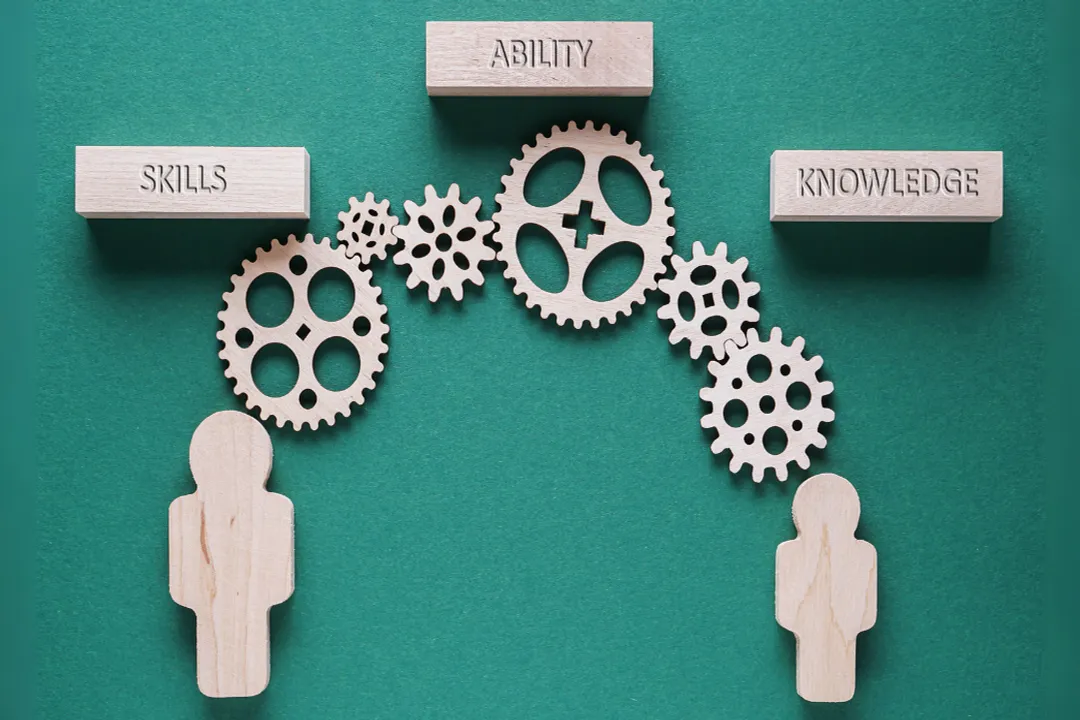
The initial hurdle in securing a new position often rests squarely on technical proficiency. Demonstrating expertise in specific tools, procedures, or knowledge bases—what we often term hard skills—is frequently the prerequisite that gets an application noticed and lands an interview. [7] Yet, beneath this initial technical screen lies a deeper narrative about career sustainability: the increasing gravity of soft skills. While the debate about which category holds superior value persists across professional forums, [2] the current reality suggests a significant power shift toward interpersonal and personal attributes. [4][8]
# Defining Attributes
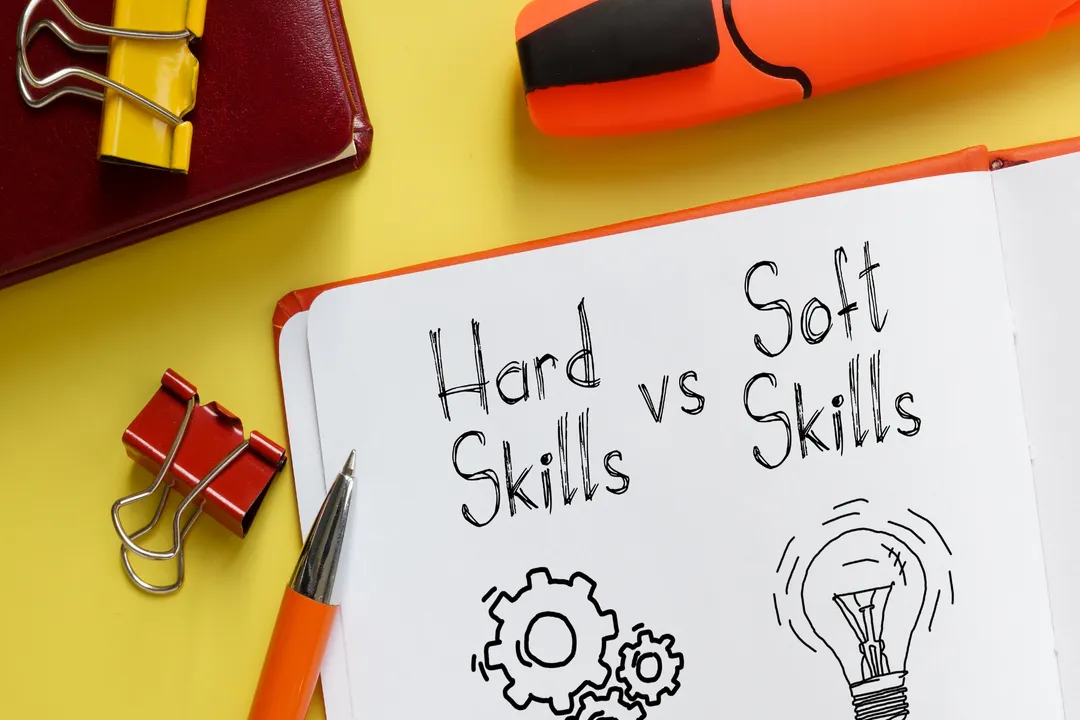
To understand the evolving balance, it helps to clarify the general distinction between these two skill families. Hard skills are teachable, quantifiable abilities often acquired through formal education or training, such as coding in Python, operating complex machinery, or fluency in a specific language. [7] They are easily measurable and often directly tied to job tasks. Conversely, soft skills are character traits or habits related to how one works and interacts with others. These include attributes like communication, teamwork, adaptability, and emotional intelligence. [7] While measurable in outcomes, the acquisition process is generally less structured than mastering a programming language.
# Hiring Versus Advancement
A widely accepted heuristic in career development posits that hard skills secure the entry point, while soft skills secure the ascent. One perspective suggests that hard skills get you hired, but soft skills are what ultimately get you promoted or enable advancement within an organization. [1] This implies a functional difference in their utility depending on the career stage. For early-career roles or highly technical positions where the immediate deliverable is paramount, technical chops might take precedence. [3]
However, this separation is becoming less rigid. Modern research indicates that soft skills are now impacting the initial hiring decisions more profoundly than perhaps in previous decades. [4] The underlying reason points toward the nature of modern work itself.

# Automation Impact
The increasing sophistication of automation and artificial intelligence plays a direct role in recalibrating skill value. As machines become adept at executing routine, process-driven tasks—many of which rely on specific hard skills—the uniquely human elements of work become more valuable. [6] If a computer can efficiently process data or manage logistics better than a person, the human advantage shifts to areas machines cannot replicate effectively: negotiation, creative problem-solving that requires abstract lateral thinking, and navigating complex group dynamics. [6] Therefore, when employers assess candidates today, they are looking for the skills that resist obsolescence through technology.
# Comparative Necessity
The relative importance is rarely an absolute zero-sum game; it is context-dependent. [3] A software developer still needs coding ability (hard skill), but their ability to explain that code to a non-technical stakeholder (soft skill) determines project success and team integration. [5] Similarly, leadership roles, regardless of the field, require foundational knowledge, but the very definition of effective leadership centers on behavioral skills like motivation, conflict resolution, and strategic vision. [2]
For readers navigating college or early professional life, recognizing this interdependence is key. Both sets of abilities are necessary for success, but the current market signals a preference for candidates who possess a deep technical anchor and strong interpersonal buoyancy. [5]
Here is a simple framework illustrating the primary function derived from established perspectives:
| Skill Type | Primary Function (Traditional View) | Value Multiplier in Modern Context |
|---|---|---|
| Hard Skills | Entry Qualification; Task Execution | Essential for Foundational Productivity |
| Soft Skills | Advancement; Team Cohesion | Essential for Adaptability and Influence |
This table underscores that hard skills are the baseline requirement for task competence, while soft skills act as the multiplier, improving the impact of those hard skills. [1][3]

# Developing Dual Competency
The critical insight for today’s professional is moving past the 'either/or' mentality and focusing on developing skills concurrently. Merely possessing technical expertise is no longer enough to guarantee a competitive edge; one must also be adept at applying that expertise effectively within a human system. For instance, consider a project manager who develops a perfect schedule (hard skill), but alienates the team through poor delegation and lack of empathy (soft skill failure). The schedule, however perfect on paper, will likely fail in execution. [9]
An actionable approach to cultivating this duality involves integrating soft skill practice directly into your technical work. When tackling a difficult technical problem, don't just solve it in isolation. Instead, document your decision-making process step-by-step, focusing on why certain assumptions were made and how you might present that rationale to a skeptical executive or a confused junior colleague. This forces the active development of communication and critical thinking skills while practicing the hard skill. This marries demonstrable technical ability with transparent, persuasive communication, creating a more powerful profile than either skill could achieve alone. [8] The market reward is often higher for those who can both do the work and explain the work persuasively.
# The Future of Skill Valuation
As organizational structures flatten and project-based work increases, the reliance on self-management, influence without direct authority, and cross-functional communication grows. These are fundamentally soft skill domains. [4] While no one is suggesting that surgeons should abandon anatomy studies for better listening skills, even in highly technical fields, the difference between a competent practitioner and an industry leader often comes down to leadership, mentorship, and the ability to secure buy-in for innovative but risky technical approaches. The evidence points toward a future where, if a hard skill can be reasonably automated, the soft skill related to managing or innovating around that automation becomes the premium asset. The focus is shifting from what you know to how you apply what you know in collaboration with others. [6][9]
Related Questions
#Citations
Why Soft Skills Matter More Than Hard Skills - LinkedIn
Do you prioritize soft skills or hard skills in hiring decisions? - Reddit
Hard Skills or Soft Skills: Is One More Valuable?
Soft Skills Matter Now More Than Ever, According to New Research
Soft Skills vs. Hard Skills: Why Both Matter in College and Beyond
Why are soft skills considered more valuable than hard skills ... - Quora
Understanding Soft vs. Hard Skills - Human Resource Services
Why Soft Skills Should Be Your Top Priority Now - MuchSkills
Soft Skills vs. Hard Skills: What Matters Most in Hiring Today?