How Do I Build a Personal Brand?

Building a personal brand is less about crafting a perfectly polished façade and more about managing the narrative that people form about you when you aren't in the room. [2] It is the intentional effort to shape the perception of your skills, values, and expertise within your professional sphere and the wider community. [4] This process requires introspection, strategic action, and relentless consistency, making it an ongoing development rather than a one-time project. [1] Think of your brand as your professional reputation distilled into its most potent and recognizable form.
# Finding Focus
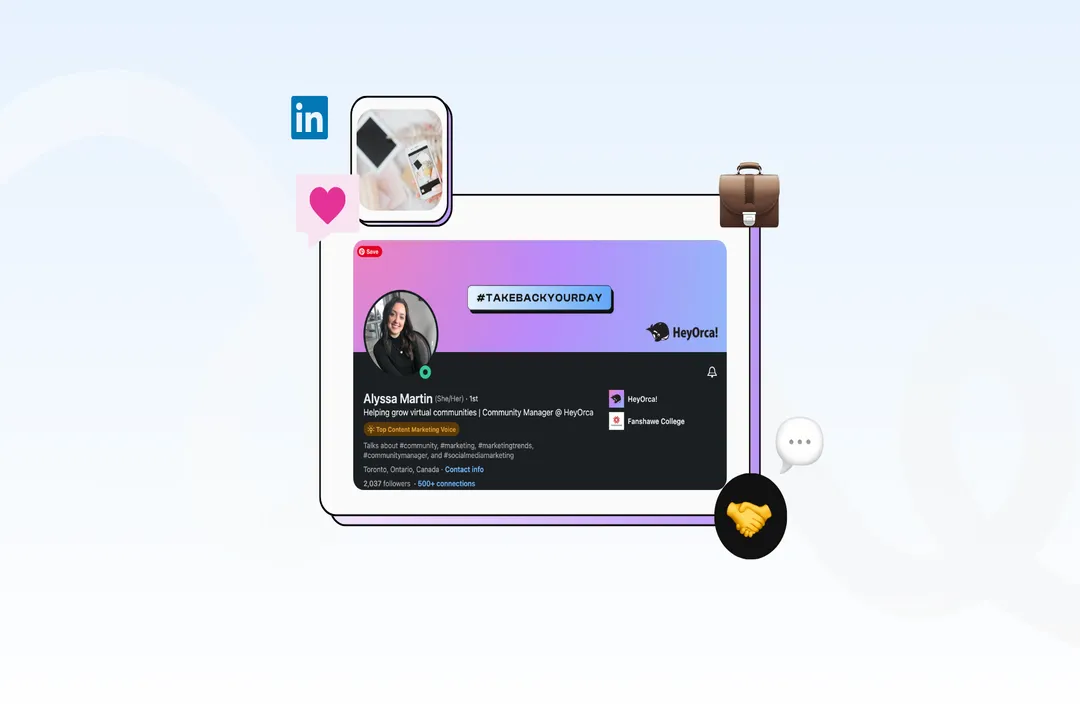
The absolute first step in this endeavor is clarity; you cannot market what you have not clearly defined. [8] This involves a deep dive into what you actually do best and, perhaps more importantly, what you want to be known for. [1]
# Core Identity
Many people conflate their personal brand with their job title, but a brand is much deeper than a description of your employment status. [5] It should encapsulate your unique combination of experience, personality, and values. [3] Consider what problems you are uniquely suited to solve. If you are a software developer, for instance, are you the person known for elegant database architecture, or the one who builds incredibly user-friendly front-ends? That distinction is where your brand lives. [6] A strong personal brand needs a clear identity that speaks to value, not just activity. [2]
# Niche Specialization
Trying to appeal to everyone means you will connect meaningfully with no one. [1] Success in personal branding often hinges on drilling down into a specific niche, even if that niche seems small initially. [9] This focus allows you to become the recognized expert in a smaller pond, which is far more valuable than being an unknown fish in the ocean. [7] When you specialize, your target audience knows exactly where to find you when they need your specific solution. [8] For example, instead of being a "marketing consultant," you might become "the go-to expert for sustainable B2B lead generation in the renewable energy sector". [5] This specificity builds immediate authority. [9]
# Value Proposition
Distilling your focus into a clear value proposition is crucial for communicating your worth quickly. [6] This is the anchor of your brand messaging. [2] It answers the reader’s unspoken question: "What's in it for me?" To structure this, try thinking about your Brand Core using this simple formulation: Value Proposition (What I solve) + Target Audience (Who I help) + Unique Mechanism (How I solve it differently) = Brand Core [^Original Insight 2]. Testing this core statement verbally is often the best initial validation; if you have to explain it for more than ten seconds, it might be too complicated [^Original Insight 1].
# Establishing Presence

Once you know who you are and what you offer, the next phase is ensuring the right people can see it and interact with it. [4] This is where consistent platform management and content creation come into play. [6]
# Platform Selection
You do not need to be everywhere, but you must be visible where your target audience congregates. [7] If you are targeting established corporate executives, LinkedIn might be your primary stage. [1] If you are building a brand in creative technology or design, a portfolio site paired with targeted visual platforms might be more appropriate. [4] The key is quality over quantity of platforms. [2] It is better to own one social channel completely—posting frequently, engaging deeply—than to have five channels that are sporadically updated. [7]
# Content Strategy
Content is the vehicle that delivers your expertise to your audience. [8] Your content should consistently reflect the specialization you defined earlier. [1] If you are known for database architecture, your content should be technical deep dives, case studies on optimization, or analyses of new database technology trends. [9] This creates an expectation: when people see your name, they expect to see relevant, high-caliber information. [6]
Content need not always be formal articles or videos. Sometimes the most effective content involves thoughtful commentary on industry news or an honest breakdown of a recent professional challenge you overcame. [3] Showing the process, the learning, and the minor setbacks builds trust far more effectively than only showcasing polished successes. [3]
# Consistency Over Frequency
While posting regularly is important for visibility, true consistency means always delivering on your brand promise, not just posting daily. [2] It’s better to publish one truly insightful, niche piece every two weeks than to post five mediocre updates every week that don't advance your core message. [1] A predictable schedule helps algorithms, but predictable quality builds loyalty. [4] If you commit to a weekly newsletter, stick to that cadence, regardless of holidays or busy spells, as this reinforces reliability. [7]

# Engaging Community
Building a brand is inherently a two-way street; it requires listening as much as broadcasting. [5] An audience that feels engaged is an audience that advocates for you. [2]
# Active Participation
Do not treat social media or forums merely as broadcast stations. [4] Actively seek out conversations happening around your specialized topics. [1] This means commenting on other experts' posts, offering helpful context in relevant discussions, and answering questions where you can genuinely add value. [3] When people see you consistently offering help without immediately asking for something in return, they begin to associate your name with helpfulness and expertise. [9]
For those establishing expertise without deep prior work history, community contribution is vital. [10] For example, if you are new to data science but have mastered a specific statistical method, actively participate in online groups dedicated to that method, answering specific user queries with detailed, correct solutions. [10] This builds demonstrable proof of knowledge [^Original Insight 1]. Becoming known as the most helpful person in a specific digital corner is a potent form of authority building [^Original Insight 2].
# Expanding Local Ties
While digital presence is expansive, do not neglect physical or local networking, especially if your career benefits from local connections or industry events. [5] Speaking at a local meet-up or even volunteering to organize a session allows you to test your core messaging in a low-stakes environment and build trust face-to-face. [5] A strong local reputation can often translate into valuable word-of-mouth referrals that digital efforts alone might miss [^Original Insight 1].
# Managing Perception
Your brand is not just what you say; it's how others react to what you say and do, which requires active monitoring and adaptation. [2]
# Feedback Loop
Actively solicit feedback on your content and your overall professional demeanor. [5] Ask trusted peers or mentors not just "Did you like this post?" but rather, "What word or concept immediately came to mind when you read this?". [1] This type of specific feedback reveals whether your intended message is actually landing with your audience. [3] Be prepared for your perception to differ from your intent, and be ready to course-correct gently. [6]
# Digital Housekeeping
Part of managing perception is ensuring that what people find when they search for you aligns with your professional goals. [4] This means regularly auditing your online presence. Ensure your LinkedIn profile, your main portfolio, and any professional headshots are current and present a cohesive image. [7] It can be helpful to conduct a "search test" on yourself periodically to see what pops up on the first page of results. [2] If outdated or off-brand information appears, work methodically to either remove it or push it down the search rankings with new, relevant content. [7]

# Measuring Success
Brand building can feel abstract, so defining metrics—even soft ones—helps maintain momentum. [8]
# Influence Indicators
Traditional metrics like follower count are vanity metrics unless they correlate directly with your goals. [2] If your goal is consulting leads, the key metric isn't likes; it's the number of qualified discovery calls booked from your platform. [8] If your goal is thought leadership, it might be the number of times your articles are shared by other established leaders in your field. [9] Focus on metrics that indicate influence within your specific niche, rather than broad popularity. [6]
# Long-Term View
Building a brand that holds weight and generates opportunities takes significant time—often measured in years, not months. [1] Early on, you might feel like you are talking into a void, but showing up consistently plants seeds. [3] The goal isn't immediate fame; it is establishing Authority, Trust, and Expertise (ATE) over time [^Original Insight 2]. This ATE, once established, acts as a professional moat, making you the default choice for opportunities in your defined area. [4]
A useful way to track this subtle growth is by looking at the quality of inbound requests. Are you starting to get invited to speak? Are recruiters reaching out with titles that match your desired specialization rather than just your old job title? These are stronger indicators of brand traction than simple engagement rates. [9]
# Iteration and Evolution
A brand must evolve as you do. [5] The expert you were three years ago is likely not the expert you need to be today. [3]
# Skill Alignment
As you acquire new skills or shift your professional focus, your brand narrative must adapt. [1] This adaptation should be framed as an evolution, not a contradiction of your past self. [6] For instance, if you transition from management consulting to specializing in AI ethics, you can frame it as building upon your foundation in systemic analysis with a new, critical focus area. [3]
# Maintaining Authenticity
The biggest danger in brand management is the temptation to adopt a persona that feels inauthentic, especially when chasing trends. [5] While tailoring your message for different platforms is smart strategy, the underlying values and genuine voice must remain constant. [2] People can quickly sense when a public persona doesn't match the private reality, which erodes the trust you worked hard to build. [3] Authenticity, even when sharing vulnerability about a professional struggle, is the bedrock of long-term brand strength. [4] If building your brand feels like putting on an uncomfortable costume every day, you have likely defined your brand too narrowly or focused too much on external validation rather than internal expertise. [7]
The entire process of building a personal brand—from defining your niche to engaging actively and monitoring feedback—is about making yourself known for something specific and valuable. [8] It demands patience, strategic visibility, and the courage to stand for a clear point of view in a crowded digital landscape. [10]
#Videos
How to Build a Personal Brand (Full Course) - YouTube
Related Questions
#Citations
Boosting Your Career with Personal Branding: 10 Tips
Why You Need A Strong Personal Brand and How To Build One
How do you build a personal brand? : r/Entrepreneur - Reddit
How to Build a Personal Brand (Full Course) - YouTube
A New Approach to Building Your Personal Brand
7 steps to build a personal brand in 2025 (with examples) - HeyOrca
6 Ways I'm Building My Personal Brand This Fall - The Everygirl
how to build a profitable personal brand (in just 7 steps): | Matt Gray
What steps can someone take to build their personal brand ... - Quora
How to build a strong personal brand in 2026 - Robert Walters