Are careers in patent intelligence growing?

The landscape of intellectual property careers is undergoing a noticeable transformation, marked by shifting hiring patterns and technological disruption that directly influence the demand for specialized analytical skills, often grouped under the umbrella of patent intelligence. Observing the current market reveals not necessarily a boom in traditional patent attorney headcount, but rather a clear evolution in what kind of expertise is valued and how that expertise is deployed to manage increasing complexity and speed requirements within the patent ecosystem. [3][5]
# Workforce Mix
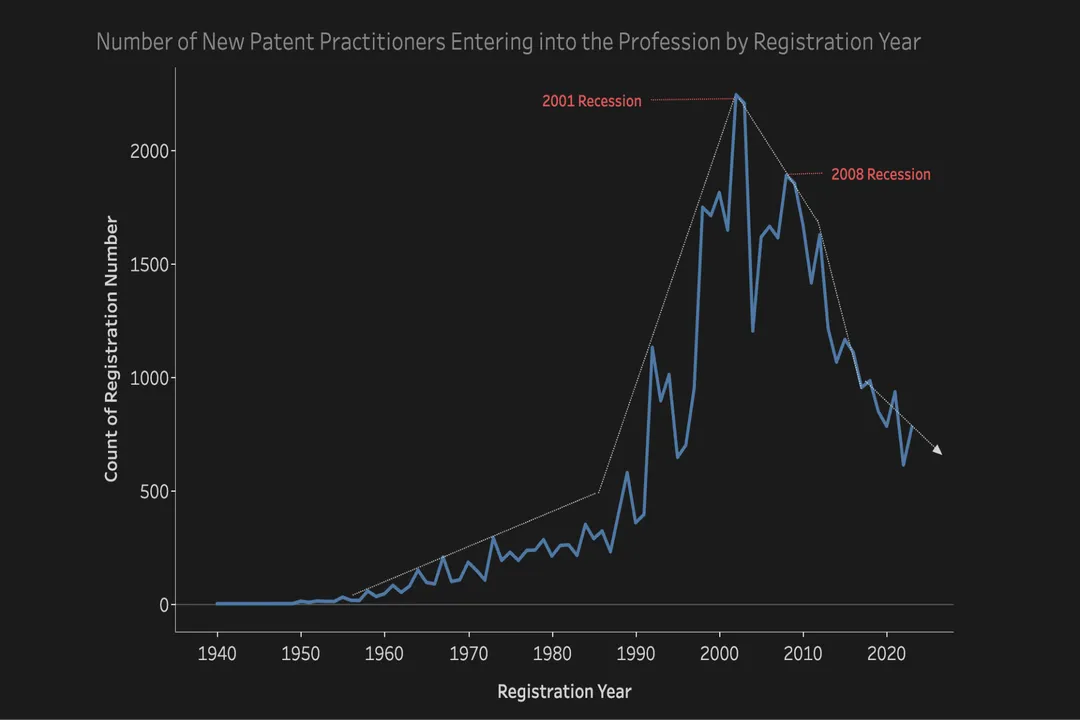
One of the most striking recent trends is the change in composition among patent professionals. Reports indicate that while the number of patent attorneys being hired might be declining, there is an observable increase in the demand for patent agents. [1][3] This shift suggests a redistribution of core tasks. Patent agents, who typically hold scientific or engineering degrees but may not have passed the bar exam, often focus heavily on the drafting and prosecution aspects of patent work. [1]
This growing reliance on agents implies that firms or corporations might be structuring their teams to optimize efficiency, perhaps handling core prosecution details with agents while reserving the higher-level strategic oversight for a potentially leaner group of attorneys. [7] The compensation structure reflects this demand for technical depth, with patent agent salaries showing trends that confirm their importance in the market. [8]
However, the perceived worth of these roles can generate debate among practitioners. While some view the current environment as potentially less lucrative or challenging for entry-level attorneys, others within the community question whether the career path remains as rewarding as it once was, particularly when facing evolving workloads and market pressures. [2]
# AI Impact
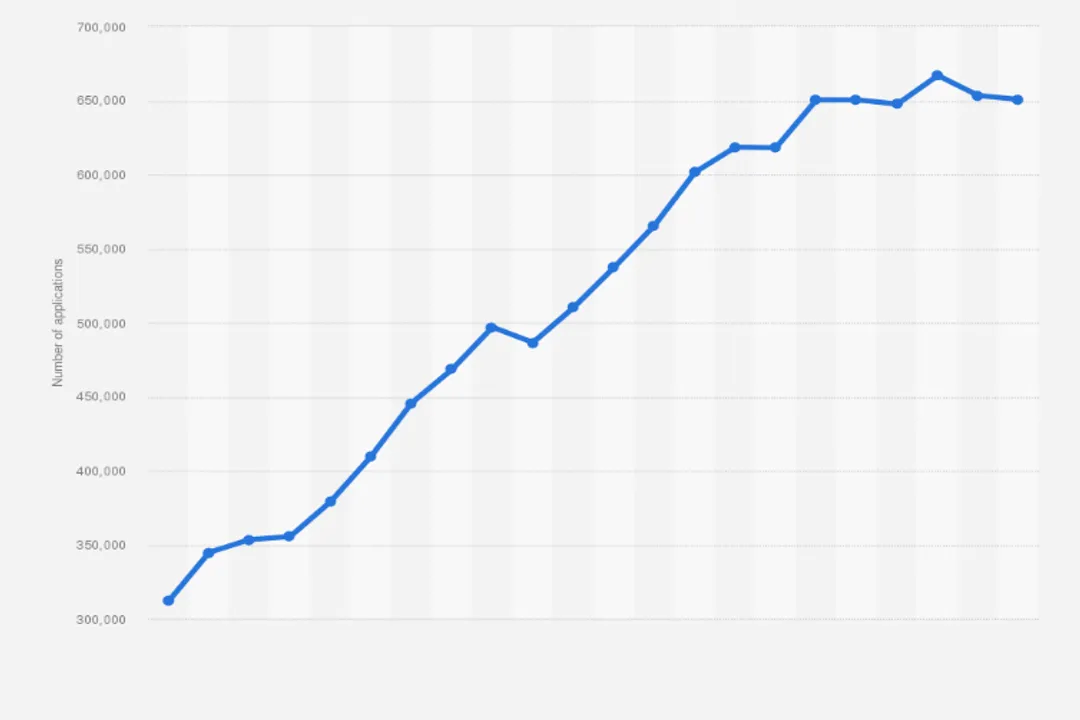
The integration of Artificial Intelligence into the legal and IP markets serves as a significant accelerant for the need for high-level patent intelligence. The future of patent attorneys is increasingly linked to their ability to adapt strategies in an AI-driven environment. [5] AI tools are becoming adept at tasks like prior art searching and initial document review, which historically consumed significant amounts of associate time.
This automation doesn't eliminate the need for skilled professionals; rather, it shifts the focus toward higher-order analysis. Where a junior associate might once have spent weeks sifting through thousands of documents, the modern professional needs to quickly interpret the results the AI provides, understand the strategic implications of those findings, and adapt the overall patent strategy accordingly. [5] This transition means that expertise in structuring data queries, validating AI outputs, and translating technical findings into actionable business intelligence becomes more central to the role than mere execution of routine tasks. A data scientist observing this trend might note that the information value density required per professional hour is rising sharply; if the volume of work is handled by machines, the value extracted by the human must be significantly higher and more refined.

# Pendency Goals

The administrative side of the patent system places constant pressure on the speed of innovation, which further elevates the necessity for efficient, intelligence-driven processes. The USPTO has established clear roadmaps and goals aimed at reducing patent pendency—the time it takes from filing to final disposition. [4] Meeting these goals requires more than just hiring more examiners; it necessitates that applicants submit higher-quality, more focused applications and responses.
When time constraints tighten, the ability to rapidly assess the competitive landscape, identify true white space, and avoid unnecessary rejections becomes paramount. [7] This is where robust patent intelligence shines. Instead of exhaustive, slow research, the modern patent team needs intelligence snapshots that inform filing decisions before they are made. A firm that can use competitive intelligence to preemptively navigate known examiner preferences or identify claim scope risks early saves time and money, directly aiding the system's efficiency goals. [4]
# Professional Movement
Market dynamism also signals where growth areas lie. Significant lateral movement among patent attorneys in recent years demonstrates that specialized skills are highly sought after and transferable across different firm sizes or corporate settings. [9] When professionals frequently move, it suggests that established entities are actively competing to acquire specific, proven competencies rather than simply relying on organic growth or training. [9]
Furthermore, for the profession to maintain its authority and effectiveness in the long term, it must embrace inclusivity and diversity. [6] A wider range of backgrounds—in terms of education, culture, and professional experience—brings varied perspectives to problem-solving, which is essential when tackling novel technologies. This diversification is not merely a social goal; it is an operational necessity for building a patent profession capable of understanding and protecting the full spectrum of future innovations. [6] This need for varied viewpoints suggests that patent intelligence roles requiring diverse technological backgrounds (e.g., biologists working alongside software experts) will likely see increasing opportunities compared to more monolithic teams focused on a single technology area.

# Career Value
Considering the combined factors—the shift toward agents for volume work, the strategic necessity imposed by AI, and the administrative pressure for speed—the conclusion is that careers demanding deep patent intelligence are not stagnating; they are evolving into higher-value functions. The ability to synthesize large datasets, interpret AI-driven risk assessments, and advise executive teams on competitive positioning based on patent thickets is what distinguishes a high-demand professional today. [5][7]
The market seems to be prioritizing strategic insight over sheer processing power. If a company can employ technology and agents to handle the bulk of the prosecution, the attorney or agent who masters the intelligence side—understanding the true competitive value and risk profile embedded in global patent databases—becomes the bottleneck for strategic decision-making. This focus on strategic synthesis suggests that while the number of traditional entry-level roles might shift, the demand for skilled intelligence analysts who can guide multi-million dollar R&D and M&A decisions based on patent data is structurally growing. Those professionals who cultivate strong analytical skills alongside their technical grounding are positioning themselves for the most durable and impactful careers in this evolving space. [7][9]
Related Questions
#Citations
The Changing Patent Workforce: Fewer Attorneys ...
Controversial but…is it worth pursuing a career as a patent ...
Careers in Patent Law: Hiring Trends
Patent pendency goals: A road map for the future
The Future of Patent Attorneys in an AI-Driven Legal Market
Why an inclusive and diverse patent profession is the future
Actionable Strategies to Thrive as a Patent Attorney
Patent Agent Salary Trends in the US
Patent Insight 4: Top Patent Attorney Lateral Moves in 2023