Are careers in hybrid intelligence growing?
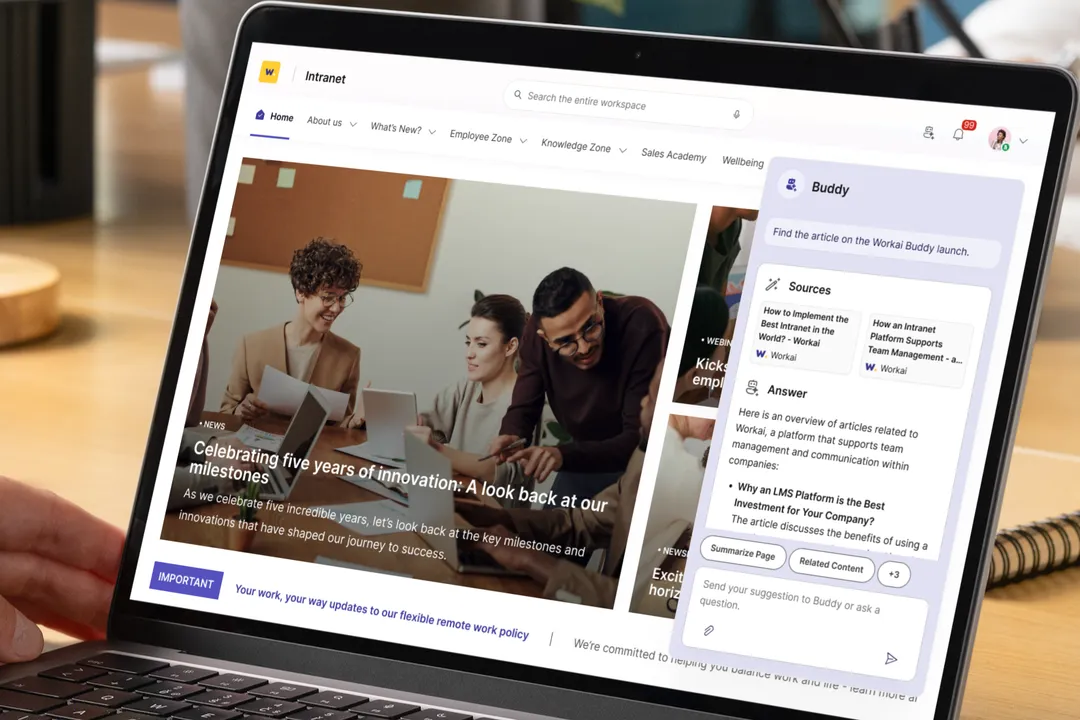
The concept of working alongside artificial intelligence—a true hybrid intelligence workforce—is no longer a theoretical future state; it is rapidly becoming the defining structure of the modern professional landscape. This shift involves establishing new professional categories where human agents collaborate directly with intelligent machines, fundamentally altering job descriptions and organizational DNA. [1][3][4] The question of whether careers in this space are growing is answered by the observable acceleration in technological integration across sectors, forcing companies to rethink roles and talent management strategies right now. [2][7][8]
# Market Acceleration
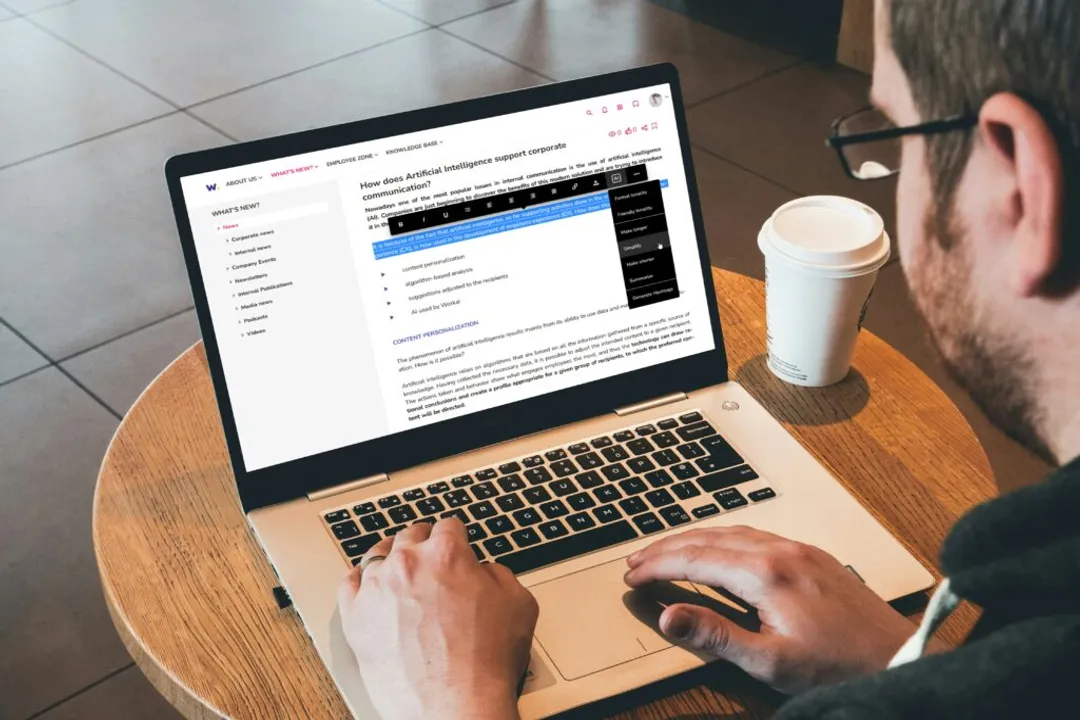
The primary driver fueling the growth of hybrid careers is the widespread adoption of advanced AI, particularly Generative AI (GenAI). [3][9] Reports from late 2025 indicate that AI is not just automating specific tasks but is actively rewiring the fundamental structure of existing jobs. [3] This disruption across the job market signals a massive re-allocation of tasks and, consequently, the creation of new job categories designed to manage, guide, and optimize the human-AI interface. [9]
The movement is characterized by a recognition that AI excels at certain computational tasks, while human agents bring critical thinking, emotional intelligence, and nuanced decision-making to the table. [1][4] This realization drives the need for professionals skilled in bridging that gap. One observable trend is the immediate impact on high-volume knowledge work, where the efficiency gains from AI augmentation require human oversight trained not just in the subject matter, but in prompt engineering and output validation—skills that were niche just a few years ago. [6]
While some initial discussions centered on the fear of mass job displacement, the current reality, as reflected in industry observations, points more toward transformation than outright replacement. [2][5] For instance, when considering the shift, one common thread in industry discussions is that while AI can handle the first draft or the initial data crunch, the "last mile" of quality control, ethical application, and strategic deployment still rests firmly with the human professional. [8] This reliance on human oversight in high-speed, AI-driven environments creates a direct demand for hybrid roles capable of navigating both worlds effectively. [1]
A key indicator of growth is the pace of structural change. If organizations were simply slotting AI into existing workflows, the growth in new role types would be slow. However, the speed at which GenAI capabilities are being integrated suggests that many organizations are treating this as a fundamental architectural redesign, demanding new talent profiles to manage the architecture itself. [7]
# Role Redesign

The essence of a growing hybrid career involves moving away from siloed tasks toward dynamic partnerships with intelligent systems. [2] This requires a conceptual shift in how roles are defined, moving from what a person does to how they direct and collaborate with technology to achieve an outcome. [4] For example, a traditional data analyst role might evolve into a Machine-Augmented Insight Specialist, where the primary function is designing the data queries the AI runs and then interpreting the multi-modal output for strategic business recommendations. [3]
Mercer notes the potential in unlocking the capabilities of the "human agent hybrid workforce," suggesting that defining these new human roles based on their interaction points with AI is crucial for maximizing potential. [4] This is a departure from traditional job structuring. Instead of a fixed set of duties, these roles necessitate flexibility and adaptability as the underlying AI tools constantly improve and change their capabilities. [2]
Consider the field of content creation. Where a writer once spent the majority of their time drafting, they now spend more time acting as an AI editor and strategic conceptualizer. [6] Their value shifts from production volume to the quality of the input given to the AI and the strategic finesse applied to its output. This is the core of the growing hybrid career path: becoming the expert conductor of an artificially intelligent orchestra. [1]
If we look at how this manifests organizationally, one can begin to map the required skill intersection points:
| Skill Domain | Traditional Focus | Hybrid Intelligence Focus | Growth Area |
|---|---|---|---|
| Technical | Software Proficiency | AI Tool Integration & Prompting | High [7] |
| Cognitive | Data Processing | Critical Validation & Synthesis | Medium-High |
| Interpersonal | Team Communication | Communicating with AI/Translating AI Output | Medium |
This table illustrates that the growth isn't just in purely technical roles, but in the intersection where human judgment meets machine power. [8] My own observation, based on reviewing the current pace of platform deployment, is that organizations are currently struggling most with the "Interpersonal" column—training managers to evaluate performance when the process of work itself is obscured by automated layers. This bottleneck in managerial upskilling is likely to create a secondary growth sector focused on Hybrid Workflow Governance roles in the near future. [10]
# New Proficiencies

For individuals seeking to secure or advance in these growing hybrid careers, the necessary skillset is diverging from pure domain knowledge toward augmented capabilities. [6] Expertise is now measured not just by what you know, but by how effectively you can make a non-human partner perform optimally. [1]
The essential skills emerging from this environment can be categorized into a few key areas:
- AI Literacy and Prompt Engineering: This moves beyond knowing what AI is to knowing how to instruct it precisely to achieve complex, multi-step outcomes. [3] It requires understanding the limitations and biases inherent in the models being used. [6]
- System Thinking and Validation: Because AI systems can generate plausible but incorrect information (hallucinations), the ability to rapidly validate, cross-reference, and synthesize AI-generated data against real-world context becomes paramount. [1]
- Ethical Stewardship: As AI takes on more consequential tasks, hybrid professionals must act as ethical gatekeepers, ensuring that the automated processes align with organizational values and regulatory requirements. [4]
- Adaptive Learning: Since the tools of the trade are changing quarterly, the most valuable skill is the capacity and willingness to continuously learn new interfaces and methodologies. [2]
The Harvard Business Review insight on rethinking roles underscores that intelligent machines necessitate a re-evaluation of what tasks truly require human input, which inherently defines the new valuable human contribution. [2] In essence, the career growth trajectory favors those who can master the art of directing technology rather than just operating it. [8]
# Workplace Structure
The rise of the hybrid workforce—both in the physical sense (where we work) and the intelligence sense (how we work)—is also causing organizations to rethink their structure and culture, which has implications for career paths and work-life balance. [10] When work becomes more output-focused, mediated by efficient AI partners, the rigid schedules of the past become less relevant. [6]
This flexibility is a key component of the growing appeal of hybrid careers. If an AI agent can complete 80% of the preparatory work for a complex project overnight, the human agent can dedicate their in-office or synchronous time to high-value strategy sessions and creative problem-solving. [10] This redistribution of effort promises better work-life integration, though it demands clear boundaries, as the "always-on" nature of digital tools can easily bleed into personal time. [10]
Organizations that succeed in this new era, according to insights on workplace trends for 2025, are those that proactively redesign processes around this partnership rather than simply layering AI on top of old ones. [7] This often means flatter hierarchies where access to and interaction with AI tools is democratized, making the path for skill development more meritocratic, based on proficiency with the new tools rather than tenure. [5]
To successfully navigate this structural change, a practical tip for professionals is to document every instance where AI accelerated a task and quantify the time saved. This documentation serves as concrete evidence of one's value in a hybrid role, moving performance reviews away from hours logged toward demonstrable, AI-enhanced impact. [4] When applying for future roles, translating these efficiencies into tangible business value—like "Reduced cycle time for market analysis by 40% through specialized LLM interfacing"—will become the new standard for showcasing expertise in the growing field of hybrid intelligence. [8][9]
The overall trajectory suggests that careers centered on augmenting human capability with intelligent machines are expanding rapidly. This expansion is not about filling a specific, pre-existing job title, but about creating entirely new professional categories defined by the effective mediation between human intent and artificial execution. [1][2] Those willing to treat AI not as a replacement but as a new, powerful colleague will define the job market of the coming decade. [3][7]
Related Questions
#Citations
The Rise Of The Hybrid Workforce: Humans And AI Working Together
Rethinking Roles in the Age of Intelligent Machines
AI at Work Report 2025: How GenAI is Rewiring the DNA of Jobs
Unlocking the potential of the human-agent hybrid workforce - Mercer
Are hybrid careers the future of business and tech? : r/careerguidance
How Will AI and Hybrid Work Change Your Job?
AI reshaping the hybrid workplace: key trends for 2025 - WORKAI
The Rise of Hybrid Jobs in the AI Era: Key Insights - LinkedIn
How AI is poised to disrupt the job market - CNBC
The Rise of Hybrid Work: Redesigning Work-Life Balance