Are careers in high-reliability organizations viable?
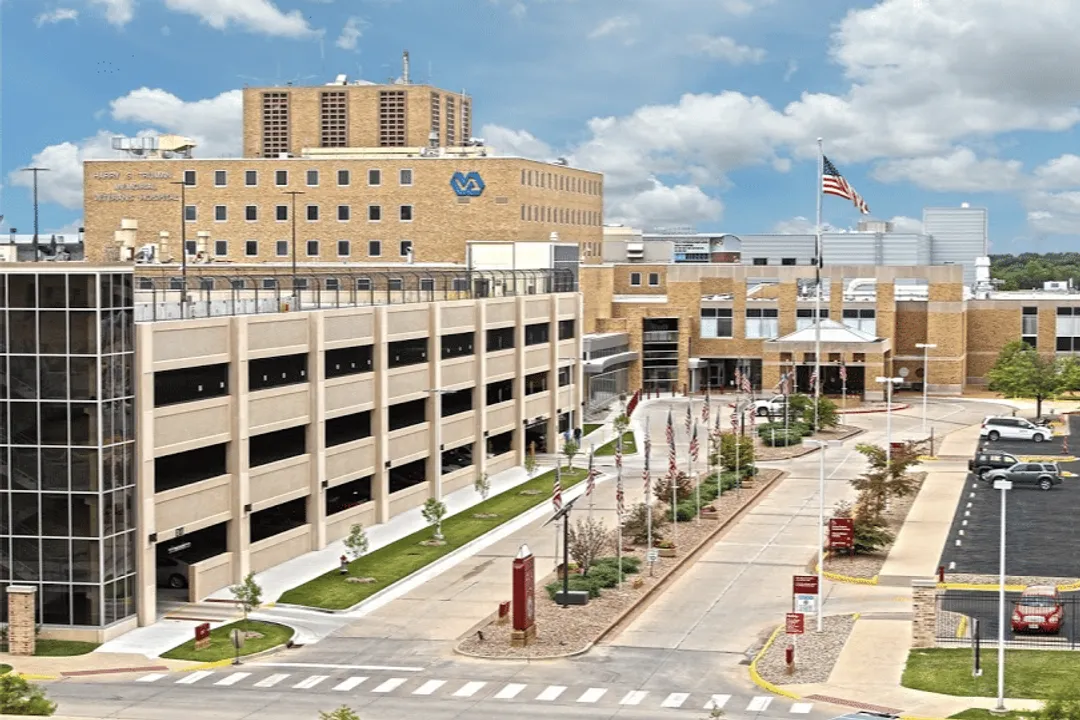
The environment within a High-Reliability Organization (HRO) often looks deceptively similar to a standard operation, yet the underlying culture and processes are profoundly different, especially when dealing with inherently complex and high-stakes tasks like nuclear power operations, commercial aviation, or modern healthcare systems. [7][1] Viability in these careers isn't just about job security; it’s about the nature of the work itself, the relentless pursuit of near-perfection, and the professional maturity required to operate successfully where mistakes are inevitable, but catastrophic failures are not. [2][8] For professionals seeking meaningful, intellectually demanding roles, HRO careers are not just viable; they represent the pinnacle of operational excellence.
# Defining HROs
High-Reliability Organizations are entities that manage to function safely and effectively despite operating in conditions where errors are possible and high-consequence events are frequent. [2][7] This success is not achieved through luck or simple compliance checklists, but through deeply ingrained cultural practices. [10] McKinsey identifies several key attributes that distinguish HROs: a preoccupation with potential failure, a profound reluctance to simplify complex issues, sensitivity to operations on the ground, a commitment to resilience, and a deference to expertise over rank. [1] In contrast, many organizations might view errors as exceptions to be disciplined or hidden, whereas HROs view errors as guaranteed data points that must be analyzed to improve the system. [7]
The concept is especially relevant in patient safety, where the sheer complexity of care delivery—involving numerous handoffs, diverse technologies, and human factors—makes errors a statistical certainty. [4] Therefore, an HRO healthcare setting is one where leaders actively seek out near-misses and minor errors, treating them as free lessons rather than incidents to cover up. [4][9]
# Career Appeal
The primary draw for a career in an HRO is the opportunity to work at the cutting edge of operational discipline. Professionals in these settings are constantly engaged in high-level problem-solving. The work environment demands a high degree of situational awareness and requires individuals to remain perpetually alert to subtle warning signs, a skillset that translates well across many industries. [1]
For healthcare professionals, specifically, working in an HRO structure can dramatically reduce moral distress associated with preventable errors. When systems are designed to catch errors before they harm a patient, the individual practitioner feels better supported, leading to higher job satisfaction and better patient outcomes. [3] Furthermore, the commitment to deference to expertise means that an individual’s actual knowledge and experience carry more weight than their formal title in critical moments. [1][6] This translates into a flatter, more meritocratic professional environment where good ideas are valued regardless of where they originate.
Consider a scenario common in a non-HRO surgical suite: a junior nurse notices an incompatibility between two medications being ordered but hesitates to question the senior surgeon due to established hierarchy. In a true HRO, the cultural imperative to speak up—the "stop the line" mentality—is so strong that the nurse is not only expected but required to voice the concern, and the surgeon is expected to pause and listen immediately. [8] This active participation in safety, rather than passive execution of orders, defines a more engaging and viable career path for those who value impact.

# Cultural Demands
While the operational excellence is appealing, HRO careers impose significant cultural demands that can challenge those accustomed to more traditional organizational settings. [5] The preoccupation with failure means that success is rarely celebrated with grandiosity; rather, it is treated as the expected baseline. This requires a specific mindset that values vigilance over complacency. [1]
Another significant hurdle is the mandatory reluctance to simplify interpretations. In an HRO, complex problems are never fully solved; they are managed continuously. If a process change seems to work perfectly for six months, an HRO mindset immediately prompts the question: What are we not seeing? What latent conditions have we created?. [7] This can feel exhausting or overly cautious to outsiders, demanding mental stamina for ambiguity and continuous inquiry.
Physician leaders, for example, must transition from viewing themselves primarily as clinical experts to operating as safety champions who must actively encourage scrutiny of their own domain expertise. [6] This shift requires humility and a commitment to organizational learning over personal defense, which can be a significant professional adjustment. [5]
# Leadership Requirements
For those whose career trajectory involves management, leading an HRO requires a distinctive leadership style, moving away from command-and-control models. [5] Effective HRO leadership emphasizes servant leadership combined with an unwavering commitment to safety principles. [5] Leaders are tasked with ensuring that the five core HRO principles are not just visible posters but are actively practiced daily. [1][9]
A key element involves creating psychological safety, which is the bedrock upon which deference to expertise and error reporting rests. [8] Leaders must model vulnerability, admitting their own mistakes and actively soliciting critical feedback about their decisions. [5] If a leader avoids tough questions or shields subordinates from accountability for process failures (while still holding individuals accountable for reckless behavior), the entire HRO structure begins to crumble, making the long-term viability of the culture questionable. [10]
| Leadership Focus Area | Traditional Organization | High-Reliability Organization (HRO) |
|---|---|---|
| Error View | Exception to be punished/hidden | Inevitable data point for system improvement [7] |
| Decision Making | Deference to rank/title | Deference to expertise and evidence [1] |
| Communication | Upward filtered/Polite reporting | Direct, candid, and often blunt inquiry [4] |
| Goal | Efficiency/Meeting targets | Safety and error mitigation first [10] |
This table illustrates that a career in HRO leadership is viable only for those who derive satisfaction from building and maintaining complex systems, rather than simply achieving short-term metrics. [5]

# Skills for Sustained Employment
To thrive, professionals in HROs need a specific toolkit that goes beyond technical competence in their specific field. Technical knowledge is the entry ticket, but cultural fluency is the key to long-term viability. [9]
- Proactive Hazard Identification: The ability to look past the immediate task and ask, "What could break right now?" or "What is the single weakest link in this chain?". [1]
- Effective Escalation: Knowing how and when to escalate concerns. This involves mastering structured communication tools, often taught in specialized training, to ensure critical information is transmitted accurately under pressure. [2]
- Systems Thinking: Understanding that most critical failures are due to systemic weaknesses, not individual malice or incompetence. [7] This prevents the common trap of blaming the last person in the chain. [4]
- Feedback Reception: Being able to accept critical feedback—especially when it relates to a process you designed or implemented—without defensiveness. This is crucial for personal and organizational growth. [5]
It is interesting to consider the difference between compliance and commitment. Many organizations strive for compliance, checking boxes to meet regulatory standards, which is often a feature of organizations aspiring to HRO status. [9] True viability, however, is found only in cultures where safety principles are internalized—where staff are committed to the principles even when no regulator is watching. [10] A career is viable only if the individual can make that internal commitment.
# Transitioning In
For someone moving from a standard environment into a true HRO, the shift in expectations can create a temporary sense of instability. In a less mature environment, successful people are often those who navigate ambiguity or cut procedural corners when necessary to meet a deadline. In an HRO, that same behavior is flagged as a serious risk.
An original observation here is that individuals often face what might be termed psychological safety debt when joining an HRO. If they spent years in a culture where speaking up led to reprimand, the initial period in the HRO requires actively unlearning the habit of self-censorship. They are safe to speak, but their muscle memory resists it. The viability of their career depends on how quickly they can build the confidence to challenge seniors, knowing that the organization is genuinely structured to reward candor, not punish dissent. [8]

# Assessing Potential
Prospective employees often ask, "Is this career viable?" meaning, "Will I be happy and successful here long-term?" To answer this without full immersion, you need to assess maturity during the interview process.
A practical tip for evaluating an organization claiming HRO status involves asking targeted, behavioral questions:
- Probe for Near Misses: Ask, "Can you describe a recent significant near-miss event that was not required to be reported externally? What was the leadership response, and what specific system change resulted within 30 days?" If the interviewer hesitates, cannot provide a recent example, or defaults to discussing a major, publicized failure from years ago, it suggests they are prioritizing external reporting over internal learning. [4]
- Test Deference: Inquire about a time when a highly experienced, senior subject matter expert was overruled by someone with less tenure based on new data. The answer should focus on the process of evidence review, not simply who was "right" in the end. [1]
- Examine Error Management: Ask, "If I discover a process flaw I designed last month, what is the expected outcome of reporting it tomorrow?" A viable HRO answer focuses on system remediation, timeline for fix, and an absence of fear regarding personal punitive action for uncovering a latent flaw. [7]
If the organization’s answers revolve around process adherence, standardization, and minimizing variance—rather than understanding and managing inherent risk—the career path may be viable only in the sense that it offers high performance, but not viable in the sense that it offers a true HRO culture of continuous learning. [10]
# Future Outlook
The trend across critical industries points toward a greater adoption of HRO principles, driven by regulatory pressure, technological complexity, and the sheer cost of error. [3][9] As artificial intelligence and automation become more integrated, the human role shifts from execution to supervision and system defense. This makes the skills valued in HROs—critical thinking, risk assessment, and non-linear problem-solving—increasingly valuable across the entire economy, not just in niche high-hazard sectors. [2]
Therefore, careers in HROs are not just viable; they are becoming the benchmark for operational leadership everywhere. The experience gained in maintaining near-perfection under pressure provides a professional currency that few other career paths can match. [8] While the work is undeniably demanding, requiring constant vigilance and intellectual honesty, the reward is contributing to an environment where safety is paramount and human fallibility is acknowledged and systematically managed, making for deeply rewarding professional lives. [3] The viability ultimately rests on the individual's desire to be part of an elite, self-correcting professional community dedicated to flawless execution in a world designed for error. [1][6]
Related Questions
#Citations
What high-reliability organizations get right - McKinsey
Becoming a high reliability organization - PMC - PubMed Central - NIH
Development and Expression of a High-Reliability Organization
[PDF] Becoming a High Reliability Organization: Operational Advice for ...
Leadership Role in High Reliability Organizations
What Physician Leaders Need to Know About High Reliability
High-Reliability Organizations (HROs): What They Know That ... - ECRI
High reliability organizations - Greenhouse Management
Mastering High-Reliability Organization (HRO) Principles for Safer ...
Three Misconceptions About High Reliability in Healthcare