Which website is best for internship search?
Finding the right platform for an internship search can feel like navigating a crowded job fair without a map. Instead of declaring a single "best" website—a title that shifts based on your major, school affiliation, and industry goals—a more effective strategy involves understanding the strengths and weaknesses of the top contenders available to students today. [1] The landscape is diverse, ranging from school-exclusive portals to massive aggregators, each serving a slightly different purpose in securing that vital first professional experience. [3]
# School Portals
For many students, the primary gateway to internship opportunities is the platform directly connected to their college or university career services office. Handshake frequently emerges as a top recommendation in student discussions, primarily because it requires school affiliation for access, theoretically filtering the user base to current students. [3][1] Recruiters using Handshake often target specific student demographics based on GPA, major, or coursework, leading to direct contact. [3] A crucial factor for success here, as noted by users, is profile completion; showing recruiters you are serious by fully detailing coursework, clubs, and projects helps you stand out in a sea of incomplete profiles. [1]
However, the nature of these targeted searches means candidates may receive numerous messages that are essentially mass outreach. Recruiters often use search filters to blast out messages to large groups of similarly qualified students, and replies to these generic invitations may go unanswered if the recruiter moves on to the next batch. [3]
# Major Aggregators
Beyond the school-specific hubs, general job platforms remain vital, often catching opportunities that haven't yet been filtered down into student-only portals. LinkedIn is consistently named as a strong resource for internship hunting, serving as both a professional networking tool and a job board. [3] Its authority rests on its vast professional network, allowing for direct informational interviews or connections with hiring managers. [1] Similarly, general job search engines like Indeed are cited as reliable places where internships are posted, often by companies that use them for all hiring needs, not just student programs. [3]
A different type of aggregator is Intern-List, which markets itself by constantly updating its listings, claiming to pull information from over 200,000 career sites and major job boards hourly. [1] While this constant refreshing ensures you see new openings quickly, be aware that for some popular tools, this can lead to oversaturation. One user noted that once an opportunity appears on a wide-reaching platform, the application pool can become so large that it becomes harder for even qualified candidates to be seen, suggesting that applying immediately after an opening is posted is key, regardless of the platform. [3]

# Specialized Niches
When looking for specific types of roles or work structures, niche sites prove invaluable. For those dedicated to mission-driven work, Idealist is a primary resource for non-profit opportunities, offering filters for cause areas and time commitment, including virtual volunteer options. [1]
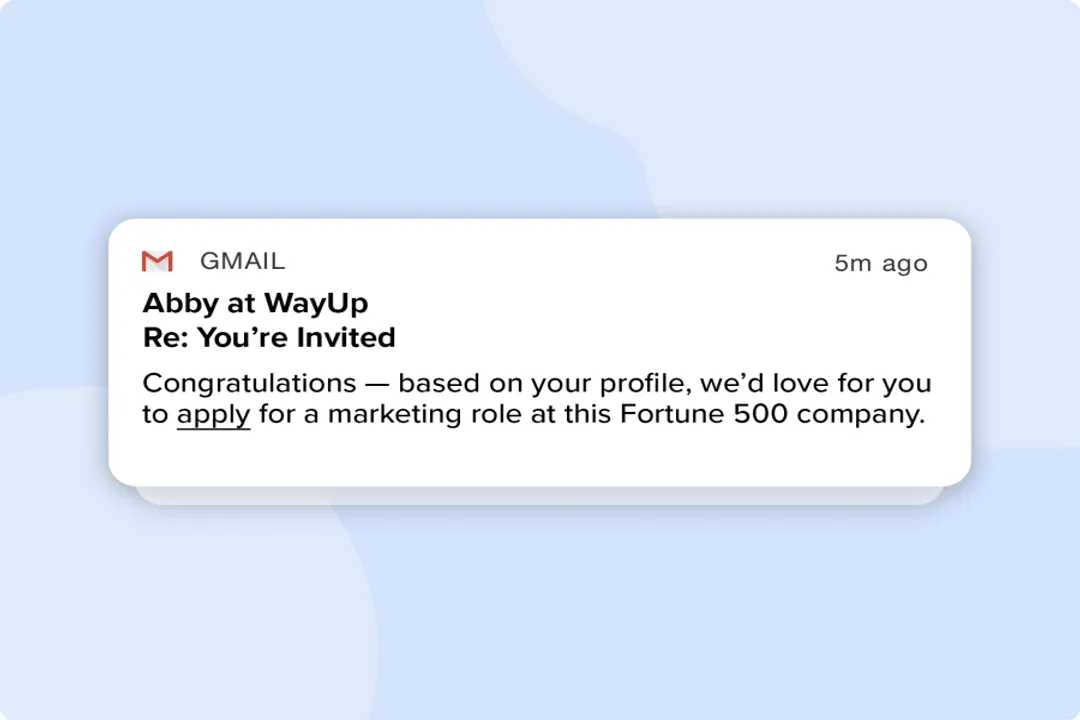
If your goal is to gain exposure through short-term, project-based work, platforms like Parker Dewey focus on "micro-internships"—short assignments typically ranging from 5 to 40 hours, which are often paid. [1] These are excellent for building a quick resume entry or testing out a field without the commitment of a full semester-long role. For entry-level roles and internships specifically targeting current students and recent graduates, WayUp is designed to match candidates with opportunities at startups all the way up to Fortune 500 companies, relying heavily on the candidate's profile to drive employer connections. [2] Other specialized sites may target specific demographics, such as programs for students of color or students with disabilities, which offer curated pipelines and development support. [1]
# Direct Company Checking
A strategy repeatedly suggested by those who have successfully landed positions is bypassing the third-party sites entirely to check the source. The most straightforward method remains visiting the careers page directly on a company’s website. [3] While this requires more manual effort—students must research target employers and check those pages frequently—it often presents the most up-to-date and complete listing for that specific organization. [3] It also signals high intent to the employer, as you have sought out their specific portal rather than relying on a broad search engine result.

# Deciding Where to Focus
The key takeaway is that the "best" website depends on your stage in the search. Early in the process, utilizing an aggregator like Intern-List can provide a wide survey of what is available across industries and help you refine your focus by seeing which fields are hiring students. [1] Once you have a clearer target, shifting your energy toward the school-affiliated Handshake portal or directly checking the career pages of your top five target companies will yield higher quality, more direct engagement. [1][3] If you are looking for a paid, quick resume builder, then a micro-internship platform is the superior choice for that specific objective. [1]
A good rule of thumb for streamlining this dual-platform approach is to dedicate time blocks: Monday mornings for reviewing the broad aggregator sites for new postings, and Wednesday afternoons for actively engaging with and applying via your school's portal and your saved list of direct company career pages. This segmented approach prevents platform fatigue while ensuring you don't miss the early application windows that are critical to success. [3]
# Vetting Opportunities
Regardless of the website used—be it a general board or a niche platform—the responsibility for due diligence remains with the applicant. Because scams exist across all public listings, it is vital to review all announcements carefully. [1] For instance, on platforms where recruiters reach out directly based on profile data, always cross-reference the recruiter's email address and the company they claim to represent. If a listing seems overly vague or asks for sensitive information upfront before an interview is scheduled, extra caution is warranted. [1] The integrity and safety of the organization and the working conditions are the student's responsibility to research, using the provided website only as a starting point for contact. [1]
Related Questions
#Citations
where is the best place to find internships - Reddit
WayUp: Jobs & Internships for College Students and Recent Grads
Top 2026 U.S. Internships: Software, Data, Marketing, Product ...
Internship Search Websites - Goucher College