What jobs exist in waste analytics platforms?
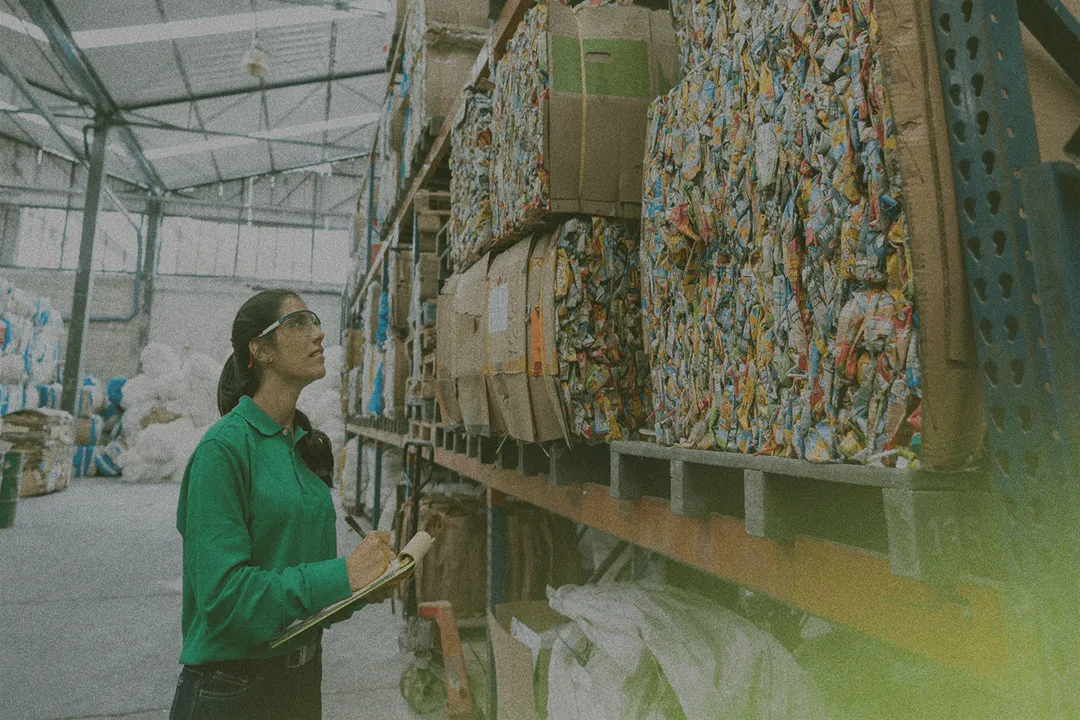
The modern waste and recycling sector is rapidly evolving from a field dominated by physical logistics into one increasingly reliant on data platforms for efficiency, compliance, and environmental impact assessment. This transformation has opened up a specialized career path centered on analyzing waste flows, material composition, regulatory adherence, and emissions footprints. [6][3] The jobs available in waste analytics platforms span technical specialties, bridging environmental science with data science, engineering, and policy analysis.
# Analyst Functions
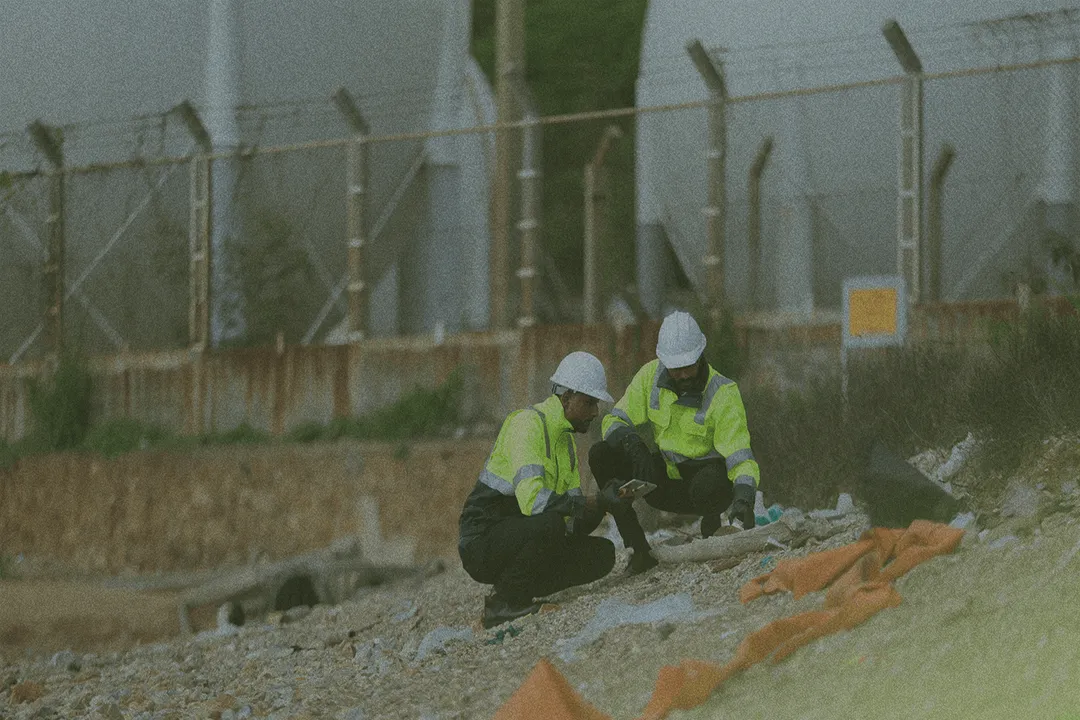
The title Solid Waste Analyst appears frequently, representing a critical link between field operations and strategic planning. These analysts are tasked with a core responsibility: analyzing and evaluating solid waste management within a defined area or region. [3][4] This involves deep dives into existing methods for waste collection, disposal, and recycling, often with the goal of identifying trends that suggest opportunities for improvement. [4]
A major component of this role involves ensuring that operations meet legal standards. Solid Waste Analysts must develop and implement plans for waste reduction and recycling programs while simultaneously ensuring compliance with local, state, and federal environmental regulations. [3][4] To achieve this, the work frequently requires conducting waste audits and assessments to pinpoint specific areas needing improvement. [4] They often prepare detailed reports and presentations that summarize waste management performance and proposed strategies for stakeholders, including government agencies and private companies. [3]
To stand out in these analytical roles, specific competencies are sought after. Data analysis and reporting proficiency are essential, as is familiarity with Geographic Information Systems (GIS), suggesting that spatial context is key to understanding waste streams and infrastructure. [3][4] Knowledge of existing waste management regulations and policies is also a baseline requirement. [4]
# Data Science Paths
Beyond the general analyst function, high-level data roles require deeper technical expertise to build predictive capabilities and measure global impact. These positions move beyond describing what happened to modeling what will happen or what is happening unseen.
One specialized and emerging area is the Impact Analyst, Waste Sector, exemplified by roles focusing on climate metrics. This position involves translating complex, remote-sensing data—such as satellite observations of methane and carbon dioxide emissions—into actionable narratives for non-scientific audiences like policymakers and industry partners. The work is highly quantitative, integrating data from remote sensing with complementary datasets like landfill methane inventories to contextualize emissions and attribute plumes to specific facilities. This work requires proficiency in modern analytical tools, often including R, Python, and Jupyter Notebooks, alongside geospatial visualization tools such as ArcGIS or QGIS. The objective is explicitly tied to driving methane reductions to address climate change.
Contrast this with the Data Scientist roles within large, integrated waste services companies. These professionals focus more on optimizing internal operations and financial performance. Their responsibilities often center on analyzing large datasets to identify inefficiencies and developing predictive models and machine learning algorithms to support core business objectives. For these roles, the toolkit shifts toward enterprise-level data processing and modeling, emphasizing platforms like Databricks and utilizing languages such as SQL and PySpark for data wrangling. The success metric here is often tied directly to the P&L impact derived from analytics, requiring skills in statistical modeling and translating technical concepts into clear financial recommendations for management.
The existence of both the Impact Analyst focused on global emissions via remote sensing and the corporate Data Scientist focused on operational efficiency and P&L shows a clear bifurcation in the analytics platform jobs within the sector: one serving external environmental mandates and the other serving internal business optimization. A candidate aiming for the data science track should aim to show concrete, in-production model building experience, as opposed to the Solid Waste Analyst who must demonstrate strong regulatory knowledge and audit experience. [4]

# Corporate Support Roles
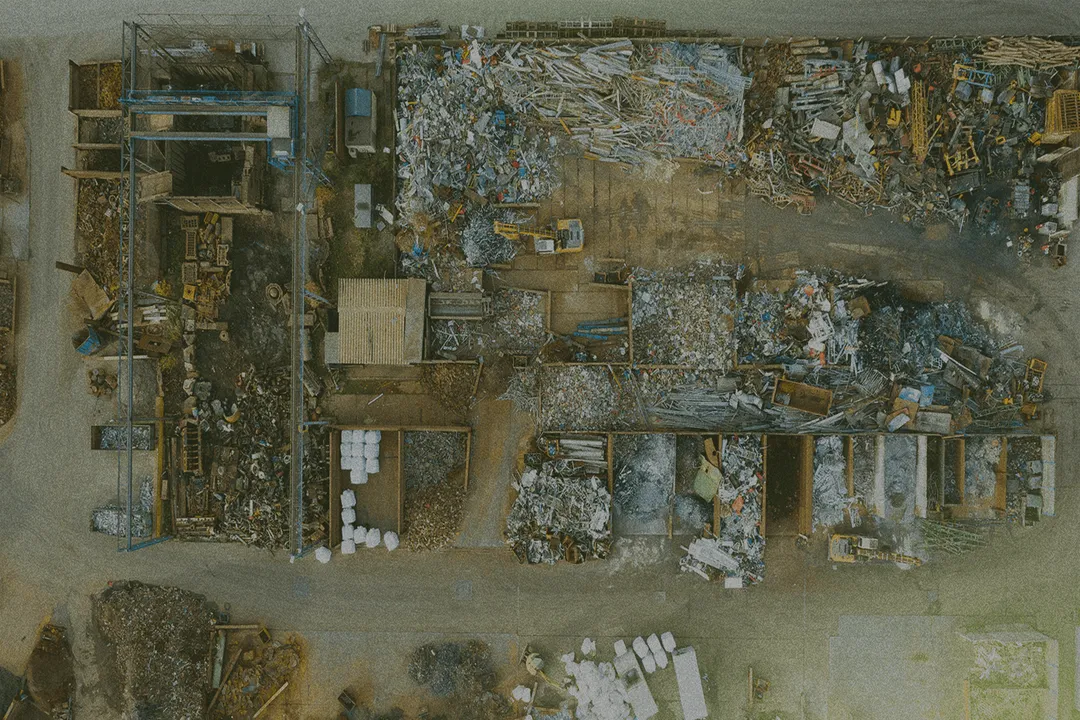
For those interested in data within the operational heart of a major waste management corporation, analytical skills are applied across various departments, supporting the larger structure. While not always titled "Analyst," many roles require significant data manipulation and reporting. [2]
For instance, positions like HR Reporting & Analytics Analyst focus on internal organizational data, preparing basic reports, tracking trends year-over-year, and providing assessments and recommendations to management concerning personnel. [2] Similarly, Billing Representatives analyze the impact of pricing changes, coordinate the collection and consolidation of sales activity data, and prepare necessary reports. [2] Even within environmental compliance at the corporate level, the Environmental Protection Specialist II maintains tracking systems and provides company-wide reporting on program policies and strategies. [2] These roles are excellent entry points, often requiring a Bachelor’s degree or related experience, and frequently utilizing standard tools like Microsoft Excel for data summarization. [2][3]
# Education and Essential Skills
The required foundation for analytical roles in this sector often requires a mix of technical knowledge and environmental context. For the traditional Solid Waste Analyst, a Bachelor's degree in Environmental Science or Engineering is the most common educational benchmark, with a Master's degree or professional certification sometimes preferred. [3][4] For the more technical Data Scientist or Impact Analyst, degrees in Computer Science, Statistics, or Mathematics are frequently sought, alongside specific experience in machine learning or greenhouse gas analysis.
Across the spectrum, certain skills consistently appear as highly valued:
| Skill Category | Key Competencies Mentioned | Primary Role Association |
|---|---|---|
| Technical Analysis | Data analysis, statistical modeling, R, Python, SQL, GIS, Databricks | Data Scientist, Impact Analyst |
| Regulatory & Compliance | Knowledge of waste management regulations, policy analysis | Solid Waste Analyst [3][4] |
| Project Management | Developing programs, tracking effectiveness, coordinating initiatives | All Analyst/Specialist Roles [3][4] |
| Communication | Presenting findings, translating complex data for non-scientific audiences | All Analyst/Scientist Roles [3] |
If you are building a profile to transition into waste analytics, focusing solely on a science degree might not be enough. Since many roles require both scientific understanding and technical execution—like integrating remote sensing data with landfill maps or using GIS for route optimization—a portfolio demonstrating the ability to marry these two worlds is extremely effective. For example, creating a personal project where you map publicly available contamination data onto a simple GIS layer and run basic time-series analysis in Python shows immediate, applicable expertise across the required skill sets. [3]

# Career Growth
The waste industry itself is substantial, valued around $358 billion in 2024, and projected to grow by about 5% annually, signaling sustained demand for skilled professionals. [6] This growth, driven by tightening regulations and increased environmental awareness, supports clear advancement paths for analytical staff. [6]
For those starting as coordinators or junior analysts, career progression often involves moving into roles like Environmental Manager or Sustainability Director, overseeing entire waste management programs for large entities. [6] The pathway is often defined by proving performance in execution and then acquiring relevant certifications or advanced degrees to take on broader oversight. [6] The industry values consistency and experience, where steady performance and specialized training lead directly to promotions, sometimes seeing a 20% to 30% wage increase when moving from entry-level to supervisory or management roles. [6] Whether you are analyzing data to reduce a city's landfill usage or modeling global emissions from facilities, the reliance on data platforms ensures that analytical expertise will remain a high-value asset in this essential, growing field. [6]
Related Questions
#Citations
18+ Data Jobs Hiring at Waste Management Apply Now - ZipRecruiter
What does a Solid Waste Analyst do? Career Overview, Roles, Jobs
Solid Waste Analyst Job Description (Updated 2023 With Examples)
Data Scientist @ Waste Connections | Jobright.ai
9 Careers In the Waste and Recycling Industry - Sourgum
Impact Analyst, Waste Sector at Carbon Mapper, Inc. - Gusto