What is the salary of CEO in India?
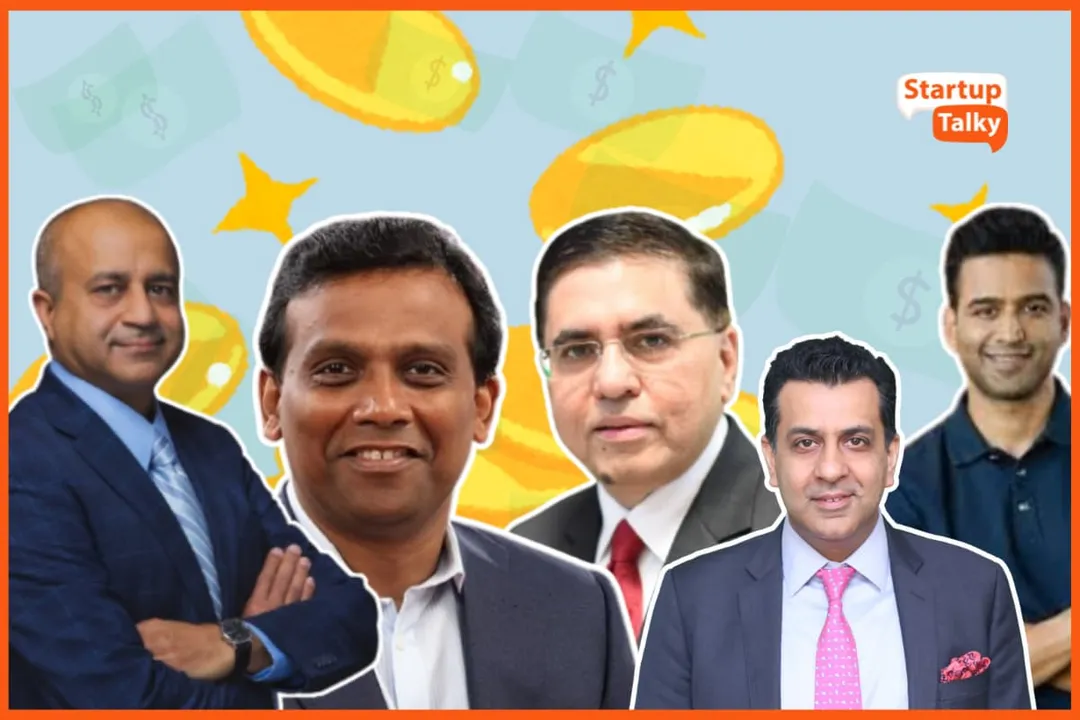
The determination of a Chief Executive Officer's salary in India reveals a landscape of extreme variance, reflecting the sheer diversity of the nation’s corporate ecosystem, from nascent technology ventures to entrenched multinational conglomerates. Simply asking "what is the salary" yields not one answer, but a spectrum spanning from modest figures to compensation packages that rival global benchmarks. This variability is a direct consequence of the multifaceted nature of executive compensation, where base pay is only one small part of the final remuneration tally.
# Salary Scale
To appreciate the scale, one must look at the different measures reported. General compensation surveys provide a baseline average that often appears grounded. For instance, the average pay for a Chief Executive Officer in India is reported around INR 13,939,605 annually, or approximately ₹1.39 Crore. Another source suggests an average CEO salary of ₹7,84,000 per year, citing Glassdoor.com data, though the accompanying salary range noted was substantially wider, going up to ₹27,00,670 on average per year. However, these averages generally fail to capture the true financial rewards at the pinnacle of Indian corporate leadership.
When examining the highest-paid executives in listed companies, the numbers surge dramatically, often expressed in total remuneration that includes significant non-cash elements. For the financial year 2025 (FY25), top leaders commanded figures that were significantly higher than the broad averages. For example, Sandeep Kalra, CEO of Persistent Systems, topped one list with a known salary/remuneration of ₹148 crore for FY25. Other leaders in that bracket included Pawan Munjal of Hero MotoCorp at ₹109.41 crore (FY25) and Rajeev Jain of Bajaj Finance at ₹102.10 crore (FY25). Even at the lower end of this elite group, figures are substantial, with Gopal Vittal of Bharti Airtel reporting ₹20.24 crore for the same fiscal year. This disparity between the reported average (around ₹1.39 Crore) and the compensation of the top executives (up to ₹148 Crore) strongly indicates that the general averages are heavily weighted toward fixed pay or smaller enterprises, obscuring the wealth-generating power of performance-linked and equity compensation prevalent in top-tier roles.
It is also worth noting international perspectives for context. For a remote CEO in India, the median annual base salary was cited at $64,798 USD. This figure underscores that geographical benchmarking for domestic roles, especially at the very top, operates on a completely different scale driven by domestic market capitalization and competitiveness.
# Package Components
Understanding why the highest figures reach into the hundreds of crores requires dissecting the compensation package beyond just the fixed salary. Modern executive remuneration packages are engineered with multiple components designed to align the leader's long-term interests with those of the shareholders and to motivate peak performance.
Fixed pay is the guaranteed foundation, providing financial security. This component typically ranges from 30-50% of the total compensation. Public sector organizations might lean towards a higher fixed pay ratio, while private firms favor variable models.
The real drivers of the massive numbers are the variable components:
- Performance Bonuses: Annual bonuses can frequently reach 100-200% of the fixed salary in successful companies. These are directly tied to predetermined metrics like revenue growth, profitability, and market share expansion. For instance, C. Vijayakumar of HCLTech’s compensation in FY25 included a performance bonus component.
- Stock Options and ESOPs: This is often the largest and fastest-growing element of remuneration, especially in growth-oriented or listed companies. Equity-based rewards directly link the executive’s personal wealth to shareholder value creation. In large corporations, the equity component can make up 40-60% of the total package, while in Unicorn Startups, this can reach 60-80%. This explains why a CEO’s total reported remuneration might be exceptionally high in one year—it often reflects the vesting or payout of multi-year stock grants based on past performance, not necessarily the cash compensation earned in that specific twelve-month period. This is a vital distinction when analyzing year-on-year executive pay reports.
- Long-Term Incentives (LTIPs): These plans encourage sustained focus over 3-to-5-year periods, using restricted stock units or performance shares. Increasingly, companies are favouring LTIPs to discourage short-term risk-taking and reduce executive turnover.
- Perks and Benefits: These are supplementary but significant, covering allowances for luxury cars, housing, extensive medical/family coverage (often including international benefits for MNCs), and club memberships.

# Sector Influence
The industry an organization belongs to heavily dictates the pay structure and ceiling for its Chief Executive Officer. Industries characterized by high growth, high risk, or significant capital flows tend to offer the most lucrative packages.
Policybazaar provides a helpful categorization of typical average annual compensation ranges (in ₹ Crores) across sectors:
| Industry | Average Annual Compensation (₹ Crores) | Typical Range (₹ Crores) |
|---|---|---|
| Information Technology | 15–25 | 8–45 |
| Banking & Financial Services | 12–20 | 6–35 |
| Pharmaceuticals | 10–18 | 5–30 |
| Telecommunications | 10–16 | 5–28 |
| FMCG | 8–15 | 4–25 |
| Automotive | 7–12 | 4–20 |
| Retail | 5–8 | 2–15 |
| Manufacturing | 6–10 | 3–18 |
The dominance of the Information Technology sector is clear, with high figures being seen across the board. For instance, major IT CEOs like C. Vijayakumar (HCLTech) and Salil Parekh (Infosys) consistently feature in the top pay lists, reflecting the premium placed on scaling global technology services and driving digital transformation. Pharmaceutical CEOs, such as Dr. Murali K. Divi, also command high pay, often linked to success in R&D and global Active Pharmaceutical Ingredient (API) manufacturing.
It is a common trend that CEOs leading global operations or driving significant market capitalization growth receive top-tier compensation compared to those leading domestically focused or traditional businesses.
# Corporate Startup Divide
A deeper look into compensation structure reveals a stark difference between established, large corporations and the dynamic startup ecosystem. The choice between these environments often reflects a leader's risk appetite and time horizon for wealth creation.
For Large Corporations (often those with revenue exceeding ₹10,000 Crore), the compensation package is structured for stability and high, predictable performance linkage. A CEO here might command between ₹18–30 Crore on average, with equity making up 40-60% of the total value. These companies benefit from established governance structures and higher accountability to public shareholders.
Conversely, Startup CEOs, particularly in early-stage ventures, operate on a different calculus:
- Early-Stage Startups: Founders or early CEOs might draw very minimal salaries, sometimes as low as ₹20–50 lakhs annually, in exchange for exceptionally high equity stakes, potentially 70-90% of their total intended compensation. This structure is a bet on exponential future growth, where the value of their shares, rather than immediate cash, defines their net worth.
- Unicorn Startups: As companies reach significant scale, the average compensation range shifts to ₹5–12 Crore, but the equity component remains very high at 60-80%.
This fundamental difference means that when comparing the ₹100 Crore CEO salary, one must ascertain whether that figure represents guaranteed cash flow or a valuation of vested, long-term equity—a necessary step for an informed analysis.

# Pay Oversight
Executive compensation is not arbitrary; it is subject to corporate governance protocols and regulatory checks intended to ensure accountability to shareholders.
The Board of Directors holds the ultimate discretion in setting and negotiating the CEO's terms, considering all performance and market factors. However, this power is channeled through specific committees and legal requirements:
- Remuneration Committees: Independent committees are tasked with evaluating and approving CEO packages. Their goal is to ensure the pay structure is competitive, aligns with performance, and creates demonstrable shareholder value.
- Regulatory Mandates: In the case of listed entities, the Securities and Exchange Board of India (SEBI) requires detailed disclosure of executive pay in annual reports. Furthermore, the Companies Act, 2013, mandates that shareholder approval is secured for CEO compensation that exceeds specific monetary thresholds. This process ensures stakeholder oversight, though proxy advisory firms are becoming increasingly vocal in scrutinizing pay proposals.
- ESG Linkage: A relatively new but impactful trend is the incorporation of Environmental, Social, and Governance (ESG) metrics into performance criteria. Bonuses and long-term incentives are increasingly tied to achievements in sustainability, corporate governance standards, and diversity targets, reflecting broader stakeholder priorities.
In essence, the process is designed to ensure that exceptional pay is warranted by exceptional, transparently measured results, moving away from compensation structures that might encourage undue risk.
# Executive Protection
The high-stakes environment in which CEOs operate—managing regulatory compliance, investor expectations, and massive organizational resources—creates significant personal liability exposure. Consequently, corporate protection for the top leader has become a recognized necessity, reflected in compensation planning.
A key instrument in this area is Directors & Officers (D&O) Liability Insurance. This policy safeguards the CEO's personal assets by covering legal defense costs, settlements, and judgments stemming from strategic decisions or alleged wrongful acts. From a governance perspective, having robust D&O coverage is viewed as a sign of sound corporate stewardship, which can aid in attracting high-caliber executive talent willing to accept the inherent risks of the role. Coverage limits are structured according to company size, sometimes reaching hundreds of crores, emphasizing the scale of potential exposure.
To draw a practical comparison, a company aiming to attract a CEO with a track record of organizational transformation and international exposure might need to budget compensation packages that are 30-50% higher than standard market rates for that industry, just to secure the required level of proven experience. This premium for specialized, battle-tested leadership is an investment in de-risking execution.
The structure of CEO salary in India is therefore best viewed as a complex equation balancing immediate security (fixed pay), short-term motivation (annual bonus), and long-term alignment (equity/LTIPs), all modulated by the company’s sector, size, and adherence to evolving governance standards. The figures quoted for top earners are almost always total remuneration for the year, often heavily weighted by equity payouts that may have been earned over the preceding several years. This means the reported cash salary is a poor proxy for the annual cash cost of employing the CEO, but an excellent metric for measuring the long-term wealth generated by their tenure. Understanding this nuance is key to accurately interpreting the salary narrative in the Indian corporate world.

# Compensation Averages
While the top-end figures dominate headlines, it is also useful to consider compensation data based on employee-reported averages, which tend to reflect base salaries or smaller company roles more accurately. For instance, the ERI data suggests a base salary range for a CEO lies between approximately ₹83.2 Lakhs and ₹2.3 Crore annually, with the average falling near ₹1.4 Crore. These figures are generally more representative of median base salaries across a large, mixed population of organizations, rather than the fully loaded packages of the largest publicly traded firms. The reported average of ₹7.84 Lakhs from Glassdoor.com, though statistically lower, suggests that a large number of CEO roles in SMEs or non-profits pull the overall average down significantly.
When executive education programs advise on career progression to the CEO role, they often highlight that educational attainment correlates with potential earnings; for example, on average, a Master's Degree holder in the CEO role commands a higher compensation benchmark than those with only a Bachelor's or less. This reinforces the idea that expertise—which advanced education seeks to formalize—is a primary driver of value and, consequently, pay.
Ultimately, while the top earners represent India's executive success stories, the overall compensation environment shows an expanding gap between the security of a moderate base salary and the massive potential unlocked by leading a high-growth, large-cap entity whose success is reflected in its stock performance.
#Videos
What India's Highest-paid CEOs Earn Will Blow Your Mind - YouTube
Related Questions
#Citations
CEO Salary in India - Policybazaar
Salary Range of a CEO in Various Industries in India - Amrita Online
What India's Highest-paid CEOs Earn Will Blow Your Mind - YouTube
CEO Salary in India 2025: How Much Do Top Leaders Earn Per ...
Salary data for CEO in India - Plane
Chief Executive Officer Salary in India (2025)
The Paychecks Of India's Highest-Paid CEOs In 2025 That Will Blow ...
CEO Salary in India: Insights on Pay and Growth in 2025