What is the best career for extroverts?

Extroversion, at its heart, describes a temperament energized by social interaction and external stimuli, making careers that involve constant engagement with people particularly appealing and effective for those personalities. [2][5] For someone who thrives on back-and-forth communication, networking, and collaboration, a quiet, solitary desk job can quickly lead to burnout, regardless of the paycheck. [8] The search for the "best" career isn't about finding a single job title, but rather identifying environments where an extrovert's natural strengths—like enthusiasm, persuasive communication, and ease in group settings—are assets rather than liabilities. [4] Many of the highest-paying fields often require significant interpersonal skill development, which naturally aligns with an extroverted disposition. [1]
# Interaction Focus
Careers that demand frequent, direct contact with the public or a diverse set of colleagues are often cited as prime territory for extroverts. [3] These roles require the ability to quickly build rapport and maintain high energy levels through extended social exposure. [9]
# Sales Marketing
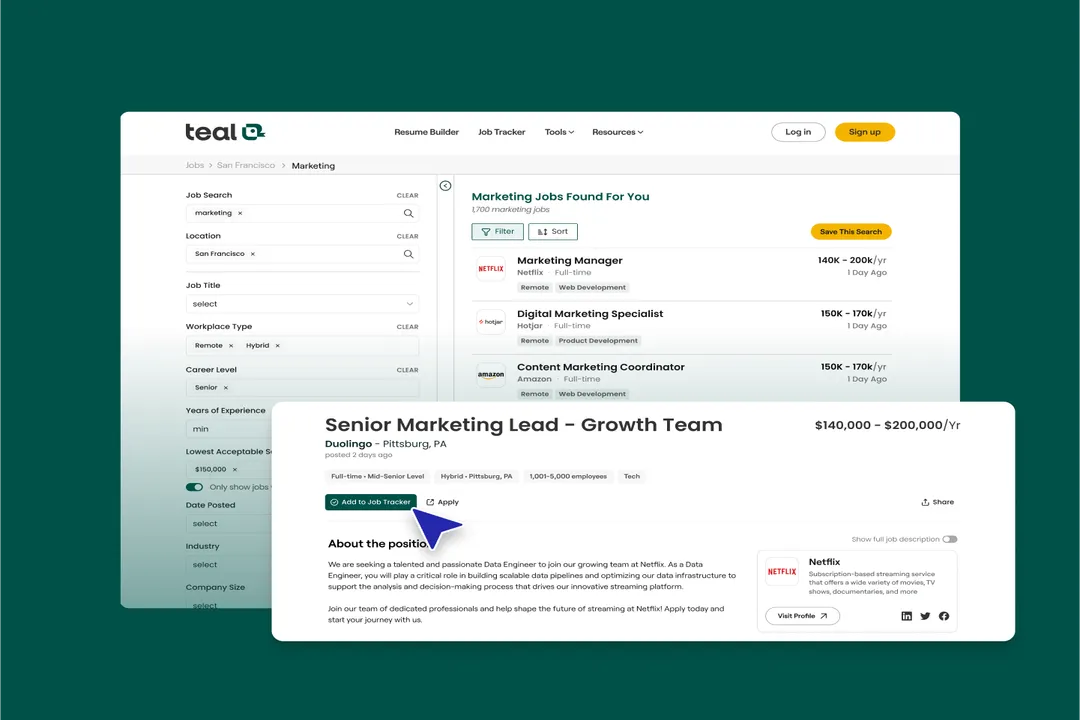
Sales roles are frequently mentioned as ideal fits because they directly reward outgoing personalities. [4][7] Success in sales often hinges on the ability to connect with potential clients, manage relationships, and sustain motivation through varied social encounters. [2] Whether it is business-to-business (B2B) or business-to-consumer (B2C), the day-to-day involves constant pitching, negotiating, and relationship maintenance. [1] Marketing careers, particularly those focused on public relations, events, or digital strategy that requires heavy stakeholder interaction, also fall into this category. [9] The extrovert excels here because presenting an idea, product, or service persuasively is their natural mode of operation. [5] They enjoy the dynamic feedback loop that comes from direct interaction, using it to adjust their approach in real-time. [8]
# Client Service
Beyond direct sales, client-facing service roles offer structured interaction where empathy and communication skills are paramount. Positions in customer service management, account management, or even hospitality management require an extrovert to be the primary interface between the company and its patrons or partners. [3][4] In fields like event planning, the entire success of the venture rests on coordinating numerous personalities—vendors, clients, staff—which is an area where an extrovert often shines due to their organizational energy. [9] It is not just about talking; it's about managing the social energy of a situation, a core competency for those who draw energy from crowds. [5]
# People Centric

If the goal is to connect with people in a way that provides direct assistance or professional guidance, several people-centric professions stand out as excellent fits for extroverts. [7] These roles are less about transactions and more about transformation or direct support.
# Education Instruction
Teaching, especially at the university or corporate training levels, demands an instructor who can command a room and keep an audience engaged over long periods. [4] An extrovert teacher can draw energy from the classroom environment, making lectures dynamic and encouraging participation from quieter students. [8] This extends to roles like corporate trainers or workshop facilitators, where the environment is entirely dictated by the presenter's ability to connect and motivate a group. [9] The continuous feedback, question-and-answer sessions, and the management of group dynamics keep the energy high, which is exactly what an extrovert seeks in their daily work. [3]
# Human Resources
Careers in Human Resources (HR), particularly in talent acquisition or employee relations, are inherently social. [7][4] Recruiting involves constantly meeting new people, assessing their fit, and selling the company culture. [5] Employee relations requires navigating sensitive interpersonal conflicts, which demands strong communication and the ability to facilitate difficult conversations—skills often naturally developed by extroverts who are comfortable in high-stakes dialogue. [2] An extrovert in HR serves as a central communicative hub for the organization. [9]

# Leadership Tracks

The natural inclination of an extrovert to network, communicate vision, and inspire action often places them on a trajectory toward leadership and management positions. [4][6]
# Management Roles
Managers, regardless of the industry, spend the majority of their day communicating—delegating, motivating teams, resolving disputes, and presenting to higher-ups. [2] An extroverted manager tends to be more visible and accessible, which can positively influence team morale and open lines of communication. [3] In a regional sales manager position, for example, the role splits between individual performance and coaching the team, requiring both personal drive and high-level interpersonal coaching. [1]
# Public Roles
Careers that place individuals in a public representation role, such as politics, public relations, or even roles as an executive assistant to a high-profile figure, suit the extrovert comfortable with constant visibility. [9] These roles require perpetual networking and maintaining a broad sphere of influence, skills that rely heavily on external stimulation and interaction. [5]
# Financial Opportunities
While job satisfaction is key, many seek careers that also offer significant earning potential, and several lucrative paths align well with social skills. [1]
# Lucrative Interactions
One analysis noted that roles like Management Consultant and Financial Advisor frequently appear high on lists for both high income and suitability for extroverts. [1] Consultants spend their time presenting solutions to executive teams, gathering data through intensive interviews, and then selling the implementation plan—a cycle built entirely on social performance and relationship building. [4] Financial advisors rely on establishing deep trust and continuously expanding their client base through referrals and networking, making their success directly proportional to their social output. [1][5]
For an extrovert transitioning into a more financially focused role like advising, the initial hurdle isn't the financial knowledge, but consistently converting social acquaintances into committed clients. This often requires structuring their day around proactive outreach rather than waiting for inbound inquiries. [8]

# Beyond the Obvious
Not all excellent extrovert careers involve a sales quota or a classroom. Some roles require social skills in a more specialized, perhaps internal, context. [4]
# Team Collaboration
Roles heavy in project management, where the primary duty is orchestrating the work of diverse subject matter experts, suit those who enjoy being the central point of contact. [9] The Project Manager must be the communicator, the scheduler, and the conflict mediator, requiring constant check-ins and team alignment meetings. [2] Similarly, positions in Technical Writing or Business Analysis can be surprisingly social if the role requires extensive interviewing of engineers, stakeholders, and end-users to accurately document complex processes. [5] The extrovert can thrive by facilitating the flow of information between silos, effectively acting as the social glue holding the project team together. [3]
# Original Insight 1: The Value of "Boundary Management"
An important factor often overlooked is not just the amount of interaction, but the type of boundary management required. Extroverts often find roles that allow them to cycle between high-intensity social bursts and short, focused administrative tasks much more sustainable than a job requiring eight straight hours of mandatory, low-stakes meetings. For instance, a Sales Engineer who spends their morning actively troubleshooting a client's technical setup (high-intensity interaction) and their afternoon writing up the proposal (focused administrative work) benefits from this rhythm. The best fit often balances external performance with a defined period for internal synthesis, using the social interaction as fuel for the subsequent focused work, rather than continuous, draining exposure. [4][9]
# Skills and Environment Match
The best environment for an extrovert often features high variability and immediate, tangible feedback. [2]
# Feedback Loops
Extroverts tend to process information and gauge their performance through external feedback. [8] A job where success is immediately visible—a closed deal, a client's positive reaction, a successful presentation—provides the necessary affirmation that an extrovert needs to maintain momentum. [9] In contrast, a role where results are only visible after months of solitary data crunching can feel stagnant, even if the pay is high. [1]
# Adaptability Requirement
Careers that force an extrovert to switch gears frequently are often good matches. For example, an Event Coordinator must pivot between logistics, budget discussions, vendor negotiations, and crisis management—all in the same day. [3] This high degree of situational adaptation keeps the work environment fresh and prevents the mental fatigue associated with routine tasks. [5]

# Original Insight 2: Internal vs. External Extroversion Careers
It is helpful to distinguish between careers best suited for external extroverts (those who need constant interaction with new people) and internal extroverts (those who are energized by deep, sustained collaboration within a known, smaller team). While sales suits the former, roles like a Lead Scrum Master or a Team Lead in a Fast-Paced Tech Department cater to the latter. [6] These internal roles require constant communication, facilitation, and motivational energy directed toward a familiar group, providing the social charge without the constant, exhausting requirement of meeting and winning over strangers. [2][7] An internal extrovert thrives on being the social anchor for a dedicated group, whereas an external extrovert needs the broader social canvas.
# Career Examples Summary
Pulling together common themes, here is a snapshot of career types frequently recommended for those who gain energy socially: [3][4][9]
| Career Category | Core Activity | Primary Social Demand |
|---|---|---|
| Sales/Business Development | Persuading clients, negotiating deals | High volume, external focus |
| Public Relations/Media | Managing public image, press interaction | Crisis communication, networking |
| Teaching/Training | Presenting material, group facilitation | Audience engagement, Q&A management |
| Human Resources/Recruiting | Interviewing, conflict resolution, onboarding | Internal diplomacy, external sourcing |
| Management/Leadership | Motivating teams, strategic communication | Direct reporting, cross-departmental liaising |
Ultimately, the best career for an extrovert is one that recognizes social energy as a core resource rather than a necessary evil. [8] When the job description feels like a natural extension of how one prefers to spend their free time—talking, connecting, influencing, and engaging—the work itself becomes sustainable and rewarding. [5] Finding that alignment means prioritizing roles where your energy output directly translates into professional advancement. [1]
Related Questions
#Citations
What are the most lucrative career paths for extrovert people?
18 High-Paying Jobs for Extroverts
Best Jobs for Social People and Extroverts
The Top 15 Best Careers for Extroverts - Orchard
How to find your dream job as an extrovert
What are good career choices for extroverts?
5 Best Careers for Extroverts & Social People
25 Best Jobs for Extroverts in 2024
25 Best Jobs for Extroverts to Maximize Their Strengths