What Are Entry-Level Manufacturing Roles?
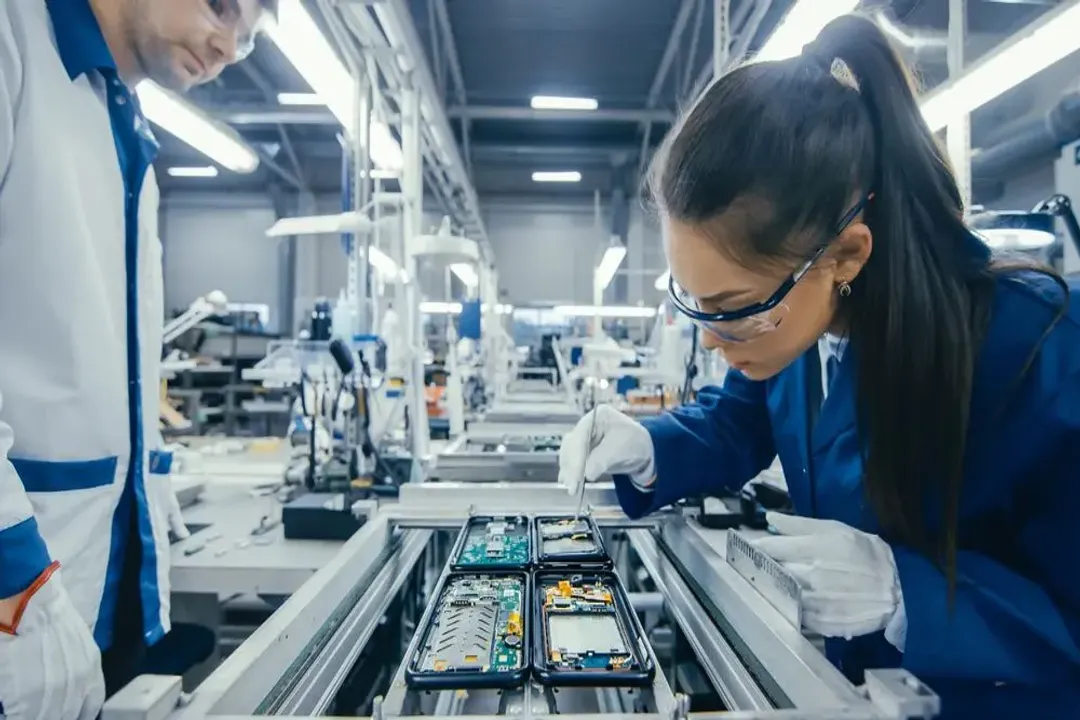
The gateway into the massive world of modern production and fabrication often begins with roles designated as "entry-level." These positions are fundamental, serving as the bedrock where individuals gain firsthand experience with the processes, safety protocols, and quality demands that define manufacturing operations today. [1][5] For many, these initial jobs require little to no specialized prior experience, often needing only a high school diploma or a GED, with the essential technical know-how being delivered through structured on-the-job training. [1][5] This accessibility is intentional; manufacturers continually seek reliable personnel to fill these crucial foundational spots, understanding that internal training builds loyalty and ensures workers learn the company's specific procedures from the start. [1]
# Defining Roles
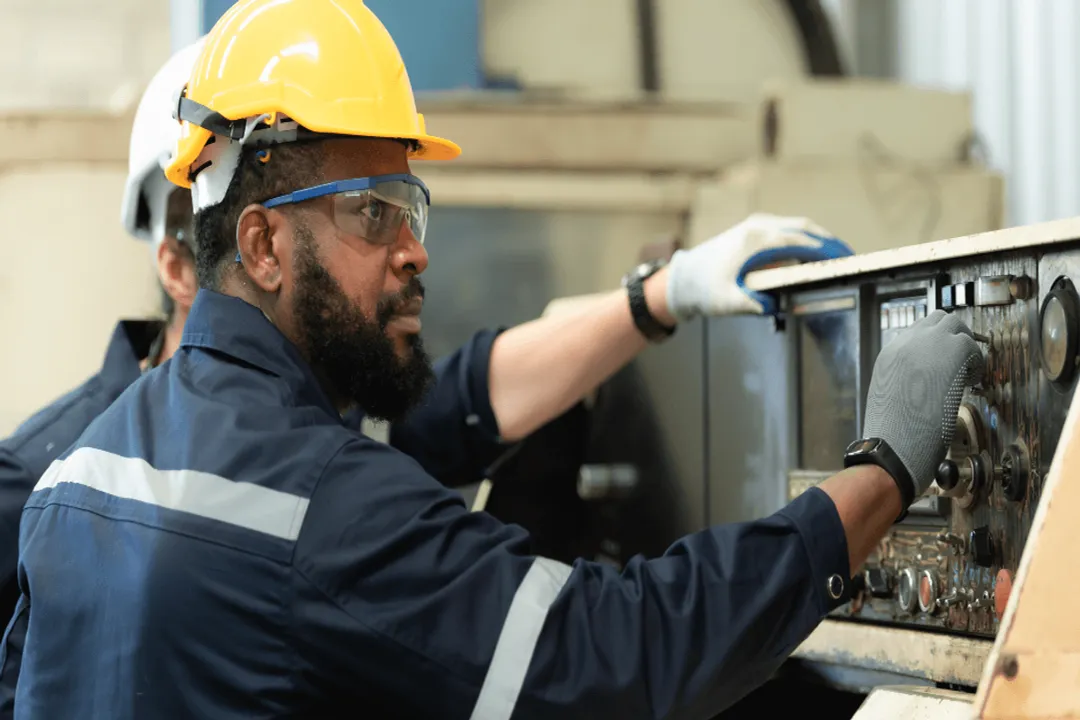
What exactly characterizes an entry-level manufacturing job? At its heart, it describes a position on the production floor where the primary duties involve repetitive tasks, direct material handling, or monitoring established machinery cycles, rather than designing systems or managing personnel. [2] These roles are hands-on, placing the employee directly in the line of production, whether assembling components, moving materials between workstations, or operating basic machinery under supervision. [2][7] The common thread running through these openings is the immediate contribution to output volume and quality adherence, making the worker an active, indispensable part of the creation process. [1]
Contrast this with more specialized manufacturing roles, such as a CNC programmer or a robotics technician, which require formal technical degrees or extensive certification. Entry-level positions act as the proving ground, allowing a newcomer to become acquainted with the overall flow of a factory environment—from raw material intake to final packaging—before specializing or moving into supervisory roles. [8] Understanding this distinction is important: you are signing up to learn the process from the ground up, not to design the process. [4]
# Common Roles
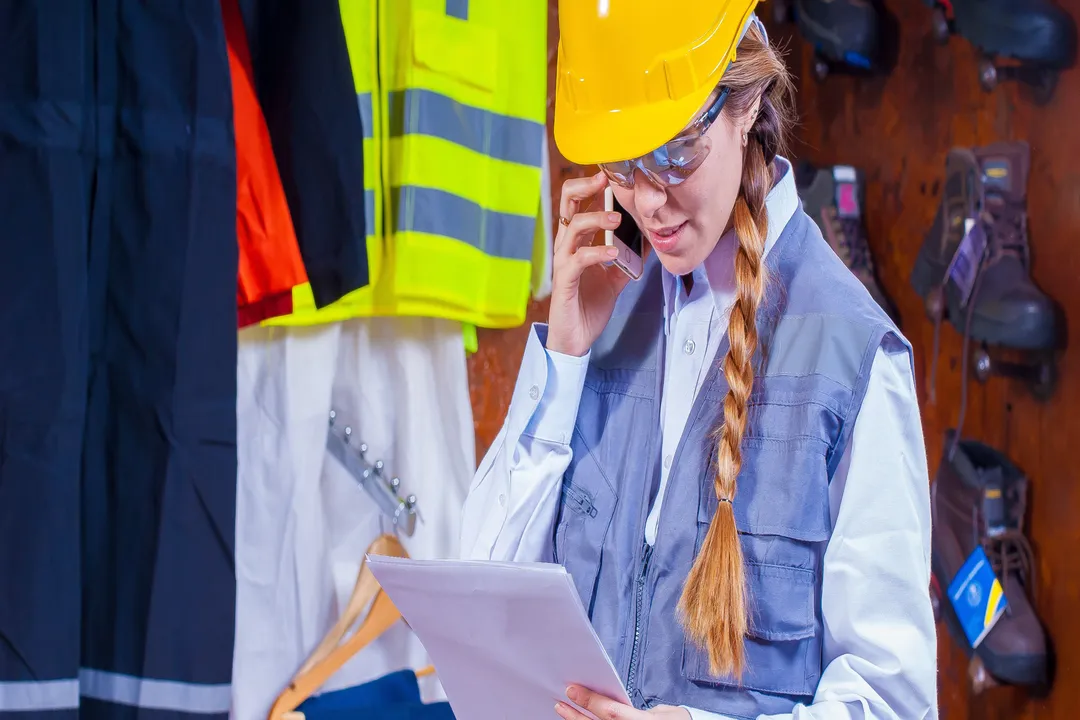
The spectrum of entry-level manufacturing jobs is surprisingly broad, touching on almost every step of the production timeline. Several titles appear consistently across job postings and industry discussions, signaling high demand and consistent need for new talent. [1][2]
The Production Worker is perhaps the most general title. These individuals perform a variety of tasks based on the immediate needs of the line, which might shift day-to-day. They are the flexible backbone, filling gaps, performing rework, or handling packaging duties. [2]
Assemblers are another core group. Their work involves putting together components according to established schematics or instructions. [2] This task demands excellent manual dexterity and a keen eye for detail, as missing a step or misaligning a part can lead to significant downstream quality failures. [1]
Then there are the Machine Operators or Machine Tenders. These roles involve overseeing one or more pieces of equipment that are already set up by higher-skilled technicians. The operator's focus is on ensuring the machine runs smoothly, feeding materials, removing finished parts, and immediately flagging any alarms or malfunctions. [2] An experienced operator can often spot the subtle warning signs of impending machine trouble long before a sensor might trip, simply by paying close attention to the rhythm and sound of the equipment—a type of sensory expertise you only build on the floor. [4]
It is worth comparing the immediate physical demands. An assembler role might involve constant standing, bending, and precise hand movements for an entire shift, demanding high physical stamina and fine motor control. Conversely, a machine tender role might involve long periods of focused visual monitoring, which tests mental endurance and concentration against monotony, even if the physical movement is less strenuous throughout the day. [1][2]
Table 1 summarizes some frequently cited entry points:
| Role Title | Primary Focus | Key Requirement (Beyond Basics) |
|---|---|---|
| Production Worker | General support, logistics, clean-up | Flexibility and stamina |
| Assembler | Putting parts together correctly | Fine motor skills and precision |
| Machine Operator | Monitoring automated equipment cycles | Focus and swift reaction to alerts |
| Material Handler | Moving inputs/outputs within the plant | Physical capability and basic organization |
| [1][2] |

# Entry Skills
While the education barrier is often low—a high school diploma or equivalent suffices for many roles [1][5]—the skills valued by hiring managers go beyond mere paper qualifications. Manufacturing prioritizes reliability, attention to detail, and the ability to follow detailed instructions precisely. [4]
Soft skills are surprisingly critical here. Because production lines run on tight schedules, showing up on time, every time, is paramount; poor attendance by one person directly impacts the entire team’s output. [4] Furthermore, the capacity to adhere strictly to Standard Operating Procedures (SOPs) cannot be overstated. Manufacturing is rule-based; deviation, even if well-intentioned, introduces risk. [4]
For those transitioning from other fields, translating past experience is key. For instance, if you spent time working in a fast-paced restaurant kitchen, you can frame that experience by discussing your proficiency in process adherence (following recipes/prep lists), your commitment to quality checks (tasting/plating standards), and your ability to maintain speed under high-volume pressure. [4] This demonstrates you understand the core concepts of controlled output, even if the products were food instead of metal or plastic.
Technical skills that can give a candidate an edge, even in an entry-level application, often revolve around basic measurement and observation. Familiarity with reading basic blueprints or using simple measuring tools like calipers or micrometers, even if gained in a vocational class or a brief shop course, shows an aptitude for precision that employers actively seek. [7]
# Wage Overview
Understanding the financial entry point is naturally important for anyone considering this career path. Compensation for entry-level manufacturing roles varies based heavily on location, the specific industry (aerospace versus food processing, for example), shift differential, and the company itself. [6]
Based on available data, entry-level positions often start near the national or regional average for entry-level work, but they possess significant upward mobility in terms of earning potential compared to many other entry-level fields. [6] For example, data indicates that general entry-level manufacturing positions might offer a starting wage that allows for immediate financial stability, but the real draw is the progression to higher pay grades relatively quickly. [6]
Workers can often see substantial increases in their hourly rate within the first one to two years as they master their tasks, cross-train on different machines, or earn internal certifications. [8] This rapid escalation in earning potential, often tied directly to demonstrated skill acquisition rather than just tenure, is a major attraction of the manufacturing sector over roles where pay scales remain compressed for longer periods. [6] Always investigate local market rates, as a role in a high-cost-of-living metropolitan area will reflect that in its starting wage compared to a role in a more rural, established industrial zone. [3][6]

# Career Tracks
One of the most compelling aspects of choosing an entry-level manufacturing job is the clear, structured path for advancement. These roles are rarely dead ends; instead, they function as the initial rung on a multi-tiered ladder. [8]
The progression usually follows a logical sequence. After proving reliability and mastering the primary entry-level task (e.g., Machine Operator I), the worker might advance to an Operator II role, which might involve operating more complex or multiple pieces of equipment, or perhaps taking on minor troubleshooting responsibilities. [7]
From there, opportunities branch out:
- Technical Specialization: Workers can transition into highly skilled, better-compensated roles like CNC Machinists, Welders, or Robotics Technicians by pursuing further company-sponsored training or external education. [8]
- Quality Assurance: If an individual demonstrates an exceptional eye for detail, they might move into Quality Control (QC) Inspector roles, focusing on verifying that finished goods meet specifications. [1]
- Supervision: For those with strong leadership potential and process knowledge, the path leads to Line Leader or Production Supervisor positions, overseeing the work of newer employees. [4]
The crucial insight here is that modern manufacturing heavily rewards continuous learning. Companies are often willing to pay for an employee's technical certifications—whether it’s Six Sigma training or an electrical apprenticeship—because retaining that trained employee is vastly cheaper and more effective than hiring externally for specialized roles. [7][8] Your entry-level job is not just a job; it’s an apprenticeship funded by your employer, provided you show the initiative to learn the next step. [8]
# Securing Employment
The application process for these roles usually emphasizes directness and willingness to work. While job boards provide listings, [3] many manufacturers still rely heavily on internal referrals or direct applications at the plant site, reflecting an emphasis on local, vetted candidates. [4]
When applying, focus on demonstrating fit for the factory floor culture. If the application allows for a cover letter or a brief personal statement, describe your commitment to structure and safety. Do not over-complicate your resume with irrelevant jargon; keep it clean, focusing on previous employment dates, educational attainment, and any demonstrable mechanical aptitude. [5]
During interviews, expect questions centered around reliability and adherence to rules. Be prepared to answer behavioral questions like, "Describe a time you had to follow a tedious instruction exactly, even if you thought there was a better way," or "How do you handle working the same task for hours on end?" Your response should center on understanding that in a regulated production setting, the established process exists for a reason—often safety or product integrity—and your role is to execute it perfectly. [4] A willingness to work shifts, including nights or weekends, is also a significant advantage, as these are often the schedules entry-level workers are initially assigned. [1] Showing up prepared to start immediately and learn diligently makes you an attractive candidate for taking on those initial, often less desirable, shifts. [5]
#Videos
The Best Entry-Level Manufacturing Jobs - YouTube
Related Questions
#Citations
The Best Entry-Level Manufacturing Jobs - Aerotek
Best Manufacturing Jobs for Beginners - Stickle & Associates
146 Entry Level Manufacturing jobs in Portland, Oregon ... - LinkedIn
How do I get an entry level job in manufacturing? - Reddit
Q: What is an Entry Level Manufacturing job? - ZipRecruiter
Entry Level Manufacturing Positions and Their Average Compensation
Top 10 manufacturing jobs and who's hiring - Handshake
Entry-Level Manufacturing Jobs | Goodwin College
The Best Entry-Level Manufacturing Jobs - YouTube