What Are Entry-Level Energy Roles?
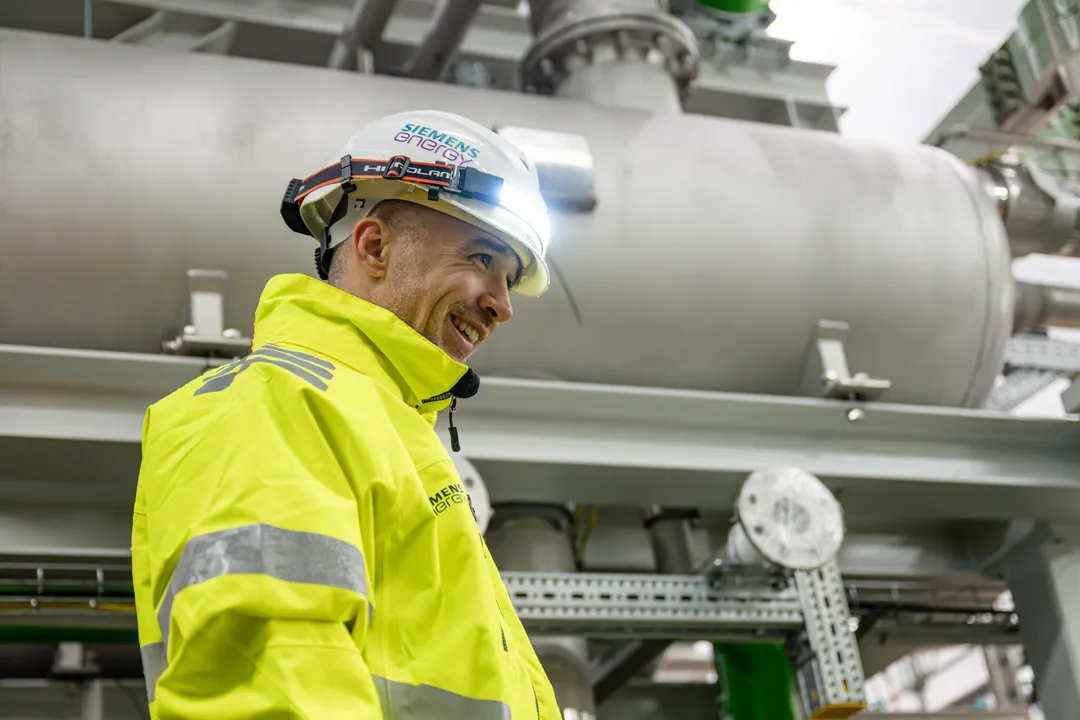
The energy sector is vast and constantly shifting, making the entry point for new professionals more diverse than ever before. Figuring out what roles are available when you are just starting out—often labeled as "entry-level"—can feel like navigating a complex grid of wires and substations. These initial positions are critical stepping stones, offering hands-on experience across traditional fossil fuels, the expansive utility infrastructure, and the rapidly expanding fields of renewable power and efficiency technology. [5][6] It is crucial to understand that "energy jobs" don't just mean standing on an oil rig or working in a power plant; they encompass roles in finance, data analysis, regulatory compliance, field service, and project coordination across nearly every part of the energy lifecycle. [1][3]
# Sector Variety

The modern energy landscape is segmented, and entry-level roles tend to cluster depending on which segment an employer belongs to. [5] Understanding these segments helps narrow the job search.
The Renewable Energy space is booming, driven by technological advancements and policy shifts. [2][6] Entry-level roles here might involve supporting solar farm development, wind turbine maintenance coordination, or researching battery storage efficiency. [6] Companies are actively looking for people ready to dive into areas like solar, wind, geothermal, and hydroelectric power generation. [2][10]
Utilities represent the backbone of energy delivery. These companies manage the transmission and distribution of electricity, natural gas, and water. [5] If you look at job postings in metropolitan areas, you will frequently find entry-level openings here, such as those listed for the Atlanta, Georgia area, which often feature positions within local utility providers. [8] These utility roles might involve monitoring grid performance or assisting meter readers and field technicians. [1]
The Energy Efficiency and Building Technologies sector focuses on reducing overall energy demand. [5] Entry-level positions here often center on auditing commercial or residential energy usage, helping clients implement efficiency upgrades, or supporting the sales of energy-saving equipment. [1][3]
Even traditional sectors like Oil and Gas still offer entry points, though often requiring specialized technical degrees or certifications, sometimes involving field work or technical support roles within exploration or refining operations. [3][5]
It is worth noting that many roles exist adjacent to the core generation and delivery components. For instance, a significant number of entry-level jobs involve regulatory compliance, customer service support for energy providers, or working for consulting firms that advise energy clients on market trends or environmental reporting. [1][7] These "utility adjacent" roles are often excellent pathways because they build transferable business acumen while keeping you within the energy ecosystem, something a new graduate might not immediately see when focusing only on engineering titles. [3]
# Core Job Titles

When searching job boards using terms like "entry-level energy jobs," a variety of functional titles appear, reflecting the multi-disciplinary nature of the industry. [1][7] These roles often require a Bachelor’s degree, though some technical roles accept Associate's degrees or relevant certifications. [3]
Specific roles frequently advertised include:
- Field Service Technician Trainee: These roles are often found with equipment manufacturers or large utility companies. They involve hands-on work supporting the installation, inspection, and repair of hardware like transformers, turbines, or solar inverters. [1][6] This often requires travel and on-the-job technical training. [2]
- Energy Analyst or Junior Analyst: Focused on data, these roles analyze energy consumption patterns, forecast demand, or assess the financial viability of new projects. A strong background in mathematics, economics, or data science is generally required. [3]
- Project Coordinator/Assistant: Supporting larger project managers in areas like renewable build-outs or efficiency upgrade rollouts. This requires organizational strength and basic familiarity with project management software. [1]
- Substation Technician Apprentice: Common in utility environments, these apprenticeships train individuals to work on high-voltage electrical equipment necessary for power transmission. [5]
- Environmental Health and Safety (EHS) Assistant: As the industry faces increasing regulatory scrutiny, entry-level support roles ensuring compliance with safety and environmental standards are becoming more common, particularly in large operational settings. [7]
For those graduating with engineering degrees, the pipeline often leads directly into roles like Junior Mechanical Engineer supporting turbine maintenance or Electrical Engineer Trainee assisting with grid modernization projects. [3][9] Companies like Siemens Energy, for example, specifically cater to early career individuals through structured programs designed to onboard and train new graduates in these technical capacities. [9]

# Essential Entry-Level Skills

While specific technical skills vary wildly—from Python for data analysts to electrical schematics for technicians—there is a baseline set of competencies that employers consistently seek in entry-level candidates across the energy sector. [10]
The technical foundation often revolves around understanding basic engineering principles, especially for roles related to generation or transmission. [3] For renewable energy specifically, understanding distributed energy resources or basic solar/wind performance metrics is a significant plus. [2]
However, the soft skills often differentiate successful hires:
- Problem-Solving Aptitude: Energy systems frequently experience unexpected issues, whether it’s a grid anomaly or a flawed efficiency report. The ability to approach a problem logically and systematically is key. [10]
- Communication: You must be able to translate complex technical findings—like why a turbine is underperforming or how an efficiency upgrade saves money—into clear language for managers, clients, or regulators who may lack a technical background. [2]
- Adaptability and Willingness to Learn: Given how quickly technology and regulations change, employers prioritize candidates who are eager to acquire new certifications or learn unfamiliar software. This hunger for knowledge is vital in a field where today's standard practice might be tomorrow's obsolete process. [6][10]
An interesting point of comparison is between roles in established utilities versus newer renewable developers. A utility role might value strict adherence to established procedures and safety protocols above all else, representing a culture of risk mitigation. Conversely, a newer solar startup might value speed and innovation, requiring an employee comfortable with ambiguity and rapid iteration in their approach to problem-solving. [6]
# Deep Dive into Renewables Hiring
The growth trajectory in renewable energy means hiring managers are often looking for passion as much as proficiency. [2] Getting into renewable energy often involves targeting specific niches within that sector.
For example, if your interest lies in wind energy, entry-level support roles might involve:
- SCADA Monitoring: Watching Supervisory Control and Data Acquisition systems that remotely manage turbine output. [2]
- Site Assessment Support: Assisting geologists or engineers in evaluating land suitability for new wind or solar installations. [6]
- Logistics Coordination: Managing the complex shipping and staging of large components, such as blades or panels, to remote construction sites. [10]
A practical step for gaining an edge in this area, especially if your education wasn't directly energy-focused, is familiarizing yourself with national initiatives. The U.S. Department of Energy's career map, for instance, provides an excellent overview of the interconnected nature of the energy workforce, helping candidates identify where their existing skills—say, in finance or IT—can be mapped onto a green energy project. [5]

# Regional Job Market Insights
While the energy sector is national and global, job searching often has a local component, especially for roles tied to physical infrastructure or regulated local utilities. [7] For instance, job postings specifically indexed for entry-level energy roles in Georgia, or focused on the Atlanta metropolitan area, show a notable concentration of opportunities within the utility sector and related construction/engineering firms. [4][8] This pattern often holds true for major metropolitan areas globally; they become hubs not just for corporate headquarters but also for the engineering and regulatory teams that support the regional power grid. [1]
If you find yourself in an area with a high concentration of utility workers, apprenticeships and early career programs become particularly valuable. When you are looking at job listings in a specific metro area, pay attention to the type of employer. A job posting from a large, established utility company in a major city is likely to offer structured training paths—often formalized as apprenticeships or rotational programs—aimed at developing a long-term workforce. [9] These structured paths often provide a clearer career ladder than roles at smaller, project-based renewable firms where the initial role might be more vaguely defined.
# Securing Your First Role
Landing that initial position requires a targeted approach, utilizing the resources available to new graduates. [3][10]
One strategy is looking specifically at Early Career Programs. Many large energy and technology companies run defined programs aimed explicitly at recent graduates or those with less than two years of experience. [9] Siemens Energy, for example, highlights its early career focus, suggesting that applying directly to these structured pipelines can be more effective than applying for generic job postings. [9] These programs often involve mentorship and set rotation schedules, providing broad exposure across different departments, which is ideal for someone still determining their ultimate specialization within energy. [3]
Another actionable tip involves how you frame your experience. If you are struggling to find roles that list your specific major, try searching by function and then filtering by the energy industry keywords. [1][7] For instance, search for "Data Analyst" and then refine the results by adding terms like "utility," "renewable," or "ISO" (Independent System Operator). [3] This technique surfaces roles that might be titled generically but are fundamentally energy-sector jobs. [1]
Finally, consider the path offered by Energy Service Companies (ESCOs) or large engineering/consulting firms that serve the energy sector. [6] These firms often have a high volume of entry-level project support roles because they staff large, multi-year contracts. Working for an ESCO allows you to gain exposure to diverse energy projects—from federal building efficiency retrofits to new transmission planning—without being tied to the long-term operational structure of a single utility. [5] This offers rapid exposure to different facets of the industry, which can accelerate your career trajectory by giving you varied experience quickly.
The entry-level energy job market is active and diverse, rewarding those who understand the sector's structure and are prepared to commit to hands-on learning and continuous skill development. [2][10]
Related Questions
#Citations
Entry Level Energy Jobs, Employment - Indeed
Careers in Renewable - Get Into Energy
Top 10 jobs for energy majors and who's hiring - Handshake
Entry Level Energy Jobs in Georgia (NOW HIRING) - ZipRecruiter
Map a Career in Energy
4 Entry-Level Jobs in Renewable Energy - Insight Global
10,000+ Entry Level Energy jobs in United States - LinkedIn
Early career programs in the energy sector
Entry Level Renewable Energy Jobs - Dayaway Careers