How Do You Switch Into Marketing?
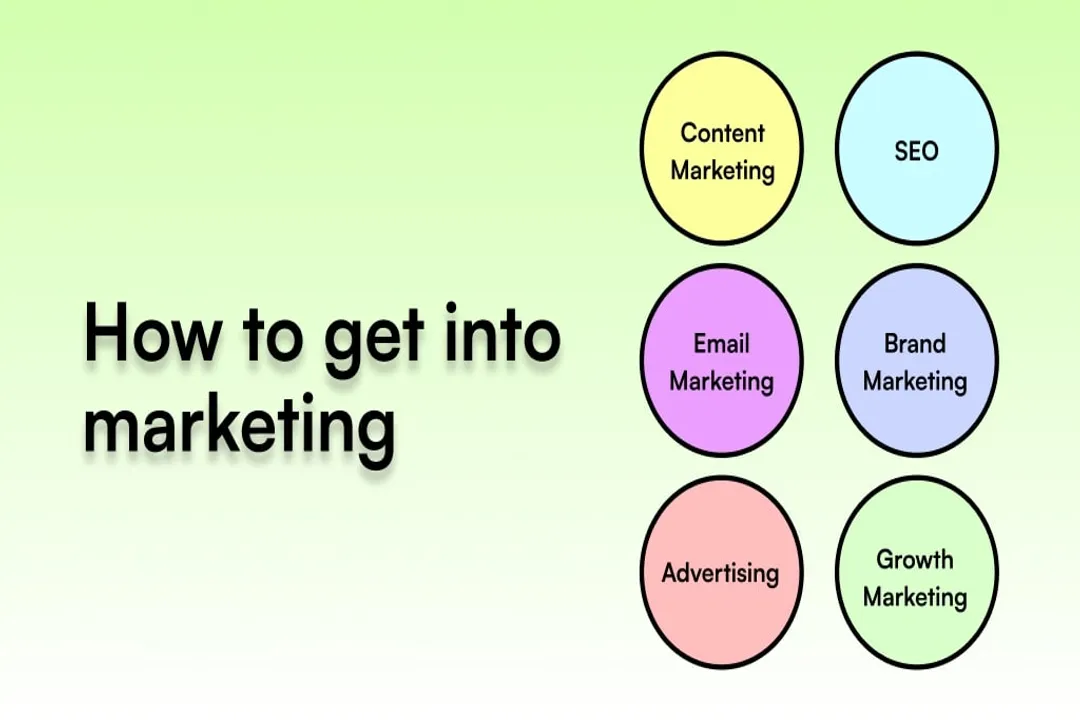
Making a pivot into the marketing world is a common ambition, especially given the constant evolution and demand within the digital sphere. [5][4] The path isn't always straight, but it is very achievable when approached systematically. Many people considering this shift feel overwhelmed by the sheer variety of roles available, from SEO specialist to content strategist, social media manager, or paid acquisition expert. [1][2] The first step isn't necessarily signing up for the most expensive course; it’s about understanding what modern marketing is and where you fit within it. [2]
# Role Clarity
Before diving into certifications or updating your resume, you need a solid map of the landscape. Digital marketing is vast, encompassing everything from analytics and search engine optimization (SEO) to email campaigns and user experience (UX) design. [5] If you jump straight into learning one niche without context, you risk spending time mastering a skill that doesn't align with your natural aptitudes or the market's immediate needs. [1]
A good starting point is self-assessment combined with external research. What aspects of business excite you? Do you enjoy dissecting data patterns, or are you more drawn to creative storytelling? Knowing this helps narrow your focus from the general term "marketing" to a specific function. [1] For instance, if you excel at organizing complex information and tracking progress, campaign management or marketing operations might be a better fit than pure copywriting.
When looking at job descriptions for roles that interest you, pay close attention to the required versus the preferred qualifications. Often, employers list everything they might possibly want, but the actual hire relies heavily on a few core competencies. If you see "Familiarity with Google Analytics" listed frequently, that’s a strong signal that foundational analytics knowledge is a non-negotiable entry ticket for many roles. [3]
# Skill Building
Once you have a directional target, structured education becomes necessary. While a formal marketing degree is one route, many career switchers find faster traction by focusing on immediately applicable, targeted education. [5] This often means stacking up respected, industry-recognized certifications.
Platforms like Google offer foundational courses in areas like Google Ads and Analytics, which are critical baselines for digital roles. [3] Similarly, HubSpot Academy provides widely recognized certifications in content marketing, inbound methodologies, and sales enablement. [3] Acquiring these badges demonstrates to a hiring manager that you have at least grasped the fundamental vocabulary and standard practices of the discipline. [3][5]
It is important to remember that these certifications are usually the starting line, not the finish line. [5] They confirm you have completed the theoretical learning. One common trap is collecting many beginner certificates without applying the knowledge. You must treat the learning phase as a precursor to practical execution. It’s about demonstrating expertise, which requires going beyond simply passing a multiple-choice test. [5]

# Practical Proof
Certificates get your resume looked at; a portfolio gets you the interview. In marketing, results and demonstrable application outweigh abstract credentials nearly every time. [3] You need tangible evidence that you can execute the tasks you claim to know. [5] If you are switching careers, you likely don't have previous job titles confirming your marketing acumen, so you must create that proof yourself.
A portfolio should showcase various projects that illustrate your ability to move from strategy to execution. This doesn't mean you need a massive client budget right away. You can develop case studies based on smaller, self-directed projects. [3]
For example, you could build a simple website about a hobby, develop a content calendar for a month targeting specific low-competition keywords, or even perform a hypothetical competitive analysis on two major brands in a sector you understand well. [5] A key strategy for career changers is to perform a mini-audit on a local business’s online presence—perhaps a neighborhood coffee shop or gym—and present actionable, prioritized recommendations. This demonstrates analytical skill and initiative. [3]
To structure your personal proof points effectively, consider a tiered approach to building your portfolio. Start with Tier 1 conceptual work, like writing detailed outlines or SWOT analyses for established companies, which requires critical thinking but low overhead. [5] Move to Tier 2 by executing small, low-risk projects, such as managing the social media for a friend’s non-profit for three months and tracking engagement metrics. Finally, aim for a Tier 3 project involving a small monetary investment—perhaps running a $50 targeted ad campaign on LinkedIn or Facebook—where you rigorously document the spending, the targeting parameters, the creative assets, and the final return on investment or learning outcome. [5] This tiered approach shows commitment and scalability.
# Skill Transfer
One of the biggest advantages a career changer brings is a wealth of experience from a different industry or function. Do not view your previous career as irrelevant baggage; it is foundational material that makes you a more specialized marketer. [9] A common transition point is moving from Sales into Marketing. [7] Sales professionals inherently understand customer pain points, objection handling, and the final conversion process—information that is gold dust for creating effective marketing copy and campaign targeting. [7]
When writing your resume, the exercise is about translation, not erasure. If you were a paralegal, you managed complex documentation, understood regulatory compliance, and organized massive amounts of data—all valuable skills for marketing operations or compliance-heavy industries. If you were a teacher, you mastered clear communication, audience segmentation, and managing student (customer) behavior—core tenets of content marketing and community management. [9] Look at the requirements for a marketing role and rephrase your past accomplishments to meet that language.
You should also treat networking not as a chore, but as an extension of your learning process. [6] The goal of networking, especially when changing careers, is often to secure informational interviews. [2] These are low-pressure conversations where you ask established professionals about their day-to-day work, the tools they actually use, and what they wish they had known when starting out. [2] People who have successfully made the switch themselves are often excellent resources and might even know of internal openings before they hit public job boards. [6] Participating in industry-specific Slack channels or local marketing meetups (even virtual ones) helps you become familiar with current industry vernacular, which boosts your confidence when you do apply for jobs. [6]

# Job Hunting
When you feel you have enough knowledge and a small body of work, it’s time to actively pursue roles. [4] A crucial piece of advice is to avoid waiting for the moment you feel entirely ready—that moment rarely arrives. [4] Instead, look for entry points that specifically value your background.
If you are coming from an analytical field, target roles like Marketing Analyst or SEO Specialist first. If your background is heavily creative, look at Junior Content Creator or Social Media Coordinator roles. [1][6] Sometimes the fastest route in is an adjacent position that sits between your old role and your desired new role. For example, if you are in customer service, look for a "Customer Marketing" or "Client Success Content" role; this allows you to use your client knowledge while flexing your new marketing skills. [6]
When you interview, be prepared to discuss your portfolio in detail. Don't just say, "I built a sample campaign." Describe the hypothesis you started with, the specific tools you used (naming the actual software, like Canva or SEMrush), the budget constraints, and most importantly, the primary lesson learned from the outcome, positive or negative. [3] This shows maturity and an understanding that marketing is an iterative process involving frequent testing and refinement. [4] Be ready to share how your previous sales experience directly informs how you would approach writing ad copy that converts, for instance. [7] This direct linkage between past experience and future marketing tasks is far more compelling than a generic statement about being a "quick learner."
Related Questions
#Citations
Thinking of switching my career to Marketing. What exact jobs fall ...
How to get into marketing in 7 steps (my personal story)
Career change into Digital Marketing - HubSpot Community
Switching to a Career in Marketing: 5 Tips for Success
Digital Marketing Career Transition: A Complete Guide - Coursera
What are the best ways to transition into a marketing career with a ...
How do I move from Sales job to Marketing? - Quora
Career Change Resource Page - Girls in Marketing
Switching into a Marketing Career: What You Need to Know