How Do I Stand Out to Employers?

The simple act of submitting an application often feels like shouting into a void, especially when you know dozens, if not hundreds, of other qualified people have done the exact same thing. Standing out isn't about luck; it’s about strategic presentation, demonstrable skill, and knowing exactly where to place your focus when an employer is sifting through stacks of similar credentials. [7] It requires moving past the standard transactional exchange of resume for interview and instead focusing on becoming an undeniable solution to the company’s needs.
# Application Polish

Your initial materials are the gatekeepers. They must instantly signal relevance and high potential. While a traditional resume serves as the baseline, differentiation starts with how you frame that history, not just what’s on the page. [3]
# Targeted Storytelling
Hiring managers often look for candidates who have clearly tailored their application materials to the specific role, rather than sending out generic documents. [1] Think of your resume and cover letter not as historical documents, but as marketing brochures for your candidacy. Every bullet point should answer the silent question: "How does this experience solve a problem for this specific employer?". [7] If a company values speed in customer service, don't just say you "handled customer inquiries"; quantify it by noting you "reduced average resolution time by 18% through process optimization," even if that optimization was minor at a previous, less glamorous job. [2]
For recent graduates, this means meticulously connecting academic projects or internships to the required competencies listed in the job description. [4] If the role asks for data analysis proficiency, your final-year statistics project, complete with the tools you used (e.g., Python libraries or specific database software), needs to be front and center, not buried under coursework descriptions. [4]
# Alternatives to Paper
Relying solely on a standard PDF resume might not cut it when competing against a large pool of qualified applicants. [7] Employers appreciate evidence that goes beyond simple claims. Consider providing a link to a portfolio showcasing relevant work, whether you are a designer, a coder, or even a project manager who can demonstrate successful project charters or organizational flowcharts you created. [3] For those in less visual fields, a personal website or a well-curated LinkedIn profile that acts as a digital resume extension can be powerful. [3]
One unique way to present yourself, especially if you are changing industries, is through a brief, targeted presentation deck—a "Why Me for This Role" slide deck—that you can send in lieu of, or in addition to, a traditional cover letter. [3] This shows initiative and the ability to synthesize complex information visually, a highly sought-after skill across many modern business functions. [2]
# Digital Footprint

In the modern hiring landscape, your professional visibility online is nearly as important as your paper credentials. Employers will look you up, so controlling the narrative starts before the interview stage. [7]
# Online Professionalism
When dealing with virtual hiring processes, your digital presence becomes the primary proxy for your in-person demeanor. [6] Ensure your LinkedIn profile is current, professional, and mirrors the narrative you are presenting in your application materials. [6] Are you applying for a senior role? Your profile should reflect thought leadership, perhaps through commenting intelligently on industry articles or publishing brief analyses, not just listing job titles. [1]
A common pitfall is inconsistency. If your resume claims expertise in a specific software, but your profile description or any public-facing work samples contradict that, it creates immediate friction for the recruiter. [7] A simple check is essential: Google your name and see what the first page presents. [1]
Original Insight 1: The Three-Pronged Digital Audit
Many people only check their name searches, which often defaults to social media or news. To truly stand out digitally, conduct a three-pronged audit: 1. Name Search: Look for what the average hiring manager sees. 2. Keyword Search: Search combinations like "[Your Name] + [Target Industry/Role]" to see if you are associating yourself with the right keywords. 3. Reverse Image Search (Profile Pic): Ensure the picture you use on professional sites isn't being flagged or associated elsewhere in a non-professional context. This deep check demonstrates a level of self-awareness many candidates lack.
# Showcasing Work Virtually
For remote roles, employers need confidence that you can manage yourself without constant oversight. [6] Beyond the standard application, can you demonstrate competence through digital artifacts? If you are a project manager, instead of just stating you manage remote teams, can you point to a publicly shared Trello board (with sensitive data redacted) that illustrates your organizational system? For sales roles, perhaps a short, unscripted video pitch to the company's product, sent as a follow-up, shows you can engage without an in-person meeting. [6] This preemptive demonstration of self-management proves you understand the expectations of a decentralized workplace. [7]
# Interview Mastery

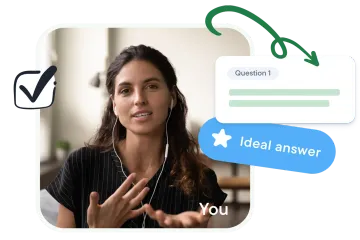
Getting the interview is halfway there; making a memorable, positive impression during the actual conversation is the final hurdle. This is where preparation meets authenticity.
# Depth Over Breadth
Interviewers want to understand the depth of your knowledge, especially when transitioning between industries. [2] Instead of listing ten shallow responsibilities from a past job, focus deeply on three challenging situations and how you navigated them. Use the STAR method (Situation, Task, Action, Result), but ensure the "Action" section highlights your specific decision-making process and why you chose that path over alternatives. [8] This is especially critical if you lack direct industry experience; you must prove your transferable thinking skills are superior. [2]
When you discuss past achievements, be prepared for follow-up questions that probe the nuances. If you say you implemented a new reporting system, the interviewer might ask, "What was the biggest pushback you received from the team, and how did you handle it?" Preparing for these secondary questions shows you've thought through the implications of your work, not just the completion of a task. [7]
# Asking Insightful Questions
The questions you ask can be more revealing than the answers you give. [1] Generic questions about salary or vacation time should be reserved for later stages. Early on, focus on questions that demonstrate you have researched the company’s current challenges and strategic direction. [8]
Compare these two approaches:
- Generic: "What does a typical day look like in this role?"
- Insightful: "I noticed in your last quarterly report that expanding market share in the APAC region is a priority. How would this role specifically contribute to achieving that goal within the next six months?" [8]
Asking the second type of question signals that you view the role not as a job to fill time, but as an opportunity to drive specific business outcomes. [7]
# Navigating Career Shifts
If you are moving from one field to another, the challenge isn't just proving capability; it's overcoming the inherent bias toward candidates with a linear history. [2] Your goal shifts from proving what you did to proving how you think and how your past skills map to the new domain. [2]
# Mapping Transferable Skills
Do not just list your old job duties; actively translate them. For example, a former teacher moving into corporate training should clearly articulate that managing classroom dynamics equates to managing stakeholder expectations, and lesson planning aligns with developing technical documentation or training curricula. [2]
Original Insight 2: The "Bridge Project" Quantification
For career changers, the most effective differentiator is often a self-initiated "Bridge Project." This is a self-directed initiative that uses your old skills to solve a problem in the new industry, demonstrating commitment and practical application simultaneously. If you're an accountant moving to tech sales, build a full financial projection model for a niche SaaS product, using real-world sales data you simulate. If you can present the output of this project during an interview—"Here is a model I built to understand the revenue structure of companies like yours"—you bypass the traditional experience gap entirely. [2] Quantify the effort: "This took 40 hours of independent study and modeling."
# Addressing Experience Gaps
Graduates, while not career changers, face a similar gap: the gap between academic knowledge and professional expectation. [4] To stand out, graduates should focus on showing initiative and a desire to learn the company's specific processes, rather than claiming mastery of everything. [4] Demonstrating that you already understand the culture of the industry, even without the title, is helpful. [1] For instance, knowing the major regulatory bodies affecting the industry or the recent M&A activity in the sector proves you've done homework that goes beyond the job description. [4]

# Employer Perspective
To stand out, you must understand the employer’s mindset. They are looking for reliability, fit, and high return on investment. [5] While some resources focus on how organizations become employers of choice, [5] this perspective flips back onto the candidate: present yourself as the best investment they can make.
# Reliability and Fit
Hiring managers often prioritize candidates who seem like a safe bet—someone who will integrate quickly and require minimal hand-holding. [1] This speaks directly to cultural fit and soft skills. You need to showcase your ability to collaborate, handle pressure, and align with the team's working style. [8] In a virtual context, this means being exceptionally clear about your communication cadence and availability. [6]
Consider the difference between an applicant who says they are a "team player" and one who shares an example of mediating a conflict between two senior colleagues on a high-stakes project, ensuring the deadline was still met. [8] The latter demonstrates active, constructive team participation, which is far more valuable than the abstract label.
# Post-Application Follow-Up
The follow-up process is another area where candidates frequently miss opportunities to stand out. A simple, polite thank-you note after an interview is standard, but to truly differentiate, the note should be customized and timely. [1] Send it within 24 hours, and reiterate one specific point of discussion, perhaps adding a brief, related insight or resource. [6]
If you are waiting on a decision, maintain appropriate contact without becoming a nuisance. Instead of asking "Any update?", consider sending an email that says, "I saw this recent news article about [Company's Competitor] and it reinforced my thinking on the strategy we discussed for the Q3 launch. I remain very enthusiastic about contributing on that front." This keeps you top-of-mind as a proactive thinker, not just an applicant waiting for a call. [7]
In essence, standing out is a continuous performance. It starts with tailoring your documents to show you've done your homework, solidifying your digital credibility, impressing with depth during interviews, and strategically demonstrating how your past—regardless of its direct relevance—has prepared you to solve the employer's future problems. [2][8] You are not just qualified; you are the most prepared and strategically aligned candidate available.
Related Questions
#Citations
Hiring advice? How to stand out to employers? : r/jobs - Reddit
How To Make Yourself Stand Out To Employers… | SkillUp Coalition
10 Unique Ways to Stand Out to Employers Without a Traditional ...
How Recent Graduates Can Stand Out to Employers - Blue Lynx
How to become an employer of choice | Blog | TEI US
How To Stand Out if You Can't Impress in Person (With Video) - Indeed
How to stand out to potential employers when there are so many ...
5 Powerful Ways to Stand Out to Employers When Job Hunting
The 5 Best Ways to Stand Out As An Employer People Want to Work ...