How Can I Get a Job Fast?
Getting a job quickly isn't usually about luck; it's about executing a highly focused, high-volume strategy that prioritizes speed over perfection in every step. [2][8][10] When time is the most critical factor, the traditional, slow approach of waiting for the "perfect" listing and spending days crafting a single application simply won't work. [8] The secret sauce involves tightening your search radius, maximizing visibility, and treating the job hunt like a full-time, aggressive sales campaign. [6] You need a system that reduces the time between identifying an opportunity and submitting materials, while simultaneously increasing the sheer number of quality submissions. [5]
# Search Focus

To get hired fast, you must drastically narrow your focus to roles where immediate need is evident. [10] A key strategy is targeting companies actively advertising for rapid hiring. [2] Indeed lists jobs specifically tagged as "fast hiring," which is a direct starting point for candidates prioritizing speed. [2] Look for employers who seem to be expanding quickly or have a high turnover rate, as these environments often need to fill seats yesterday. [6]
Beyond general job boards, consider where companies advertise when they are desperate for immediate hires. These might include local staffing agencies or specialized industry job boards, which can often move candidates through the process faster than large corporate sites. [1][5] Think about sectors that are perpetually busy: logistics, warehouse operations, customer service centers, and even some retail environments often have streamlined, accelerated onboarding processes. [6][10] Sometimes, walking into smaller, local businesses with a printed resume works better for very fast, entry-level placements than relying on an online portal, as the decision-maker is often on-site. [1]
Original Insight: While mass applying is often recommended for speed, a better tactic for guaranteed speed is creating a "Three-Tier Application List." Tier 1 (5-10 companies) are the "dream fast-hires" where you spend 30 minutes tailoring materials. Tier 2 (15-20 companies) are strong fits where you spend 10 minutes adapting your resume bullet points. Tier 3 (Unlimited) are roles matching at least 70% of your core skills where you use your most polished, general resume template and apply instantly. This balances quality for the best chances while ensuring a high volume of rapid submissions. [5][6]
# Material Preparation

Your application materials must be optimized for quick processing by both Applicant Tracking Systems (ATS) and the human reviewer who is likely skimming everything. [9] A slow process often stems from spending too much time tweaking a cover letter that few people read. When speed is the goal, the resume is the primary document. [3][9]
# Resume Speed
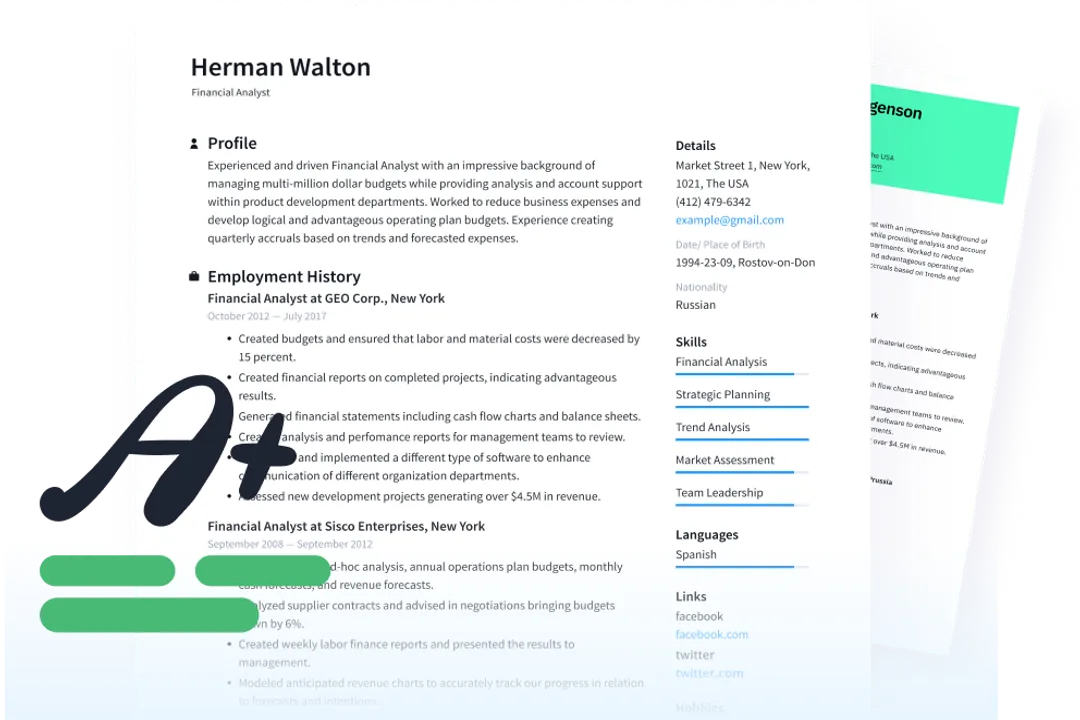
The resume needs to scream relevance instantly. [9] If you are applying for ten different types of roles in a week, you cannot have one static document. You should have several pre-saved, tailored versions ready to deploy. [5] For example, if you have experience in both administration and data entry, have a "Data-Focused Resume" and an "Admin-Focused Resume" saved, only needing minor tweaks for each specific application. [9]
Focus on quantifiable achievements over vague duties. [5] Instead of saying "Managed customer accounts," say "Reduced client call-backs by 15% over six months by implementing a proactive communication schedule". [5] Use clear, standard formatting; complex graphics or unusual layouts can confuse ATS software, leading to automatic rejection, which slows everything down. [9]
# Cover Letter Utility
Many sources suggest that a cover letter can be dropped entirely when applying for speed, or significantly shortened. [3][6] If a cover letter is required, treat it as a concise pitch, not a life history. [8] Limit it to three short paragraphs: one stating the job you want, one summarizing your top two relevant achievements, and one calling for the next step (an interview). [8] If you can integrate a reference to the company's specific needs from the job description within those few lines, that shows you've done some research without wasting hours. [9]

# Networking Intensity
Networking is often cited as the fastest route to employment because it bypasses the initial screening layers. [4][5] However, "networking" needs to be redefined for speed—it's not about making casual acquaintances; it's about direct information gathering and warm introductions. [1]
# Direct Outreach
When seeking a fast job, focus your network activity on people who are currently hiring or who have hiring power in your target companies. [4] Think about who you know that can get you past the online application portal, even for an informational interview that quickly turns into an interview for an open role. [1]
Use LinkedIn strategically. Don't just send generic connection requests. When reaching out to a former colleague or industry contact, be direct about your situation:
"Hi [Name], I'm actively seeking a new role in [Area] with a fast start date. I saw [Company X] is hiring for a [Role]. Do you know anyone on the team or have 10 minutes this week for me to get your quick insight on their current needs?" [1]
This approach respects their time while clearly stating your urgent need and asking for a specific action. [4]
# Leveraging Past Contacts
Recall every former boss, coworker, vendor, or client you had a positive relationship with. [6] People are generally more inclined to help someone they already trust. [4] Even if they aren't hiring directly, they might know someone who is. Create a simple spreadsheet logging who you contacted, when, and what the outcome was—this keeps your high-intensity outreach organized. [1]
# Interview Preparation Blitz
If you apply fast enough, you might find yourself with very little lead time before the first interview. Preparation must shift from deep theoretical study to targeted, practical review. [6]
# Skill Showcasing
Focus heavily on behavioral questions, but tailor your stories to the speed of the business, if applicable. [7] Many fast-moving roles value candidates who can jump in and solve immediate problems, not just those who know policy inside and out. [6]
Prepare concise, impactful stories using the STAR method (Situation, Task, Action, Result) that emphasize:
- Rapid Learning: How you mastered a new system or process quickly. [7]
- Problem Resolution: A time you fixed an urgent issue under pressure. [7]
- Efficiency/Improvement: Instances where you streamlined a process. [5]
When asked about your career goals, keep the answer brief and relevant to the immediate role, signaling that you are ready to start now rather than planning a five-year exit strategy. [8]
# Salary Negotiation Triage
When speed is paramount, salary negotiation can be a major bottleneck. If you are applying to high-volume/fast-hire positions (like those often found on Indeed's quick-hire listings), the salary is often non-negotiable or has very little wiggle room. [2] In these cases, do not fight over minor amounts. [1] Accept the offer quickly if it meets your absolute minimum needs, as negotiating too hard can cause the employer to move to the next candidate who accepted immediately. [1] Only spend time negotiating if the offer is significantly below market rate or your established floor. [6]

# Alternative Entry Points
Sometimes the fastest way to start working isn't a traditional direct hire, but an alternative path that gets you in the door quickly. [6]
# Temporary Staffing
Registering with temporary staffing agencies is a tried-and-true method for getting placed fast. [6] Temp agencies thrive on immediate client needs. These roles often turn into full-time positions if you perform well, offering a low-risk, high-speed entry point. [6] The key here is being completely transparent with the recruiter about your availability and desired full-time path, if you have one. [1]
# Gig Work and Contract Roles
Depending on your skill set, focusing on short-term contract work or high-volume gig economy roles can provide immediate cash flow and recent, relevant work history that looks good on a resume built for speed. [1] While this isn't always the final destination, it fills employment gaps and keeps your skills sharp while you pursue permanent roles. [6]
Original Analysis: For white-collar roles where speed is essential, consider applying for "Consultant" or "Interim" positions advertised on platforms like LinkedIn. Employers often use these titles for immediate, project-based needs where they want to test drive a candidate for 3 to 6 months before committing to a full-time hire. This bypasses internal HR freezes and long corporate hiring cycles entirely, serving as an accelerated trial period for both parties. [5][9]
# Follow Up and Closing
The final step that separates those who wait from those who get hired fast is the follow-up intensity. Do not wait the standard 48-72 hours if you sense urgency. [8] If you applied online and have a contact name, a quick, polite follow-up email within 24 hours can keep your application near the top of the pile. [5]
If you receive an offer, review the necessary paperwork quickly. [10] Don't sit on an accepted offer for days waiting for the "perfect" next step. Confirm acceptance, ask what paperwork is needed immediately, and complete it electronically if possible. [10] Speed in accepting and completing onboarding steps demonstrates the same eagerness and efficiency you claimed to have during the interview process. [7]
The speed of your job search is directly proportional to the focused, aggressive nature of your daily actions. Treat every single day like a mini-launch campaign, prioritize high-probability targets, and never let an application sit idle waiting for permission to move forward. [5][8]
#Videos
You can land a job in 30 days...Here's how. - YouTube
Related Questions
#Citations
How to Instantly get a job? : r/careerguidance - Reddit
Fast Hiring Jobs, Employment - Indeed
You can land a job in 30 days...Here's how. - YouTube
What's the best and quickest way to find a job? - Quora
How to Get a Job Fast: Quick Tips for Job Seekers | Coursera
How To Find A Job Fast: The 30-Day Strategy That Actually Works
How to Get a Job Quickly: 20 Tips to Get Hired Fast | ClearCompany
9 things to do to find a job fast | Employbridge
How to Find a Job Fast in 8 Painless Steps | TopResume
Amazon Jobs Hiring Now - Hourly & Shift Jobs @ Amazon