Are creative careers right for introverts?
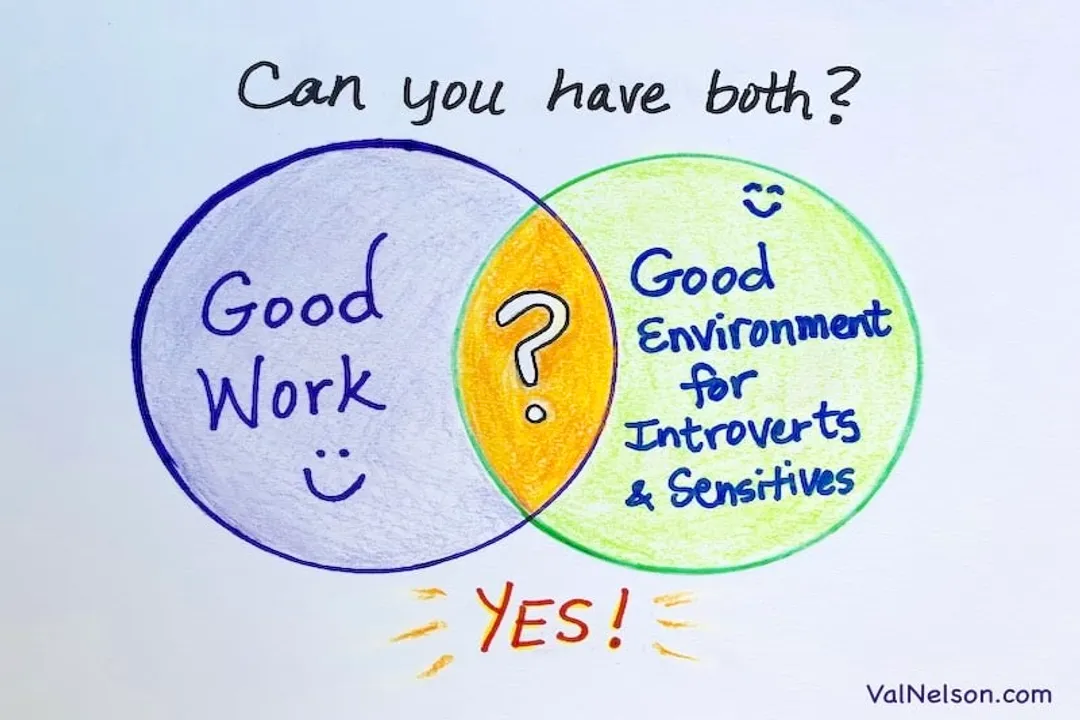
The notion that creativity requires a spotlight, a boisterous environment, or constant social collaboration often obscures a fundamental truth: many of the most profound creative minds thrive in quiet concentration. For the introvert, the question is less about if creative careers are right, and more about how to align the natural need for solitude with the occasional, unavoidable social demands of any professional endeavor. The evidence suggests a strong compatibility, rooted in the very nature of introversion itself.
Introverts often recharge by turning inward, developing a rich internal landscape. This deep introspection and capacity for sustained solitude are not merely convenient for creative work; they are foundational to it. [2][6] Where extroverts might crowd-source ideas, the introvert can fashion novel concepts within their own mind, drawing on personal interpretation of data rather than just external observation. [6] This tendency toward deep focus allows for the long, uninterrupted hours required to master a craft, a necessary step toward any significant creative achievement. [2][7] In fields that reward depth, meticulousness, and original perspective—qualities introverts naturally hone—the creative career path can feel like fulfilling a personal mandate. [2][5]
# Introspection Nexus
The correlation between introversion and creativity is frequently discussed because the solitary nature of deep thought mirrors the process of creation. [6] When an individual spends significant time alone, they develop the internal space necessary for profound idea generation and conceptual work. [2][6] It has been noted that introverts are more likely to seek out pursuits with a permanent outcome, like crafting art or building things, as these works become a reflection of their inner world. [6]
For many introverts, creative work is not just a job; it is a method of self-discovery and identity building. [2] The final product acts as a tangible piece of their inner life that can finally be seen and accepted by others. [2] This drive for authentic expression is a powerful motivator, often leading introverts to pursue these fields despite the market pressures they might face. [3] Even those who felt out of alignment in traditional, highly social corporate settings have found fulfillment by pivoting to creative self-employment, realizing their internal needs were simply mismatched with an extroverted office culture. [3]
However, it is essential to distinguish personality preference from skill set, as one does not automatically grant the other. [6] While introversion predisposes one to favor solitary practice, skills like creativity itself often develop through dedicated effort and practice, whether done publicly or privately. [2][6]
# Career Concentration
The digital age has expanded the sheer variety of creative roles available, moving beyond traditional fine arts to incorporate technology and analysis. [5] Many of the most appealing roles allow for significant "deep work" blocks, punctuated by necessary but brief collaboration. [7]
Here is a breakdown of several creative avenues particularly well-suited to an introverted disposition, often because they emphasize solitary execution over continuous social engagement:
# Writing Crafts
The life of a writer, in various forms, strongly favors those who can focus intently alone. [5]
- Technical Writers translate complex information into simple guides, manuals, or e-books. [5] This involves extensive, quiet concentration with minimal daily social interaction outside of clarifying project scope with subject matter experts. [3][5]
- Content Writers focus on crafting blogs, marketing copy, or product descriptions. [5] While deadlines and team input exist, the core task is solitary expression and crafting stories in silence. [3][5]
- Blogging combines the creative writing aspect with the technical elements of research, SEO, and data analysis, creating an input/output career where one communicates deeply with an audience via carefully crafted text rather than face-to-face conversation. [3]
# Visual and Digital Arts
These fields demand high levels of aesthetic consideration and attention to detail, skills that flourish in a focused environment. [5][7]
- Graphic Designers spend most of their time crafting visuals for print or digital media. [3][5] While initial concept meetings with clients or teams are necessary, the bulk of the work involves independent immersion in software like the Adobe Suite. [3][5]
- Illustrators focus heavily on visual storytelling for publications. [5] Similar to designers, they need to manage client feedback and deadlines, but the actual creation process is intensely personal and independent. [5]
- Digital Artists and Animators merge technical skills with visual creativity, often working on project-based tasks that require long hours in front of a screen, which suits the preference for focused screen time. [5]
- UX/UI Designers utilize creative problem-solving to map out user flow and interface aesthetics. [9] While this requires empathy to understand the user, the actual design execution is often done in solitude. [5][9]
# Technical Creation
Creativity is not limited to the visual arts; it is integral to designing functional, manufactured objects and digital systems. [5]
- Web Developers apply creative logic to coding and building functional websites, often maintaining a low social overhead, especially in remote roles. [5][8]
- Industrial Designers work at the intersection of art and science, designing manufactured products from concept to prototype. [5] This appeals to those who enjoy problem-solving and detailed, hands-on work, even though they must interface with engineers and packaging teams. [5]

# Navigating Social Demands
A common misconception is that a creative career for an introvert means zero people skills are required. This is rarely true. [1] Even solitary roles involve an editor, a client, a product manager, or a team for initial concepting and final review. [2][8] The distinction between an ideal creative career and a draining one often comes down to the type and frequency of interaction required. [7]
# Exposure Gradient
To find the right balance, it helps to map roles along an exposure gradient.
| Role Type | Primary Social Interaction | Typical Work Setting | Introvert Suitability |
|---|---|---|---|
| High External Focus (e.g., Architect, Art Curator, Interior Designer) | Frequent client meetings, stakeholder management, presenting proposals. [3][5] | On-site, client offices, or fast-paced project environments. [5] | Requires comfort stepping out of the core comfort zone. [1] |
| Medium/Project Focused (e.g., Graphic Designer, UI Designer, Technical Writer) | Initial briefing, feedback sessions, occasional team check-ins. [3][5] | Mix of quiet focus time and scheduled meetings. [3][5] | Generally good fit, provided critique is constructive. [2] |
| High Internal Focus (e.g., Artist, Editor, Programmer, Data Analyst) | Minimal, often asynchronous (email) or small technical team discussions. [3][8] | Remote, studio, or back-office environment. [3][7] | Best fit for high solitude needs, though marketing is a necessary external task. [5][8] |
A critical self-assessment involves deciding where one's energy is best spent. If the creation itself is the greatest source of energy and fulfillment, roles leaning toward high internal focus are superior, even if they necessitate learning some self-marketing later. [7] If, conversely, the introvert gains energy from deep, one-on-one connection—such as understanding a client's vision deeply—then roles with controlled, meaningful external interaction may be rewarding. [3][5]
# Managing Social Load
If you find yourself drawn to a field that requires more interaction, like a creative entrepreneur managing sales or a visual artist exhibiting work, the key shifts from avoidance to management. [2][5] You do not need to become an extrovert; you need strategies to preserve your energy reserves.
One successful approach involves treating social interaction as a finite resource that must be budgeted for. [1] For example, if a mandatory presentation is scheduled for mid-afternoon, an individual can intentionally block the preceding hour for low-energy, solitary administrative tasks, and then schedule a mandatory, distraction-free decompression block immediately following the event. [1] This proactive approach to energy management prevents the slow, debilitating drain that comes from simply reacting to social fatigue. [7] Furthermore, finding roles where interactions are primarily with like-minded professionals, rather than a broad, taxing public, can significantly reduce perceived social strain. [1]
# Building a Sustainable Practice
For any creative introvert, establishing routines is more critical than waiting for perfect inspiration or complete self-knowledge. [2] Creativity is often less about a sudden flash and more about disciplined cultivation. [2]
This means establishing habits that honor the need for solitude while ensuring productivity. [2] Following the example of successful creatives, dedicating a specific, non-negotiable block of time daily to the core craft—even if it's only an hour—builds momentum and skill simultaneously. [2] This consistent practice builds competence, which in turn lessens self-doubt regarding the viability of the chosen path. [2]
A significant hurdle for the thoughtful introvert is the fear of mediocrity or the belief that one must be "the best" before presenting any work. [2] This idealism can lead to paralysis. A way to counteract this is to actively challenge the perceived limitations imposed by this self-assessment, recognizing that initial attempts in any creative field, like writing or design, are often arduous and require significant refinement. [2]
The need to market one's work is the unavoidable extroverted component in most creative self-starter paths. Instead of viewing this as constant socializing, reframe it as communicating the value of the objective, finished work. [6] If you are naturally skilled at deep analysis, you can apply that same diligence to developing a marketing strategy that is systematic and factual, rather than relying on spontaneous charisma. [1][6] Remember, the world of successful leadership contains many proven introverts who have succeeded by mastering the art of effective, often deep, listening. [6] Your unique perspective, honed in quiet thought, is the asset you bring; the career fit is about finding the environment that allows you to deploy it most effectively. [3][7]
Related Questions
#Citations
Careers for creative, introverted, anxious people? : r/careerguidance
Careers For Creative Introverts | The Good Canvas
Here are 10 Great Creative Careers for Introverts - ArtisanU
Creative Jobs & Careers for Introverts | Personality Junkie
Is there a correlation between introversion and creativity ... - Quora
Best Careers for Introverts, HSPs, Sensitive People - Val Nelson
What jobs are the best for introverts? - Career Village
8 Great Creative Careers for Introverts | Rasmussen University