Are careers in utility digitalization viable?
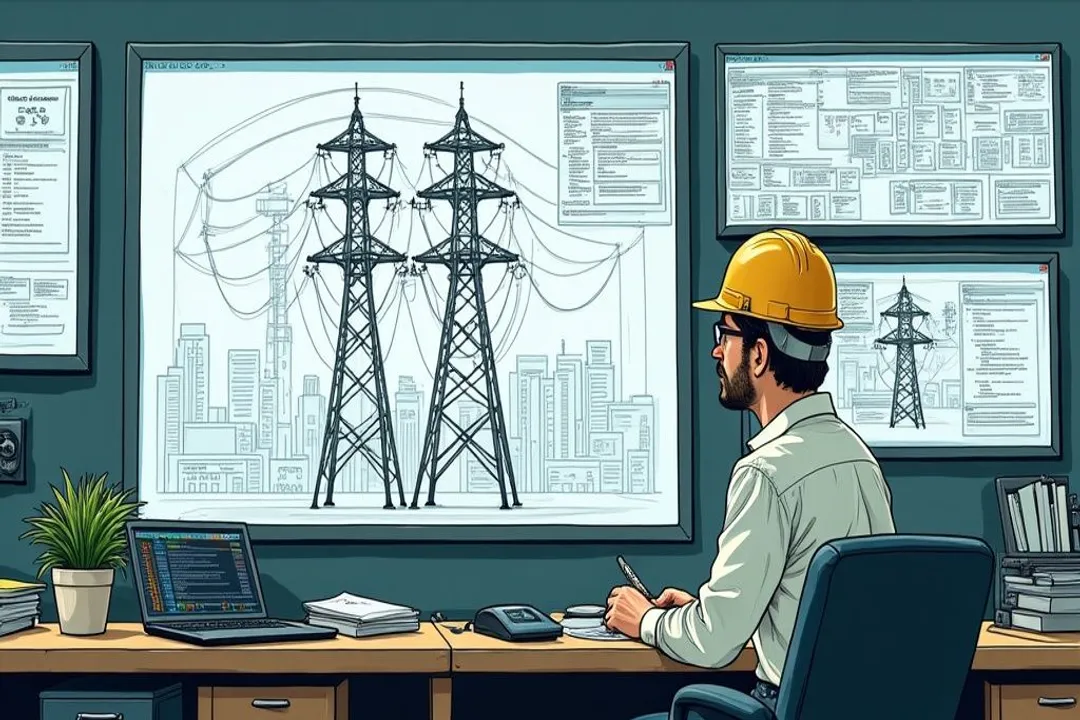
The movement reshaping the electric power and natural gas sectors is fundamentally digital, creating significant professional opportunities for those possessing modern technical skills. [10] The transition from traditional, centralized energy delivery systems to decentralized, data-intensive operations means that careers tied to utility digitalization are not just viable; they are becoming essential for industry survival and modernization. [8] Utilities today are grappling with massive amounts of data generated by smart meters, distributed energy resources, and complex grid monitoring systems, demanding new expertise to manage this influx effectively. [1][8]
This transformation is not just an IT upgrade; it touches every part of the operation, from grid planning and maintenance to customer interaction and regulatory compliance. [3] As the industry attempts to integrate cleaner, intermittent energy sources and prepare for greater electrification of transport, the existing workforce skills, honed over decades of analog operation, are increasingly misaligned with future requirements. [5] This gap creates an environment where skilled digital professionals are highly sought after, provided the organization is ready to welcome them. [2][6]
# Grid Modernization
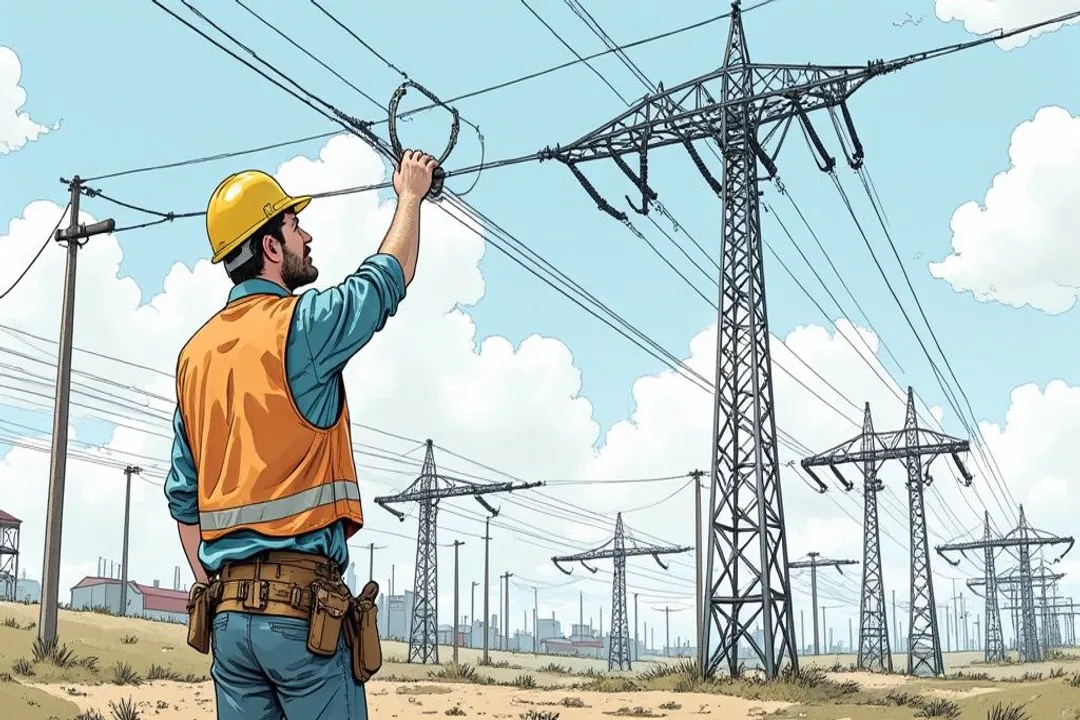
The utility sector's operating environment is becoming exponentially more intricate. The move toward digitization is driven by the necessity of handling this complexity and improving operational efficiency. [8] Digital tools offer the potential to automate decision-making, predict equipment failures before they occur, and manage the two-way flow of power that characterizes modern grids. [3][5] This is a massive undertaking, requiring investments not only in technology but also in the human capital capable of deploying and maintaining it. [1][8] Companies that fail to embrace this digital imperative risk being marginalized, as the market shifts toward those who can operate smarter and more reliably. [10]
# Role Demand
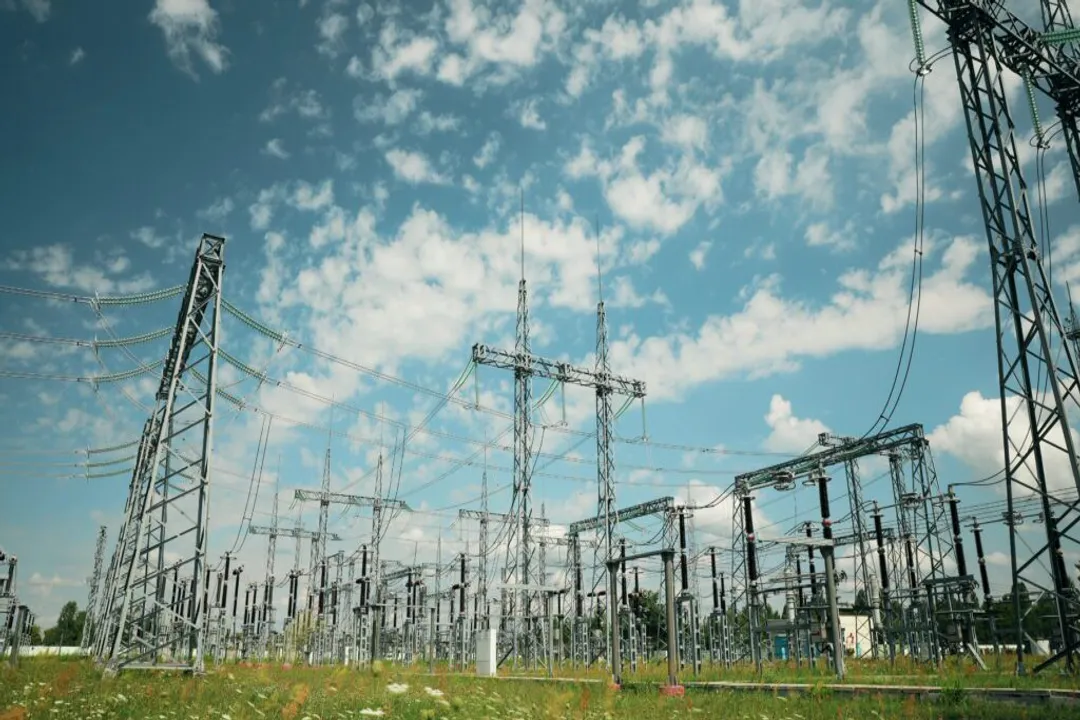
When discussing viability, the specific roles in demand provide the clearest answer. The need spans several high-value technology domains. There is a clear requirement for professionals in areas like data science to analyze operational patterns, cybersecurity to protect increasingly interconnected infrastructure, and software engineering to build the necessary custom applications that run modern control rooms. [1][2] Traditional roles, such as control room operators or field technicians, are also evolving, requiring them to interact with digital interfaces and interpret data visualizations rather than relying solely on physical gauges and established procedures. [5][9]
However, the hiring landscape presents a peculiar challenge: while the need for these digital skills is acute, not all utilities are actively searching for this talent with the same urgency. [1][4] Some established operators, comfortable with decades-old processes, have not yet made the necessary internal adjustments to their recruitment or compensation structures to attract top-tier tech workers who might otherwise choose Silicon Valley or established tech firms. [6]

# Hiring Hurdles
The competitive landscape for digital talent is fierce, pitting established utilities against high-growth tech companies that often offer different compensation packages, more agile work environments, and a clearer narrative around rapid technological development. [6] The perception of the energy sector as slow-moving or overly regulated can deter younger, digitally native workers. [5] While some utilities are aggressively modernizing and are highly successful at attracting talent, others lag significantly in their recruitment efforts, creating pockets of high demand alongside areas where the digital shift is proceeding slowly. [1][4]
For professionals considering a move into this space, it is worth noting that the challenges are not uniform across the industry. A significant gap exists between the legacy Operational Technology (OT) teams, who understand the physical grid intimately, and the traditional Information Technology (IT) departments, who manage enterprise software. Utilities desperately need hybrid professionals who can bridge this divide—individuals who can take deep engineering knowledge and translate it into scalable, secure digital models and solutions. Landing a role that focuses on this translation layer, rather than pure software development for consumer apps, often provides a unique career niche less saturated than mainstream tech roles [Analysis].
Furthermore, as the existing skilled workforce ages out, the urgency to fill these digital roles intensifies simply due to succession planning. If new digital capabilities are not established before experienced personnel retire, the utility risks losing institutional knowledge just as it needs to implement the most complex modern systems. [5]
# Future Prospects
The viability of careers in utility digitalization is exceptionally strong because the underlying business need is non-negotiable. The direction of the industry is set: it must become smarter, cleaner, and more interconnected. [8] Companies that are strategically moving toward this future, often labeled as "winners" in the digital transformation race, will offer the most rewarding and secure career paths. [10] Conversely, staying within a utility that resists significant digital investment may offer short-term stability but poor long-term career growth in a sector that requires new capabilities. [1][6]
For those looking to enter or advance in this field, targeting organizations that have clearly articulated roadmaps for grid modernization, advanced metering infrastructure (AMI) deployment, or increased integration of distributed resources presents the best immediate opportunity [Analysis/Tip]. These organizations are actively funding the creation of the roles that will define the next decade of energy operations. A background combining core engineering principles with modern data visualization tools or cloud computing skills can prove invaluable in securing a position within these forward-thinking utilities. [9]
Ultimately, the utility sector is transforming from a predictable, asset-heavy business into a complex, data-driven service provider. [3] This change makes careers rooted in digital expertise not just viable, but central to the continued functioning of the modern energy infrastructure. The challenge for the professional is finding the utility that is ready to invest in the future, and the challenge for the utility is realizing that the talent needed to build that future is not necessarily found through traditional hiring channels. [2][6] The successful careers will be built at the intersection of energy domain knowledge and cutting-edge digital execution.
Related Questions
#Citations
Power utilities need digital talent – but not all are searching for it - IEA
The Real Reason Energy & Utility Companies Can't Find Skilled Talent
The future of work in the energy and utilities industry | Utility Dive
power utilities - Thoughtful Journalism About Energy's Future
Why the Next Generation of the Workforce Should Consider Working ...
How Utilities Can Win the War for Talent - West Monroe
Is Electric Utilities Central a Good Career Path? - AiApply
The Future of the Utilities Workforce: Building Capabilities in the ...
those who are working with utilities/SCADA/data centers/AI/nuclear
Winner takes all? Digital in the utility industry - McKinsey