Are careers in smart irrigation viable?
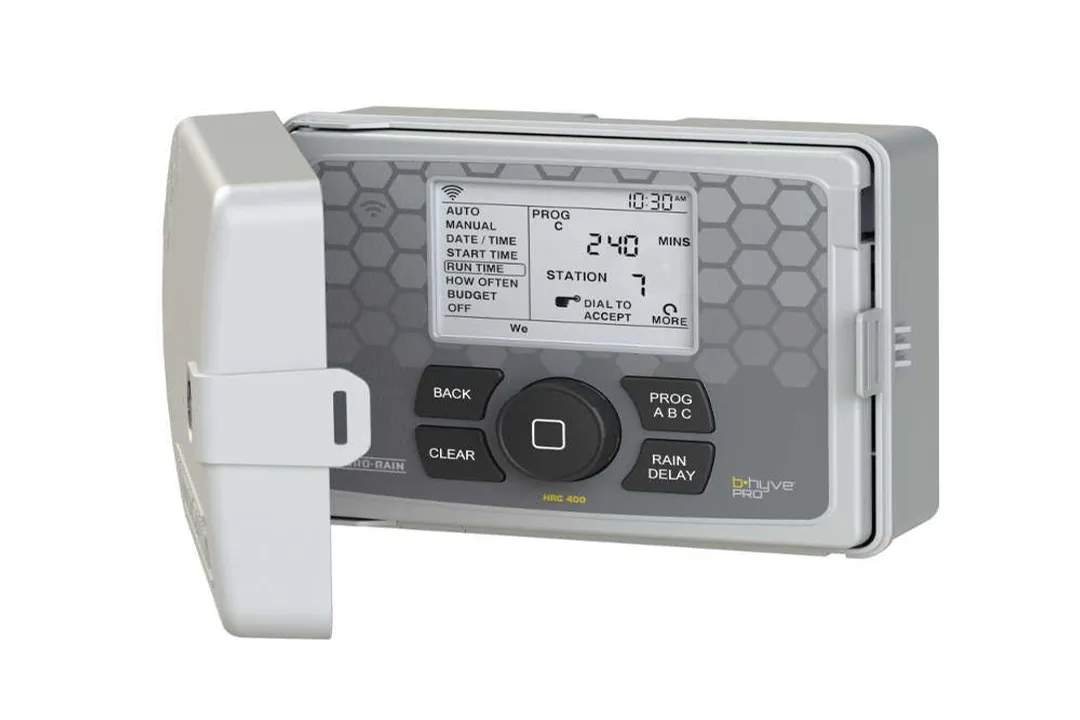
The modernization of water management is fundamentally reshaping the employment landscape, making careers in smart irrigation not just viable, but increasingly necessary. This field sits at the intersection of agriculture, civil engineering, and data technology, demanding a new set of skills to address critical resource challenges efficiently. The perceived viability of this path depends heavily on recognizing that modern irrigation is less about turning on a sprinkler and more about precise data application. [1]
# Industry Demand
The economic footing for irrigation careers remains exceptionally strong because water conservation and efficiency are paramount across multiple sectors. Irrigation provides significant support for economic growth by ensuring productive yields in agriculture and maintaining high standards in landscaping and turf management. [3] This sector is inherently tied to food production and infrastructure maintenance, meaning demand for expertise will persist as long as those needs exist. Furthermore, the scope of work is broad, spanning everything from designing large-scale agricultural systems to maintaining municipal parks and sports fields. [6][9] The sheer influence of efficient water delivery translates directly into job creation across the entire supply chain. [3]
# Core Job Roles
The viability of a career in this space is supported by a clear hierarchy of roles, each requiring different levels of specialization.
One fundamental position is the Irrigation Equipment Mechanic. These professionals are the hands-on experts responsible for the physical upkeep and repair of the hardware. [4] Their expertise involves understanding hydraulics, diagnosing mechanical failures in pumps, valves, and controllers, and ensuring the physical system operates correctly. [4] This role requires significant mechanical aptitude and specific training, often gained through vocational programs or on-the-job experience. [4]
Moving up the technical ladder, the Irrigation Technician handles the day-to-day servicing and troubleshooting of installed systems. [6][9] Technicians often manage service calls, inspect existing setups, and perform adjustments to maintain peak performance. [6] While this role demands practical skill, it is increasingly blending with digital competency as more systems adopt smart controls. [9]
The most technologically advanced role is often the Irrigation Specialist. Specialists typically possess a deeper understanding of soil science, plant needs, and advanced control systems. [5][7] Becoming a specialist often requires specific certifications or degrees, focusing on the design, implementation, and optimization of complex systems, rather than just mechanical repair. [5][7] They are the ones integrating new technologies and ensuring water is applied exactly when and where it is needed. [5]
| Career Path | Primary Focus | Key Skillset | Entry Point Example |
|---|---|---|---|
| Mechanic | Hardware repair and maintenance | Hydraulics, mechanical repair, fabrication | Trade School Certificate [4] |
| Technician | System servicing and troubleshooting | Diagnostics, field service, basic controls knowledge | On-the-job training [9] |
| Specialist | Design, optimization, and integration | Soil science, controller programming, water management planning | Degree or Advanced Certification [7] |

# Technology Driver
The "smart" component is what makes these careers viable for the long term, moving the industry past simple time-based irrigation toward data-driven resource management. [8] Smart irrigation incorporates technologies like soil moisture sensors, weather-based controllers, and real-time analytics to drastically reduce waste. [8] For anyone entering the field, understanding the integration of these digital tools is essential; the future is not simply about fixing pipes, but about interpreting data streams from those pipes. [8] This technological shift is driving innovation across the sector, making experienced personnel highly sought after. [8]
The adoption rate of these technologies, particularly in large-scale agricultural operations where water pricing reflects true environmental costs, is increasing steadily. Consider a mid-sized farm managing 500 acres. Switching from a blanket timer schedule to a variable rate irrigation system based on evapotranspiration data managed by a specialist could realistically reduce annual water usage by 15% to 25%. [1] This direct, quantifiable cost and resource savings proves the financial viability of the smart system expert to the end-user, thereby securing job demand.
# Skill Evolution
The viability of these careers hinges on adopting a cross-disciplinary skillset. While the foundational knowledge of water flow, pressure, and pipe sizing remains important, the modern irrigator must also be proficient in areas once considered separate. A specialist needs to be comfortable working with network protocols, understanding controller software interfaces, and performing basic data analysis to fine-tune irrigation schedules. [7]
For those coming from a purely mechanical background, adapting involves learning how to calibrate sensors correctly and understanding how environmental inputs affect algorithmic decision-making in controllers. [8] This blending of physical mechanics with digital intelligence is the new baseline requirement for high-level success in the field. [1] One pathway that proves this point is the structured process for becoming an Irrigation Specialist, which emphasizes not just the physical installation but the crucial study of soil types, application rates, and system efficiency calculations. [7] If you can transition your mechanical experience into an IT/engineering context, the career ceiling rises significantly. [5]

# Career Reality
Worker experience within the industry shows a mixed but generally positive outlook on earning potential, provided the right skills are acquired. Some professionals express frustration, noting that the essential nature of the work sometimes results in feeling undervalued compared to other trades. [1] However, other reports suggest that highly skilled irrigators, especially those adept at complex systems or specialized fields like golf course management, can command very competitive incomes. [1][5] The pay is often directly proportional to the complexity of the systems managed and the demonstrated reliability of the technician or specialist. [5][9]
For a new entrant, building viability means focusing on verifiable competencies early on. A useful checklist for aspiring professionals should include:
- Hydraulic Fundamentals: Mastering pressure loss calculations and flow dynamics, regardless of system age. [4]
- Controller Fluency: Demonstrating proficiency with the operating systems of the top three major smart controller brands in your region. [8]
- Soil Science Basics: Understanding infiltration rates for common local soil profiles to prevent runoff and deep percolation. [7]
- Software Literacy: Being able to upload firmware updates and extract performance logs from remote monitoring platforms. [8]
Those who focus purely on the maintenance of older, non-smart systems might find their roles stagnating or being outsourced to lower-cost labor over time, whereas those who certify in the latest data-driven tools will find their expertise irreplaceable. [8] The viability question, therefore, is less about the industry itself and more about the individual's commitment to continuous technical learning within it. [1] The jobs are there, but they are increasingly calling for smart irrigators. [8]
#Videos
Irrigation Technician : Careers Uncovered - YouTube
Related Questions
#Citations
Career irrigators: do you feel this career was worth spending a ...
Is irrigation a good career choice - Facebook
The far-reaching influence of irrigation: Boosting economic growth ...
Complete Irrigation Equipment Mechanic Career Guide
Irrigation Technician : Careers Uncovered - YouTube
Irrigation Specialist - PeopleHawk
How To Become an Irrigation Specialist: Complete Guide
The Future Of Smart Irrigation: Industry Trends, Innovations, And ...