Are careers in inventory optimization viable?

The landscape of modern commerce hinges on getting the right product to the right place at the right time, which places careers centered on inventory optimization squarely in the zone of high business importance. Whether looking at starting roles or highly specialized analytical positions, the viability of pursuing a career in this specialization is high because efficient inventory directly impacts a company’s bottom line, influencing customer satisfaction and overall profitability. [7] This field is not monolithic; it offers various entry ramps and potential ascensions, ranging from hands-on transactional work to high-level strategic data modeling.
# Starting Points

Many professionals find their initial footing in inventory management through roles that require meticulous attention to physical stock movement and tracking. [1] An Inventory Clerk position often serves as that foundational entry point within a supply chain structure. [1] This experience is invaluable for understanding the tangible reality of what inventory is—the physical items on shelves, in bins, or in transit. [1]
Stepping slightly up the ladder, the Inventory Coordinator takes on broader operational responsibilities. This role is instrumental in managing the flow of goods, often being involved in everything from initial ordering and receiving shipments to organizing stock placements and ensuring accurate system counts. [4] These initial roles provide the necessary grounding in execution before one can effectively analyze optimization strategies. Without this practical experience, understanding the friction points in a physical warehouse or distribution center becomes purely academic, which limits one's long-term strategic impact.
# Analytical Depth

For those with an aptitude for data and predictive modeling, the Inventory Analyst path represents a significant opportunity to pivot from pure execution to strategic planning. [8] While the clerk or coordinator deals with what is currently in stock, the analyst focuses on what should be in stock and when. [3] This involves deep dives into historical consumption data, lead times, demand forecasting, and safety stock calculations to fine-tune inventory levels. [8]
The shift here is substantial. Consider the daily work: an entry-level clerk might spend time physically verifying counts against a system report, a necessary but reactive task. [1] In contrast, the analyst is often utilizing statistical tools to build models that prevent the need for constant reactive counting by minimizing stockouts and overstocking events. [3] This difference in focus—transactional recording versus predictive modeling—creates a clear career ladder within the specialization itself. An analyst role is frequently cited as a strong foundation for a continuing career within inventory management because it builds expertise in the optimization aspect, which is where the highest cost savings and efficiency gains are realized. [8]

# Career Trajectory
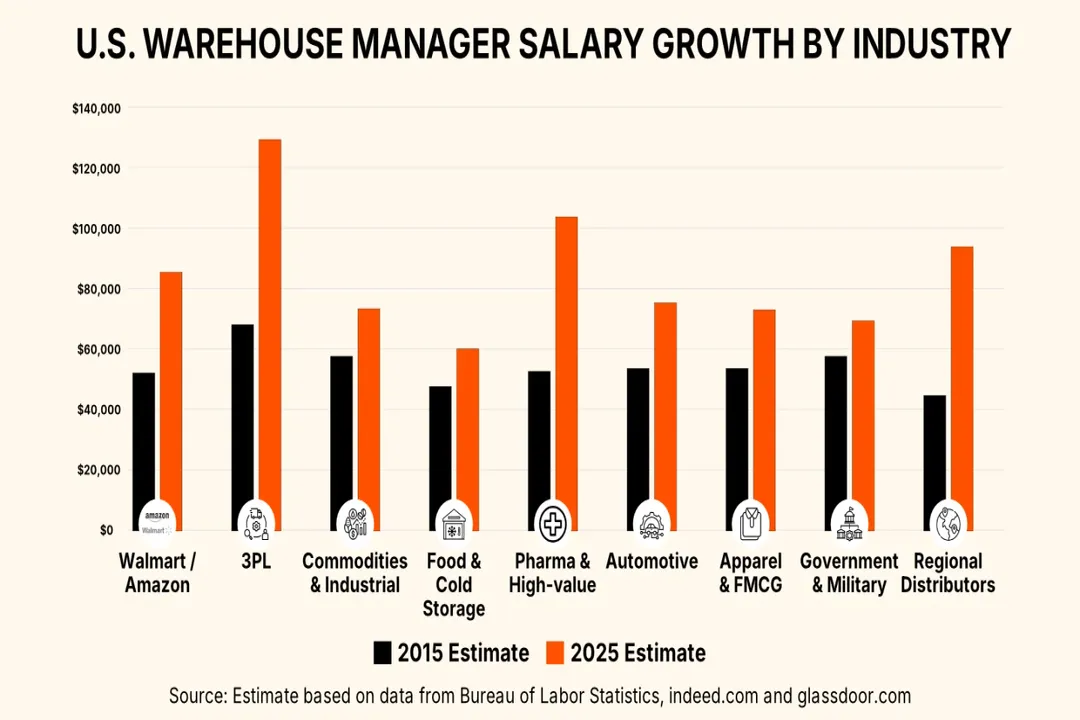
The viability of an inventory career is strongly supported by the clear avenues for advancement available across different organizational structures. [2] Professionals starting as clerks or coordinators can progress into roles requiring more complex oversight and decision-making. [4] The path through Warehouse Management provides one of the clearest examples of upward mobility, starting from operational roles and moving toward senior leadership responsible for the entire physical flow and storage system. [5]
For someone in a related, perhaps less process-driven role—such as a seasoned grocery store manager looking for a change of environment—the skills honed in managing high-volume, fast-moving perishable goods are surprisingly transferable to specialized inventory optimization roles. [9] The key transition lies in shifting focus from immediate shelf stocking to long-term system reliability. To make that leap effectively, an individual with operational experience needs to demonstrate proficiency in the analytical side. For example, while a manager understands product velocity intuitively, they would need to prove their ability to model that velocity using formal demand planning software or advanced spreadsheet techniques to gain credibility as an analyst. [10] This bridging process often involves formal training in specific planning methodologies.
# Skill Building
Formal education and specialized certifications play a role in accelerating career progression within inventory control. [6] While practical experience provides foundational knowledge of physical movement and counting accuracy, dedicated study can unlock higher-level roles focused on system design and improvement. [4]
For instance, mastering the principles of Material Requirements Planning (MRP) or Distribution Requirements Planning (DRP) moves an individual beyond simply managing what's on hand to designing the system that dictates purchasing decisions. [7] Obtaining certifications relevant to supply chain planning can explicitly aid advancement when seeking new positions. [6]
If we look at the difference between essential operational software knowledge and advanced certifications, the former is about basic functionality—knowing how to enter an adjustment in the Warehouse Management System (WMS) or Enterprise Resource Planning (ERP) system. [5] The latter is about why the system suggests a certain reorder point. A professional serious about optimization needs to move from understanding how to use the software to understanding why the algorithms behave as they do. This often requires external validation through professional credentials that signal expertise in those underlying mathematical or logistical principles. [6]

# Lifestyle Factors
A complete assessment of career viability must also consider the day-to-day realities, particularly concerning work-life balance. Different inventory roles present vastly different schedules and stress profiles. [3]
Roles focused heavily on physical counts, audits, or immediate operational firefighting—often associated with entry-level or site-specific coordinator positions—can sometimes be subject to irregular hours, especially during peak seasons, system cutovers, or when investigating significant discrepancies. [1][4]
Inventory Analysts, conversely, often experience a different kind of pressure. While they might have more predictable office hours compared to floor supervisors, the stress shifts to meeting critical reporting deadlines and ensuring that forecasts are accepted by purchasing and finance departments. [3][8] A heavy workload during peak forecasting periods can lead to intense stretches where work-life balance is strained, though this is often less about physical presence in the warehouse and more about cognitive load and meeting analytical deadlines. [3] The key distinction is that the analyst's impact is felt further upstream; a flawed forecast can lead to massive stock issues weeks or months down the line, creating sustained pressure to maintain accuracy. [10]
# Long-Term Outlook
The long-term viability of careers in inventory optimization appears strong because the fundamental business need—reducing working capital tied up in unnecessary stock while maintaining high service levels—is permanent. [2][7] As businesses continue to grapple with supply chain disruptions and the push for faster e-commerce fulfillment, the demand for professionals who can navigate this tension only increases. [2]
The flexibility of this career path is another indicator of its strength. Experience in inventory control, even when gained in a highly specific sector like retail or manufacturing, is highly portable. [6] The core principles of managing flow, demand variability, and stock placement apply across industries, from electronics to pharmaceuticals. [2]
To maximize this long-term potential, a clear focus on data integrity is essential. A key realization for anyone advancing in this field is that the most sophisticated optimization software is only as good as the data fed into it. [10] Therefore, individuals who develop a reputation for enforcing strict data governance—ensuring lead times are updated accurately, cycle count programs are disciplined, and Bill of Materials (BOMs) are correct—position themselves not just as analysts, but as indispensable stewards of the company's operational truth. This expertise secures long-term viability because processes can be replaced, but someone who knows the data and its history is difficult to substitute. [5][10] This dual proficiency in both the physical reality of stock and the mathematical reality of demand secures the career path well into the future.
Related Questions
#Citations
Help!!! Should I start my career as a inventory clerk ?!? : r/supplychain
Inventory Management Jobs that Skyrocket Your Prospects
Do Inventory Analysts Have a Good Work-Life Balance in 2025? - Teal
How to Become an Inventory Coordinator: Career Path & Guide
Is Warehouse Management a Good Career Choice in 2025? (Details)
What other positions could I get with inventory control in a ... - Quora
What Is Inventory Management? Benefits, Methods, and Careers
Is inventory analyst a good profile to start a career - Eng-Tips
Grocery Store Manager looking for escape - is it viable?p - Blind
How Inventory Management Can Boost Your Career - LinkedIn