Are careers in industrial fermentation growing?
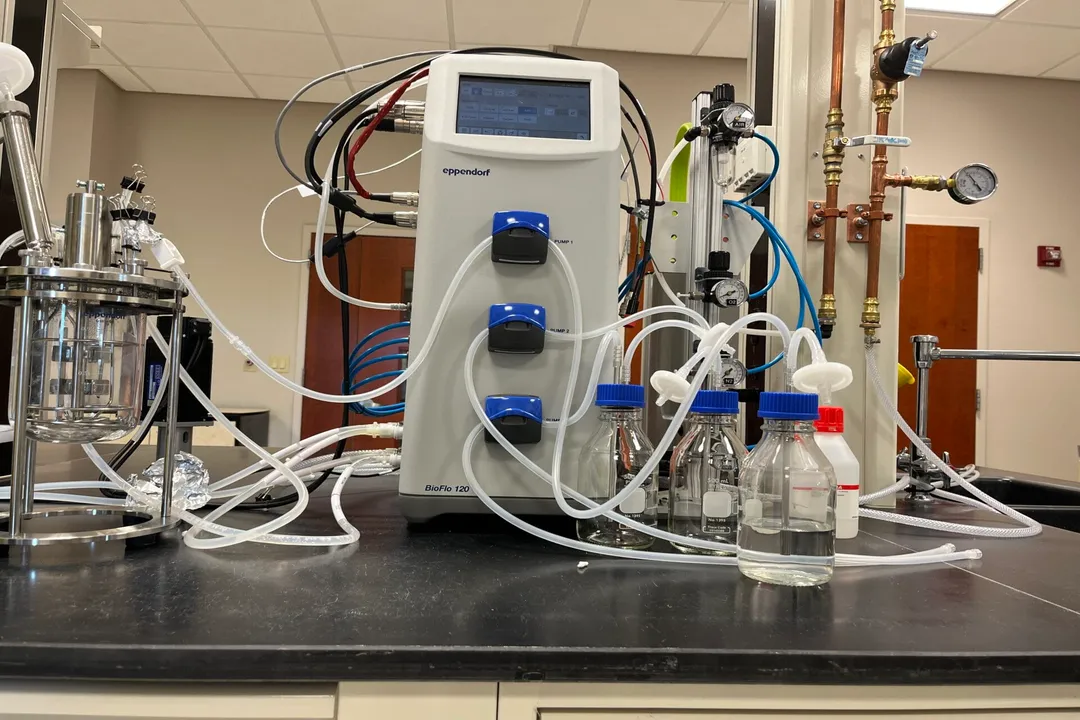
The world of industrial fermentation is experiencing a noticeable surge in activity, moving far beyond its traditional associations with beer and bread. This sector, which harnesses microorganisms to produce valuable products, is becoming increasingly significant across multiple industries, suggesting a healthy outlook for those looking to build a career here. [1] The demand isn't just steady; it is expanding, driven by global trends toward sustainability, alternative ingredients, and advanced material science. [5]
# Growth Drivers

The popularity of fermentation as an industrial process stems from several powerful converging factors. One major driver is the push for more sustainable manufacturing routes. Fermentation often offers a greener alternative to traditional chemical synthesis, reducing reliance on petrochemicals and offering pathways to create ingredients and materials with a lower environmental footprint. [5] This appeals strongly to manufacturers looking to meet consumer and regulatory demands for eco-friendly production methods. [1]
Beyond green chemistry, the application scope itself is broadening dramatically. While brewing remains a cornerstone—the established pathways in brewing science provide excellent foundational experience—the field is rapidly diversifying. [4] We are seeing fermentation technology applied to produce everything from novel proteins, flavor enhancers, and food additives to pharmaceuticals, biofuels, and specialized industrial enzymes. [1][9] The sheer versatility of using controlled microbial factories means the market is continually creating new niches for skilled professionals. [5] For instance, someone with a background in food science, particularly brewing, might find their skills directly translatable to scaling up production for novel vegan cheeses or functional ingredients, showcasing a strong internal mobility within the broader fermentation ecosystem. [4][7]
# Job Presence
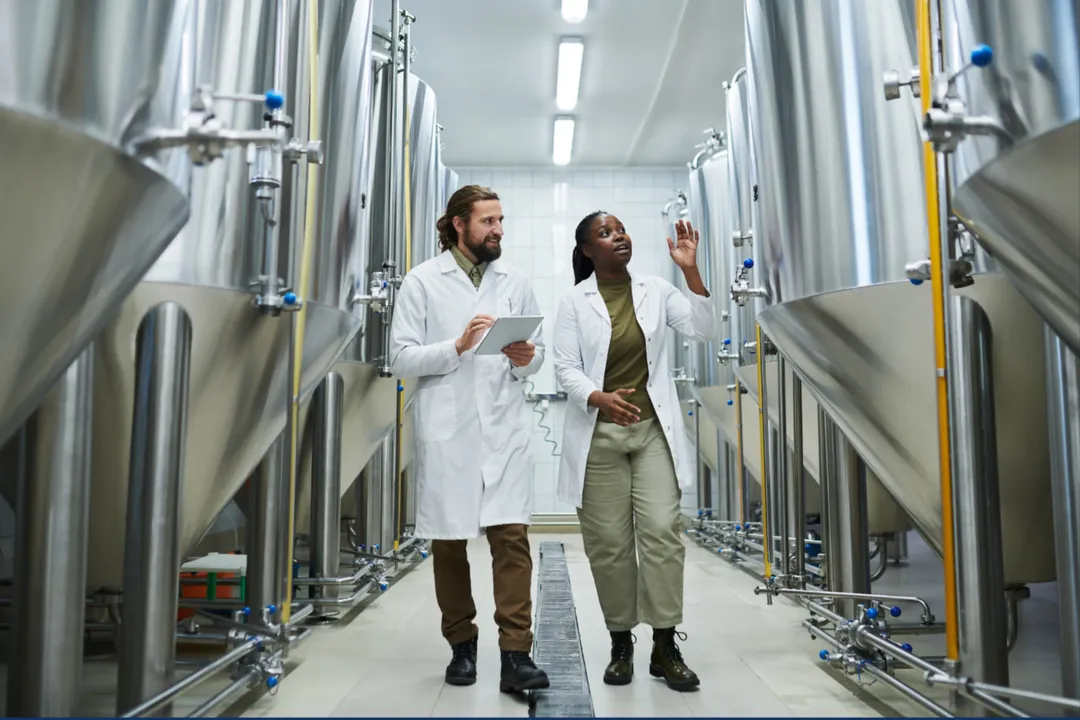
Quantifying career growth often requires looking at the job market directly, and evidence suggests a tangible increase in demand for specialized roles. [3] Positions specifically titled "Fermentation Engineer," for example, show trends indicating job growth, pointing toward an active hiring climate across the United States. [3] Platforms listing industrial fermentation jobs consistently show openings, reinforcing the idea that companies are actively staffing up to manage current production or expand future capacity. [8]
This engineering demand reflects the maturation of the industry. It moves beyond small-batch specialty work into large-scale, precise manufacturing. A Fermentation Engineer isn't just managing a brew kettle; they are optimizing bioreactor performance, designing scale-up protocols, and ensuring sterility and yield consistency at an industrial level. [3]

# Skill Sets Evolving
To secure a position in this expanding field, the required skillset is becoming more nuanced. The foundation remains strong in industrial microbiology, which encompasses a deep understanding of microbial physiology, genetics, and the sterile techniques necessary for successful cultivation. [9] A white paper on industrial microbiology careers emphasizes the necessity of mastering microbial strain development and the processes required for large-scale production. [9]
However, the modern fermentation scientist or engineer needs more than just bench skills. Given the drive for efficiency and the complexity of bioreactor environments, success increasingly hinges on analytical proficiency. While deep knowledge of the microbe is essential, the ability to interpret complex data—monitoring pH, oxygen transfer rates, and nutrient consumption in real time—is becoming a critical differentiator. Those professionals who can skillfully bridge the gap between microbial biochemistry and process engineering, perhaps using advanced statistical modeling to optimize a fermentation run, will find themselves highly sought after in scaling operations. [3] This dual expertise—microbial mastery coupled with strong data literacy—is a hallmark of the emerging senior roles in this sector. [2]
# Career Trajectories
The pathways into industrial fermentation science are not limited to a single academic route, which adds flexibility for those looking to shift fields. Many find their entry point through established sectors like the food and beverage industry. A professional coming from food product development, for instance, may transition by focusing on the upstream microbial processes used to create new ingredients, effectively moving into the core of the production chain. [7]
The career landscape presents what could be viewed as a dual track. On one side, you have the traditional, often smaller-scale, high-touch roles centered around brewing, distilling, and artisanal food production, which value deep sensory knowledge and batch expertise. [4] On the other, there is the high-tech, often venture-backed track focused on precision fermentation for pharmaceuticals, alternative proteins, or sustainable chemistry, where process control and high throughput are paramount. [1][9] Navigating these two tracks successfully often involves a strategic choice: do you deepen your expertise in a specific microbial host and product type, or do you focus on becoming a master of scale-up and process automation applicable across many product lines? The latter choice, leaning heavily into engineering and automation, seems to align with the growth trends seen in specific job postings. [3]

# Industry Maturity
As the industry matures, there is a growing need for professionals who can bridge the gap between the lab bench and the manufacturing plant. This requires more than just understanding how to grow something; it requires understanding how to grow it reliably, cheaply, and at massive volumes. [1] Advice shared by those already in the field often stresses the importance of hands-on experience in an industrial setting, even if that initial role is slightly adjacent to the ultimate goal. [2] Getting time in a pilot plant or a commercial facility provides invaluable context that academic work alone cannot supply, particularly concerning regulatory compliance and downstream processing challenges.
This maturation suggests that while entry-level roles will always exist to support basic operations, the greatest career velocity will be afforded to those who can demonstrate competency in process analytical technology (PAT) and process safety management—skills vital for expanding production safely and profitably. [9] In essence, the growth in the sector means it is moving from an art practiced by craftspeople to a standardized, engineering-heavy discipline.
# Future Outlook
Looking ahead, the role of industrial fermentation is only set to increase as global challenges in food security, material sourcing, and medicine persist. [5] The ability to engineer microbes to produce complex molecules on demand positions this industry at the intersection of biology and manufacturing innovation. [1] For individuals considering this field, understanding the interconnectedness of biology, engineering, and data science provides a distinct advantage. Whether one enters through a background in food science, chemical engineering, or microbiology, the sustained investment in this area implies a stable and expanding professional future for those willing to adapt to its evolving technical demands. [4][7]
#Videos
Training the Workforce in Industrial Fermentation Processes
Related Questions
#Citations
Industrial Fermentation: Supporting a Growing Industry
Advice for a career in fermentation? : r/foodscience - Reddit
Fermentation Engineer Job Outlook And Growth In The US [2025]
Brewing Up Opportunity: Career Pathways in Fermentation Science
The fermentation industry is growing – but why is it so popular?
Training the Workforce in Industrial Fermentation Processes
$70k-$160k Industrial Fermentation Jobs (NOW HIRING) Dec 2025
[PDF] Careers in Industrial Microbiology and Biotechnology