Are careers in blue economy viable?
The momentum behind the ocean economy is no longer a whisper on the tide; it is a clear, surging current promising a significant structural shift in global employment and commerce. Defining the blue economy involves encompassing all economic activities tied to the seas and coasts, moving from long-established sectors to those emerging from environmental necessity and technological innovation. The critical question is not if this economy exists—it already supports over 100 million jobs and generates an economic turnover estimated between US6 trillion globally. The real question centers on its viability for a broad and diverse workforce, dependent entirely on whether the current labor pool can adapt to the required sustainable transformation.
This transition is being actively driven by global imperatives to address climate change and shift economic activity away from practices that degrade marine health. According to a Blue Paper by the High Level Panel for a Sustainable Ocean Economy (Ocean Panel), the path toward a truly sustainable ocean economy could see employment grow by 51 million jobs by 2050, reaching 184 million people globally. Conversely, failing to transition away from traditional, resource-intensive models suggests a loss of 40 million jobs relative to the 2019 baseline. This stark contrast underscores that viability is less about resource availability and more about human capital readiness.
# Economic Scale
To grasp the viability, one must first appreciate the sheer scale of the existing structure. The sustainable blue economy has already demonstrated significant commercial potential, having doubled its size over the last three decades to reach approximately $2.6 trillion. This growth is supported by established sectors that have long been the backbone of coastal communities. Marine and coastal tourism currently stands out as the single largest employer, closely followed by fisheries and aquaculture, with marine transportation rounding out the top three established employers.
The viability of these traditional sectors is now being redefined by sustainability requirements. For instance, in the European context, Coastal Tourism in 2016 accounted for 61% of the jobs within the total EU Blue Economy. However, the adaptation required means that a role like a traditional commercial fisherman may evolve into roles supporting fishing tourism, where the excursionist pays for an experience guided by a professional fisherman acting as an instructor. This diversification shows that existing roles can be made viable by pivoting toward service and experience economies that value the marine environment.
# Emerging Growth Sectors
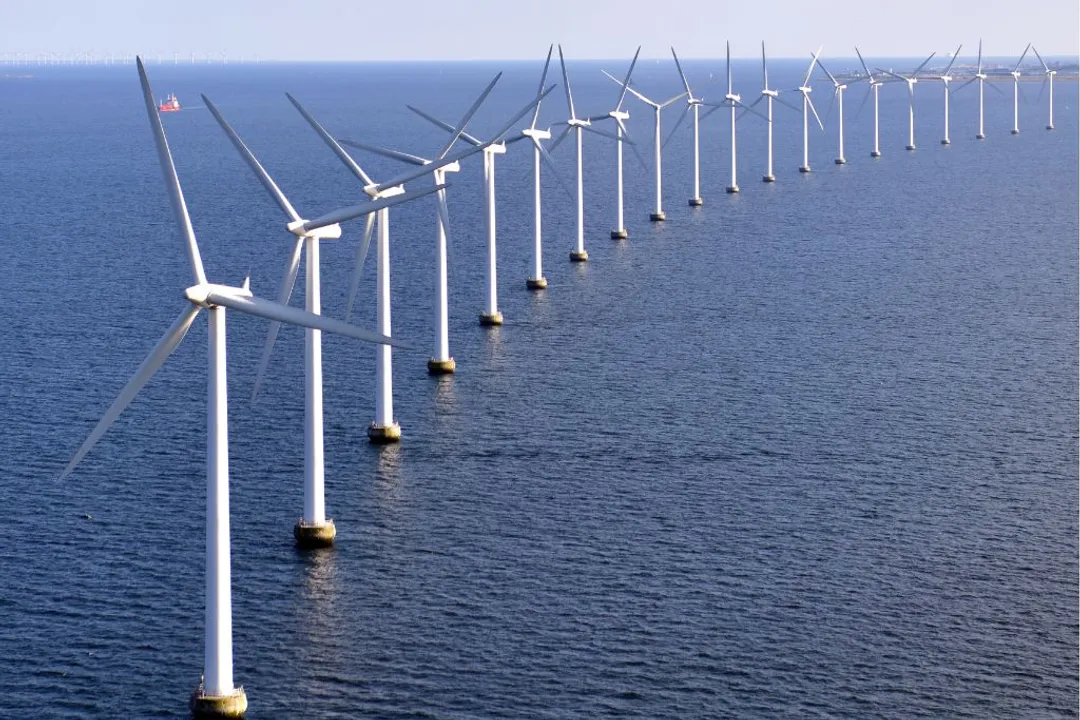
While established industries provide the volume, the future job creation potential lies in emerging sectors that directly address sustainability and energy demands. Marine renewable energy, for example, is identified as having strong growth potential, with projections suggesting it could create as many as 1.2 million new jobs by 2050. This aligns with the broader global movement toward clean energy infrastructure, where offshore wind is noted as the fastest-growing activity within the blue economy in some regions, already employing more people than traditional fisheries in the EU.
Beyond energy, Marine Biotechnology is positioned as a vital area for future development. This sub-sector, which involves using marine organisms to create new commercial products—from advanced medicines and diagnostics to biofuels—is young but gaining momentum through focused national and EU projects. Another untapped area showing future promise is ocean carbon removal, which integrates directly with global net-zero climate goals. These emerging fields are intensely focused on Science, Technology, Engineering, and Mathematics (STEM), suggesting a fundamental reorientation of workforce needs.
In the context of resource management, even traditionally extractive industries are adapting. The Gulf Cooperation Council (GCC) nations, for example, are actively transitioning their workforce away from fossil fuel dependence toward a blue economy based on data collection, AI, and machine learning to enhance sustainability in areas like port logistics and aquaculture. This regional shift confirms that viability hinges on technological integration across all blue economy sub-sectors, not just the entirely new ones.

# The Viability Hurdle Skill Gaps
The shift toward sustainability and technology introduces the primary hurdle to career viability: the skills gap. The transition is not simply a matter of retraining but often requires acquiring fundamentally different types of capital. Research into occupational pathways reveals that many high-growth sustainable blue economy occupations are dominated by STEM roles with highly specialized skill sets.
The challenge is most acute when considering workers in High-Risk, Low-Mobility (HRLM) occupations—roles often characterized by repetitive tasks and lower formal education—who need to move into these new, in-demand positions. Analyzing potential transitions shows that while many pathways exist, making them "desirable" (meeting wage parity and skill similarity thresholds) requires significant commitment. A transition requiring a major training effort (around three years) is necessary for over a thousand potential pathways to become desirable, compared to only 192 pathways that require only a minor training effort (six months).
The specific nature of these required upgrades highlights where career viability will be secured:
- Knowledge Gaps: Aggregate analysis points overwhelmingly to STEM knowledge as the primary area needing upgrading.
- Abilities: Sustainable roles require workers to produce more original ideas and possess robust mathematical and deductive reasoning skills compared to HRLM positions.
- Work Activities: Future blue economy workers must excel in creative thinking, data analysis, knowledge development, and providing consultation and advice.
This suggests that for a career in the blue economy to be viable, mere passion for the ocean, while cited as common among current workers, is insufficient; it must be coupled with a quantifiable upgrade in analytical and technical expertise.
# Navigating the Skills Shift
The viability of one's career in this sector depends on recognizing which specific skills are most highly valued in the evolving job market. The data clearly outlines priorities for those seeking to enter or advance within the sustainable blue economy, differentiating between general soft skills and specific technical proficiencies.
# Essential Soft Skills
The most important general skills that workers need to acquire for a successful transition are heavily weighted toward complex interpersonal and organizational capabilities:
- Leadership: This skill shows the largest gap, emphasizing the need to guide and inspire co-workers, particularly as new teams form around innovative projects.
- Communication skills: Crucial for conveying complex insights derived from analytical research to diverse stakeholders, including investors, policymakers, and operational teams.
- Planning: Closely trailing communication, this reflects the systematic approach required for project development in areas like offshore wind or large-scale aquaculture.
When assessing your potential pivot into a blue economy career, especially one in management or project coordination, focus less on simply listing past responsibilities and more on framing them using these high-value terms. For instance, if moving from a non-maritime administrative role, rephrase experience managing office resources and schedules as direct evidence of Planning and Leadership capabilities, which the labor market analysis identifies as being in high demand across the sector. This bridge-building strategy is vital when moving between seemingly disparate fields, like the traditional logistics sector and modern port operations.
# Specialized and Technical Competencies
On the technical side, the required competencies are deeply rooted in modern project execution and data handling. Project Management is the single most needed specialized skill, reflecting the necessity of assembling and leading multidisciplinary teams—whether for marine biotechnology scale-up or coastal infrastructure development. Following this, skills related to Data Analysis and Software Development/Training are paramount, underscoring the digital backbone of the modern sustainable ocean economy. Specific technologies showing high demand differences include SQL (Structured Query Language), Cloud Computing, Java, and Python.
The viability of a technical career in marine renewable energy, for example, requires an Electrical Engineering background supplemented by an MSc in Sustainable Energy Systems to transition effectively into a Project Manager role, as one expert detailed. For roles in ecosystem management, the need for data skills is equally strong, as scientists must employ data analytics to support consultation and advice.

# Investment and Institutional Backing
The viability of careers is inherently linked to the flow of capital that funds new ventures and supports existing, adapting enterprises. Investment is becoming more confident, suggesting a maturation of the market beyond early, high-risk phases. Institutional investors are increasingly recognizing the sector's performance and commercial potential, evidenced by the flow of capital into oceans-focused funds.
A key development indicating this financial confidence is the emergence of specialized financing tools like Blue Bonds. These instruments are specifically designed to address the historical underfunding of marine sustainability and clean water projects, particularly in emerging markets. The collaboration involved in structuring these bonds—linking capital providers with project issuers and impact trackers—suggests a commitment to building a durable financial ecosystem around the blue economy. This financial commitment directly translates into job creation across research, technology deployment, and infrastructure development, making the employment outlook more stable for those with the right skills.
# Diverse Career Archetypes
The blue economy encompasses a spectrum of work, from hands-on technical execution to high-level policy shaping, confirming that the required skills are diverse, even if STEM is ascendant.
In Shipbuilding and Maintenance, careers are technologically advanced, requiring expertise in areas like structural fabrication, welding (including International Welding Technologist certifications), and advanced systems engineering for complex vessels like submarines or offshore platforms. The mobility in this field is also a significant draw, offering international project opportunities.
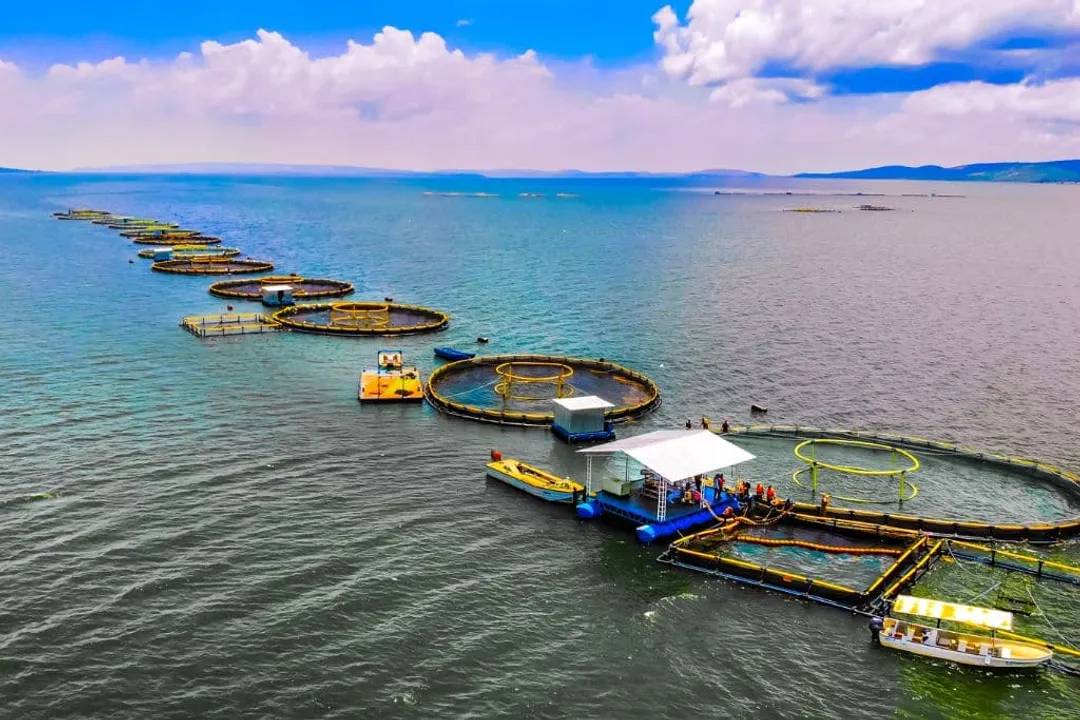
Aquaculture, the farming of aquatic organisms, is positioned as the fastest-growing food-producing sector, essential for meeting global seafood demand sustainably. Roles here range from farm technicians and hatchery managers to environmental and regulatory affairs specialists. This sector requires a blend of biology, operations mechanics, and resource management skills.
For individuals with established skills in traditional, resource-heavy offshore industries (like oil and gas), a direct viability pathway might exist in adapting those skills to sustainable offshore infrastructure. For instance, a welder or heavy equipment operator supervisor trained in the complexities of offshore construction in one sector possesses transferable task-based skills that are highly relevant to installing and maintaining offshore wind foundations. The key is formalizing this transfer through targeted certifications that bridge the regulatory and material knowledge gap between the two industries, rather than starting from scratch in an entirely new domain.
Finally, the "office-related" roles are just as integral. Experts are needed as Policy Analysts shaping initiatives like the DOE's Powering the Blue Economy, economists, accountants, and those specializing in maritime law or insurance. These positions require the analytical and deductive reasoning skills identified as essential for the high-growth sectors.
In summation, careers in the blue economy are certainly viable, not just surviving but projected to expand significantly over the next three decades. However, viability is conditional. It is highly viable for individuals who are adaptable, willing to engage in continuous upskilling—particularly in STEM, data, and management competencies—and who can articulate how their existing skills connect to the core needs of sustainability, innovation, and robust economic growth within the ocean’s domain. The future belongs to those who view the ocean economy as an interconnected system demanding sophisticated, adaptable professional capacity.
Related Questions
#Citations
The Rise of a Sustainable Ocean Economy - Earth.Org
Dive in --- Careers in the Blue Economy | Department of Energy
[PDF] Blue Occupation Pathways: From Vulnerable Jobs to Rapid-Growth ...
The Future of the Workforce in a Sustainable Ocean Economy
Unlocking the Blue Economy: How Investors Are Seizing Market ...
Blue Economy Careers: Where Are the Jobs of the Future? - 4WARD