Are careers in autonomous weapons regulation growing?
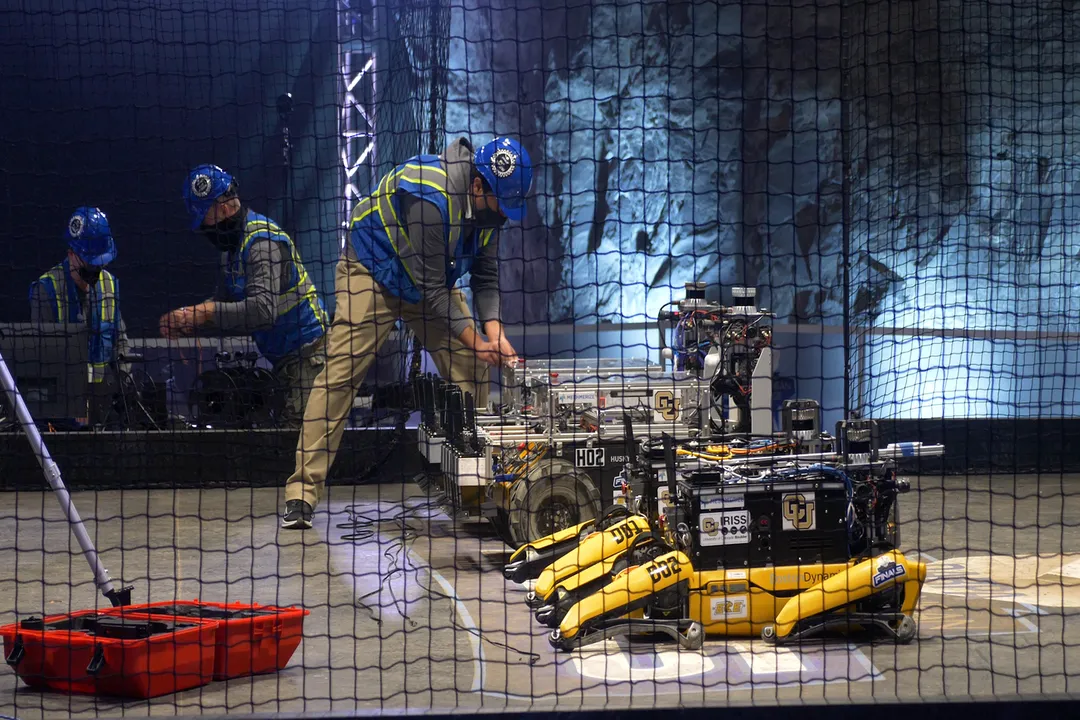
The accelerating deployment and discussion surrounding Lethal Autonomous Weapons Systems (LAWS) is creating an undeniable, if sometimes quiet, expansion in careers dedicated to their regulation, governance, and ethical oversight. While traditional military career paths focus on development and deployment, a parallel, growing field is emerging where specialists are needed to draw the lines—legal, ethical, and technical—around this technology. [1][6] This demand stems from the unique challenges presented by AI in warfare, which forces a confrontation between existing international law and novel technological capabilities. [2]
# Market Indicators

The commercial reality of autonomous weapons development is a powerful driver for regulatory employment. Reports tracking the autonomous weapons market indicate expansion across the sector. [10] Whenever a market segment involving advanced, high-risk technology begins to scale, the need for compliance officers, policy advisors, and government liaisons within both the private sector and regulatory bodies increases proportionally. Companies developing these systems require internal expertise to navigate potential export controls, ethical guidelines, and future treaty obligations. This is not just about massive sales figures; it’s about the increasing complexity in the logistics and supply chain management of dual-use AI components, which demands specialized regulatory personnel to track compliance across multiple jurisdictions. [10]
# State Positions Differ
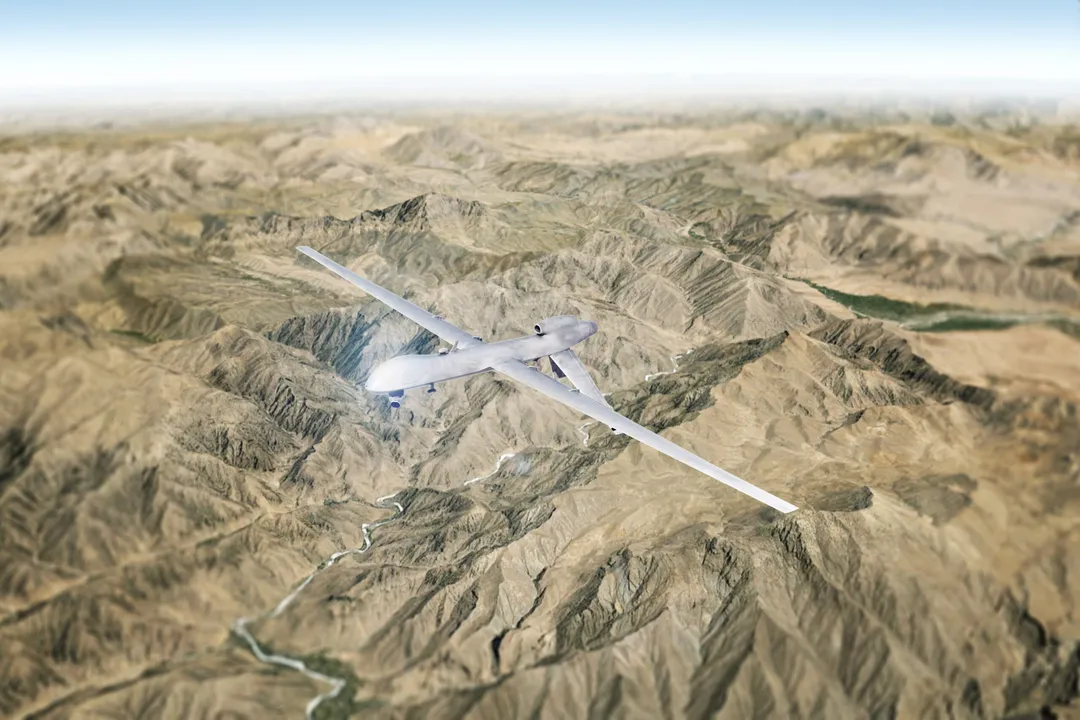
The international community is far from unified on how, or even if, LAWS should be controlled. National positions on governance vary significantly, creating a complex landscape for anyone working on policy or diplomacy in this sphere. [2] For example, some nations may be quietly beginning the era of autonomous weapons deployment, [8] while others advocate for outright prohibition. This divergence means that careers in international relations and defense policy are increasingly focused on bridging these gaps, understanding national strategies, and advising on the implications of one country's policy for another's security posture. [2][4] Experts are needed to articulate the differing national stances on autonomy in the targeting chain and to work within forums like the Convention on Certain Conventional Weapons (CCW) to find common ground or document disagreements. [4]

# Ethical Pressures Mount
The fundamental risks associated with delegating life-and-death decisions to machines are generating significant professional traction for ethicists and risk analysts. [9] Concerns over bias in training data, unpredictable emergent behaviors, and the general risks inherent in AI weapons design require specialist review. [9] This pressure is translating into real work: governments and large defense contractors are investing in dedicated teams tasked solely with reviewing AI ethics and adherence to existing International Humanitarian Law (IHL) principles. [3] The feeling among many concerned observers is that the time for proactive action on regulation is immediate, not something to defer. [6] This sense of urgency translates directly into a need for policy professionals who can rapidly translate abstract ethical concerns into actionable, enforceable regulations or internal corporate standards. [6][9]
# Nonstate Actors Emerge
A critical dimension that complicates traditional regulatory careers is the proliferation of these technologies outside of established state militaries. The unfortunate reality is that autonomous weapon capabilities are becoming accessible to non-state armed groups. [5] This development creates an entirely new front for regulatory and security careers. Traditional disarmament and arms control efforts often focus on state-to-state agreements, but when advanced technologies like Loitering Munitions or simplified autonomous drones are acquired or manufactured by insurgent or terror groups, the focus shifts to counter-proliferation, end-use monitoring, and specialized law enforcement. [5] Professionals specializing in tracking illicit technology transfer and developing regulations to limit grey-market access are seeing their roles become increasingly vital in this new security environment.

# Regulatory Expertise Needed
The combination of military interest, market growth, and ethical alarm means that regulatory work is not confined to just one niche; it spans law, engineering, and defense doctrine. Traditional military analysis must now incorporate the pros and cons of autonomous systems from a doctrinal standpoint, requiring personnel who understand both warfare and autonomy. [3] International forums dedicated to governing these systems require diplomats and lawyers steeped in arms control treaties. [4] Even within a single country, understanding the US approach to autonomous weapons, for instance, requires insight into how a major military power is quietly beginning to integrate these systems into its operational reality. [8] The field demands individuals who can operate at the intersection of de jure (legal) constraints and de facto (operational) implementation.
# Career Trajectories
The types of careers growing in this domain reflect the multifaceted nature of the problem. One clear path involves International Law and Diplomacy, focusing on multilateral negotiations, drafting protocols, and interpreting existing IHL in the context of autonomy. [4] Another expanding area is AI Ethics and Compliance within the private sector, where engineers and ethicists work to build "human-in-the-loop" requirements directly into weapon design specifications. [9] A third, crucial trajectory is National Security Policy Analysis, advising legislative bodies or executive branches on domestic procurement rules and international positioning. [1][8] The most sought-after individuals are those who possess hybrid expertise; for example, a lawyer who understands the technical limitations of machine learning models, or an engineer who can articulate how a specific design choice might violate the principle of distinction under the laws of war. These blended skill sets are becoming essential anchors in the emerging governance structures surrounding autonomous weaponry. [3] This necessity for interdisciplinary fluency suggests that future specialized degrees or certifications combining technical acumen with legal or ethical training will likely command a premium in this career sector.
Related Questions
#Citations
Governing Lethal Autonomous Weapons in a New Era of Military AI
The Future of Warfare: National Positions on the Governance of ...
Pros and Cons of Autonomous Weapons Systems
How Nations are Responding to Autonomous Weapons in War
A Match Made in Hell? The Rise of Autonomous Weapons Use in ...
AI and autonomous weapons systems: the time for action is now
AI's 'Oppenheimer moment': autonomous weapons enter the battlefield
The United States Quietly Kick-Starts the Autonomous Weapons Era
The Risks of Artificial Intelligence in Weapons Design
Autonomous Weapons Market Size, Share, Industry Growth Report ...